Iron sources vegetarian diet: An Evidence-Based Guide From Clinical Nutrition

Vegetarians can meet iron needs through legumes, tofu, tempeh, fortified cereals, seeds, nuts, whole grains, and dark leafy vegetables. Plant iron is non-heme iron, which is absorbed less efficiently than iron from animal foods.
Key Takeaways
- Vegetarians can meet iron needs through legumes, tofu, tempeh, fortified cereals, seeds, nuts, whole grains, and dark leafy vegetables.
- Plant iron is non-heme iron, which is absorbed less efficiently than iron from animal foods.
- Vitamin C-rich foods can improve iron absorption from vegetarian meals.
- Tea, coffee, and high-calcium foods taken with iron-rich meals may reduce absorption in some people.
- Fatigue, shortness of breath, pale skin, or frequent dizziness can be signs of low iron and should be medically assessed.
A vegetarian diet can provide enough iron when it includes reliable plant sources such as legumes, soy foods, fortified grains, seeds, nuts, and leafy greens, and when meals are planned to support absorption. The key is not only choosing iron-rich foods, but also understanding how non-heme iron is absorbed and what habits can help or hinder it.
Overview: can a vegetarian diet provide enough iron?
Yes. A well-planned vegetarian diet can provide adequate iron through foods such as lentils, beans, tofu, tempeh, fortified breakfast cereals, pumpkin seeds, quinoa, and dark leafy greens. The main clinical point is that vegetarian iron comes in the non-heme form, which is generally absorbed less efficiently than heme iron from meat, so food choices and meal combinations matter.
This means the best approach is not simply to add one “superfood,” but to build meals that combine dependable iron sources with absorption-friendly nutrients, especially vitamin C. For many people, practical habits such as including citrus fruit, berries, tomatoes, bell peppers, or broccoli with meals can make a meaningful difference over time.
Iron is essential for making hemoglobin, the protein in red blood cells that carries oxygen throughout the body. When intake is too low, or when iron losses or needs are higher than usual, iron deficiency may develop and in some cases progress to anemia.
Best iron sources in a vegetarian diet
Reliable vegetarian iron sources come from several food groups rather than a single category. Legumes are among the most useful choices because they are versatile, affordable, and often eaten in substantial amounts. Soy foods are also especially valuable because they can provide iron along with protein.
Common plant foods that can contribute iron include:
- Lentils, chickpeas, black beans, kidney beans, and white beans
- Tofu, tempeh, and edamame
- Fortified breakfast cereals and fortified oatmeal
- Pumpkin seeds, sesame seeds, tahini, hemp seeds, and cashews
- Quinoa, amaranth, and iron-fortified breads or grain products
- Spinach, Swiss chard, kale, and other dark leafy greens
- Dried fruits such as apricots, raisins, and prunes
- Molasses, especially blackstrap molasses, when used in moderation
Fortified foods can be particularly helpful for people who do not regularly eat legumes or soy. They offer a predictable source of iron and may fit easily into breakfast or snacks. While vegetables like spinach are often discussed as iron-rich foods, they are best viewed as one part of a broader pattern rather than the only solution.
Clinical nutrition advice usually focuses on consistency. Eating iron-containing foods once in a while is less helpful than including them across the day and week. For example, a day that includes fortified cereal at breakfast, lentil soup at lunch, and tofu with vegetables at dinner may support intake better than relying on one iron-rich dinner alone.
How non-heme iron absorption works
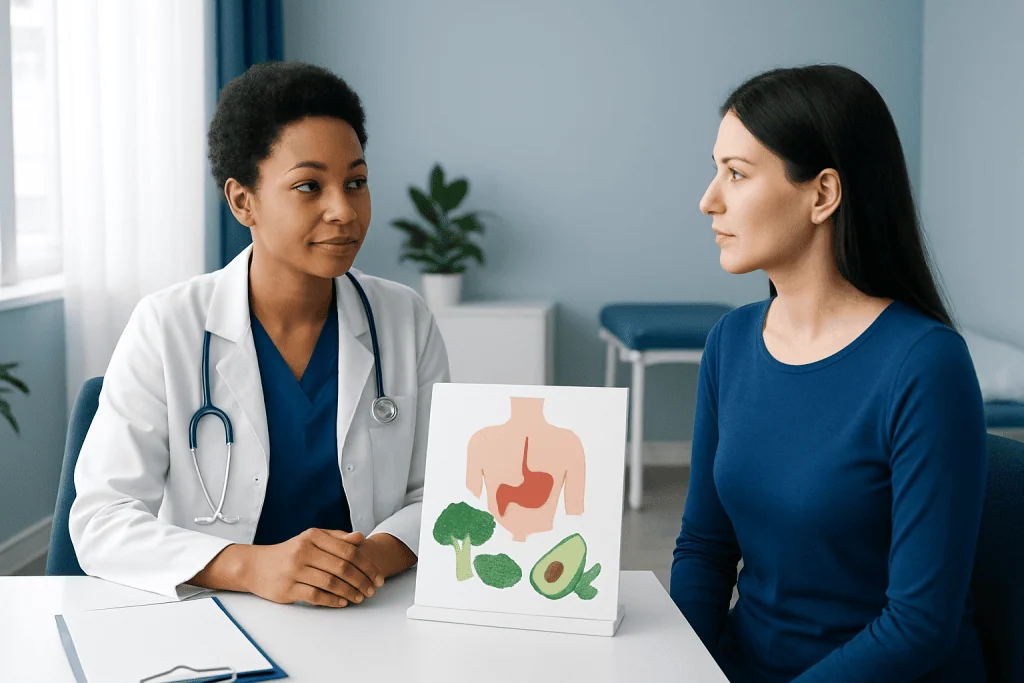
The form of iron found in plant foods is called non-heme iron. Unlike heme iron from meat, poultry, and fish, non-heme iron is more affected by the other foods eaten at the same time. This is why two meals with similar iron content may not be absorbed equally.
Vitamin C can increase absorption of non-heme iron by helping convert it into a form that is easier for the body to take up. Helpful pairings include beans with tomatoes, tofu with broccoli or bell peppers, oatmeal with strawberries, or lentils with lemon juice. Even simple additions such as orange slices, kiwi, or a small salad with citrus dressing can support absorption.
Some dietary factors can reduce iron absorption when taken with meals. Tea and coffee contain compounds called polyphenols that may lower iron uptake, and phytates in some grains and legumes can also have an effect. Calcium may compete with iron absorption in some situations, so some people benefit from not taking calcium supplements at the same time as iron-rich meals.
This does not mean these foods or drinks need to be avoided entirely. Instead, spacing them thoughtfully can help. For example, tea or coffee may be better between meals rather than with an iron-focused meal. Soaking, sprouting, fermenting, or thoroughly cooking legumes and grains may also improve mineral availability in some cases.
Who may need to pay closer attention to iron intake
Some people have higher iron needs or a higher chance of deficiency, even with a generally healthy vegetarian eating pattern. Menstruating women, pregnant people, adolescents during growth periods, endurance athletes, frequent blood donors, and people recovering from illness may all need closer monitoring.
Certain digestive or inflammatory conditions can also affect iron status by reducing absorption or increasing losses. People with heavy menstrual bleeding, a history of low iron, restricted eating patterns, or gastrointestinal symptoms should be especially careful not to assume fatigue is “normal.” In these situations, medical evaluation may be needed to look for iron deficiency or other causes.
Vegans may need a more intentional approach than vegetarians who eat eggs or dairy, not because a vegan diet cannot provide iron, but because planning becomes more important. Protein-rich staples such as lentils, beans, tofu, tempeh, nuts, and seeds can help create meals that are both nutritionally balanced and iron-supportive.
Building practical vegetarian meals for better iron intake
The most useful strategy is to think in meal patterns rather than isolated nutrients. A balanced iron-supportive meal often includes three parts: an iron-rich plant food, a vitamin C source, and a whole grain or vegetable base. This combination is realistic for home cooking and easier to maintain long term.
Examples include lentil curry with tomatoes and peppers over quinoa, a tofu stir-fry with broccoli and bok choy, a bean chili topped with fresh salsa, or hummus with roasted vegetables and lemon. Breakfast can also contribute meaningfully, especially when it includes fortified cereal or oats topped with berries, kiwi, or citrus fruit.
For people who are trying to raise their iron intake, meal timing may help. Tea and coffee can be moved away from iron-rich meals, and supplements such as calcium can be discussed with a clinician if they may interfere. If a person has confirmed deficiency, food alone may not always be enough, and a doctor may recommend tests or iron infusion in selected cases.
Some people with ongoing fatigue or unexplained low iron may need a broader medical work-up rather than repeated self-treatment. In certain situations, clinicians investigate blood loss, absorption problems, or digestive conditions and may recommend gastroenterology evaluation if symptoms suggest an underlying cause.
Signs of low iron, diagnosis, and treatment
Low iron can develop gradually. Common symptoms include tiredness, reduced exercise tolerance, weakness, pale skin, headaches, dizziness, brittle nails, or shortness of breath with activity. Some people notice poor concentration, feeling cold more often, or restless legs. These symptoms are not specific to iron deficiency, which is why self-diagnosis can be misleading.
Doctors typically evaluate iron status with a history, physical examination, and blood tests. Depending on the situation, testing may include a complete blood count and iron studies such as ferritin. If there is concern about nutritional deficiency, chronic blood loss, or poor absorption, additional testing may be recommended.
Treatment depends on the cause and severity. Many people improve with dietary changes and oral iron supplements prescribed or recommended by a clinician. Others may need treatment for the reason behind the deficiency, such as heavy menstrual bleeding or digestive blood loss. If symptoms are significant or oral treatment is not suitable, doctors may consider hematology care or other specialist input.
It is generally not advisable to start high-dose iron supplements without medical guidance. Too little treatment may not correct the problem, while unnecessary supplementation can cause side effects and may mask other important conditions.
Prevention and when to seek medical care
Preventing low iron on a vegetarian diet usually comes down to consistency, variety, and meal planning. Regularly including legumes, soy foods, fortified grains, seeds, nuts, and leafy greens can help maintain intake. Pairing these foods with vitamin C-rich produce and spacing tea or coffee away from meals are practical, evidence-based habits.
It is sensible to seek medical care if there is persistent fatigue, dizziness, pale skin, shortness of breath, heart palpitations, heavy periods, black stools, unexplained weight loss, or digestive symptoms that do not improve. Children, teenagers, pregnant people, and anyone with a history of iron deficiency should discuss symptoms promptly with a qualified doctor rather than relying only on diet changes.
People who follow vegetarian or vegan diets do not need to assume that deficiency is inevitable, but they should take symptoms seriously if they arise. At Acibadem International, multidisciplinary specialists in JCI-accredited hospitals evaluate and treat iron-related conditions for international patients when assessment or further treatment is needed.
Regular follow-up can be helpful for those with recurring deficiency, restrictive eating patterns, or chronic medical conditions. A clinician or registered dietitian can help tailor a plan that supports iron intake while meeting broader nutrition goals.
Frequently asked questions
What are the best iron sources in a vegetarian diet?
The most practical iron sources in a vegetarian diet include lentils, beans, chickpeas, tofu, tempeh, fortified cereals, pumpkin seeds, quinoa, and dark leafy greens. A varied approach usually works better than relying on only one or two foods.
Is plant iron harder to absorb than iron from meat?
Yes. Plant foods provide non-heme iron, which is generally absorbed less efficiently than heme iron from animal foods. However, absorption can be improved by combining iron-rich foods with vitamin C-rich foods in the same meal.
Which foods help increase iron absorption?
Foods rich in vitamin C can help the body absorb non-heme iron more effectively. Useful examples include oranges, strawberries, kiwi, tomatoes, bell peppers, broccoli, and lemon juice.
What can reduce iron absorption from vegetarian meals?
Tea and coffee taken with meals may reduce iron absorption in some people. Calcium supplements and certain food compounds such as phytates may also interfere, so spacing them away from iron-focused meals can sometimes help.
Can a vegetarian diet cause iron deficiency?
A vegetarian diet does not automatically cause iron deficiency, but careful planning is important. Risk is higher when intake is limited, needs are increased, or there is another issue such as heavy menstrual bleeding or poor absorption.
Should someone take an iron supplement just because they are vegetarian?
Not necessarily. Many vegetarians meet their needs through food, and supplements are usually best guided by symptoms, risk factors, and blood test results. Taking iron without medical advice may be unnecessary or may overlook another health issue.
When should someone with possible low iron see a doctor?
Medical care is advisable if there is persistent fatigue, dizziness, shortness of breath, pale skin, frequent headaches, or heavy periods. A doctor should also assess black stools, digestive symptoms, or recurring low iron to look for the underlying cause.
This article is for general information only and is not a substitute for professional medical advice. Please consult a qualified doctor about your individual situation.
Explore treatments in Turkey — costs, top hospitals & a free quote
JCI-accredited · board-certified surgeons · reply within 24h
Add us as a Preferred Source to see more of our trusted health content across Google Search, AI Overviews and Discover.

More from the Health Library

Fatty fish rich in vitamin d: Benefits, Side Effects, and What the Evidence Shows

Ed Supplements: What the Clinical Research Actually Says
Vitamin B Complex: Benefits, Risks, and Safe Use

O Negative Blood Type Diet: What the Clinical Research Actually Says

Vitamin E Foods: Benefits, Risks, and Safe Use