Is ADHD a Mental Health Disorder? Symptoms, Diagnosis, and Support

ADHD is a neurodevelopmental disorder commonly managed within mental health services. Symptoms usually involve inattention, hyperactivity, impulsivity, or a combination of these patterns.
Key Takeaways
- ADHD is a neurodevelopmental disorder commonly managed within mental health services.
- Symptoms usually involve inattention, hyperactivity, impulsivity, or a combination of these patterns.
- Diagnosis is based on a thorough clinical assessment rather than a single blood test or scan.
- Treatment may include education, behavioral strategies, school or workplace support, and medication when appropriate.
- Many people with ADHD also have strengths such as creativity, energy, and problem-solving ability.
- Early evaluation and individualized support can improve daily functioning and quality of life.
ADHD is a recognized neurodevelopmental condition that is often discussed within mental health care because it affects attention, behavior, and daily functioning. With accurate diagnosis and the right support, many children, teens, and adults with ADHD manage symptoms well and lead full, productive lives.
Overview: Is ADHD a Mental Health Disorder?
Attention-deficit/hyperactivity disorder, or ADHD, is a neurodevelopmental disorder. This means it relates to the way the brain develops and manages attention, self-control, activity level, and executive functions such as planning and organization. ADHD is often included in mental health discussions because it can affect emotions, behavior, learning, relationships, and everyday life.
So, is ADHD a mental health disorder? In clinical practice, ADHD is generally considered a mental health condition, but more specifically it is classified as a neurodevelopmental disorder. This distinction is helpful because it explains that ADHD is not caused by laziness, poor parenting, or lack of willpower. It reflects differences in brain-based regulation that can begin in childhood and continue into adolescence and adulthood.
ADHD can affect people in different ways. Some mainly struggle with focus and organization, while others have more difficulty with restlessness and impulsive behavior. Many people have a combination of both. Symptoms can range from mild to more disruptive, and they may change over time as responsibilities increase at school, at home, or at work.
Although ADHD can be challenging, it is treatable. Education, practical coping strategies, structured support, and medical care when needed can make a meaningful difference. Many people with ADHD also have positive qualities such as curiosity, enthusiasm, energy, and creative thinking.
Symptoms of ADHD
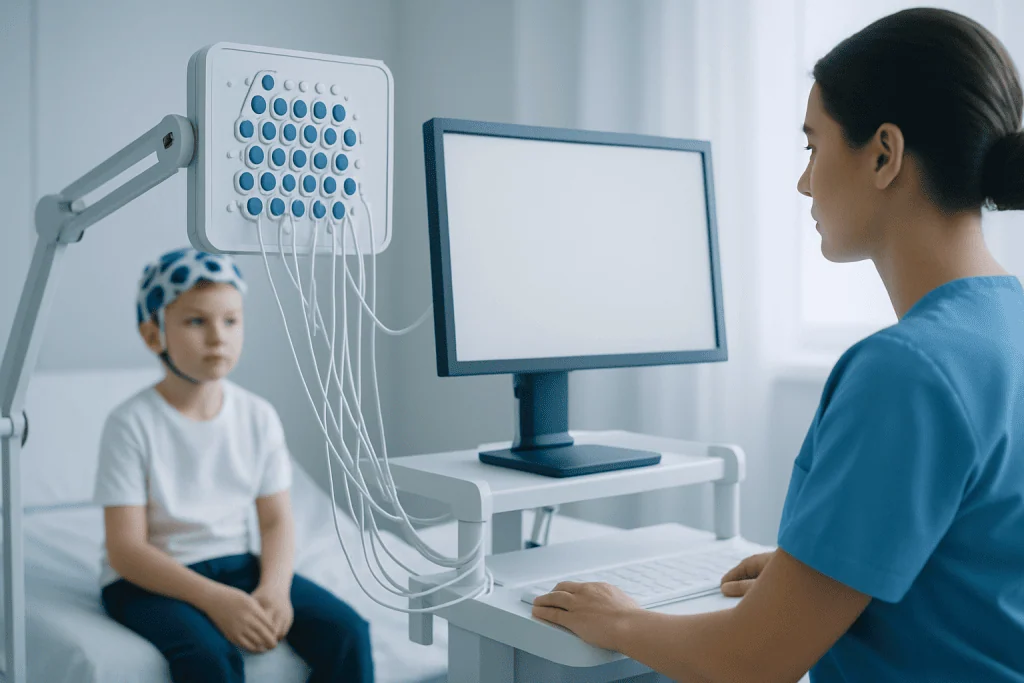
ADHD symptoms are usually grouped into two broad patterns: inattention and hyperactivity-impulsivity. A person may mostly have inattentive symptoms, mostly hyperactive-impulsive symptoms, or a combined presentation. Symptoms should be persistent, affect more than one setting, and interfere with daily functioning rather than appearing only occasionally.
Inattention may show up as trouble staying focused, becoming easily distracted, making careless mistakes, forgetting tasks, losing items, avoiding tasks that require sustained mental effort, or having difficulty following through on instructions. In children, this may look like incomplete schoolwork or frequent daydreaming. In adults, it may appear as missed deadlines, disorganization, or difficulty managing time.
Hyperactivity and impulsivity can include fidgeting, restlessness, talking excessively, interrupting others, acting without thinking, difficulty waiting, or feeling internally driven to keep moving. In younger children, these signs may be more obvious. In adults, hyperactivity may become less visible and instead feel like inner restlessness or difficulty relaxing.
- Common inattentive symptoms: distractibility, forgetfulness, poor organization, trouble finishing tasks
- Common hyperactive symptoms: fidgeting, excessive movement, difficulty sitting still, feeling restless
- Common impulsive symptoms: interrupting, impatience, acting quickly without considering consequences
- Emotional effects may include frustration, low self-esteem, or feeling overwhelmed by everyday demands
Causes and Risk Factors

ADHD does not have one single cause. Research suggests it develops through a combination of genetic, neurological, and environmental influences. It often runs in families, which supports a strong hereditary component. Brain imaging studies also suggest differences in networks involved in attention, impulse control, and planning, although scans are not used by themselves to diagnose ADHD.
Possible risk factors include premature birth, low birth weight, exposure to certain substances during pregnancy, and some early developmental challenges. These factors may raise the likelihood of ADHD in some individuals, but they do not mean a person will definitely develop the condition. In many cases, no single clear trigger can be identified.
It is important to correct common myths. ADHD is not caused by poor discipline, too much screen time alone, sugar intake by itself, or a lack of motivation. While lifestyle factors can influence how symptoms appear day to day, they do not fully explain the disorder. Blame can delay diagnosis and make support harder to access.
ADHD can also occur alongside other conditions. Anxiety, depression, sleep problems, learning disorders, and autism may overlap with ADHD or share some similar features. A careful assessment helps identify whether symptoms are due to ADHD, another condition, or a combination of both.
How ADHD Is Diagnosed
There is no single laboratory test, brain scan, or questionnaire that confirms ADHD on its own. Diagnosis is made through a detailed clinical evaluation by a qualified professional such as a child psychiatrist, psychiatrist, psychologist, pediatrician, or neurologist with experience in ADHD. The goal is to understand the person’s symptoms, development, functioning, and overall health.
The assessment usually includes interviews with the patient and, when appropriate, parents, caregivers, or teachers. The clinician asks about attention, behavior, school or work performance, relationships, sleep, emotional health, and how long symptoms have been present. Standardized rating scales may be used to support the evaluation, but they are only one part of the process.
For children, symptoms need to be present in more than one setting, such as home and school, and should be inconsistent with what would be expected for the child’s developmental stage. For adults, the doctor looks for a pattern that often began earlier in life and continues to affect functioning in work, relationships, or daily tasks. It is also important to rule out medical issues, stress, trauma, substance use, hearing or vision problems, and other mental health conditions that can mimic ADHD.
Some people benefit from further evaluation for related concerns, such as learning differences, sleep disorders, or mood symptoms. In selected cases, a broader neurological or psychological assessment may be useful. If needed, clinicians may also recommend brain MRI or other tests to explore symptoms that suggest a different underlying cause, though this is not routine for ADHD itself.
Treatment Options and Ongoing Support
ADHD treatment is individualized. The best plan depends on age, symptom pattern, daily challenges, overall health, and whether other conditions are present. Treatment often combines education about ADHD, practical behavior strategies, school or workplace accommodations, psychotherapy, and medication when appropriate. Many people do best with a structured, long-term approach rather than one single intervention.
Behavioral support can help children and adults build routines, manage distractions, and improve organization. Parents may benefit from guidance on positive reinforcement and consistent structure. School support can include clear instructions, movement breaks, extra time for tasks, or seating arrangements that reduce distraction. Adults may use tools such as calendars, reminder systems, task breakdown, and coaching strategies to support executive functioning.
Medication may be recommended for some patients after a careful evaluation by a doctor. It can help improve attention, reduce impulsivity, and support self-regulation, but it is not the only treatment and it may not be right for everyone. Ongoing follow-up is important to monitor benefit, side effects, sleep, appetite, emotional well-being, and changing needs over time.
If emotional symptoms or overlapping mental health concerns are present, counseling or psychiatric care may also be helpful. In more complex cases, support from psychiatry and neurology services can help create a more complete care plan. Treatment works best when the person, family, and care team share goals and adjust strategies as life demands change.
Prevention, Self-Care, and Everyday Management
ADHD cannot always be prevented, but healthy routines can support brain function and help reduce the impact of symptoms. Good sleep, regular physical activity, balanced meals, and predictable schedules are often helpful. A calm, organized environment can make it easier to focus and complete tasks.
Self-care strategies are practical and often very effective when used consistently. Breaking large tasks into smaller steps, using checklists, setting alarms, and keeping important items in the same place can reduce frustration. Some people also find it helpful to work in short, timed intervals with planned breaks.
Emotional support matters too. People with ADHD may experience criticism, misunderstandings, or self-doubt, especially if symptoms have gone unrecognized for years. Learning about the condition, building self-advocacy skills, and focusing on strengths can improve confidence and resilience. Family members, teachers, and employers can play a valuable role by offering clear communication and realistic expectations.
When ADHD affects multiple areas of life, coordinated care can be useful. This may involve mental health professionals, educators, pediatricians, or adult medicine specialists working together. At the end of the care journey, some international patients choose centers such as Acibadem International, where multidisciplinary specialists in JCI-accredited hospitals evaluate and treat ADHD-related concerns in a coordinated way.
When to See a Doctor
It is a good idea to seek medical advice when attention problems, impulsivity, or restlessness are persistent and interfere with school, work, relationships, or daily responsibilities. Early evaluation can help explain what is happening and guide the right support. A doctor can also identify whether symptoms are related to ADHD, stress, sleep problems, anxiety, depression, or another condition.
Parents should consider an assessment if a child is regularly struggling to follow instructions, complete age-appropriate tasks, stay seated when expected, or manage behavior in more than one setting. Adults may benefit from evaluation if they often miss deadlines, lose track of tasks, feel chronically disorganized, or have long-standing concentration difficulties that affect quality of life.
Urgent assessment is especially important if symptoms are accompanied by severe mood changes, self-harm thoughts, substance misuse, major school refusal, or sudden neurological symptoms such as seizures, weakness, or a major change in consciousness. These signs may suggest a different or additional health issue that needs prompt care.
Getting help does not mean something is wrong with a person’s character. It is a step toward understanding how the brain works and finding practical ways to thrive. With the right diagnosis and support, many people with ADHD improve their functioning, relationships, and confidence.
Frequently asked questions
Is ADHD officially considered a mental health disorder?
Yes. ADHD is widely recognized in medical and mental health care, and it is more specifically classified as a neurodevelopmental disorder. It is often managed within mental health services because it affects behavior, attention, emotions, and daily functioning.
Can adults have ADHD, or is it only diagnosed in children?
Adults can absolutely have ADHD. In many people, symptoms begin in childhood but remain present into adult life, sometimes becoming more noticeable when work, family, and organizational demands increase.
What is the difference between normal distractibility and ADHD?
Everyone can be distracted at times, especially during stress or lack of sleep. ADHD is different because symptoms are ongoing, affect more than one setting, and clearly interfere with learning, work, relationships, or daily tasks.
Can ADHD occur with anxiety or depression?
Yes, ADHD can occur alongside anxiety, depression, sleep problems, and learning disorders. This is why a thorough evaluation is important, since treatment may need to address more than one condition.
How is ADHD usually treated?
Treatment often includes education, behavior strategies, school or workplace support, and sometimes medication. The most effective plan is individualized and adjusted over time based on symptoms, age, and daily needs.
Do people with ADHD always have hyperactivity?
No. Some people mainly have inattentive symptoms such as poor focus, forgetfulness, and disorganization. Others have hyperactive-impulsive symptoms, while many have a combination of both.
References
- World Health Organization
- American Psychiatric Association
- Centers for Disease Control and Prevention
- National Institute of Mental Health
- American Academy of Pediatrics
This article is for general information only and is not a substitute for professional medical advice. Please consult a qualified doctor about your individual situation.
ADHD in Turkey — costs, top hospitals & a free quote
JCI-accredited · board-certified surgeons · reply within 24h
Add us as a Preferred Source to see more of our trusted health content across Google Search, AI Overviews and Discover.

More from the Health Library



Related Specialists

Dr. Aydin Aksoy
Cardiology
Prof. Dr. Reyhan Çeliker
Physical Medicine & Rehabilitation
Ferît Pekgöz
Physical Medicine & Rehabilitation
Dr. Serhat Konar
Anesthesiology