Is an Endometrial Biopsy Painful: Procedure, Recovery and Results

Most people describe endometrial biopsy discomfort as short-lived cramping, pressure, or a sharp pinch. The strongest cramps commonly occur when the thin sampling device passes through the cervix and collects tissue.
Key Takeaways
- Most people describe endometrial biopsy discomfort as short-lived cramping, pressure, or a sharp pinch.
- The strongest cramps commonly occur when the thin sampling device passes through the cervix and collects tissue.
- Light spotting and mild cramps for a day or two are common; severe or worsening symptoms need medical advice.
- An endometrial biopsy is often used to investigate abnormal uterine bleeding, especially after menopause.
- A biopsy result does not automatically mean cancer; most samples are taken to rule out important causes of symptoms.
An endometrial biopsy can cause brief, period-like cramping when the sample is taken, but the procedure is usually completed within minutes and most people recover quickly. The test helps a clinician examine the uterine lining for causes of abnormal bleeding and, when needed, identify abnormal or cancerous cells.
Is an Endometrial Biopsy Painful?
An endometrial biopsy may be uncomfortable or painful for a short time, most often causing cramping similar to strong menstrual cramps. Experiences vary: some people feel only pressure and mild cramps, while others have a more intense but brief cramp when the sample is collected. The procedure itself generally takes only a few minutes.
Clinicians can help patients prepare by explaining each step, allowing time to ask questions, and discussing suitable pain-relief options in advance. Anxiety, a tight cervix, prior pelvic pain, and individual sensitivity can affect how the procedure feels, so it is appropriate for a patient to tell the care team about previous difficult examinations or pain concerns.
An endometrial biopsy removes a very small amount of tissue from the endometrium, the lining inside the uterus. A laboratory specialist examines the cells to help clarify the cause of bleeding changes or to check for precancerous changes and cancer.
Why an Endometrial Biopsy May Be Recommended
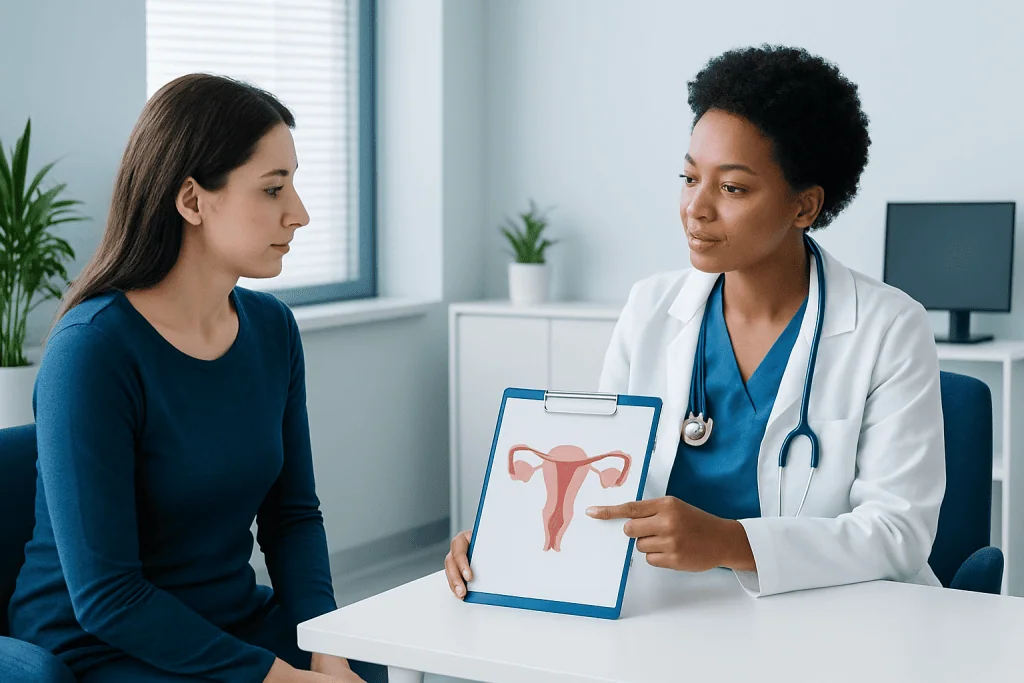
Clinicians commonly recommend this test for abnormal uterine bleeding, such as bleeding between periods, unusually heavy or prolonged periods, or bleeding after menopause. It may also be used when ultrasound shows that the uterine lining appears thickened or when treatment for bleeding has not helped.
People aged 45 years and older with abnormal uterine bleeding may be advised to have endometrial sampling. It can also be appropriate at younger ages when there are factors that can increase the likelihood of endometrial overgrowth, including persistent irregular ovulation, obesity, polycystic ovary syndrome, certain hormone exposures, or a family history suggesting an inherited cancer syndrome.
The biopsy is one part of an assessment rather than a diagnosis by itself. A clinician may also recommend a pelvic examination, pregnancy test where relevant, blood tests, pelvic ultrasound, or further uterine assessment. Symptoms such as bleeding can have many non-cancerous causes, including fibroids, polyps, hormonal changes, or endometriosis.
How the Procedure Works, Step by Step
Before the appointment, the clinician reviews symptoms, medical history, medications, allergies, and the possibility of pregnancy. Patients should ask whether they need to avoid vaginal intercourse, tampons, vaginal medicines, or douching beforehand. They should also discuss blood-thinning medicines and whether an over-the-counter pain reliever is safe for them to take before the procedure.
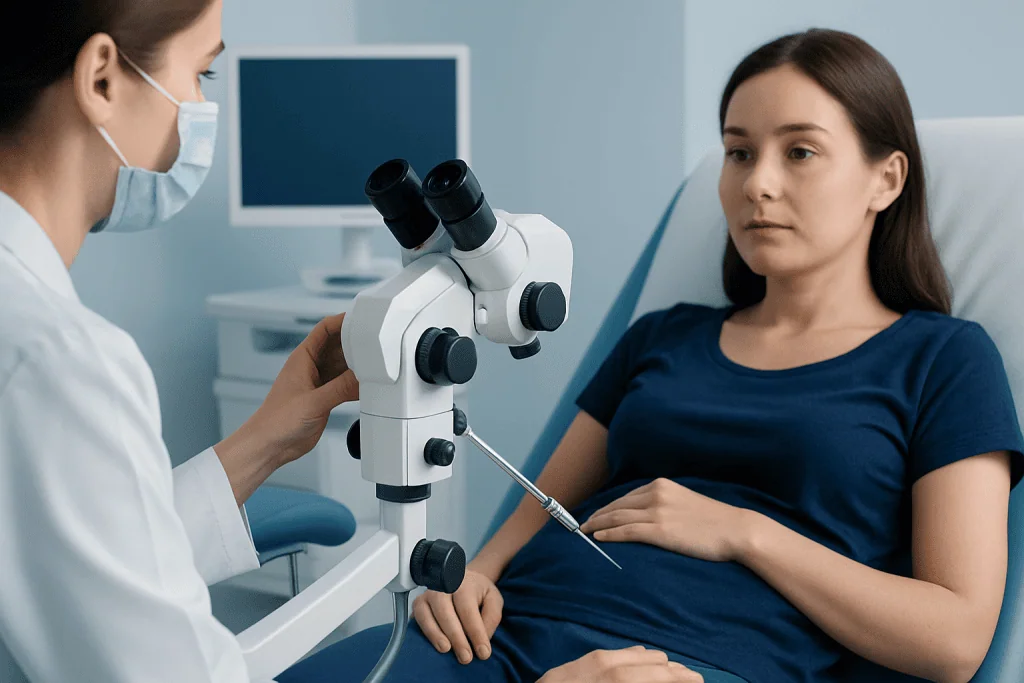
During the biopsy, the patient lies on an examination table as for a pelvic examination. A speculum is placed in the vagina so the cervix can be seen. The cervix is cleaned, and a narrow flexible tube is gently passed through the cervical opening into the uterus. Gentle suction collects a small tissue sample, then the device and speculum are removed.
The tissue-collection step lasts only seconds, although cramping may continue briefly afterward. In some situations, the clinician may need to gently stabilize the cervix or widen the opening. If a sample cannot be obtained in the office, or if pain, cervical narrowing, or other circumstances make the procedure unsuitable, alternatives such as hysteroscopy with sampling may be considered.
What Is the Most Painful Part of an Endometrial Biopsy?
For many people, the most painful part is when the sampling tube passes through the cervix and when suction is applied to obtain tissue from the uterine lining. This may produce a sudden, strong cramp that lasts for a few seconds. Some people also feel discomfort when the speculum is inserted or when the cervix is held steady.
Cramping occurs because the uterus can contract in response to being touched or sampled. Although the sensation can be intense for some patients, it is usually brief. Slow breathing, relaxing the pelvic floor, and being told before each step may help reduce tension and improve comfort.
Patients should not feel that they have to endure severe pain without speaking up. They can ask about pain-management approaches before the appointment, including whether they are appropriate candidates for medicine taken beforehand, local numbing options, or a different setting for the procedure.
Is Endometrial Biopsy More Painful Than a Pap Smear?
In general, an endometrial biopsy is more likely to cause cramping than a Pap smear. A Pap smear involves gently collecting cells from the cervix and is often described as pressure or mild discomfort. An endometrial biopsy reaches through the cervix to collect tissue from inside the uterus, which can trigger uterine cramps.
However, pain is personal and cannot be predicted perfectly. A person who finds pelvic examinations uncomfortable may find either test difficult, while another person may tolerate both with little discomfort. Previous childbirth, cervical procedures, menopause-related vaginal dryness, pelvic conditions, and anxiety can influence the experience.
Sharing concerns before the examination helps the clinician tailor care. They may use a smaller speculum, pause when needed, explain what is happening, and discuss appropriate symptom relief. A patient can also request that the procedure be stopped if they feel unable to continue.
Recovery Timeline, Benefits and Possible Risks
After an uncomplicated office biopsy, most people can return to usual light activities the same day. Mild cramping and light spotting are common for several hours and may last for one or two days. A sanitary pad can be used for spotting; the care team will give individualized instructions about when to resume tampons, intercourse, bathing, exercise, and vaginal medicines.
The main benefit is that the sample can provide direct information about the uterine lining. It may identify hormonal effects, inflammation, benign changes, endometrial hyperplasia, or cancer. This information can guide next steps, such as observation, medication, imaging, hysteroscopy, or referral for specialist care.
Complications are uncommon but can include heavier bleeding, infection, fainting, or rarely injury to the uterus. A biopsy can occasionally provide too little tissue for interpretation, particularly after menopause, and a normal result may not fully explain persistent symptoms. Further testing may still be needed if bleeding continues or the clinician remains concerned.
- Use only pain medicines recommended or approved by the treating clinician.
- Arrange support or avoid driving immediately afterward if the patient tends to faint with procedures.
- Follow the clinic’s specific aftercare instructions, as these may differ according to individual circumstances.
How Long Should You Rest After an Endometrial Biopsy?
Most people do not need bed rest after an endometrial biopsy. They can usually rest briefly at the clinic, then continue normal daily activities as they feel able. Taking it easy for the remainder of the day may be helpful if cramps, lightheadedness, or anxiety persist.
Strenuous exercise and heavy lifting may be postponed for a day if they increase cramping or bleeding, but the treating clinician’s instructions should take priority. Some patients prefer to schedule the procedure when they can go home afterward, particularly if they have had painful gynecologic procedures in the past.
If sedation is used, which is less common for a routine office biopsy, the patient will need a responsible adult to accompany them home and should avoid driving or important decisions for the period advised by the care team.
Results, Cancer Concerns and When to Seek Medical Care
Results are typically reviewed after the laboratory has examined the sample. Timing varies by laboratory and clinic, so patients should ask when and how they will receive their results. Reports may describe normal endometrium, hormonal changes, a benign condition, hyperplasia, atypical cells, cancer, or an insufficient sample.
What percentage of endometrial biopsies come back as cancer? There is no single meaningful percentage for all patients because the likelihood depends greatly on why the biopsy was performed, age, menopausal status, bleeding pattern, ultrasound findings, and personal risk factors. Most biopsies are done to investigate symptoms and do not diagnose cancer, but postmenopausal bleeding and certain risk factors require timely evaluation because cancer needs to be ruled out.
Patients should contact their clinician promptly for heavy bleeding, increasing or severe pelvic pain, fever, chills, foul-smelling discharge, fainting, or symptoms that do not improve. They should also seek medical advice if bleeding continues despite a reassuring biopsy result. Acibadem International’s multidisciplinary specialists and JCI-accredited hospitals support international patients who need evaluation of abnormal uterine bleeding, endometrial conditions, or further gynecologic care.
Frequently asked questions
Can an endometrial biopsy be done during a period?
It may sometimes be possible, but heavy menstrual bleeding can make sampling and interpretation more difficult. The clinician will advise on the best timing based on the reason for the test and the patient's bleeding pattern.
How should a patient prepare for an endometrial biopsy?
The patient should tell the clinician about possible pregnancy, medicines, allergies, bleeding disorders, and previous difficult pelvic procedures. The clinic may give instructions about pain relief, food and drink, vaginal products, and arranging transport if sedation is planned.
Is spotting normal after an endometrial biopsy?
Yes. Light spotting and mild cramping for a short period are common after the procedure. Heavy bleeding, worsening pain, fever, chills, or unpleasant-smelling discharge should be reported promptly.
Can an endometrial biopsy detect all uterine problems?
No. It is useful for examining cells from the uterine lining, but it may not identify every cause of bleeding, particularly focal problems such as some polyps or fibroids. Persistent symptoms can require ultrasound, hysteroscopy, repeat sampling, or other assessment.
What does an insufficient endometrial biopsy result mean?
An insufficient result means there was not enough tissue for the laboratory to make a clear assessment. This does not necessarily indicate a serious condition, but the clinician may recommend repeat sampling or another test depending on symptoms and risk factors.
Can a patient return to work after an endometrial biopsy?
Many people can return to desk work or normal routine activities later the same day. Those with significant cramping, dizziness, physically demanding work, or sedation may need additional time and should follow their clinician's advice.
References
- American College of Obstetricians and Gynecologists
- National Cancer Institute
- Mayo Clinic
- Merck Manual Consumer Version
This article is for general information only and is not a substitute for professional medical advice. Please consult a qualified doctor about your individual situation.
Oncology care in Turkey — second opinion and treatment plan
JCI-accredited · board-certified surgeons · reply within 24h
Add us as a Preferred Source to see more of our trusted health content across Google Search, AI Overviews and Discover.
Check your numbers in seconds
BMI, calories, due date, blood pressure and 30+ more clinical calculators — free, instant, doctor-reviewed ranges.