Is Diarrhea a Sign of Pregnancy? Causes, Explanations, and Next Steps

Diarrhea alone does not usually mean someone is pregnant. Pregnancy hormones can affect digestion, but diarrhea is less typical than nausea, breast tenderness, fatigue, or a missed period.
Key Takeaways
- Diarrhea alone does not usually mean someone is pregnant.
- Pregnancy hormones can affect digestion, but diarrhea is less typical than nausea, breast tenderness, fatigue, or a missed period.
- Most brief episodes are harmless and improve with fluids, rest, and a simple diet.
- Red flags include dehydration, severe pain, fever, blood in the stool, or diarrhea lasting more than a few days.
- A pregnancy test and medical review can help clarify whether symptoms are due to pregnancy or another cause.
Diarrhea can occur in early pregnancy, but it is not considered a reliable or classic sign of pregnancy on its own. In many cases, short-term diarrhea is related to diet, stress, a mild infection, or an existing digestive condition rather than pregnancy itself.
Overview: Can diarrhea be an early sign of pregnancy?
Diarrhea can happen around the time a person first suspects pregnancy, but by itself it is not a dependable sign of pregnancy. Many people with early pregnancy symptoms do not have diarrhea at all, and many people with diarrhea are not pregnant. More common early pregnancy clues include a missed period, nausea, fatigue, breast tenderness, and needing to urinate more often.
That said, digestive changes can occur in pregnancy. Hormonal shifts may affect how the stomach and intestines work, and some people notice bloating, cramping, constipation, or occasionally looser stools. These changes are usually mild. If diarrhea is the main symptom, other explanations such as a stomach virus, food intolerance, stress, medications, or an existing bowel condition are often more likely.
In most cases, a short episode of diarrhea is harmless and settles on its own. The main concern is not whether it confirms pregnancy, but whether it leads to dehydration or is linked to symptoms that need medical attention. If pregnancy is possible, a home pregnancy test or blood test gives a clearer answer than bowel changes do.
How pregnancy may affect digestion
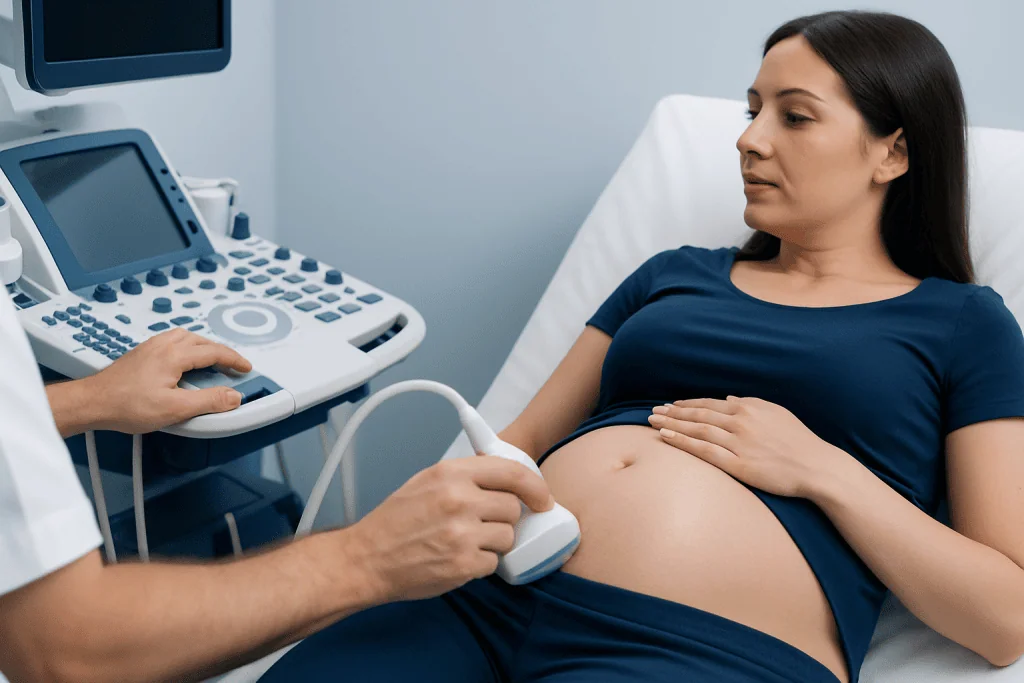
Early pregnancy brings changes in hormones, especially progesterone and human chorionic gonadotropin. These shifts can influence the digestive tract, appetite, and sensitivity to smells and foods. For many people, this leads more often to nausea, indigestion, bloating, or constipation than to diarrhea.
Some people do notice looser stools early on. This may be related to changes in eating patterns, prenatal vitamins, a more sensitive stomach, or a response to stress and anticipation. In later pregnancy, bowel changes may also happen because of diet adjustments, iron supplements, infections, or unrelated digestive illnesses.
It is also important to remember that pelvic cramping can feel similar whether it comes from the uterus or the intestines. Mild abdominal discomfort with diarrhea may be due to the bowel rather than pregnancy itself. If symptoms are ongoing or confusing, a doctor may also consider other digestive problems such as irritable bowel syndrome or temporary gut infections.
Common causes of diarrhea besides pregnancy
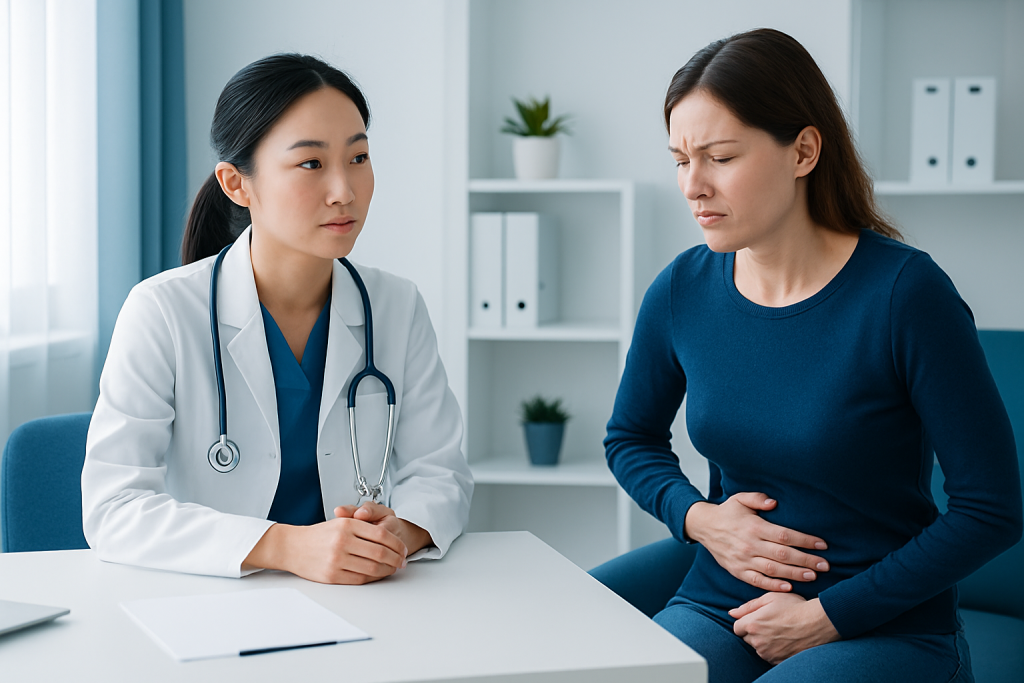
Most diarrhea has a cause unrelated to pregnancy. Viral gastroenteritis, food poisoning, and bacterial infections are common reasons for sudden loose stools. These may come with nausea, vomiting, stomach cramps, or fever and usually improve within a few days.
Food triggers are another frequent cause. Spicy meals, greasy foods, artificial sweeteners, excess caffeine, alcohol, or a new supplement can all upset the intestines. Lactose intolerance and other food sensitivities may also cause bloating, gas, and urgent bowel movements.
Stress and anxiety can affect the gut-brain connection and change bowel habits quickly. This is one reason some people develop diarrhea around an expected period or while waiting to find out if they are pregnant. Certain medicines, including antibiotics, antacids with magnesium, and some herbal products, may also lead to diarrhea.
Longer-lasting or recurrent diarrhea may point to an underlying digestive condition. Depending on the pattern of symptoms, a doctor may think about Crohn's disease, ulcerative colitis, celiac disease, or functional bowel disorders. If the problem is severe or persistent, specialist evaluation such as colonoscopy may sometimes be recommended.
Symptoms that may suggest pregnancy instead
If someone is wondering whether diarrhea means pregnancy, it helps to look at the whole symptom picture. A missed or unusually light period is often one of the earliest clues. Other common early symptoms include tiredness, breast swelling or tenderness, nausea with or without vomiting, food aversions, and frequent urination.
Not everyone has the same symptoms, and some people notice very few signs at first. Mild cramping and light spotting can happen in early pregnancy and may be confused with a period or with bowel cramps. Because symptoms overlap with premenstrual changes, digestive upset alone cannot confirm pregnancy.
The most practical next step is to take a home pregnancy test after a missed period or according to the instructions on the test. If the result is unclear, repeating the test after a few days or having a blood test through a doctor can provide more certainty. If pregnancy is confirmed, care may include an early check-up and, when needed, fertility and pregnancy support tailored to the individual’s situation.
What a doctor may check if diarrhea occurs
When diarrhea happens in someone who may be pregnant, the first step is usually a careful history. A doctor may ask when the symptoms started, how many bowel movements are occurring, whether there is vomiting, fever, blood in the stool, recent travel, sick contacts, new foods, and any medication or supplement use. Menstrual timing and the possibility of pregnancy are also important parts of the discussion.
The next step is to look for signs of dehydration or another urgent problem. These signs include dizziness, dry mouth, very dark urine, reduced urination, rapid heartbeat, severe weakness, or an inability to keep fluids down. Abdominal or pelvic pain may be assessed to help tell the difference between bowel irritation and a gynecologic issue.
Testing depends on the symptoms. A pregnancy test may be recommended if there is any possibility of pregnancy. Some people may need stool tests, blood tests, or imaging if symptoms are severe, prolonged, or accompanied by red flags. If abdominal pain is significant or the diagnosis is uncertain, evaluation in women’s health or gynecology care may be appropriate.
Treatment and self-care for mild diarrhea
For a short, mild episode of diarrhea, the priority is replacing fluids. Small, frequent sips of water, oral rehydration solutions, broth, or other gentle fluids can help prevent dehydration. Eating may be easier once nausea settles, starting with simple foods such as toast, rice, bananas, applesauce, plain crackers, or soup.
It is usually wise to avoid greasy foods, very spicy meals, excess caffeine, and alcohol until the bowel has settled. Rest can also help, especially if symptoms are related to a minor infection or stress. If someone may be pregnant, they should be cautious about taking over-the-counter anti-diarrheal medicines without checking with a pharmacist or doctor first.
If diarrhea keeps coming back, keeping a symptom diary may be useful. Recording meals, stress, supplements, menstrual timing, and associated symptoms can help identify patterns and guide a medical review. When a digestive disorder is suspected, doctors may recommend targeted testing or specialist care such as gastroenterology evaluation.
When to seek medical care
Most diarrhea improves without complications, but some symptoms should not be ignored. Medical advice is important if diarrhea lasts more than a few days, is very frequent, or causes signs of dehydration such as faintness, confusion, dry mouth, or little urine. Fever, blood or black stools, severe abdominal pain, or persistent vomiting also need prompt assessment.
If pregnancy is possible, medical review is especially important when diarrhea is accompanied by significant pelvic pain, heavy bleeding, shoulder pain, or feeling faint. These symptoms do not necessarily mean there is a serious problem, but they should be checked promptly because early pregnancy complications can sometimes mimic stomach upset.
For people with chronic bowel symptoms, weight loss, nighttime diarrhea, or a family history of bowel disease, a fuller work-up may be needed. Multidisciplinary specialists at Acibadem International, including gastroenterology and women’s health teams in JCI-accredited hospitals, diagnose and treat digestive and pregnancy-related concerns for international patients.
Frequently asked questions
Is diarrhea a common early sign of pregnancy?
Diarrhea can happen in early pregnancy, but it is not considered a common or reliable early sign on its own. Symptoms such as a missed period, nausea, fatigue, and breast tenderness are generally more typical.
Can implantation cause diarrhea?
There is no strong evidence that implantation itself usually causes diarrhea. Around the same time, stress, hormonal changes, or unrelated digestive upset may happen and be mistaken for a pregnancy symptom.
How can someone tell if diarrhea is from pregnancy or a stomach bug?
A stomach bug often causes sudden diarrhea along with cramps, nausea, vomiting, fever, or exposure to sick contacts. Pregnancy is better suggested by a missed period and other early pregnancy symptoms, and confirmed with a pregnancy test.
Is diarrhea during pregnancy dangerous?
Mild, short-term diarrhea is often not dangerous, but it can become a problem if it leads to dehydration. Medical advice is important if symptoms are severe, prolonged, or linked to fever, blood in the stool, or strong pain.
What should someone drink if they have diarrhea and might be pregnant?
Water, oral rehydration solutions, broth, and other gentle fluids are usually good choices. Small, frequent sips are often easier to tolerate than large amounts at once, especially if nausea is also present.
Should someone take anti-diarrhea medicine if they think they are pregnant?
It is best to check with a doctor or pharmacist before taking anti-diarrhea medicine when pregnancy is possible. Some medicines may not be appropriate in certain situations, and treatment depends on the cause of the diarrhea.
References
- American College of Obstetricians and Gynecologists
- National Institute of Diabetes and Digestive and Kidney Diseases
- National Health Service
- Mayo Clinic
- World Health Organization
This article is for general information only and is not a substitute for professional medical advice. Please consult a qualified doctor about your individual situation.
Persistent digestive symptoms? Get evaluated in Turkey
JCI-accredited · board-certified surgeons · reply within 24h
Add us as a Preferred Source to see more of our trusted health content across Google Search, AI Overviews and Discover.