Is Neuropathy a Disability? A Doctor-Reviewed Answer

Neuropathy is not automatically a disability; its impact on daily functioning matters most. Mild tingling or numbness is common and often manageable, but persistent or worsening symptoms deserve medical assessment.
Key Takeaways
- Neuropathy is not automatically a disability; its impact on daily functioning matters most.
- Mild tingling or numbness is common and often manageable, but persistent or worsening symptoms deserve medical assessment.
- Urgent review is important for sudden weakness, new trouble walking, loss of bladder or bowel control, or rapidly spreading numbness.
- Doctors assess symptoms, medical history, examination findings, blood tests, and sometimes nerve testing to identify the cause.
- Treatment focuses on addressing the underlying cause, relieving symptoms, preventing injury, and supporting mobility and independence.
Neuropathy can qualify as a disability when its symptoms significantly limit a person’s ability to walk, use their hands, work, or manage everyday activities. However, many people have mild or treatable neuropathy and continue to live independently with appropriate medical care and symptom support.
Is neuropathy a disability?
Neuropathy can be a disability when nerve damage causes substantial, long-term limitations in activities such as walking, balancing, using the hands, working, or caring for oneself. It is not automatically considered a disability simply because a person has tingling, numbness, or nerve pain. The effect on everyday function, the severity of symptoms, and the likelihood of improvement are all important.
Many cases of neuropathy are mild, slowly developing, and manageable. For example, occasional numbness in the feet may be uncomfortable but may not prevent someone from remaining active or independent. With early evaluation, treatment of contributing conditions, foot care, and symptom management, many people can reduce complications and maintain quality of life.
Neuropathy is a broad term for problems affecting the peripheral nerves, which carry messages between the brain, spinal cord, skin, muscles, and internal organs. It may affect sensation, movement, automatic body functions, or a combination of these. The most common form, peripheral neuropathy, often begins in the toes and feet and may later involve the hands.
How neuropathy may affect daily life and disability status
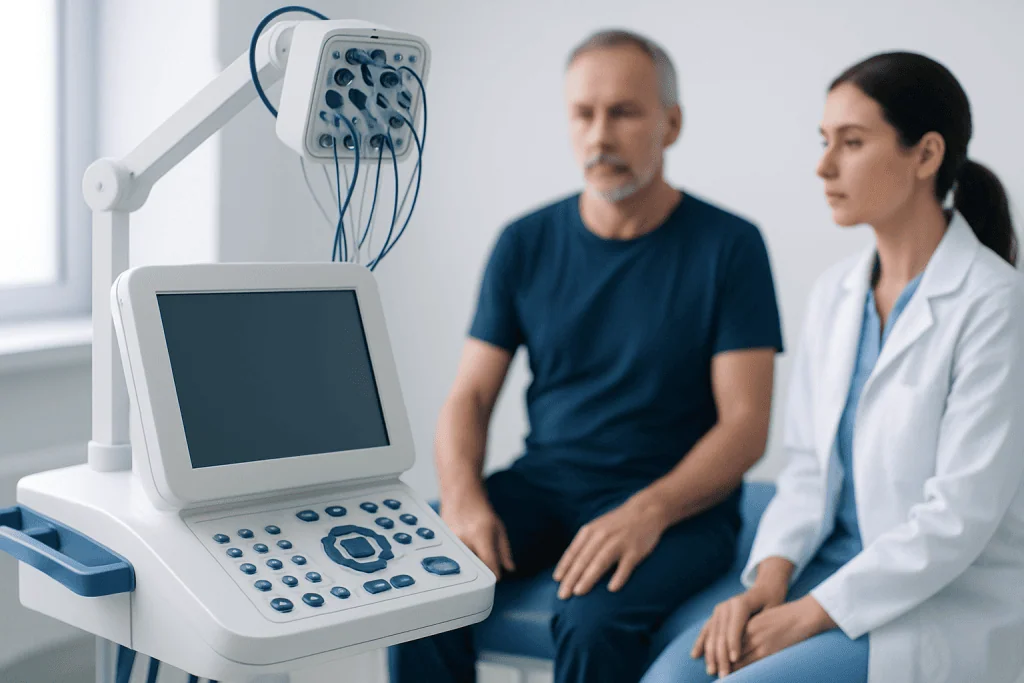
Whether neuropathy is disabling depends on what a person can do safely and consistently, rather than on a diagnosis alone. Numbness can make it difficult to feel the ground, detect injuries, button clothing, type, cook safely, or judge water temperature. Pain, burning, and electric-shock sensations may disturb sleep, concentration, and mood.
Motor nerve involvement can lead to muscle weakness, foot drop, reduced grip strength, or difficulty rising from a chair. Balance problems can increase the risk of falls, especially in dim light or on uneven ground. Autonomic neuropathy may affect blood pressure, sweating, digestion, bladder function, or sexual function, which can also interfere with daily activities.
For employment, the relevant question is often whether symptoms limit essential job tasks. Standing for long periods, driving, climbing stairs, operating machinery, precise hand work, or walking on slippery surfaces may be harder for some people. Eligibility for workplace accommodations, insurance benefits, or government disability programs depends on local laws and individualized medical and functional assessment.
- Symptoms alone do not determine disability status.
- Documented functional limitations are usually central to formal assessments.
- Symptoms may improve when an underlying cause is treated.
- Rehabilitation and workplace adjustments can help preserve independence.
Symptoms that deserve medical attention

Neuropathy symptoms often develop gradually. Common early concerns include pins and needles, burning discomfort, reduced feeling, sensitivity to touch, cramps, or a sensation of wearing socks or gloves when none are present. Symptoms frequently begin on both sides of the body, particularly in the feet, although patterns vary depending on the cause.
A medical review is appropriate when numbness, pain, weakness, or balance changes persist, recur, worsen, or affect sleep and normal activities. Assessment is especially important for people with diabetes, kidney disease, thyroid disease, autoimmune conditions, nutritional problems, a history of cancer treatment, heavy alcohol use, or exposure to certain medicines or toxins.
Some symptoms need prompt attention. New or rapidly progressing weakness, sudden inability to walk safely, symptoms affecting one side of the body, severe back or neck pain with weakness, loss of bladder or bowel control, fainting, or breathing or swallowing difficulty should be assessed urgently. These signs may indicate a problem other than routine peripheral neuropathy and should not be ignored.
Common causes and risk factors
Diabetes is one of the most common causes of peripheral neuropathy. Persistently elevated blood glucose can gradually damage nerves and the small blood vessels that support them. Other metabolic conditions, including thyroid disorders and kidney disease, may also affect nerve health. Diabetes management is therefore an important part of preventing or slowing nerve complications for affected individuals.
Other possible causes include vitamin deficiencies, particularly vitamin B12 deficiency; alcohol-related nerve injury; autoimmune or inflammatory disorders; infections; inherited nerve conditions; and certain medications, including some cancer treatments. Nerve compression, such as carpal tunnel syndrome, can cause localized neuropathy in a specific area rather than the more widespread pattern seen in peripheral neuropathy.
In some people, no cause is identified despite appropriate testing. This is sometimes called idiopathic neuropathy. Even in these cases, clinical care can address pain, fall prevention, foot protection, sleep disruption, and functional changes. Finding the cause remains worthwhile because some forms are reversible or need specific treatment.
How doctors evaluate neuropathy
A doctor begins by asking when symptoms started, where they occur, whether they are progressing, and how they affect mobility, hand function, sleep, and work. Medical history may include questions about diabetes, alcohol intake, diet, medications, family history, infections, surgeries, and past treatments such as chemotherapy.
The physical examination commonly checks reflexes, muscle strength, coordination, walking pattern, balance, and the ability to feel light touch, vibration, temperature, and pinprick. The clinician may also inspect the feet and skin for unnoticed cuts, pressure areas, ulcers, swelling, or changes in circulation.
Blood tests can help identify conditions such as diabetes, vitamin deficiency, thyroid disease, kidney or liver problems, inflammation, and some immune-related causes. When needed, nerve conduction studies and electromyography assess how well nerves and muscles transmit electrical signals. Imaging, genetic testing, spinal fluid testing, or a nerve biopsy are used only in selected situations.
The diagnostic process is also a functional assessment. A clinician may document walking distance, falls, need for mobility aids, hand dexterity, and the ability to perform work or self-care tasks. This information helps guide treatment and may be useful if formal disability or accommodation documentation is needed.
Treatment, rehabilitation, and practical support
Treatment depends on the cause and symptoms. Controlling blood glucose, correcting a nutritional deficiency, changing a contributing medication when medically appropriate, treating an inflammatory condition, or reducing alcohol intake may help prevent further nerve damage. Not every type of neuropathy can be reversed, but many people benefit from a structured plan to reduce symptoms and protect function.
Clinicians may recommend medicines for nerve pain when appropriate, alongside non-drug approaches such as physiotherapy, occupational therapy, graded exercise, and sleep support. Physical therapy and rehabilitation can improve strength, balance, mobility, and confidence with daily movement. Occupational therapy may help with hand function, adaptive tools, energy conservation, and safer ways to complete routine tasks.
Foot care is particularly important when sensation is reduced. People should check their feet regularly, wear well-fitting shoes, avoid walking barefoot, and seek care for blisters, cuts, redness, swelling, or wounds that do not heal. A clinician may recommend podiatry support, a walking aid, or footwear adjustments when balance or pressure injuries are concerns.
For international patients, Acibadem International’s multidisciplinary specialists and JCI-accredited hospitals can evaluate neuropathy and coordinate neurological care, rehabilitation, and management of underlying medical conditions.
When to seek medical care
It is sensible to arrange a non-urgent medical appointment for ongoing tingling, numbness, burning pain, reduced sensation, unexplained weakness, or repeated balance problems. Early assessment can identify treatable causes and reduce the chance of falls, skin injuries, and worsening symptoms. A review is also advisable if neuropathy is affecting work, driving, sleep, exercise, or emotional well-being.
Seek urgent medical attention for rapidly worsening weakness, sudden severe symptoms, new facial weakness or speech difficulty, inability to walk safely, loss of bladder or bowel control, fainting, chest pain, shortness of breath, or difficulty swallowing. These symptoms may require urgent evaluation because they can have causes beyond peripheral neuropathy.
People with reduced feeling in their feet should contact a clinician promptly for a foot wound, spreading redness, warmth, drainage, blackened skin, or fever. Small injuries can go unnoticed when sensation is impaired, so timely care is protective and reassuring.
Frequently asked questions
Does having neuropathy automatically mean someone is disabled?
No. A neuropathy diagnosis does not automatically mean a person is disabled. Disability is generally based on how much symptoms limit major daily activities, safety, independence, or the ability to perform work-related tasks.
Can neuropathy improve over time?
It can improve in some situations, particularly when an underlying cause is identified and treated early, such as a vitamin deficiency or uncontrolled diabetes. In other cases, nerve damage may be long-lasting, but symptoms and function can often still be improved with treatment and rehabilitation.
What type of neuropathy is most likely to affect walking?
Neuropathy affecting the feet and legs may impair walking by reducing sensation, causing pain, weakening muscles, or affecting balance. Foot drop and severe numbness can make uneven surfaces and stairs more difficult, so a medical assessment is important.
How is neuropathy documented for disability or workplace accommodations?
A clinician may document the diagnosis, likely cause, examination findings, test results, treatment plan, and specific functional limitations. Examples include walking tolerance, falls, hand weakness, reduced sensation, pain-related sleep disruption, or the need for task modifications. Requirements differ between employers, insurers, and government programs.
When is numbness in the feet an emergency?
Gradual numbness is usually not an emergency, but it should be assessed if it persists or worsens. Urgent care is needed if numbness begins suddenly, progresses rapidly, occurs with new weakness, affects walking, or is accompanied by bladder or bowel changes, speech problems, or facial weakness.
Can exercise help people with neuropathy?
Appropriate exercise may support strength, balance, circulation, mobility, and overall health. The safest type and intensity depend on symptoms, fall risk, foot sensation, and the underlying condition, so a doctor or physiotherapist can provide individualized guidance.
This article is for general information only and is not a substitute for professional medical advice. Please consult a qualified doctor about your individual situation.
Explore treatments in Turkey — costs, top hospitals & a free quote
JCI-accredited · board-certified surgeons · reply within 24h
Add us as a Preferred Source to see more of our trusted health content across Google Search, AI Overviews and Discover.
Check your numbers in seconds
BMI, calories, due date, blood pressure and 30+ more clinical calculators — free, instant, doctor-reviewed ranges.

More from the Health Library

Is Kiwi Good for You? Here Is What the Evidence Says

How to Track Calories? Causes, Explanations, and Next Steps

How to Increase Milk Supply? Causes, Explanations, and Next Steps

Why Does My Stomach Hurt During Sex Female? Here Is What the Evidence Says

Menstrual Cycle Stages Symptoms Explained: Common Triggers and Red Flags