

Head Pain and Neck Stiffness: Possible Causes and When to Seek Care

Head pain and neck stiffness are common symptoms with causes ranging from muscle strain to migraine, infection, or less common emergencies. The pattern of symptoms matters: fever, confusion, rash, weakness, vision changes, or a sudden severe headache require urgent attention.
Key Takeaways
- Head pain and neck stiffness are common symptoms with causes ranging from muscle strain to migraine, infection, or less common emergencies.
- The pattern of symptoms matters: fever, confusion, rash, weakness, vision changes, or a sudden severe headache require urgent attention.
- Doctors diagnose the cause by reviewing symptoms, examining the neck and nervous system, and sometimes ordering blood tests or imaging.
- Treatment depends on the cause and may include rest, hydration, posture changes, physical therapy, migraine care, or urgent hospital treatment.
- Most mild cases improve with conservative care, but persistent or worsening symptoms should be assessed by a qualified clinician.
Head pain and neck stiffness often result from common problems such as muscle tension, poor posture, migraine, or a minor viral illness. However, when these symptoms are severe, sudden, associated with fever or neurological changes, or follow an injury, prompt medical evaluation is important.
Overview
Head pain and neck stiffness can happen together for several reasons. In many people, the cause is not dangerous and may be related to muscle tension, poor sleeping position, stress, prolonged screen use, or a common headache disorder. In other cases, the combination may point to an infection, inflammation, or a problem involving the spine, nerves, or blood vessels.
Because these symptoms can overlap across many conditions, the full picture matters more than any one symptom alone. Doctors consider how the pain started, where it is felt, whether fever or nausea is present, and whether there are warning signs such as confusion, weakness, fainting, or a sudden “worst headache” feeling.
People often use terms like headache, head pressure, stiff neck, or neck pain interchangeably, but these sensations can reflect different body systems. A tight neck muscle can trigger pain that spreads upward into the scalp, while certain headaches can cause neck discomfort as part of the attack.
A careful assessment helps separate common, manageable causes from situations needing urgent treatment. For patients with recurring or disabling symptoms, evaluation may also help identify migraine, cervical spine problems, or another treatable condition such as migraine.
How These Symptoms Feel
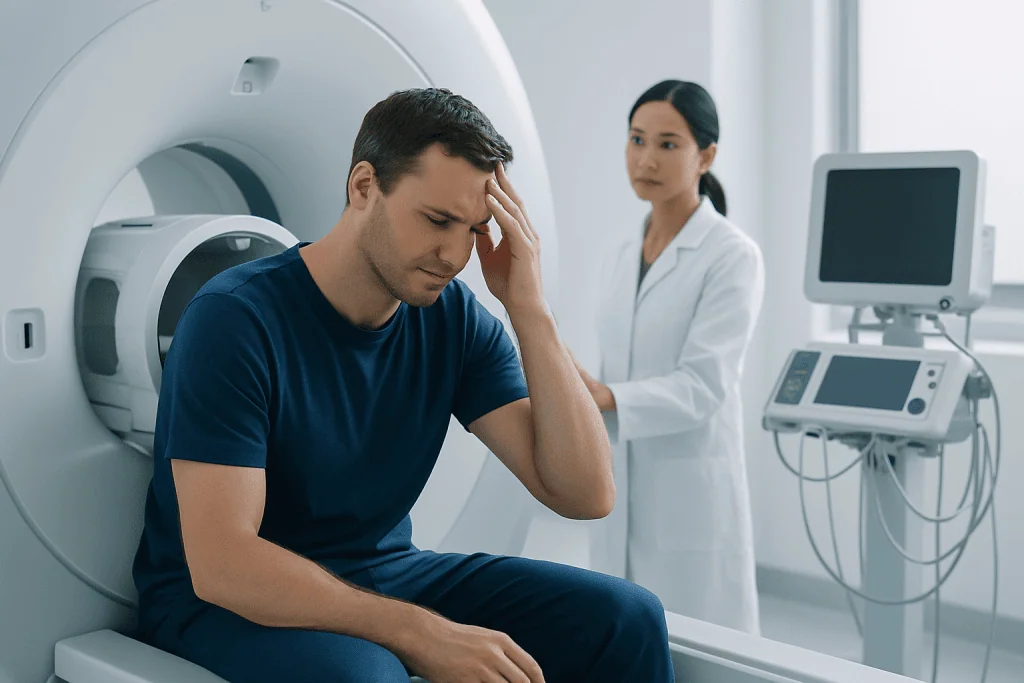
Head pain and neck stiffness can vary in intensity and quality. Some people feel a dull band-like pressure around the head with tightness in the shoulders and neck. Others describe throbbing head pain with neck soreness, sensitivity to light, nausea, or worsening pain during activity.
Neck stiffness may mean different things. It can be simple tightness with reduced ability to turn the head, or it can be true rigidity, where bending the neck forward becomes very painful or difficult. True neck rigidity is more concerning when it appears together with fever, severe headache, or marked illness.
Associated symptoms can offer clues. Muscle-related problems often worsen after poor posture, stress, travel, or long hours at a desk. Migraine may come with light sensitivity, sound sensitivity, visual changes, or vomiting. Infection may cause fever, body aches, and significant fatigue.
- Tension or pressure-type head pain
- Throbbing or one-sided pain
- Neck tightness, soreness, or limited movement
- Pain triggered by movement or posture
- Nausea, sensitivity to light, or dizziness
- Fever, rash, confusion, or weakness in more urgent cases
Possible Causes

One of the most common causes of head pain and neck stiffness is muscle strain. This can happen after sleeping awkwardly, carrying stress in the shoulders, using a phone or computer for long periods, or overexerting the neck. The muscles at the base of the skull can become tight and tender, producing pain that radiates into the head.
Headache disorders are another frequent cause. Tension-type headache often causes a pressure sensation with neck and scalp tightness. Migraine can also involve neck pain or stiffness before or during the headache, and some people mistakenly think the neck problem is the main cause when it is actually part of the migraine process.
Conditions affecting the cervical spine may also lead to these symptoms. Wear-and-tear changes, inflamed joints, disc problems, or nerve irritation can cause pain in the neck that spreads upward. In selected cases, a doctor may investigate neck-related headache patterns or symptoms linked to cervical disc herniation.
Less common but more serious causes include meningitis, bleeding around the brain, severe uncontrolled high blood pressure, arterial dissection, or complications after head and neck trauma. These causes are not the most likely in most otherwise well people, but they are important to recognize because they need rapid medical care.
Risk Factors and Warning Signs
Several factors make benign causes more likely. These include poor posture, repetitive desk work, stress, teeth clenching, lack of sleep, dehydration, and a personal history of headaches. Recent travel, carrying heavy bags, sports strain, or sleeping in an unusual position can also contribute.
At the same time, some features raise concern for a more serious problem. A sudden severe headache that peaks within minutes, especially if unlike any previous headache, should never be ignored. The same is true for head pain and neck stiffness after a fall, car accident, or sports injury.
Warning signs also include fever, a widespread rash, confusion, fainting, seizures, weakness, numbness, difficulty speaking, double vision, severe vomiting, or significant sensitivity to light. Pain with a stiff neck in someone who appears very unwell needs prompt assessment.
People with weakened immunity, cancer, recent surgery, blood clotting disorders, or pregnancy may need earlier evaluation. Older adults and young children can also present differently, so persistent symptoms in these groups deserve careful medical attention.
How Doctors Diagnose the Cause
Diagnosis begins with a detailed history. A clinician will ask when the symptoms started, how quickly they developed, whether they have happened before, and what other symptoms are present. They may ask about recent infections, injuries, medications, posture, stress, and any past history of migraine or neck disease.
The physical examination typically includes checking temperature and other vital signs, assessing neck movement, feeling for muscle tenderness, and performing a neurological exam. The clinician may look for weakness, sensation changes, coordination problems, visual symptoms, or signs that suggest irritation of the meninges.
Not everyone needs tests. If symptoms clearly fit a mild muscle strain or a typical recurring headache pattern, conservative treatment may be appropriate. If warning signs are present, doctors may order blood tests, a CT scan, or MRI to look for causes involving the brain, blood vessels, or spine. In selected situations, MRI helps assess soft tissues, nerves, and structures in the neck and head.
When infection such as meningitis is suspected, urgent hospital evaluation is needed. Depending on the situation, doctors may recommend additional testing to confirm the diagnosis and start treatment quickly. If ongoing symptoms suggest a structural neck issue, further assessment by specialists in neurosurgery or spine care may be appropriate.
Treatment Options
Treatment depends entirely on the cause. For muscle tension or posture-related discomfort, first-line care often includes rest, hydration, gentle movement, heat or cold, ergonomic adjustments, and nonprescription pain relief if appropriate for the individual. Stretching and activity modification can help reduce repeated strain.
When a primary headache disorder is responsible, treatment may focus on identifying triggers and using headache-specific care. This can include lifestyle measures, acute medications prescribed by a doctor, and preventive strategies for frequent episodes. If symptoms suggest a pattern related to cluster headache or another neurological headache disorder, specialist review may be needed.
If neck joints, discs, or nerves are involved, management may include physical therapy, posture training, or rehabilitation-based treatment. Selected patients benefit from physical therapy and rehabilitation to improve mobility, strengthen supporting muscles, and reduce recurrence.
Urgent causes require urgent treatment. Bacterial meningitis is treated in the hospital with prompt antibiotics and supportive care. Bleeding, vascular problems, or significant trauma may need emergency imaging, intensive monitoring, or procedures. Near the end of the care pathway, some patients may be evaluated in specialized neurology clinics. Acibadem International’s multidisciplinary specialists and JCI-accredited hospitals diagnose and treat patients with these symptoms, including international patients who need coordinated evaluation.
Self-Care and Prevention
Many episodes related to strain or tension can be reduced with simple habits. Regular posture breaks, especially during computer or phone use, can lessen pressure on the neck and upper back. A supportive sleeping position and attention to pillow height may also help prevent waking with pain and stiffness.
Hydration, regular meals, adequate sleep, and stress management are also important because dehydration, fatigue, and muscle tension can make both neck discomfort and headaches worse. Gentle shoulder and neck mobility exercises may be useful, but they should not be forced if pain is sharp or severe.
People who have recurring headaches may benefit from keeping a symptom diary. Recording timing, triggers, associated symptoms, menstrual pattern, caffeine intake, screen time, and sleep changes can help a doctor identify whether the episodes fit migraine, tension headache, or another pattern.
Self-care is not a substitute for medical assessment when symptoms are persistent, unusual, or severe. It is best to avoid repeated self-treatment if the cause is unclear or if symptoms are interfering with work, sleep, or daily function.
When to Seek Medical Care
Medical care is recommended if head pain and neck stiffness are new, severe, recurring, or not improving after a short period of rest and self-care. A clinician should also evaluate symptoms that interfere with sleep, daily activities, or neck movement, or that come with nausea, visual changes, or repeated vomiting.
Urgent care is needed right away if there is high fever, confusion, fainting, seizure, a widespread rash, weakness, numbness, trouble speaking, double vision, or a sudden explosive headache. These features can point to meningitis, bleeding, stroke-related conditions, or another emergency.
Head pain and neck stiffness after an accident, sports injury, or sudden neck movement also deserve prompt assessment, especially if the person feels dizzy, has severe pain, or develops neurological symptoms. Babies, older adults, pregnant patients, and people with weakened immune systems should seek advice earlier because symptoms can be less typical.
When in doubt, it is safest to contact a qualified doctor or emergency service for guidance. Early evaluation can provide reassurance in minor cases and speed treatment when a more serious cause is present.
Frequently asked questions
Can head pain and neck stiffness be caused by stress?
Yes. Stress can tighten the muscles of the scalp, neck, and shoulders, leading to tension-type head pain and a stiff or sore neck. However, if symptoms are severe, unusual, or accompanied by fever or neurological changes, a doctor should evaluate them.
Is a stiff neck with headache always meningitis?
No. Most people with headache and neck stiffness do not have meningitis, and common causes such as muscle strain or migraine are much more frequent. Meningitis becomes more concerning when there is fever, marked illness, confusion, rash, or strong pain when bending the neck.
How do migraine and neck problems differ?
Migraine often causes throbbing head pain, nausea, and sensitivity to light or sound, and neck discomfort can be part of the attack. Neck-related pain is more likely to worsen with posture or certain movements and may be associated with local tenderness or reduced range of motion. Sometimes the two overlap, which is why a clinical evaluation can help.
When should someone go to the emergency room for head pain and neck stiffness?
Emergency care is appropriate for a sudden severe headache, high fever, confusion, fainting, seizures, weakness, trouble speaking, double vision, rash, or symptoms after significant injury. These features may signal a serious condition that needs immediate assessment.
Can poor posture really cause both headache and neck stiffness?
Yes. Long periods of screen use, forward head posture, or sleeping awkwardly can strain muscles and joints in the neck. This may trigger pain that travels into the back of the head, temples, or forehead.
What can be done at home for mild symptoms?
For mild symptoms without warning signs, people often benefit from rest, hydration, posture correction, gentle movement, and short-term use of suitable over-the-counter pain relief if advised by a clinician or pharmacist. Heat or cold may also help. If symptoms persist, recur often, or become more intense, medical advice is important.
References
- World Health Organization
- Centers for Disease Control and Prevention
- National Institute of Neurological Disorders and Stroke
- Mayo Clinic
- American Academy of Neurology
This article is for general information only and is not a substitute for professional medical advice. Please consult a qualified doctor about your individual situation.
Joint and spine care in Turkey — expert assessment & treatment
JCI-accredited · board-certified surgeons · reply within 24h
Add us as a Preferred Source to see more of our trusted health content across Google Search, AI Overviews and Discover.
Check your numbers in seconds
BMI, calories, due date, blood pressure and 30+ more clinical calculators — free, instant, doctor-reviewed ranges.

More from the Health Library



Related Specialists

Dt. Sidika Yaşar
Dentistry
Dr. Seda Saygılı Özaydın
Oral & Dental Health
Assoc. Prof. Dr. Hatice Gamze Demirdağ
Dermatology
Dr. Yalda Kargar
Inpatient Clinic Physicians Clinical Service