Is Prostate Cancer Curable?

Many cases of prostate cancer are curable, particularly when diagnosed at an early stage. The chance of cure depends on the cancer stage, grade, PSA level, and overall health.
Key Takeaways
- Many cases of prostate cancer are curable, particularly when diagnosed at an early stage.
- The chance of cure depends on the cancer stage, grade, PSA level, and overall health.
- Treatment may include active surveillance, surgery, radiation therapy, hormone therapy, or other medicines.
- Some slow-growing prostate cancers may not need immediate treatment.
- Advanced prostate cancer may not always be curable, but it is often manageable for a long time with specialist care.
Prostate cancer is often highly treatable, and many men can be cured, especially when the disease is found early and remains limited to the prostate. Even when cure is not possible, modern treatments can often control the cancer for years while helping maintain quality of life.
Overview: Can Prostate Cancer Be Cured?
For many patients, the answer is yes: prostate cancer can often be cured. Cure is most likely when the cancer is found early, before it has spread beyond the prostate gland. In these situations, treatment may remove or destroy all visible cancer, and follow-up tests may show no sign of disease returning.
However, prostate cancer is not the same for everyone. Some tumors grow very slowly and may never cause major health problems, while others are more aggressive and need prompt treatment. Doctors look at several factors to estimate whether a cancer is likely to be curable, including the stage, Gleason grade group, PSA blood test level, imaging results, and biopsy findings.
Even when prostate cancer has spread outside the prostate, the outlook may still be better than many people expect. Although advanced disease is less likely to be cured, it can often be controlled for long periods with medicines, radiation, and other therapies. This means many men continue daily activities and live meaningful, active lives during treatment.
What Affects the Chance of Cure?
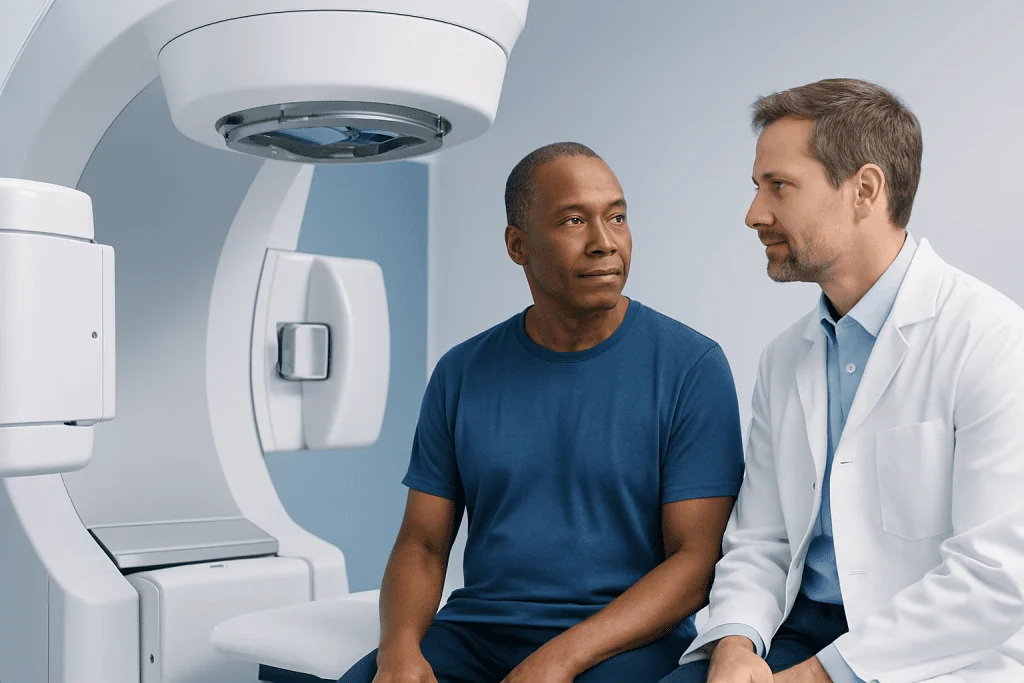
The stage of prostate cancer is one of the most important factors. Localized prostate cancer, which is limited to the prostate, has the highest chance of cure. Cancer that has spread to nearby tissues or lymph nodes may still sometimes be treated with curative intent, but treatment is usually more complex. Once the cancer has spread to distant parts of the body, such as bones, treatment usually focuses on long-term control rather than cure.
The grade of the cancer also matters. A biopsy helps show how abnormal the cancer cells look under a microscope. Lower-grade cancers tend to grow more slowly, while higher-grade cancers are more likely to grow and spread faster. PSA level, the amount of prostate-specific antigen in the blood, also helps doctors understand how active the disease may be, although PSA alone does not give the full picture.
Age, general health, and personal priorities are also important. Some men are healthy enough to benefit from surgery or combined treatment, while others may do better with less intensive treatment or close monitoring. Decisions are individualized, and a careful discussion with a urologist, radiation oncologist, and medical oncologist can help patients understand both the benefits and limits of each option.
Symptoms and How Prostate Cancer Is Found
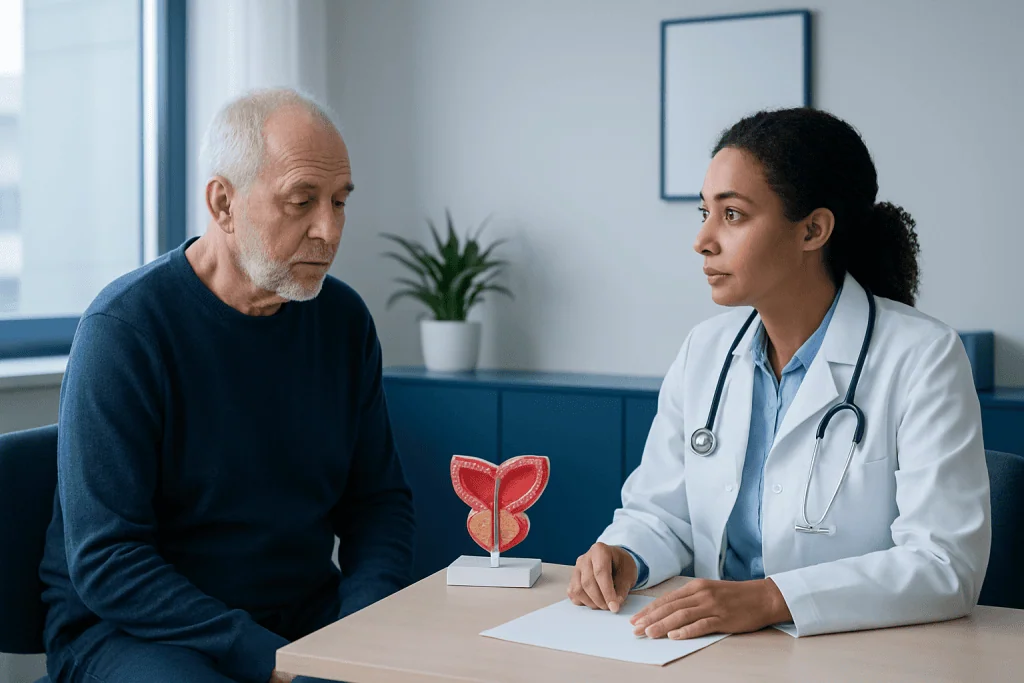
Early prostate cancer often causes no symptoms at all. Many cases are found after an elevated PSA test or an abnormal digital rectal exam. When symptoms do occur, they may overlap with common noncancerous prostate conditions such as benign prostate enlargement. This is one reason why symptoms alone cannot confirm or rule out cancer.
Possible symptoms can include:
- Frequent urination, especially at night
- Difficulty starting or stopping urination
- Weak urine flow
- Blood in the urine or semen
- Pain with urination or ejaculation
- Persistent pain in the back, hips, or bones in more advanced cases
These symptoms do not automatically mean prostate cancer is present. Infections, inflammation, and age-related prostate enlargement are also common causes. Still, new urinary symptoms, blood in urine, or ongoing bone pain should be assessed by a doctor so the cause can be identified and treated appropriately.
How Doctors Diagnose and Stage Prostate Cancer
Diagnosis usually begins with a medical history, physical examination, and PSA blood test. If the PSA is elevated or the prostate exam is abnormal, the next steps may include imaging and a prostate biopsy. A biopsy is the test that confirms whether cancer cells are present. Many centers now use MRI to help target suspicious areas and improve biopsy accuracy.
After diagnosis, staging shows how far the cancer has spread. This may involve MRI, CT, bone scan, or newer molecular imaging in selected cases. Doctors combine these results with the biopsy grade group and PSA level to classify the cancer as low, intermediate, or high risk. This risk grouping helps guide whether treatment is likely to be curative and which approach may work best.
Accurate staging matters because treatment for localized disease differs greatly from treatment for advanced disease. Some patients may be offered surgery, such as robotic prostatectomy, while others may be better suited to radiation therapy or careful observation. A clear diagnosis helps avoid overtreatment in low-risk cancers and undertreatment in aggressive cancers.
Treatment Options: When Cure Is the Goal
For localized prostate cancer, treatment may aim to cure the disease completely. Common curative approaches include surgery to remove the prostate and radiation therapy directed at the gland. In selected patients, either approach may offer excellent long-term cancer control. The best choice depends on the cancer features, age, overall health, and personal preferences about side effects and recovery.
Not every man with early prostate cancer needs immediate treatment. Some low-risk cancers can be managed with active surveillance, which means regular PSA tests, repeat imaging, and sometimes repeat biopsy. This approach avoids or delays treatment side effects while still allowing treatment if the cancer shows signs of becoming more active. Active surveillance is different from ignoring the cancer; it is a structured medical plan.
For higher-risk localized or locally advanced disease, combination treatment may be recommended. This can include radiation plus hormone therapy to lower testosterone, which helps slow cancer growth. In some situations, surgery may be followed by radiation or other treatment if test results suggest a higher chance of recurrence. The goal is to improve the chance of cure while balancing quality of life.
Potential side effects vary by treatment and may include urinary leakage, erectile dysfunction, bowel changes, fatigue, and hot flashes. These effects do not affect everyone in the same way, and many improve over time or can be treated. Patients often benefit from asking about pelvic floor rehabilitation, sexual health support, and follow-up care before starting treatment.
If Prostate Cancer Is Advanced, Is It Still Treatable?
Yes. Advanced prostate cancer may be less likely to be cured, but it is still very treatable. Many patients live for years with good symptom control and ongoing adjustment of therapy. Treatment plans often focus on shrinking or slowing the cancer, relieving symptoms, protecting bone health, and maintaining daily function.
Common treatments for advanced disease include hormone therapy, newer hormone-blocking medicines, chemotherapy, and radiation to specific painful areas if needed. Some patients may also benefit from targeted approaches or clinical trials, depending on the cancer’s features and prior treatments. For men whose disease has spread, doctors monitor symptoms, PSA trends, and imaging closely to decide when to change therapy.
The emotional impact of advanced cancer can be significant, but support is available. Palliative care, which focuses on symptom relief and quality of life, can be helpful at any stage and is not the same as end-of-life care. In experienced centers, multidisciplinary teams help patients manage pain, fatigue, sleep problems, sexual concerns, and treatment side effects while continuing cancer therapy.
After Treatment: Follow-Up, Self-Care, and When to See a Doctor
After treatment, regular follow-up is important to look for signs that the cancer has returned and to manage side effects. PSA testing is a key part of this follow-up. After prostate removal, PSA usually becomes very low or undetectable. After radiation, PSA often falls more gradually. Doctors interpret these results in the context of the treatment received and the patient’s overall situation.
Self-care can support recovery and long-term health. Helpful steps include staying physically active, following a balanced diet, avoiding tobacco, limiting alcohol, maintaining a healthy weight, and taking medicines as prescribed. Men dealing with urinary leakage or sexual changes should discuss these openly, because pelvic floor therapy, medications, devices, and counseling may improve quality of life.
A doctor should be contacted if there is new bone pain, unexplained weight loss, worsening urinary blockage, blood in the urine, severe treatment side effects, or rising anxiety about symptoms or test results. A second opinion can also be valuable when choices are complex. At the end of the care pathway, patients may wish to know that Acibadem International’s multidisciplinary specialists in JCI-accredited hospitals diagnose and treat prostate cancer for international patients using individualized treatment planning.
Frequently asked questions
Is prostate cancer curable if found early?
In many cases, yes. Prostate cancer that is confined to the prostate gland often has a very good chance of cure with surgery, radiation therapy, or, in carefully selected cases, other localized treatments. Early diagnosis and appropriate follow-up are important.
Can someone live a normal life after prostate cancer treatment?
Many men do return to normal or near-normal daily life after treatment. Recovery can take time, and some people experience urinary, sexual, or bowel side effects, but support and treatment are available. Follow-up care helps address these issues and monitor long-term health.
Does every prostate cancer need treatment right away?
No. Some low-risk prostate cancers grow so slowly that immediate treatment may not be necessary. In these cases, doctors may recommend active surveillance with regular tests so treatment can begin if the cancer changes.
Is advanced prostate cancer ever curable?
Once prostate cancer has spread to distant parts of the body, it is usually not considered curable. However, it can often be controlled for a long time with modern therapies. Many patients continue treatment while maintaining good quality of life.
What is the best treatment for prostate cancer?
There is no single best treatment for everyone. The right option depends on the cancer stage and grade, PSA level, age, overall health, and personal preferences. A specialist team can explain the benefits and side effects of each approach.
How do doctors know if prostate cancer has come back?
PSA testing is the main tool used to monitor for recurrence after treatment. If PSA rises in a concerning pattern, doctors may order imaging tests and review symptoms to look for signs of returning cancer. Not every PSA change means the cancer is back, so interpretation should be done by a specialist.
References
- World Health Organization
- American Cancer Society
- National Cancer Institute
- European Association of Urology
- National Comprehensive Cancer Network
This article is for general information only and is not a substitute for professional medical advice. Please consult a qualified doctor about your individual situation.
Prostate Cancer in Turkey — costs, top hospitals & a free quote
JCI-accredited · board-certified surgeons · reply within 24h
Add us as a Preferred Source to see more of our trusted health content across Google Search, AI Overviews and Discover.