

Is There Treatment for Leukemia: How It Works, Results and What to Expect

Leukemia treatment is individualized according to the leukemia subtype, disease behavior and patient factors. Options can include chemotherapy, targeted therapy, immunotherapy, radiation therapy and stem cell transplantation.
Key Takeaways
- Leukemia treatment is individualized according to the leukemia subtype, disease behavior and patient factors.
- Options can include chemotherapy, targeted therapy, immunotherapy, radiation therapy and stem cell transplantation.
- Many people reach remission, and some types of leukemia can be cured; others are managed as long-term conditions.
- Response and life expectancy vary widely, so personal prognosis should be discussed with the treating hematology team.
- Regular follow-up, infection prevention and attention to emotional wellbeing are important parts of care.
Yes, there is treatment for leukemia. Depending on the leukemia type, its genetic features, a person's age and overall health, treatment may aim to cure the disease, achieve long-term remission, or control it safely over time.
Overview: Is There Treatment for Leukemia?
Is there treatment for leukemia? Yes. Leukemia can be treated with several approaches, and many people achieve remission, meaning that leukemia cells are no longer detectable with standard tests and symptoms have improved. In some cases, treatment can be curative; in others, it can keep the disease under control for many years.
Leukemia is a cancer of blood-forming tissues, most often involving the bone marrow and white blood cells. It is not one single disease. Acute leukemias usually develop quickly and generally need prompt treatment, while chronic leukemias may progress more slowly and can sometimes be monitored before treatment is needed.
A hematologist-oncologist selects care based on whether the leukemia is acute or chronic, lymphocytic or myeloid, as well as chromosome and gene findings, blood counts, symptoms, prior treatment and general health. Treatment planning is therefore highly individual, and outcomes cannot be predicted from the diagnosis name alone.
How Leukemia Treatment Works
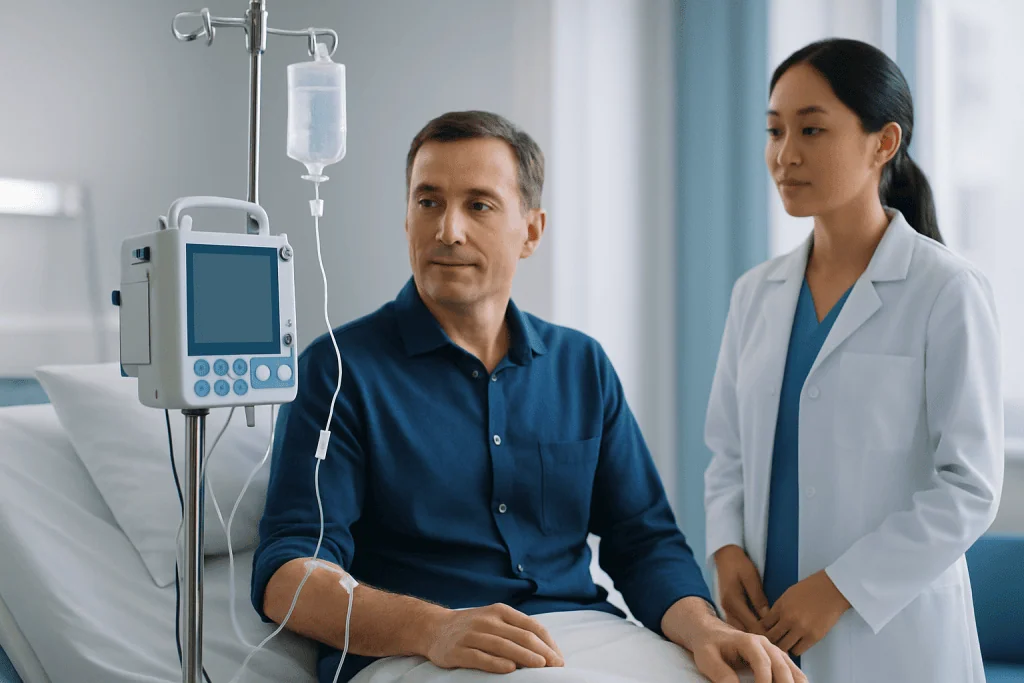
The central goal of leukemia treatment is to remove or reduce abnormal leukemia cells, allow healthy blood production to recover and prevent the disease from returning or progressing. For fast-growing acute leukemias, treatment often begins with an intensive first phase designed to achieve remission. This may be followed by additional therapy to destroy remaining cells that cannot be seen on routine testing.
Chronic leukemias are managed differently. Some people with early chronic lymphocytic leukemia, for example, may have careful monitoring with regular blood tests before treatment begins. When treatment is needed, modern targeted medicines may control the disease by blocking signals that leukemia cells need to grow or survive.
Doctors also provide supportive care throughout treatment. This can include blood or platelet transfusions, medicines to prevent or treat infections, treatment for nausea or pain, nutritional support and help with fertility preservation when appropriate. These measures are an important part of safe, effective cancer care.
- Remission: signs of leukemia are absent or greatly reduced after treatment.
- Minimal residual disease: very small amounts of leukemia detected by sensitive laboratory testing.
- Relapse: leukemia returns after a response or remission.
- Refractory disease: leukemia does not respond adequately to initial therapy.
Who May Be a Candidate and How Treatment Is Planned

Most people diagnosed with leukemia are candidates for some form of treatment or active monitoring. The most suitable plan depends on the exact subtype and how it behaves. Blood and bone marrow tests help identify leukemia cells, while chromosome and molecular testing can reveal changes that influence treatment selection and expected response.
Before recommending intensive therapy or a stem cell transplant, the care team also considers heart, lung, liver and kidney function, infection risk, other health conditions, current medicines and the person’s ability to manage treatment demands. Age matters, but it is not the only consideration; biological fitness and individual preferences are also important.
Some treatments are given mainly in hospital, especially intensive chemotherapy for certain acute leukemias. Others may be taken by mouth or administered in an outpatient clinic. A multidisciplinary team may include hematologists, medical oncologists, transplant specialists, infectious disease physicians, pathologists, pharmacists, nurses, dietitians and psychosocial support professionals.
Treatment Options and the Step-by-Step Care Journey
Treatment commonly starts after diagnostic testing confirms the leukemia type and identifies features that may guide therapy. For acute leukemia, the initial phase may be called induction treatment. Its purpose is to achieve remission. Consolidation, intensification or maintenance therapy may then be used to lower the chance of recurrence, depending on the subtype.
Chemotherapy uses medicines that damage or stop rapidly dividing leukemia cells. It may be delivered through a vein, by mouth or, for selected leukemias, into fluid surrounding the brain and spinal cord to prevent or treat central nervous system involvement. Chemotherapy is often combined with other treatments rather than used alone.
Targeted therapy acts on specific proteins or genetic changes in leukemia cells. Immunotherapy helps the immune system recognize or attack cancer cells and may include antibody-based treatments or cellular therapies for selected patients. Radiation therapy is less commonly used as a main leukemia treatment, but it may be helpful in particular circumstances.
Stem cell transplantation may be considered for people at higher risk of relapse, for leukemia that has returned, or when other treatments are unlikely to provide durable control. High-dose treatment first suppresses diseased bone marrow, followed by an infusion of healthy blood-forming stem cells. The procedure can offer an important chance of long-term disease control or cure for some people, but it also carries significant risks and requires careful assessment.
Benefits, Risks and Recovery Timeline
The potential benefit of treatment is remission, longer survival, relief of symptoms and restoration of normal blood cell production. In leukemia types with effective targeted treatments, therapy may allow many people to continue work, family life and other everyday activities. The benefit of each option must be balanced with its possible side effects and the expected course of the individual disease.
Short-term effects can include tiredness, nausea, mouth sores, appetite changes, hair loss, low blood counts and a higher risk of infection or bleeding. Targeted and immune-based therapies have their own possible effects, which vary by medicine. Transplantation can involve prolonged immune suppression, infection risk and graft-versus-host disease, in which donor immune cells react against the recipient’s tissues.
Recovery is different for every person. Blood counts may recover over weeks after a treatment cycle, but recovery from intensive acute leukemia treatment can take months. After a stem cell transplant, close monitoring often continues for many months or longer. Follow-up visits, blood tests and sometimes bone marrow testing help the team assess response, recognize side effects and detect recurrence early.
Patients should promptly report fever, chills, shortness of breath, unusual bleeding, severe diarrhea, new confusion, persistent vomiting or sudden worsening fatigue during treatment. These symptoms do not always indicate a serious problem, but they need timely assessment when immunity or blood counts may be low.
Can You Ever Fully Get Rid of Leukemia?
Some forms of leukemia can be cured, particularly when treatment produces a deep and lasting remission. Acute lymphoblastic leukemia and acute myeloid leukemia can be cured in some people, while certain chronic leukemias may be controlled effectively for a long time. The possibility of cure depends on the precise subtype, molecular findings, response to therapy and whether the leukemia returns.
Doctors are often cautious with the word “cure” because leukemia can occasionally recur after a long remission. They may instead discuss complete remission, durable remission or long-term disease-free survival. Ongoing follow-up is important even after treatment has ended because it supports early management of late effects or signs of relapse.
For chronic myeloid leukemia, targeted medicines have transformed outcomes for many patients. Some carefully selected people who have had a sustained deep response may be able to attempt treatment-free remission under specialist supervision, although this is not appropriate for everyone and requires regular molecular testing.
Is Leukemia One of the Deadliest Cancers? How Long Does a Person With Leukemia Live? Can You Live a Normal Life After Having Leukemia?
Is leukemia one of the deadliest cancers? Leukemia can be serious, particularly acute forms that progress rapidly without treatment. However, it is not accurate to view all leukemias as having the same outlook. Advances in diagnosis, targeted medicines, immune-based treatments and transplantation have improved outcomes for many people.
How long does a person with leukemia live? There is no single answer. Life expectancy varies substantially between leukemia subtypes and among individuals with the same subtype. Factors such as age, genetic and chromosome findings, blood counts, treatment response, other medical conditions and access to appropriate care all influence outlook. The treating specialist is best placed to explain what available information means for one person.
Can you live a normal life after having leukemia? Many people return to meaningful daily activities after treatment, though recovery may take time and some may need ongoing medicines, monitoring or support for lasting effects. Energy levels, fertility, emotional wellbeing, work plans and infection precautions can all require attention. Survivorship care helps people address these concerns and maintain health after treatment.
Healthy routines can support recovery but do not replace medical treatment. Patients are usually advised to follow food-safety and infection-prevention guidance from their care team, stay physically active within their ability, avoid tobacco and attend all scheduled follow-up appointments.
When to Seek Medical Care
Leukemia symptoms can overlap with many common conditions and do not necessarily mean cancer. Still, a person should arrange medical assessment for persistent or unexplained fatigue, frequent infections, fever without a clear cause, easy bruising or bleeding, shortness of breath, unexplained weight loss, drenching night sweats, bone pain or enlarged lymph nodes.
Urgent medical care is appropriate for heavy bleeding, a high fever during cancer treatment, severe breathlessness, chest pain, fainting, confusion or signs of a serious infection. People receiving chemotherapy, immune-based therapy or a transplant should follow their treatment team’s instructions about when to call immediately.
Acibadem International’s multidisciplinary specialists and JCI-accredited hospitals diagnose and treat leukemia for international patients. A specialist consultation can help clarify the leukemia subtype, review pathology and molecular results, and discuss appropriate treatment and follow-up options.
Frequently asked questions
What is the first treatment for leukemia?
The first treatment depends on the type of leukemia. Acute leukemias often need prompt systemic treatment, such as chemotherapy combined with targeted or immune-based therapy, while some chronic leukemias can initially be monitored with regular testing. Diagnostic and molecular results help the specialist choose the most appropriate first approach.
Does everyone with leukemia need a stem cell transplant?
No. Stem cell transplantation is not necessary for everyone with leukemia. It is usually considered when the risk of relapse is higher, when leukemia returns or does not respond adequately to treatment, or when the likely benefits outweigh the risks for an individual patient.
Can leukemia be treated without chemotherapy?
Some people can be treated with targeted therapy, immunotherapy or monitored without immediate treatment, depending on the leukemia subtype. However, chemotherapy remains an important component of care for many acute leukemias. The safest plan should be based on specialist evaluation rather than a preference for or against one treatment type.
How is leukemia remission checked?
Doctors monitor remission using blood counts, physical examinations and, in many cases, bone marrow testing. Specialized tests may measure minimal residual disease or detect specific genetic markers at very low levels. The testing schedule varies according to the leukemia type and treatment plan.
What should a person do while waiting for leukemia treatment?
They should keep appointments, ask their care team about infection precautions and report new or worsening symptoms promptly. It can be helpful to bring a trusted person to consultations, write down questions and discuss practical needs such as work, transport, nutrition and emotional support. They should not start supplements or herbal products without checking with the oncology team because some can interact with treatment.
Can leukemia come back after treatment?
Yes, leukemia can return after remission, although the risk differs greatly by subtype and individual disease features. Regular follow-up is designed to identify changes early. If relapse occurs, additional treatment options may include different medicines, immunotherapy, clinical trials or stem cell transplantation, depending on the situation.
References
- World Health Organization
- National Cancer Institute
- American Cancer Society
- European Society for Medical Oncology
- Leukemia & Lymphoma Society
This article is for general information only and is not a substitute for professional medical advice. Please consult a qualified doctor about your individual situation.
Leukemia in Turkey — costs, top hospitals & a free quote
JCI-accredited · board-certified surgeons · reply within 24h
Add us as a Preferred Source to see more of our trusted health content across Google Search, AI Overviews and Discover.

Medical Oncology Department
Medical treatment of cancer with chemotherapy, immunotherapy and targeted therapies under a multidisciplinary tumor board.
60 specialists in this unitMore from the Health Library


Related Specialists

Dr. Ekin Pasinlioğlu
Pediatrics
Dr. Dilek Sınmaz
Ear Nose & Throat
Hamdi Kandemir
Physical Medicine & Rehabilitation
Embriyolog Firuze Sönmez
Vitro Fertilization and Reproductive Medicine Center