Thiotepa Chemo: How It Works, Results and What to Expect

Thiotepa is an alkylating chemotherapy medicine given under specialist supervision. Its uses include certain bladder, breast, ovarian and blood cancers, as well as conditioning before some stem cell transplants.
Key Takeaways
- Thiotepa is an alkylating chemotherapy medicine given under specialist supervision.
- Its uses include certain bladder, breast, ovarian and blood cancers, as well as conditioning before some stem cell transplants.
- Low blood cell counts, infection risk, nausea, tiredness and skin reactions are important potential side effects.
- Blood tests and follow-up appointments help the oncology team adjust care and identify complications early.
- The timing and intensity of side effects vary with the dose, treatment plan and a person's overall health.
Thiotepa chemo is a chemotherapy medicine that damages cancer-cell DNA so the cells cannot continue dividing. It may be used alone or with other treatments for selected cancers, and at higher doses as part of preparation for a stem cell transplant.
Overview: what is thiotepa chemo?
Thiotepa chemo is a cytotoxic, or cell-killing, chemotherapy medicine. It is also called thiotepa chemotherapy and may appear in treatment records under the brand name Tepadina in some countries. It is used by oncology teams in carefully planned regimens, sometimes alongside other chemotherapy medicines, radiation therapy, surgery or stem cell transplantation.
Thiotepa belongs to a group of medicines called alkylating agents. These medicines interfere with DNA, the genetic material that tells cells how to grow and divide. Cancer cells often divide more rapidly than many normal cells, so they can be particularly affected. However, some healthy fast-growing cells are affected too, which explains many thiotepa chemo side effects.
The purpose of treatment depends on the diagnosis. For some people, thiotepa is intended to control or reduce cancer. For others, it is used at high dose to suppress bone marrow before donor or personal stem cells are infused during a transplant. The oncology team should explain the individual goal, expected schedule and monitoring plan before treatment begins.
What cancer does thiotepa treat?
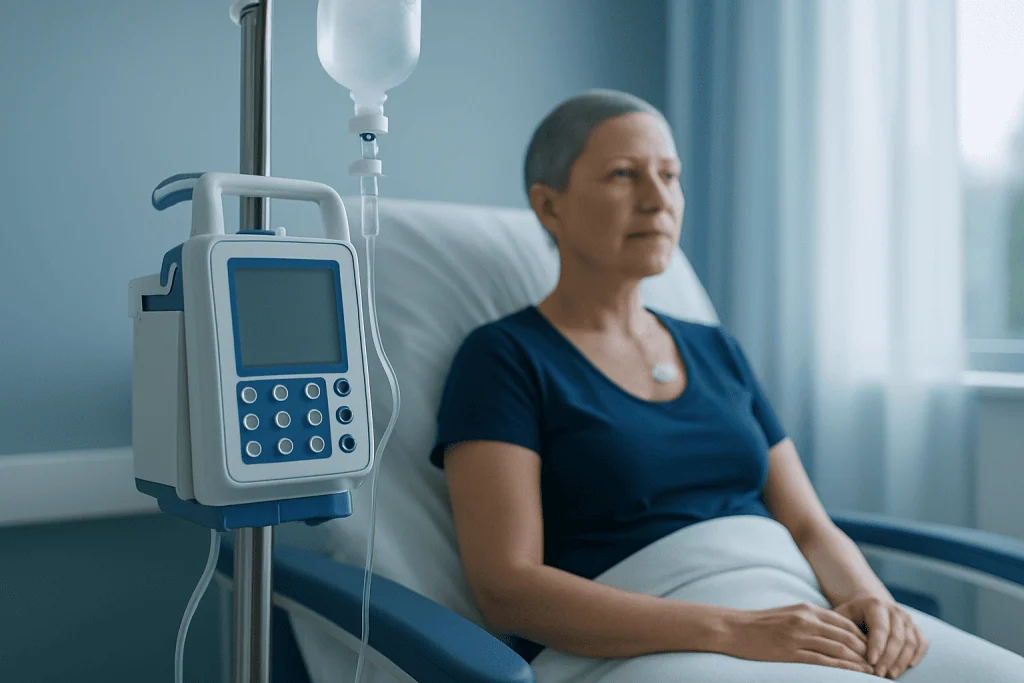
Thiotepa may be used for several types of cancer, although its role differs by country, treatment protocol and individual clinical circumstances. It has been used in cancers affecting the bladder, breast and ovaries, and it may be included in treatment plans for some blood cancers. It can also be part of conditioning therapy before hematopoietic stem cell transplantation for certain cancers of the blood or lymphatic system.
For bladder cancer, thiotepa may sometimes be placed directly into the bladder through a catheter rather than given into a vein. This is known as intravesical treatment. When used intravenously, it is usually delivered in an infusion unit or hospital setting. The route, dose and combination of medicines are chosen by an oncology specialist based on the cancer type, stage, previous treatments and kidney, liver and bone marrow function.
Thiotepa is not suitable for every person with these cancers, and it is not a standard first treatment in every setting. Patients should ask why thiotepa has been recommended, whether it is being used alone or in combination, and what alternatives may be appropriate for their situation.
How thiotepa chemotherapy works

After thiotepa enters the bloodstream, it is activated and forms chemical links with DNA. This process, called alkylation, prevents DNA from being copied correctly. A cancer cell that cannot repair this damage may stop dividing or die. Because the medicine circulates throughout the body when given intravenously, it can reach cancer cells beyond the original tumor site.
Thiotepa may also affect healthy cells that normally renew quickly, including cells in bone marrow, the mouth and digestive lining, hair follicles and reproductive tissues. As a result, treatment can lower red blood cells, white blood cells and platelets. This is why regular complete blood count tests are a central part of thiotepa chemocare.
For transplant conditioning, thiotepa is used at doses intended to make space in the bone marrow and reduce immune activity before stem cells are given. This is a specialized use requiring close coordination between hematology, oncology, transplant, pharmacy and supportive-care teams. Bone marrow transplantation may be considered in selected patients after detailed assessment.
Who may be a candidate for thiotepa?
Candidacy is based on much more than the cancer diagnosis. The care team considers the treatment goal, pathology results, disease extent, previous chemotherapy or radiation, age, daily functioning and the function of major organs. Blood counts, kidney and liver tests, infection screening and medication review are commonly completed before a course starts.
People with active infections, severely reduced bone marrow function or certain organ problems may need treatment delayed, modified or avoided. Pregnancy and plans for future fertility should be discussed before therapy, because chemotherapy can harm a developing fetus and may affect fertility. Depending on the circumstances, fertility preservation may be discussed before treatment begins.
It is important to provide a complete list of prescription medicines, over-the-counter products, vitamins and herbal supplements. The oncology pharmacist can check for interactions and advise whether any products should be stopped. People should not make changes to regular medicines without guidance from their treating clinician.
What happens during thiotepa treatment?
Before each cycle or dose, the team usually reviews symptoms, vital signs and recent laboratory results. A clinician may perform an examination and confirm that blood counts are adequate for treatment. Antinausea medicine, fluids or other supportive medicines may be given before thiotepa, depending on the treatment plan.
Intravenous thiotepa is administered through a vein, a central venous catheter or an implanted port. The infusion time varies according to the protocol. Nurses monitor for discomfort, redness, swelling or burning around the infusion site, as leakage outside a vein can injure nearby tissue. Patients should report any unusual sensation immediately rather than waiting until the infusion is complete.
Because thiotepa and its breakdown products can be present in sweat, some high-dose protocols include careful skin care. The team may recommend frequent washing or bathing and changing clothes and bed linens regularly for a specified period. These instructions are especially important in transplant settings and should be followed exactly as provided by the care team.
After treatment, patients may go home, remain in hospital or continue with a transplant admission, depending on the regimen. The next appointment may include repeat blood tests, symptom review and planning for the next treatment phase.
Benefits, side effects and recovery timeline
The potential benefit of thiotepa chemo is its ability to contribute to cancer control or to prepare the body for a stem cell transplant. Whether treatment is helping is assessed through the full clinical picture, not one symptom alone. This can include physical examination, blood tests, imaging, bone marrow testing or tumor markers when relevant to the cancer type.
Common thiotepa chemotherapy side effects can include tiredness, nausea, vomiting, reduced appetite, mouth soreness, diarrhea or constipation, hair loss and skin darkening or irritation. A substantial concern is bone marrow suppression, which can lead to anemia, easy bruising or bleeding, and a low white blood cell count that raises infection risk. Higher-dose treatment can cause more intensive side effects and requires closer hospital-based support.
Recovery does not follow one fixed timetable. Some effects, such as nausea or fatigue, may begin within days and improve between cycles, while low blood counts can occur later and may take weeks to recover. During transplant conditioning, the most intensive phase may extend through the days after chemotherapy and until engraftment, when new stem cells begin making blood cells. The treatment team will provide the most reliable timeline for the individual regimen.
Supportive care may include medicines for nausea, pain or infection prevention, transfusions, nutritional support and mouth care. Prompt reporting of symptoms allows the team to treat problems early and may help avoid unnecessary treatment interruptions.
What are good signs that chemo is working?
Good signs that chemotherapy is working are usually measured by the oncology team rather than by day-to-day symptoms. Depending on the cancer, clinicians may see a tumor become smaller on a scan, improved blood or bone marrow findings, lower disease-related markers, or fewer cancer-related symptoms. Stable disease can also be a meaningful outcome in some treatment settings.
Feeling tired, losing hair or developing nausea does not prove that thiotepa is working. Likewise, having few side effects does not mean treatment is ineffective. Side effects mainly reflect how healthy tissues respond to treatment and how an individual’s body processes the medicine.
Patients should ask when and how response will be checked. Imaging and laboratory testing are often scheduled after a set number of cycles or at particular stages of transplant treatment, since testing too early may not provide a clear picture.
What should I avoid while taking thiotepa?
People receiving thiotepa should avoid exposure to infections as much as reasonably possible, particularly when white blood cell counts are low. This includes close contact with people who have fever, flu-like symptoms, vomiting, diarrhea or other contagious illnesses. Good hand hygiene, food safety and following the team’s advice about crowded places can reduce risk.
Patients should avoid starting vitamins, herbal preparations, non-prescription medicines or other treatments without approval from the oncology team. They should also avoid live vaccines unless their specialist specifically recommends them. Alcohol may worsen dehydration, nausea, mouth irritation or liver strain, so it should be discussed with the treating clinician.
Because platelet counts may fall, people may need to avoid activities with a meaningful risk of cuts, falls or injury. A soft toothbrush and electric razor may be advised if bleeding risk is elevated. Sexual activity, contraception, fertility and breastfeeding should be discussed with the cancer team, as individualized precautions may be needed during and after treatment.
What is the hardest week of chemo?
There is no single hardest week of chemo for everyone. With many chemotherapy schedules, blood counts reach their lowest point, called the nadir, around one to two weeks after treatment, although timing varies by regimen. During this period, tiredness, infection risk, mouth sores and bruising may be more noticeable.
For high-dose thiotepa used before stem cell transplant, the difficult period may include the days of conditioning and the following days while blood counts are very low. Hospital teams monitor patients closely during this time and provide fluids, symptom treatment, transfusions and infection management when needed.
Keeping a daily record of temperature, fluid intake, bowel changes, pain, appetite and new symptoms can help the team respond promptly. Patients should use the contact number provided by their oncology service rather than waiting for a routine appointment if they become unwell.
When to seek medical care
Patients should contact their oncology team urgently for a fever or chills, especially if they have been told their white blood cell count is low. They should also seek urgent guidance for shortness of breath, chest pain, confusion, severe weakness, uncontrolled vomiting, inability to drink fluids, severe diarrhea, or new severe abdominal pain.
Bleeding that does not stop, black or bloody stools, blood in urine, widespread unexplained bruising, a new rash with fever, or painful redness and swelling at an intravenous line or port site also require prompt medical advice. These symptoms do not always indicate a serious complication, but they need timely assessment during chemotherapy.
Before leaving the treatment unit, patients should know which symptoms require a same-day call, which need emergency care, and whom to contact outside office hours. Acibadem International’s multidisciplinary specialists and JCI-accredited hospitals support diagnosis and treatment planning for international patients receiving complex oncology and transplant care.
Frequently asked questions
Is thiotepa a strong chemotherapy drug?
Thiotepa is a potent cytotoxic chemotherapy medicine, and its effects depend greatly on the dose and the regimen in which it is used. Higher-dose protocols, especially before stem cell transplant, can cause more profound lowering of blood counts and require intensive monitoring.
How is thiotepa given?
Thiotepa may be given into a vein through an infusion, central line or implanted port. In selected bladder cancer situations, it may be placed directly into the bladder through a catheter. The route depends on the condition being treated.
Can thiotepa cause hair loss?
Hair thinning or hair loss can occur with thiotepa, particularly when it is used in combination chemotherapy or at high doses. The degree varies among individuals and treatment plans. The oncology team can discuss scalp care and practical support options.
How long do thiotepa side effects last?
Some effects, such as nausea, tiredness and appetite changes, may improve within days to weeks after a dose. Low blood counts may take longer to recover, especially after high-dose treatment or stem cell transplant conditioning. The recovery period is best estimated by the treating team using blood tests and the specific regimen.
Can I work while having thiotepa chemotherapy?
Some people can continue limited work, while others need time away because of fatigue, appointments, infection precautions or more intensive treatment schedules. The feasibility depends on symptoms, blood counts, job demands and exposure to illness. A doctor or oncology nurse can help plan adjustments and medical documentation if needed.
Why are blood tests needed during thiotepa chemo?
Blood tests check whether the bone marrow, kidneys and liver are tolerating treatment. They can identify low white blood cells, anemia or low platelets before complications develop. Results may guide the timing of the next dose and supportive treatments.
References
- National Cancer Institute
- American Cancer Society
- National Health Service
- European Society for Medical Oncology
- MedlinePlus
This article is for general information only and is not a substitute for professional medical advice. Please consult a qualified doctor about your individual situation.
Oncology care in Turkey — second opinion and treatment plan
JCI-accredited · board-certified surgeons · reply within 24h
Add us as a Preferred Source to see more of our trusted health content across Google Search, AI Overviews and Discover.