Ischemic Stroke — Explained by Medical Evidence, Not Myths
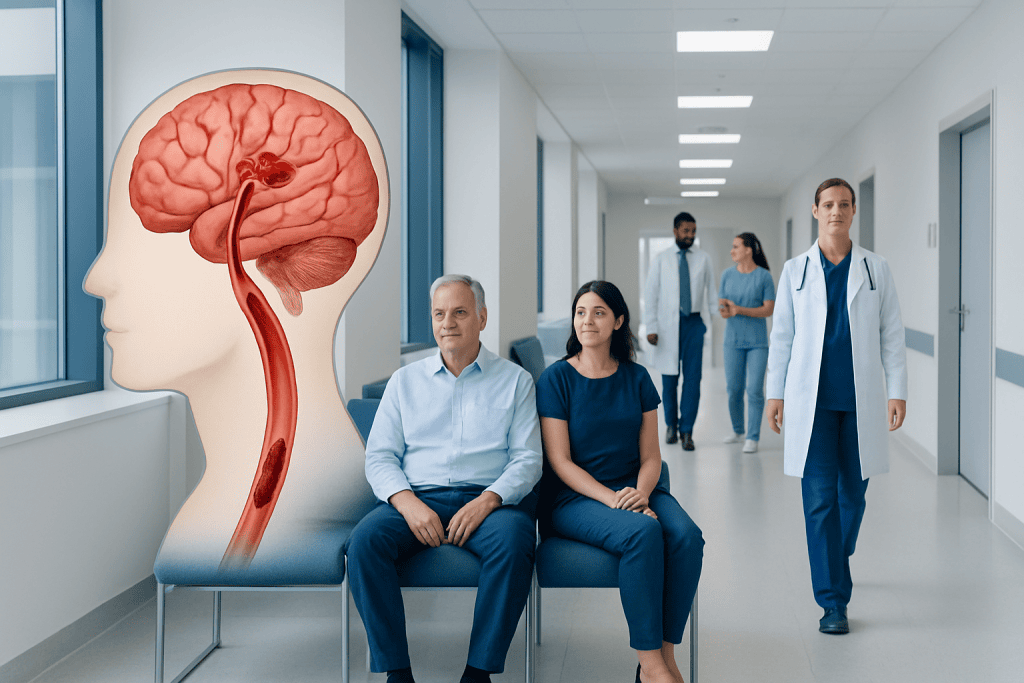
Ischemic stroke is caused by blocked blood flow to part of the brain and is a medical emergency. Common warning signs include sudden weakness, speech difficulty, facial drooping, vision changes, and loss of balance.
Key Takeaways
- Ischemic stroke is caused by blocked blood flow to part of the brain and is a medical emergency.
- Common warning signs include sudden weakness, speech difficulty, facial drooping, vision changes, and loss of balance.
- Quick treatment may restore blood flow and can improve outcomes if given as early as possible.
- Risk factors such as high blood pressure, diabetes, smoking, atrial fibrillation, and high cholesterol can often be managed.
- Recovery varies, but rehabilitation and follow-up care play an important role after stroke.
Ischemic stroke is the most common type of stroke and happens when a blood vessel supplying the brain becomes blocked, usually by a clot. Fast diagnosis and treatment can limit brain injury, improve recovery, and reduce the risk of long-term disability.
What ischemic stroke means
An ischemic stroke happens when blood flow to part of the brain is blocked, usually by a blood clot. Without enough oxygen and nutrients, brain cells in that area begin to become injured within minutes. This is why ischemic stroke is treated as a medical emergency and why rapid action matters.
It is different from a hemorrhagic stroke, which is caused by bleeding in or around the brain. It is also different from a transient ischemic attack, or TIA, sometimes called a “mini-stroke,” in which the blockage is temporary and symptoms go away. Even when symptoms improve quickly, a TIA is a serious warning sign that needs urgent medical assessment.
Medical evidence shows that stroke care works best when symptoms are recognized early and the person reaches emergency care quickly. Early brain imaging and specialist evaluation help determine the stroke type and the most appropriate treatment. In many cases, timely treatment can restore blood flow, reduce brain damage, and support a better recovery.
Symptoms that should never be ignored
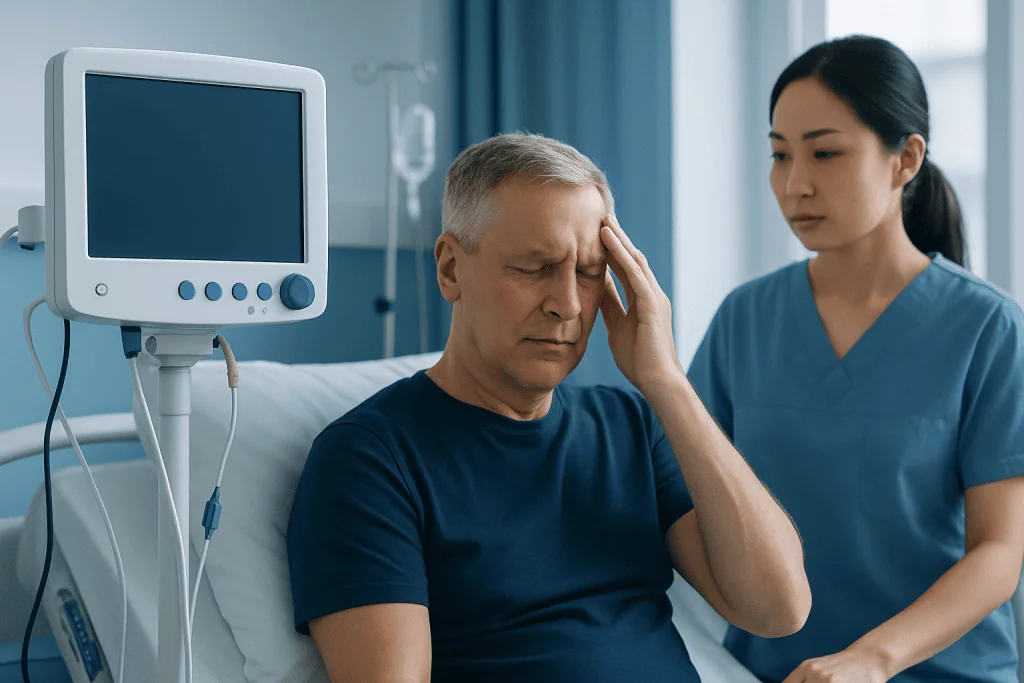
Symptoms of ischemic stroke usually begin suddenly. They depend on which part of the brain is affected, but the classic signs include weakness or numbness on one side of the body, facial drooping, trouble speaking, difficulty understanding words, sudden confusion, vision changes, severe dizziness, or loss of balance and coordination.
A practical way to remember the most common warning signs is FAST: Face drooping, Arm weakness, Speech difficulty, Time to call emergency services. Other symptoms can include sudden trouble walking, double vision, clumsiness, difficulty swallowing, or a sudden severe headache, although headache is more commonly associated with some other stroke types.
Symptoms may be dramatic, but they can also be subtle. A person may seem unusually confused, develop slurred speech, or suddenly struggle to use one hand. Symptoms that come and go should also be taken seriously because they may represent a TIA, which can precede a major stroke. Prompt medical attention is important even if the person feels better within minutes.
- Sudden facial droop or uneven smile
- Sudden weakness or numbness, especially on one side
- Sudden speech or language difficulty
- Sudden vision loss or blurred vision
- Sudden dizziness, imbalance, or trouble walking
- Sudden confusion or change in awareness
Why ischemic stroke happens
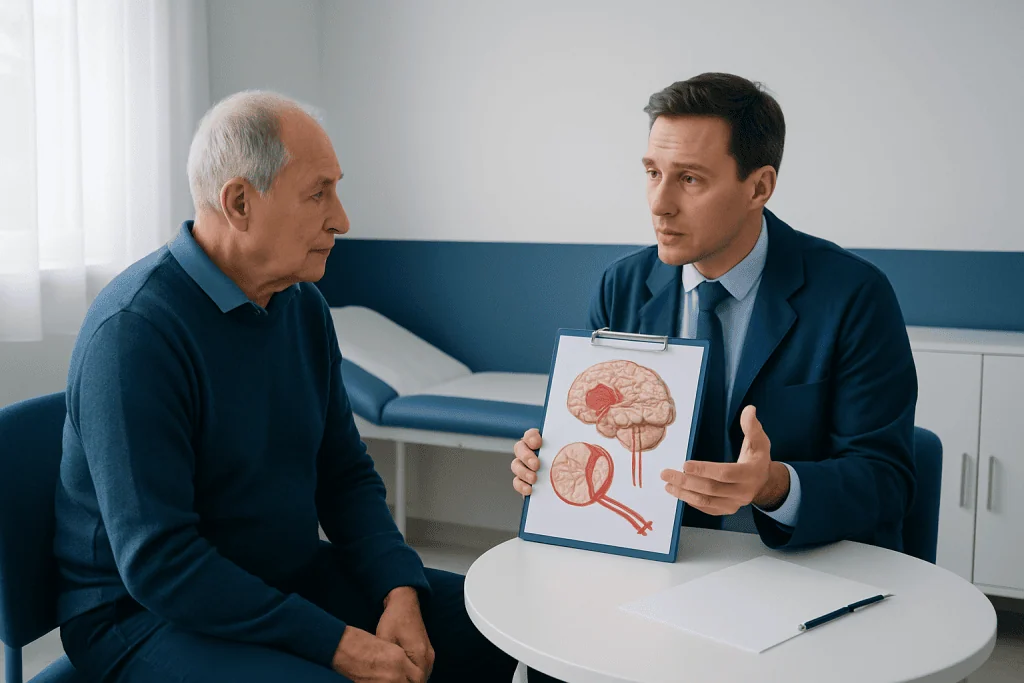
The immediate cause of ischemic stroke is an interruption in blood flow to the brain. This blockage can happen when a clot forms in an artery already narrowed by fatty deposits, a process called atherosclerosis. It can also happen when a clot forms elsewhere in the body, often in the heart, and travels to the brain through the bloodstream.
One important heart-related cause is atrial fibrillation, an irregular heart rhythm that can allow clots to form inside the heart. Narrowing of the carotid arteries in the neck can also reduce blood flow or become a source of clots. In some people, stroke is linked to inflammation of blood vessels, blood clotting disorders, or less common causes such as artery dissection.
Risk factors increase the chance of developing these underlying problems. Some are medical conditions that can be treated or controlled, while others are lifestyle-related. Age and family history matter, but prevention still plays a major role because many major risk factors are modifiable.
- High blood pressure
- Diabetes
- High cholesterol
- Smoking and tobacco use
- Atrial fibrillation and other heart disease
- Obesity and physical inactivity
- Sleep apnea
- Excess alcohol use
How doctors confirm the diagnosis
When stroke is suspected, doctors focus first on time of symptom onset, the pattern of symptoms, and rapid neurological examination. The main goal is to determine whether the person is having a stroke, what type of stroke it is, and whether urgent treatment to restore blood flow may help. Because treatment decisions can be time-sensitive, hospital evaluation starts immediately.
Brain imaging is essential. A CT scan is commonly performed first because it is fast and helps identify bleeding, which must be ruled out before certain treatments are considered. MRI may provide additional detail in selected cases. Doctors may also perform imaging of the blood vessels in the head and neck to look for blockages, narrowing, or other vascular problems.
Blood tests, heart rhythm monitoring, and sometimes echocardiography help search for the cause. If the team suspects a temporary warning event, they may evaluate for transient ischemic attack and closely assess the risk of another stroke. Identifying the underlying cause is important because long-term prevention depends on it.
Treatment options and why speed matters
Treatment for ischemic stroke aims to restore blood flow, protect the brain, and prevent complications. For some patients who arrive soon after symptoms begin, clot-dissolving medication may be appropriate if imaging and clinical criteria support it. This treatment is carefully selected because it can be very beneficial in the right setting but is not suitable for every patient.
In certain cases, doctors may remove a large clot using a catheter-based procedure called mechanical thrombectomy. This minimally invasive treatment can be especially helpful when a major artery in the brain is blocked. Depending on the situation, some patients may benefit from care involving interventional neuroradiology or specialist neurology care as part of their emergency treatment plan.
After the acute phase, treatment focuses on reducing the risk of another stroke. This may include antiplatelet or anticoagulant medicines, blood pressure control, cholesterol-lowering therapy, diabetes management, and treatment of heart rhythm problems such as atrial fibrillation. If severe carotid artery narrowing is present, doctors may discuss additional vascular treatment options.
Rehabilitation often begins early and may involve physical therapy, occupational therapy, speech and language therapy, and support for swallowing or cognitive changes. For some people, structured rehabilitation becomes an important part of regaining independence and adapting to any lasting effects.
Recovery, rehabilitation, and living after stroke
Recovery from ischemic stroke is different for each person. Some recover quickly, especially when treatment is given early and the affected brain area is small. Others may need weeks or months of rehabilitation. Improvement can continue over time, particularly when therapy is consistent and medical follow-up addresses complications and risk factors.
Common challenges after stroke may include weakness, difficulty speaking, swallowing problems, fatigue, memory changes, mood symptoms, and reduced confidence in daily activities. Not every patient experiences all of these, and many problems improve with targeted therapy and support. Families and caregivers often play a central role in helping the person return to daily routines safely.
Follow-up care usually includes medication review, monitoring of blood pressure and cholesterol, evaluation for causes such as heart rhythm disorders, and education about warning signs of another stroke. If a temporary event has occurred before, doctors may explain the relationship between ischemic stroke and stroke risk more broadly. Near the end of the care pathway, some international patients may choose centers such as Acibadem International, where multidisciplinary specialists in JCI-accredited hospitals diagnose and treat stroke-related conditions.
Prevention and self-care
Prevention focuses on controlling the conditions that damage blood vessels or increase clotting risk. The most important step for many people is keeping blood pressure in a healthy range. Stopping smoking, managing diabetes, lowering high cholesterol, staying physically active, and maintaining a healthy weight can all reduce stroke risk.
People with atrial fibrillation or certain other heart conditions may need medication to lower clot risk. Those who have already had a stroke or TIA often need long-term preventive treatment and regular follow-up. Taking medicines as prescribed and attending appointments are key parts of prevention, even when the person feels well.
Everyday self-care also matters. A balanced eating pattern, limiting alcohol, getting enough sleep, and treating sleep apnea when present can support vascular health. It also helps to know personal warning signs and to teach family members what to do in an emergency, because another event may look similar to the first one.
When to seek medical care
Emergency medical care is needed immediately if there are sudden stroke symptoms such as facial drooping, one-sided weakness, speech trouble, sudden vision loss, severe dizziness, or sudden confusion. A person should not wait to see whether symptoms improve. Calling emergency services right away is safer than driving, because treatment may need to start as soon as possible.
Medical review is also important if symptoms last only a few minutes and then disappear. Temporary symptoms can signal a TIA, and the risk of a full stroke may be higher soon afterward. New or worsening neurological symptoms during recovery also deserve prompt assessment.
People with known risk factors such as atrial fibrillation, carotid artery disease, previous TIA, or previous stroke should keep regular follow-up appointments. If a doctor has recommended medication or monitoring, staying engaged with that plan can help lower the chance of future events.
Frequently asked questions
What is the difference between ischemic stroke and hemorrhagic stroke?
Ischemic stroke happens when a blood vessel to the brain is blocked, usually by a clot. Hemorrhagic stroke happens when a blood vessel breaks and bleeds into or around the brain. The treatments are different, which is why brain imaging is needed urgently.
Can ischemic stroke symptoms go away on their own?
Sometimes symptoms improve quickly or disappear, especially if the event was a transient ischemic attack. Even if symptoms go away, urgent medical evaluation is still needed because the risk of a larger stroke may remain high. Temporary symptoms should never be ignored.
How quickly should treatment start for ischemic stroke?
Treatment should start as quickly as possible after symptoms begin. Some stroke therapies are time-sensitive, and early care can improve the chance of preserving brain function. This is why emergency assessment is recommended immediately.
Who is most at risk for ischemic stroke?
Risk is higher in people with high blood pressure, diabetes, high cholesterol, smoking history, atrial fibrillation, heart disease, obesity, or prior stroke or TIA. Risk also increases with age. However, stroke can still occur in younger adults, so sudden neurological symptoms always need attention.
Can ischemic stroke be prevented?
Many ischemic strokes can be partly prevented by managing blood pressure, blood sugar, cholesterol, and heart rhythm problems, and by avoiding smoking. Regular physical activity, a healthy diet, and taking prescribed medicines consistently are also important. Prevention plans are most effective when tailored by a qualified doctor.
What happens after a person survives an ischemic stroke?
After the emergency phase, care usually focuses on rehabilitation and preventing another stroke. Recovery may involve physical, speech, or occupational therapy, depending on the symptoms. Follow-up testing may also look for the cause so that long-term treatment can be chosen appropriately.
This article is for general information only and is not a substitute for professional medical advice. Please consult a qualified doctor about your individual situation.
Explore treatments in Turkey — costs, top hospitals & a free quote
JCI-accredited · board-certified surgeons · reply within 24h
Add us as a Preferred Source to see more of our trusted health content across Google Search, AI Overviews and Discover.
Check your numbers in seconds
BMI, calories, due date, blood pressure and 30+ more clinical calculators — free, instant, doctor-reviewed ranges.

More from the Health Library
Substitute for Oyster Sauce — Explained by Medical Evidence, Not Myths

Ghirardelli Dark Chocolate — Explained by Medical Evidence, Not Myths
Hypnobirthing: An Evidence-Based Guide for Patients
Saline — Explained by Medical Evidence, Not Myths
Parathyroid Hormone: A Complete Medical Overview