IUD and Pregnancy Signs: What Is Normal, What Is Not, and When to Seek Care

An IUD is highly effective, but no birth control method is 100% effective. Possible pregnancy signs with an IUD can resemble usual early pregnancy symptoms, such as nausea, breast tenderness, fatigue, or a missed period.
Key Takeaways
- An IUD is highly effective, but no birth control method is 100% effective.
- Possible pregnancy signs with an IUD can resemble usual early pregnancy symptoms, such as nausea, breast tenderness, fatigue, or a missed period.
- Severe one-sided pelvic pain, heavy bleeding, shoulder pain, dizziness, or fainting need urgent medical evaluation because they can suggest ectopic pregnancy.
- A home pregnancy test is a useful first step, but a doctor may need blood tests, pelvic examination, and ultrasound to confirm what is happening.
- If pregnancy occurs with an IUD in place, management depends on where the pregnancy is located, symptoms, and the person’s wishes and medical situation.
Pregnancy with an IUD is uncommon, but it can happen. The most helpful approach is to recognize possible pregnancy symptoms, know which warning signs are not normal, and seek prompt medical advice to confirm the diagnosis and rule out urgent problems such as ectopic pregnancy.
Overview: Can someone get pregnant with an IUD?
Yes. An intrauterine device, or IUD, is one of the most effective forms of reversible contraception, but pregnancy is still possible in rare cases. When people search for iud and pregnancy signs, the main concern is usually whether symptoms are normal side effects of the IUD, early pregnancy, or a sign that something needs medical attention.
The answer is that normal early pregnancy symptoms can still occur with an IUD in place. These may include a missed period, breast tenderness, nausea, tiredness, or more frequent urination. However, pregnancy with an IUD deserves prompt medical evaluation because there is a higher chance that the pregnancy could be outside the uterus, called an ectopic pregnancy, which requires urgent care.
Different types of IUDs can also affect bleeding patterns. Hormonal IUDs may make periods lighter or stop them entirely, which can make a missed period less useful as a clue. Copper IUDs often allow regular periods to continue, so a delay may be more noticeable. Because symptoms can overlap, testing and medical assessment are often the safest way to tell what is normal and what is not.
Possible pregnancy signs with an IUD
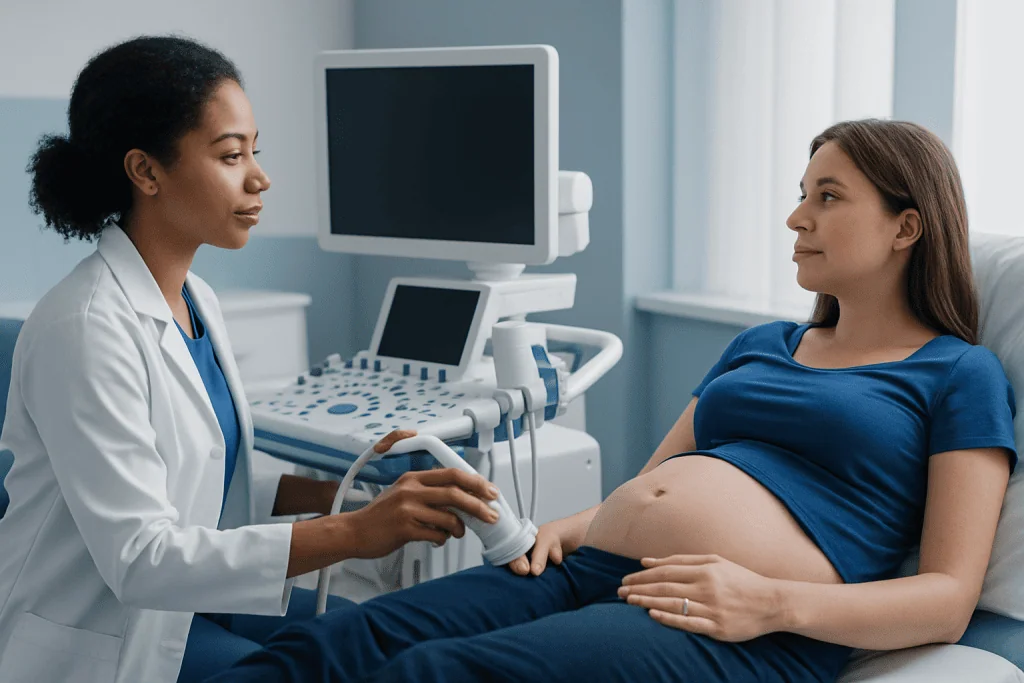
Early pregnancy symptoms with an IUD are usually similar to those of any other pregnancy. A person may notice nausea, breast soreness, fatigue, bloating, food aversions, light spotting, or a missed period. Some people also report cramping that feels different from their usual menstrual cramps.
It is important to remember that some of these symptoms can happen for other reasons as well. Hormonal changes from a hormonal IUD, stress, gastrointestinal illness, or the normal menstrual cycle can all cause similar feelings. That is why symptoms alone cannot confirm pregnancy.
People who have IUD strings may also wonder whether a change in string length is a sign of pregnancy. In most cases, string position alone is not a reliable indicator. Still, if the strings suddenly seem much longer, much shorter, or cannot be felt at all, it is sensible to contact a clinician, because the IUD may have shifted or been expelled.
- Missed or late period
- Nausea or vomiting
- Breast tenderness
- Fatigue
- Light spotting
- Mild cramping
- Frequent urination
What is normal, and what is not
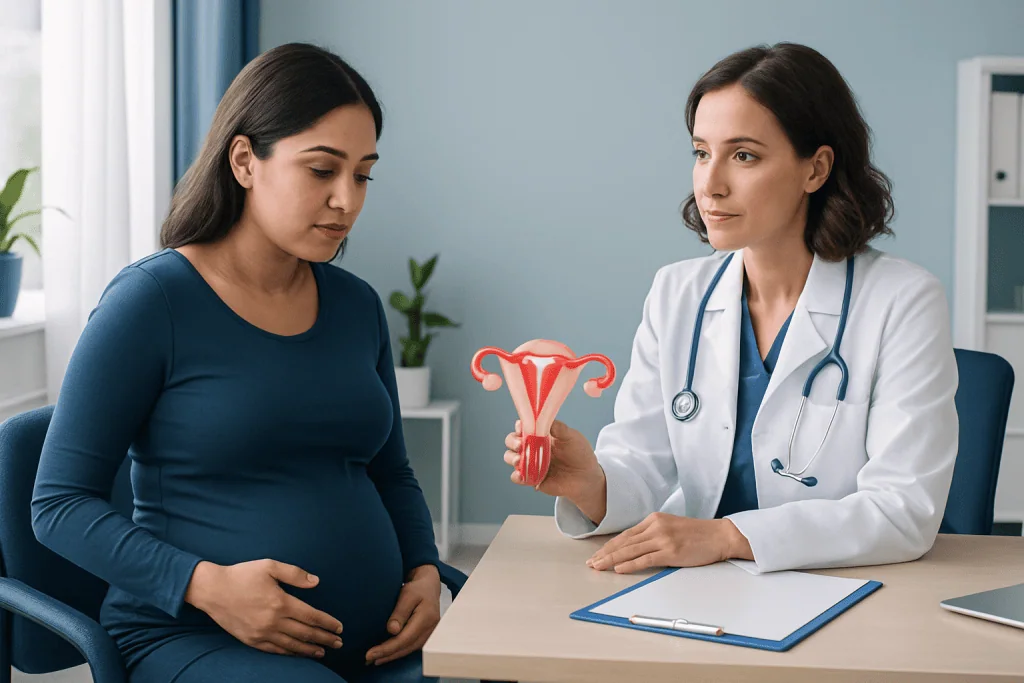
Some symptoms can be uncomfortable but are not automatically a sign of danger. Mild cramping, light spotting, breast tenderness, and nausea can occur in early pregnancy and can also occur with an IUD or around menstruation. These symptoms should still prompt a pregnancy test if pregnancy is possible, but they are not by themselves proof of an emergency.
What is not considered normal is severe or worsening pelvic or abdominal pain, especially if it is one-sided. Heavy vaginal bleeding, shoulder-tip pain, dizziness, fainting, or feeling weak can be warning signs of internal bleeding from an ectopic pregnancy. Fever, foul-smelling discharge, or significant pain during intercourse may point to infection or another pelvic problem and also need medical care.
Another situation that is not normal is a positive pregnancy test followed by increasing pain or bleeding. Even if symptoms seem mild at first, this combination should be assessed quickly. A clinician may evaluate for pregnancy location and check the position of the IUD to guide the next steps.
Why pregnancy can happen with an IUD
IUDs are very effective because they interfere with fertilization in different ways depending on the device type. Hormonal IUDs thicken cervical mucus and change the uterine lining, while copper IUDs create an environment that is toxic to sperm. Even so, no contraceptive method works perfectly every time.
Pregnancy can happen if the IUD has shifted from its correct position, has been partially or completely expelled, or was inserted when an early unrecognized pregnancy already existed. In some cases, the IUD remains in place but fertilization still occurs. Expulsion may be more likely in the first months after insertion, after childbirth, or in people with very heavy menstrual bleeding, though it can occur at other times as well.
The main risk factor for pregnancy with an IUD is simply a loss of the device’s intended protection, often because it is no longer positioned properly. A person may or may not notice this. If there is any doubt, a gynecologic examination or ultrasound can check placement and look for other causes of symptoms.
How doctors diagnose pregnancy with an IUD
If pregnancy is suspected, the first step is usually a urine pregnancy test, either at home or in a clinic. A positive result should be followed by medical assessment, especially if there is pain or bleeding. A negative home test may need to be repeated in a few days if symptoms continue and the period still has not come.
Doctors often use a blood test for human chorionic gonadotropin, or hCG, to help confirm pregnancy and understand how it is progressing. They may also perform a pelvic examination to look for IUD strings, assess bleeding, and check for tenderness. An ultrasound is especially important to determine whether the pregnancy is inside the uterus or outside it.
Because ectopic pregnancy may not always be visible very early, repeat blood tests and a follow-up ultrasound are sometimes needed. If the IUD cannot be located, imaging may also be used to see whether it was expelled or moved. In people with significant symptoms, emergency evaluation is appropriate. Depending on the situation, care may involve ultrasound imaging and consultation with specialists in gynecology.
Treatment and next steps if pregnancy occurs
Treatment depends on where the pregnancy is located, whether symptoms are stable, and the person’s preferences. If the pregnancy is inside the uterus and the IUD strings are visible, a doctor may recommend removing the IUD early, because leaving it in place can increase the risk of complications such as miscarriage or infection. This should be done by a qualified clinician rather than at home.
If the pregnancy is ectopic, treatment is urgent and may involve medication or surgery depending on the case. The goal is to protect the patient’s health and prevent complications. In some situations, doctors may recommend laparoscopic surgery if surgical treatment is needed.
If a person does not wish to continue the pregnancy, management should be discussed with a qualified healthcare professional according to local laws and medical guidance. After the immediate issue is treated, a doctor can also review future contraception options, including whether another IUD is appropriate. Near the end of the care journey, some international patients may choose centers such as Acibadem International, where multidisciplinary specialists in JCI-accredited hospitals diagnose and treat gynecologic conditions.
Prevention, self-checks, and practical self-care
The most helpful preventive step is attending recommended follow-up after IUD insertion and learning how to check for strings if advised by a clinician. Not everyone can feel their strings, and not feeling them does not automatically mean there is a problem. Still, a new inability to feel strings after previously feeling them can be a reason to call a doctor.
If pregnancy is possible, taking a home pregnancy test promptly can reduce uncertainty. This is especially useful for people with a copper IUD and a missed period, or for those with a hormonal IUD who develop unexplained nausea, breast tenderness, or pelvic pain. Until medical advice is received, it is sensible to avoid assumptions about whether symptoms are simply menstrual or hormonal.
General self-care includes resting, staying hydrated, and tracking symptoms such as bleeding, pain location, and test results. However, self-care should not replace medical evaluation when warning signs are present. If there is concern about displaced contraception, missed periods, or pelvic pain, a clinician may also evaluate for related issues such as ovarian cysts or other gynecologic causes of discomfort.
When to seek medical care
Medical care is recommended soon if there is a positive pregnancy test with an IUD in place, a missed period with pregnancy symptoms, or concern that the IUD has moved or been expelled. Prompt assessment helps confirm whether pregnancy is present and whether it is located in the uterus.
Urgent or emergency care is needed for severe pelvic or abdominal pain, especially on one side, heavy vaginal bleeding, shoulder pain, fainting, severe dizziness, or marked weakness. These symptoms can suggest ectopic pregnancy or significant internal bleeding and should not be watched at home.
People should also seek care for fever, foul-smelling discharge, or persistent worsening pain, which may indicate infection or another complication. A qualified doctor can decide whether observation, repeat testing, imaging, or treatment is the safest next step. When symptoms are sudden or severe, immediate evaluation is the safest choice.
Frequently asked questions
Can someone have a normal pregnancy with an IUD still in place?
It is possible to have an intrauterine pregnancy with an IUD, but it needs prompt medical review. If pregnancy continues with the IUD in place, the risk of complications is higher, so a doctor may recommend removing the device if it can be done safely.
What are the earliest iud and pregnancy signs?
The earliest signs may include a missed period, nausea, breast tenderness, fatigue, light spotting, or cramping. These symptoms are not specific, so a pregnancy test and medical assessment are often needed to confirm the cause.
Is bleeding normal if pregnancy happens with an IUD?
Light spotting can happen in early pregnancy, but heavy bleeding is not considered normal and should be assessed. Bleeding together with pelvic pain is especially important to evaluate because it can be a sign of ectopic pregnancy or miscarriage.
Should the IUD be removed if the pregnancy test is positive?
A person should not try to remove the IUD at home. A clinician will first confirm the pregnancy location and then decide whether removal is appropriate and safe based on the circumstances.
How common is ectopic pregnancy with an IUD?
Pregnancy overall is uncommon with an IUD, but if pregnancy does happen, the chance that it is ectopic is higher than in the general population of pregnant patients. This is why pain, bleeding, dizziness, or fainting should be taken seriously.
What if the IUD strings cannot be felt?
Not feeling the strings does not always mean the IUD has moved, because strings can curl up inside the cervix or vagina. However, if the strings seem different from usual or cannot be found, a doctor can check placement with an examination or ultrasound.
References
- American College of Obstetricians and Gynecologists
- Centers for Disease Control and Prevention
- Mayo Clinic
- NHS
- World Health Organization
This article is for general information only and is not a substitute for professional medical advice. Please consult a qualified doctor about your individual situation.
Explore treatments in Turkey — costs, top hospitals & a free quote
JCI-accredited · board-certified surgeons · reply within 24h
Add us as a Preferred Source to see more of our trusted health content across Google Search, AI Overviews and Discover.