Ivig Infusion: An Evidence-Based Guide for Patients

IVIG infusion provides concentrated antibodies collected from donated human plasma. It may be used either to replace missing antibodies or to calm harmful immune activity.
Key Takeaways
- IVIG infusion provides concentrated antibodies collected from donated human plasma.
- It may be used either to replace missing antibodies or to calm harmful immune activity.
- Common side effects are often mild, such as headache, chills, fatigue, or nausea, but careful monitoring is important.
- Treatment schedules vary widely depending on the condition being treated and the individual response.
- Good hydration, slow infusion rates when needed, and close medical supervision can improve comfort and safety.
- Patients should seek medical advice promptly for breathing problems, chest pain, severe headache, or signs of an allergic reaction after infusion.
IVIG infusion is a treatment that delivers purified antibodies from donated plasma into a vein to support or regulate the immune system. It is used for some immune deficiencies, autoimmune conditions, and inflammatory nerve disorders, with dosing and monitoring tailored to the person’s diagnosis and overall health.
What Is IVIG Infusion?
IVIG infusion stands for intravenous immunoglobulin infusion. It is a treatment made from purified antibodies, also called immunoglobulins, that are collected from carefully screened blood plasma donors. These antibodies are given through a vein to help the body fight infection or to change the way the immune system behaves in certain diseases.
For many patients, the most helpful way to understand IVIG is that it can serve two different roles. In some conditions, it replaces antibodies that the body does not make well enough. In others, it helps reduce harmful immune activity when the immune system is attacking the body’s own tissues.
IVIG is not a single treatment used the same way for everyone. The dose, timing, and treatment goals depend on the diagnosis, body weight, medical history, kidney function, and response to previous infusions. A doctor will also consider whether long-term therapy is needed or whether IVIG is being used for a shorter period during a disease flare.
Because it is derived from human plasma, IVIG products go through strict manufacturing and safety processes. Even so, it remains a medical treatment that requires supervision, monitoring during infusion, and follow-up to check benefits and possible side effects.
Why IVIG Is Used
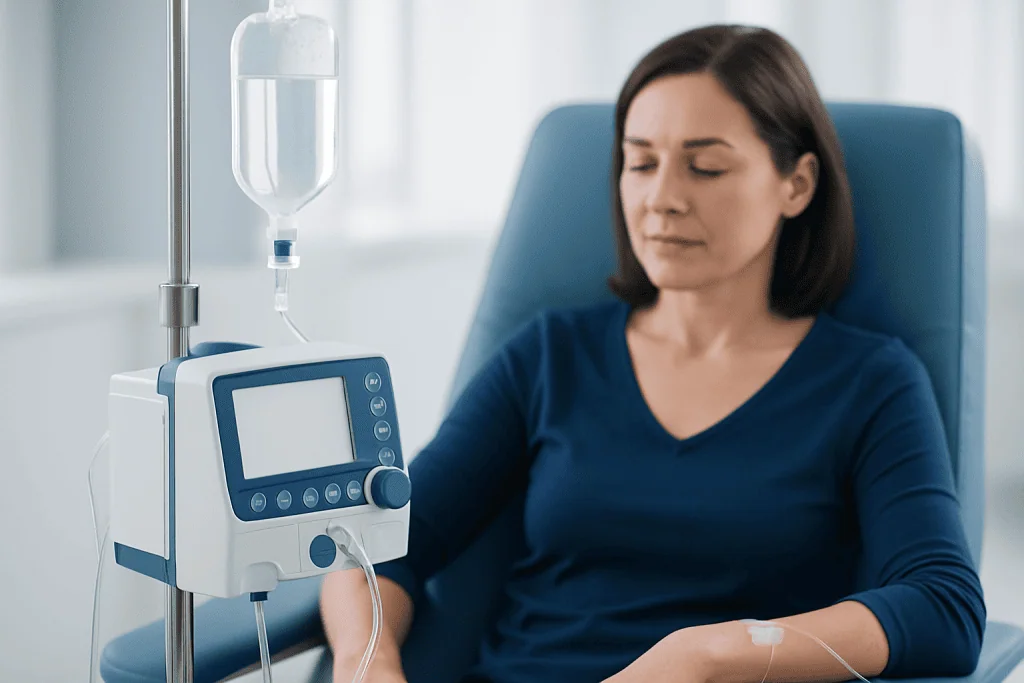
Doctors use IVIG infusion for a range of immune, neurologic, hematologic, and inflammatory conditions. One major use is antibody replacement for people with primary or secondary immune deficiency, where the body cannot produce enough effective antibodies. In these cases, IVIG helps lower the risk of recurrent infections and may improve quality of life.
Another major use is immune modulation. This means IVIG can help calm an overactive or misdirected immune response. For example, it may be part of care for certain nerve and muscle disorders, blood disorders, or autoimmune diseases where inflammation is causing symptoms.
Examples of conditions that may involve IVIG include Guillain-Barré syndrome, chronic inflammatory demyelinating polyneuropathy, some forms of myasthenia gravis, Kawasaki disease, and selected platelet disorders. In some situations, specialists may compare IVIG with or combine it with other therapies such as plasmapheresis or immunotherapy, depending on the condition and the treatment goal.
Not every immune-related illness is treated with IVIG, and it is not appropriate for every patient. Decisions are based on clinical guidelines, test results, symptom severity, and whether other standard treatments are more suitable.
What Happens Before and During an IVIG Infusion

Before starting treatment, the care team usually reviews the diagnosis, current medicines, allergies, kidney function, hydration status, and any history of blood clots, migraine, or previous infusion reactions. Blood tests may be done before treatment and sometimes during follow-up, especially when IVIG is used repeatedly.
The infusion is given through an intravenous line, often in an infusion center or hospital. Some patients receive treatment over several hours, while others may need a longer schedule or repeated infusions over consecutive days. Nurses usually start the infusion slowly and increase the rate step by step if the patient remains comfortable.
Monitoring during an IVIG infusion is an important part of care. Blood pressure, pulse, temperature, and symptoms may be checked at intervals. Patients are encouraged to report headache, chest tightness, itching, back pain, dizziness, or shortness of breath right away so the rate can be adjusted or the infusion paused if needed.
Simple steps can sometimes make the infusion easier to tolerate. These may include drinking enough fluids, having a light meal beforehand if advised, resting afterward, and following the team’s instructions about regular medicines. Some patients are also given premedication, such as pain relief or antihistamines, when there is a history of infusion-related symptoms.
Benefits, Limitations, and Response to Treatment
The potential benefit of IVIG infusion depends on why it is being used. In antibody deficiency, it may reduce the number and severity of infections. In autoimmune or inflammatory disorders, it may improve strength, reduce nerve-related symptoms, stabilize platelets, or help control disease activity. For some people, benefits appear quickly; for others, improvement may take several treatments to assess.
Even when IVIG is effective, it is not usually considered a cure. Some conditions require maintenance therapy at regular intervals, while others need IVIG only during acute episodes. Doctors often monitor symptoms, physical examination findings, and laboratory results over time to decide whether treatment should continue, change, or stop.
It is also important to understand the limitations of IVIG. Not all patients respond, and the degree of improvement can vary. Some conditions may respond better to other therapies, including steroid treatment or other immune-directed medicines, depending on the person’s diagnosis and risk profile.
A clear treatment plan helps set realistic expectations. Patients may benefit from asking what success looks like in their case, how long it may take to judge response, and what alternatives may be considered if IVIG does not provide enough improvement.
Possible Side Effects and Risks
Many people tolerate IVIG infusion well, but side effects can occur. Common reactions include headache, fatigue, fever, chills, muscle aches, flushing, nausea, and mild blood pressure changes. These symptoms are often related to the infusion rate and may improve if the infusion is slowed or supportive medications are used.
Headache is one of the more frequently reported issues after treatment. In some patients, especially those prone to migraine, headache can be more pronounced and may appear during or after the infusion. Drinking fluids, adjusting the rate, and discussing preventive steps with the care team may help reduce discomfort.
Less common but more serious risks can include allergic reactions, kidney problems, blood clots, hemolysis, aseptic meningitis, or breathing difficulty. These risks are not the same for every patient. They may be higher in people with underlying kidney disease, dehydration, a history of clotting disorders, cardiovascular risk factors, or certain product sensitivities.
Because IVIG is a biologic treatment, close supervision matters. Patients should tell their medical team about all health conditions and any symptoms that occur during or after infusion. Prompt recognition of side effects allows the team to respond quickly and adjust future treatment safely.
How Doctors Decide if IVIG Is Right for a Patient
Choosing IVIG infusion usually involves more than matching a diagnosis to a treatment. Doctors consider whether there is strong evidence that IVIG helps for that specific condition, how active or severe the illness is, whether previous therapies have worked, and whether the benefits are likely to outweigh the risks.
Evaluation may include blood tests, immune system studies, neurological examination, and sometimes imaging or other specialized tests, depending on the suspected disease. For example, in patients with neuropathy or muscle weakness, doctors may investigate disorders such as myasthenia gravis or other nerve-related conditions before deciding on treatment.
Personal factors also matter. Age, pregnancy status, kidney function, vascular risk, past reactions to blood products, and access to repeat infusions can all affect treatment planning. Some people may need a different formulation, a slower schedule, or an alternative therapy altogether.
This is one reason specialist care can be helpful. Immunologists, neurologists, hematologists, and other physicians may work together when IVIG is being considered for complex conditions. Near the end of the care pathway, some patients may choose centers such as Acibadem International, where multidisciplinary specialists in JCI-accredited hospitals evaluate and treat international patients with immune and neurologic disorders.
Self-Care After Infusion and Practical Tips
After an IVIG infusion, many patients can return to normal activity, but some prefer to rest for the remainder of the day. Mild tiredness, body aches, or headache can happen afterward, so it may help to avoid overexertion and drink fluids unless a doctor has advised fluid restriction.
Keeping a simple symptom diary can be useful, especially for patients receiving regular IVIG. Recording the infusion date, product used, how long the infusion lasted, and any symptoms afterward can help the care team adjust future treatments. This can be especially helpful if symptoms appear at a predictable time after each session.
Patients should also keep follow-up appointments and complete any recommended blood tests. Ongoing monitoring helps doctors see whether IVIG is working, whether side effects are developing, and whether the schedule should change. Vaccination timing may also need discussion, because IVIG can affect the response to some vaccines.
It is wise to contact the treatment team if common side effects become more intense than expected or do not settle. Early communication often makes future infusions smoother and safer.
When to Seek Medical Care
Patients should seek prompt medical care if they develop symptoms during or after an IVIG infusion that could suggest a serious reaction. These include chest pain, trouble breathing, swelling of the face or throat, fainting, severe rash, confusion, or a sudden severe headache unlike usual headache.
Urgent medical assessment is also important for signs that may point to a blood clot or neurologic complication, such as weakness on one side, trouble speaking, new vision changes, severe neck stiffness, or leg swelling with pain. Dark urine, reduced urination, or marked fatigue should also be reported because they may signal kidney or blood-related problems.
For milder symptoms such as low-grade fever, moderate headache, nausea, or fatigue, patients should still inform their doctor or infusion center, especially if symptoms persist or recur with each treatment. The team may be able to adjust the infusion rate, hydration plan, or premedication to improve tolerance.
Even when symptoms seem minor, patients should not ignore anything that feels unusual after IVIG. A qualified clinician can decide whether reassurance, observation, or urgent treatment is needed.
Frequently asked questions
What is IVIG infusion used for?
IVIG infusion is used to replace missing antibodies in some immune deficiencies and to regulate immune activity in certain autoimmune, blood, and neurologic disorders. The exact reason for treatment depends on the diagnosis and the goals of care.
How long does an IVIG infusion take?
The length of an IVIG infusion varies depending on the dose, the product, and how well the patient tolerates the infusion rate. Many infusions take several hours, and some treatment plans involve infusions over more than one day.
Are IVIG side effects common?
Mild side effects such as headache, chills, fatigue, flushing, or nausea are relatively common and often manageable. More serious reactions are less common but require prompt medical attention if they occur.
How quickly does IVIG start working?
Some patients notice improvement within days, especially in certain acute inflammatory conditions, while others need repeated treatments before benefits become clear. Response time depends on the disease being treated and the individual patient.
Is IVIG infusion the same as a blood transfusion?
No. IVIG is made from donated plasma and contains purified antibodies, but it is processed differently and used for different medical purposes than a standard blood transfusion. It is given to support or modify immune function rather than to replace blood cells.
Can someone drive home after IVIG infusion?
Some people feel well enough to drive after treatment, but others may feel tired, lightheaded, or develop a headache. It is often sensible to see how the first infusion is tolerated and ask the care team whether arranging a ride home is a better choice.
This article is for general information only and is not a substitute for professional medical advice. Please consult a qualified doctor about your individual situation.
Explore treatments in Turkey — costs, top hospitals & a free quote
JCI-accredited · board-certified surgeons · reply within 24h
Add us as a Preferred Source to see more of our trusted health content across Google Search, AI Overviews and Discover.
Check your numbers in seconds
BMI, calories, due date, blood pressure and 30+ more clinical calculators — free, instant, doctor-reviewed ranges.

More from the Health Library

Canker Sore: A Complete Medical Overview

Sphincter of Oddi Dysfunction: A Complete Medical Overview

Oversleeping: What Patients Need to Know

Pumpkin Seeds: What Patients Need to Know

Lidocaine Toxicity: An Evidence-Based Guide for Patients