Sphincter of Oddi Dysfunction: A Complete Medical Overview

Sphincter of Oddi dysfunction affects the small muscle valve between the bile and pancreatic ducts and the small intestine. Typical symptoms include recurring pain in the upper abdomen, nausea, and pain after eating; some people also develop pancreatitis.
Key Takeaways
- Sphincter of Oddi dysfunction affects the small muscle valve between the bile and pancreatic ducts and the small intestine.
- Typical symptoms include recurring pain in the upper abdomen, nausea, and pain after eating; some people also develop pancreatitis.
- Diagnosis can be challenging because symptoms overlap with gallstones, ulcers, liver disease, and other digestive conditions.
- Treatment depends on the pattern of symptoms, test results, and whether there is objective evidence of bile duct or pancreatic duct blockage.
- Anyone with severe pain, fever, jaundice, vomiting, or signs of pancreatitis should seek prompt medical care.
Sphincter of Oddi dysfunction is a disorder in which the muscular valve controlling the flow of bile and pancreatic juice does not relax or work normally. It can cause recurrent upper abdominal pain, often after gallbladder surgery, and may sometimes be linked with episodes of pancreatitis.
Overview: what sphincter of Oddi dysfunction means
Sphincter of Oddi dysfunction is a condition involving the ring-shaped muscle that regulates the flow of bile and pancreatic juice into the first part of the small intestine. When this muscle becomes too tight, spasms, or does not open in a coordinated way, digestive fluids may not drain normally. This can lead to episodes of pain and, in some cases, inflammation of the pancreas.
The disorder is most often discussed in people who have recurrent pain in the right upper abdomen or middle upper abdomen, especially after gallbladder removal. Not everyone with these symptoms has sphincter of Oddi dysfunction, and the condition can be difficult to confirm because many other digestive problems cause similar pain.
Current medical thinking is more cautious than in the past. Doctors now separate people who have clear signs of blockage in the bile or pancreatic ducts from those who have pain alone. This distinction matters because it helps guide which tests are useful and which treatments are more likely to help.
How the sphincter of Oddi works
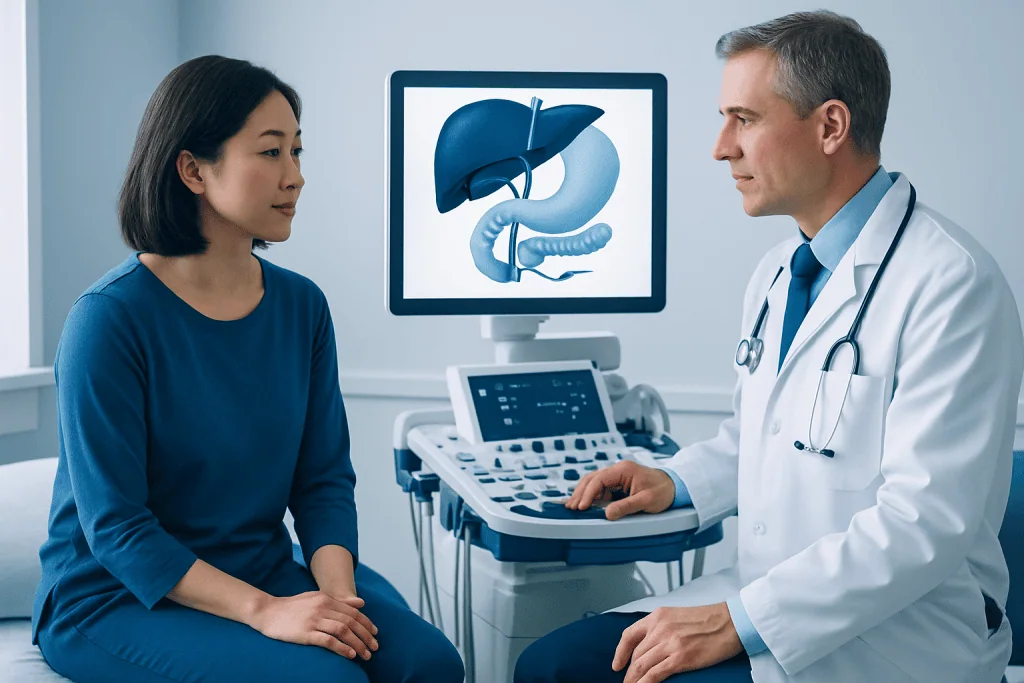
The sphincter of Oddi is located where the common bile duct and pancreatic duct empty into the small intestine. Its job is to open at the right time so bile from the liver and gallbladder, and pancreatic enzymes from the pancreas, can enter the intestine to help digest food.
In normal digestion, this valve relaxes in coordination with meals. If the sphincter does not relax properly, pressure may build up in the ducts. That pressure can trigger pain that feels deep, cramping, or steady, and may be difficult for a person to pinpoint.
Sphincter problems may involve the biliary side, the pancreatic side, or both. Biliary problems affect the drainage of bile and may cause pain in the right upper abdomen. Pancreatic involvement may lead to pain more central in the upper abdomen or even acute pancreatitis, which is a more urgent condition.
Symptoms and how they may feel

The main symptom of sphincter of Oddi dysfunction is recurrent upper abdominal pain. The pain may be felt in the right upper abdomen or the middle upper abdomen, and it can spread to the back or shoulder. Some people notice attacks after eating, especially after fatty meals, while others have episodes that seem unpredictable.
Symptoms can vary, but commonly include nausea, bloating, and occasional vomiting. The pain may last from minutes to several hours and can be severe enough to interrupt daily life. Between episodes, some people feel completely well, while others continue to have digestive discomfort.
Possible symptoms and associated features include:
- Recurring pain in the upper abdomen
- Pain after meals
- Nausea or vomiting
- Pain that radiates to the back or shoulder
- Temporary elevation of liver or pancreatic enzymes on blood tests
- Episodes of pancreatitis in some patients
These symptoms are not specific to this disorder. They can overlap with gallstones, peptic ulcer disease, liver disorders, functional gastrointestinal disorders, or pancreatitis. For that reason, a thorough medical evaluation is important before the diagnosis is considered likely.
Causes, triggers, and risk factors
The exact cause of sphincter of Oddi dysfunction is not always clear. In some people, the issue appears to be structural, meaning the opening is narrowed and drainage is physically limited. In others, the problem seems functional, involving abnormal muscle contractions or heightened pain sensitivity without a fixed narrowing.
One of the best-known associations is prior gallbladder removal. Some people continue to have biliary-type pain after cholecystectomy, and this can raise the question of sphincter of Oddi dysfunction. However, post-gallbladder pain has many possible explanations, so this history alone does not confirm the diagnosis.
Doctors may also consider this condition in people with recurrent unexplained pancreatitis, temporary rises in liver enzymes during pain attacks, or enlargement of the bile duct without another clear cause. Certain medications, especially those that affect smooth muscle tone, may aggravate symptoms in some individuals.
Even when the condition is suspected, the goal is to identify whether there is objective evidence of obstruction. This helps avoid unnecessary invasive procedures in patients whose pain may be due to another digestive or pain-processing disorder.
How doctors diagnose it
Diagnosis begins with a careful history and physical examination. Doctors usually ask about the location of pain, its timing in relation to meals, previous gallbladder surgery, prior episodes of pancreatitis, and any weight loss, fever, or jaundice. Blood tests may be done during or soon after an attack to look for changes in liver enzymes or pancreatic enzymes.
Imaging is often used to rule out more common causes. An abdominal ultrasound may check for stones, bile duct dilation, or liver problems. Depending on the symptoms, doctors may also use MRI with MRCP, CT, endoscopy, or endoscopic ultrasound. These tests can help identify whether there is a structural problem in the ducts or pancreas and can support evaluation through MRI when appropriate.
In the past, endoscopic pressure testing of the sphincter, called manometry, was used more often. Today it is used selectively because it is invasive and can trigger pancreatitis. Modern practice usually favors a stepwise approach: first excluding other causes, then looking for objective signs of obstruction, and only considering advanced procedures when the expected benefit outweighs the risks.
This careful approach is important because upper abdominal pain can come from several digestive conditions. A person may need assessment by a gastroenterologist and, in some cases, additional evaluation for pancreatic disease or other hepatobiliary disorders if warning signs are present.
Treatment options and when procedures are considered
Treatment depends on the person’s symptoms, test results, and whether there is convincing evidence that the sphincter is obstructing bile or pancreatic flow. For many patients, management begins conservatively. Doctors may review diet, medications, and other possible causes of pain before moving toward invasive treatment.
When symptoms are mild or the diagnosis is uncertain, supportive care and observation may be appropriate. Some patients may benefit from medications intended to reduce spasm or address related digestive symptoms, though results can vary. If pain has features of a functional gastrointestinal disorder, treatment may also focus on pain modulation and overall symptom control.
In selected patients with objective biliary obstruction, an endoscopic procedure called ERCP may be recommended. During ERCP, specialists can examine the bile and pancreatic ducts and, in some situations, perform a sphincterotomy to help drainage. Because ERCP carries real risks, especially pancreatitis, it is generally reserved for carefully chosen cases rather than routine use for unexplained pain alone.
If recurrent pancreatitis is part of the picture, treatment may also include managing pancreatic complications and avoiding triggers. Care is often coordinated through gastroenterology care with input from imaging, endoscopy, surgery, and pain specialists when needed. Near the end of the care pathway, patients seeking cross-border evaluation may also choose centers such as Acibadem International, where multidisciplinary specialists in JCI-accredited hospitals assess and treat complex digestive conditions for international patients.
Living with symptoms: self-care and prevention
There is no guaranteed way to prevent sphincter of Oddi dysfunction, but practical self-care may help reduce symptom flares or make episodes easier to manage. Many people find it useful to identify personal triggers, such as large meals or foods that seem to worsen upper abdominal pain.
General supportive measures may include eating smaller meals, limiting very fatty foods if they trigger pain, staying hydrated, and avoiding alcohol if pancreatitis has occurred or is a concern. It can also help to keep a symptom diary that records pain episodes, meals, medications, and any associated nausea or fever.
People should not repeatedly self-treat unexplained severe abdominal pain without medical advice. Ongoing or changing symptoms deserve professional evaluation because what seems like a known pattern can sometimes be caused by a different condition, including gallstones in the bile duct, ulcers, hepatitis, or pancreatic disease.
Follow-up matters, especially if previous blood tests or scans have shown duct dilation or abnormal enzymes. Clear communication with a doctor can help decide when to monitor symptoms and when to pursue additional testing.
When to seek medical care
Medical review is appropriate for recurring upper abdominal pain, especially if it starts after gallbladder surgery, interrupts daily activities, or keeps coming back after meals. A doctor should also assess pain linked with abnormal liver tests, a history of pancreatitis, or unexplained weight loss.
Urgent medical care is important if pain is severe or persistent, or if it happens with fever, jaundice, repeated vomiting, fainting, black stools, chest pain, or trouble breathing. These features can signal a problem that needs prompt treatment rather than routine follow-up.
Immediate attention is also needed if symptoms suggest pancreatitis, such as intense upper abdominal pain that spreads to the back, ongoing vomiting, or inability to keep fluids down. Early assessment can help identify complications and guide the right treatment quickly and safely.
Frequently asked questions
Is sphincter of Oddi dysfunction common?
It is considered relatively uncommon compared with other causes of upper abdominal pain. It is most often considered in people with recurring biliary-type pain after gallbladder removal or in those with unexplained recurrent pancreatitis.
Can sphincter of Oddi dysfunction happen after gallbladder surgery?
Yes, it is often discussed in people who continue to have pain after gallbladder removal. However, many other conditions can also cause post-gallbladder pain, so further evaluation is needed before this diagnosis is made.
How is sphincter of Oddi dysfunction different from gallstones?
Gallstones are solid deposits that can block the gallbladder or bile ducts. Sphincter of Oddi dysfunction involves abnormal function or narrowing of the muscle valve controlling drainage, even when no stone is present.
Does everyone with this condition need ERCP?
No. ERCP is usually reserved for selected patients with clear signs of duct obstruction or specific clinical indications because the procedure has risks, including pancreatitis. Many people are evaluated first with blood tests, imaging, and noninvasive assessment.
Can sphincter of Oddi dysfunction cause pancreatitis?
Yes, it can be associated with recurrent pancreatitis in some patients, especially when pancreatic drainage is affected. Because pancreatitis can become serious, symptoms such as severe upper abdominal pain and repeated vomiting need prompt medical attention.
What kind of doctor treats sphincter of Oddi dysfunction?
A gastroenterologist usually leads diagnosis and treatment. Depending on the situation, care may also involve endoscopy specialists, radiologists, surgeons, and pain specialists.
References
- National Institute of Diabetes and Digestive and Kidney Diseases
- American College of Gastroenterology
- National Institutes of Health
- American Gastroenterological Association
- National Health Service
This article is for general information only and is not a substitute for professional medical advice. Please consult a qualified doctor about your individual situation.
Explore treatments in Turkey — costs, top hospitals & a free quote
JCI-accredited · board-certified surgeons · reply within 24h
Add us as a Preferred Source to see more of our trusted health content across Google Search, AI Overviews and Discover.

More from the Health Library

TSH Test: What Patients Need to Know

Linden Tea — Explained by Medical Evidence, Not Myths

Foreskin: A Complete Medical Overview

Fish Pedicure: What Patients Need to Know

Spotting in Between Menstruation — Explained by Medical Evidence, Not Myths