Jacobsen Syndrome: Diagnosis, Outlook, and Modern Treatment Approaches

Jacobsen syndrome is also known as 11q deletion syndrome. It can affect the heart, blood clotting, growth, learning, and facial development.
Key Takeaways
- Jacobsen syndrome is also known as 11q deletion syndrome.
- It can affect the heart, blood clotting, growth, learning, and facial development.
- There is no single cure, but many symptoms and complications can be treated or managed.
- Early diagnosis helps families plan specialist care, developmental support, and follow-up.
- Outlook varies widely depending on the size of the chromosome deletion and the organs involved.
Jacobsen syndrome is a rare genetic condition caused by a deletion on chromosome 11, usually affecting growth, development, and more than one body system. Diagnosis relies on genetic testing, and treatment focuses on careful monitoring and coordinated care tailored to each child’s needs.
Overview: what Jacobsen syndrome means
Jacobsen syndrome is a rare chromosomal condition caused by the loss of a small piece of genetic material from the long arm of chromosome 11. For this reason, it is also called 11q deletion syndrome. The condition is present from birth and can affect several parts of the body, including growth, brain development, the heart, the blood and immune system, and facial structure.
The effects of Jacobsen syndrome are not the same in every child. Some children have milder developmental challenges, while others have more complex medical needs that require ongoing care. The differences depend partly on how much genetic material is missing and which genes are involved.
Because Jacobsen syndrome can involve several organ systems at once, care is usually coordinated across multiple specialties rather than focused on one symptom alone. This often includes genetics, pediatrics, cardiology, neurology, developmental medicine, and sometimes surgery or rehabilitation services.
Signs, symptoms, and everyday impact
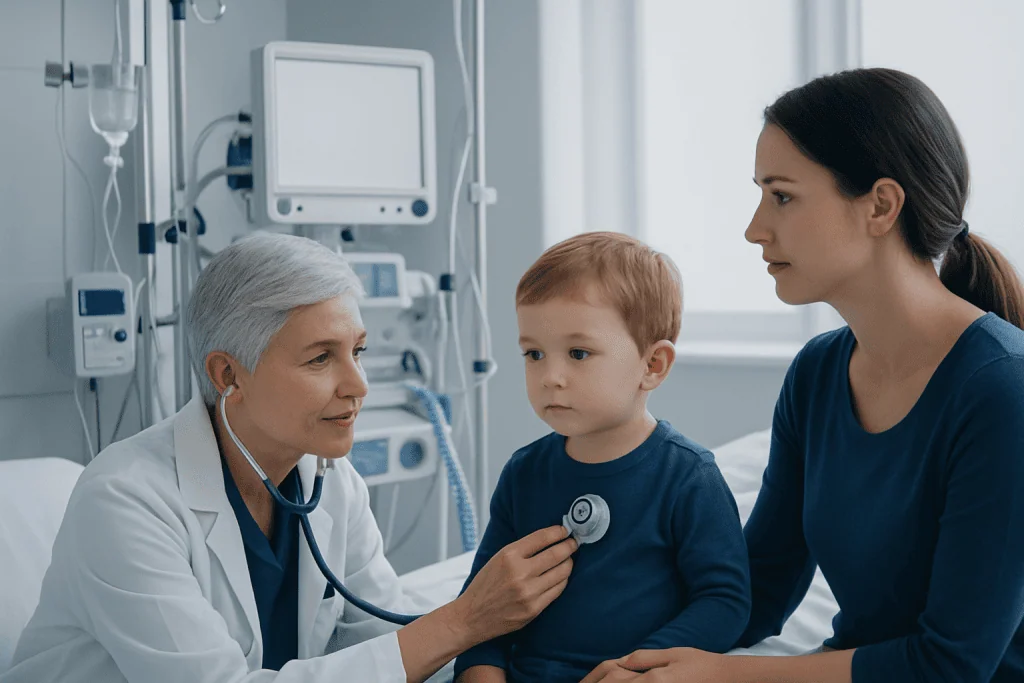
Many children with Jacobsen syndrome have recognizable features early in life. These may include slow growth before or after birth, low muscle tone, feeding difficulties, delayed motor milestones, and speech or learning delays. Distinctive facial features can also be present, such as wide-set eyes, drooping eyelids, a broad nasal bridge, or small lower jaw, although appearance alone is never enough to confirm the diagnosis.
Medical problems can vary. Some children are born with congenital heart defects, while others have platelet or bleeding problems, frequent ear infections, vision issues, hearing loss, constipation, kidney differences, or immune system concerns. Developmental and behavioral differences may also occur, including attention difficulties, autism spectrum features, or challenges with social communication.
In daily life, the condition may affect feeding, sleep, school readiness, coordination, and independence with age-appropriate skills. Even when symptoms are significant, early therapies and regular specialist follow-up can make a meaningful difference in function and quality of life.
- Common concerns include developmental delay, low muscle tone, and growth problems.
- Some children have easy bruising or prolonged bleeding because of platelet abnormalities.
- Heart, hearing, vision, and immune issues may need regular screening.
- Behavioral and learning support is often an important part of long-term care.
Causes and risk factors
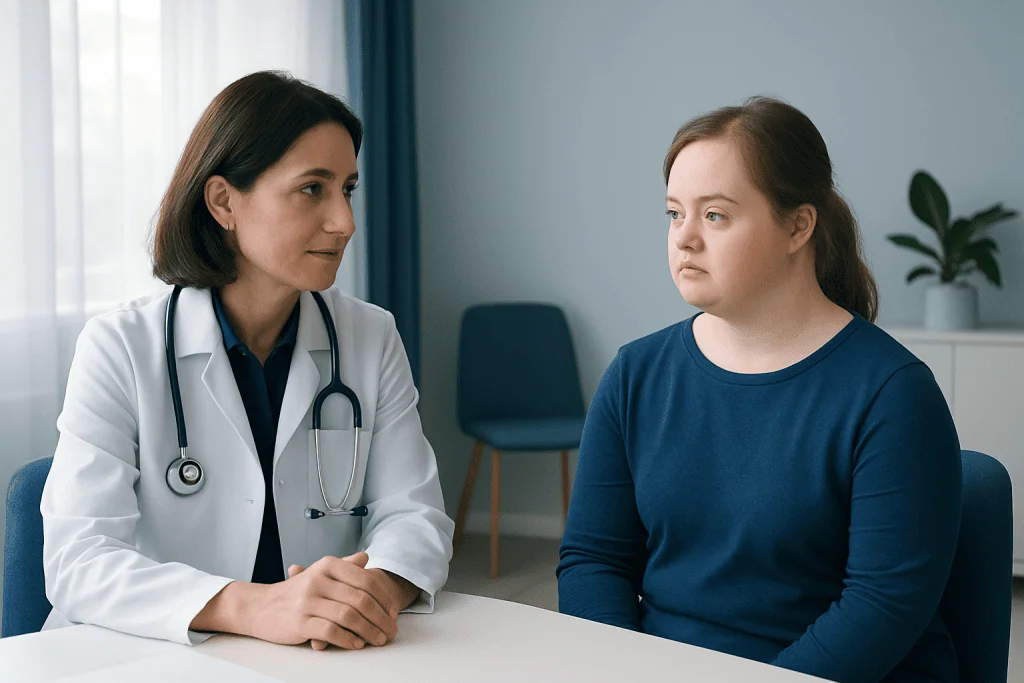
Jacobsen syndrome is caused by a deletion on chromosome 11q, meaning a segment of genetic material is missing. This deletion affects genes that are important for normal development. The condition usually happens spontaneously during the formation of the egg or sperm or very early after conception, so in many families there is no prior history of the syndrome.
Less commonly, the deletion is related to a balanced chromosomal rearrangement in one parent. In that situation, the parent is usually healthy because no genetic material is lost or gained, but the rearrangement can increase the chance of having a child with an unbalanced chromosome pattern such as Jacobsen syndrome. This is one reason genetic counseling is recommended after diagnosis.
Nothing in routine pregnancy behavior is known to cause Jacobsen syndrome. Parents should not feel responsible for the chromosome change. After a child is diagnosed, chromosome testing of the parents may help clarify whether the deletion occurred by chance or whether there is a rearrangement that could affect future pregnancies.
How Jacobsen syndrome is diagnosed
Diagnosis is confirmed with genetic testing. A doctor may first suspect Jacobsen syndrome because of a combination of developmental delay, growth concerns, distinctive physical features, a heart defect, or abnormal blood counts. However, the diagnosis cannot be made reliably from symptoms alone because many genetic conditions can look similar in early childhood.
Chromosomal microarray is commonly used to identify the deletion and determine its size. Karyotyping and other targeted genetic tests may also be used, especially when clinicians want to understand whether there is a larger structural chromosome change. If a parent may carry a balanced rearrangement, parental chromosome studies are often recommended as part of the evaluation.
Once Jacobsen syndrome is identified, further testing is usually guided by the child’s symptoms. This may include blood work for platelet function, echocardiography for congenital heart disease, hearing and vision assessments, developmental evaluations, brain imaging in selected cases, and specialist referrals when needed. If prenatal imaging raises concern during pregnancy, prenatal genetic testing may also detect the condition before birth.
Because several systems can be affected together, a structured diagnostic review helps create a practical care plan rather than only labeling the syndrome. This is especially helpful when doctors are also evaluating related issues such as congenital heart disease or developmental conditions.
Modern treatment approaches and long-term care
There is no single treatment that reverses the chromosome deletion, so Jacobsen syndrome care focuses on each child’s specific medical and developmental needs. Modern treatment is built around early recognition of complications, planned monitoring, and coordinated care among specialists. For many families, this team-based approach is the most important part of treatment.
Medical treatment may include care for heart defects, feeding support, treatment of infections, management of constipation, hearing and vision correction, and monitoring for bleeding problems. Children with heart abnormalities may need pediatric cardiology follow-up and, in some cases, pediatric cardiac surgery. If low muscle tone or developmental delays are present, early intervention services can include physiotherapy, occupational therapy, and speech-language therapy.
Some children benefit from structured developmental follow-up, educational planning, and behavioral support as they grow. When complex needs affect movement, communication, or daily function, clinicians may recommend pediatric rehabilitation to support independence and participation. If the diagnosis is part of a broader genetics work-up, families may also benefit from medical genetics consultation for counseling, recurrence risk discussion, and care coordination.
Treatment plans change over time because a baby’s priorities are not the same as those of a school-age child or teenager. Regular reassessment helps address new concerns early and supports transitions in care. Near the end of the care pathway, some families choose centers that can coordinate multiple specialties; Acibadem International’s multidisciplinary specialists and JCI-accredited hospitals diagnose and treat complex genetic conditions for international patients.
Outlook and living with Jacobsen syndrome
The outlook for Jacobsen syndrome varies widely. Some children have serious medical complications in infancy, especially when there are major heart defects or significant bleeding problems, while others have more stable health and primarily need developmental and educational support. Prognosis depends on the size of the deletion, the organs involved, and how early complications are recognized and treated.
Developmental delays are common, but progress is possible. Many children continue to gain communication, motor, and self-care skills over time, especially with consistent therapies and family support. Learning profiles can be uneven, meaning a child may do well in some areas and need more help in others.
For families, long-term care often includes regular appointments, school planning, and emotional support as well as medical treatment. Connecting with genetics professionals, developmental specialists, and patient support communities can help parents understand what to expect and make informed decisions over time.
Prevention, family planning, and self-care
Jacobsen syndrome itself cannot usually be prevented because it most often happens as a random genetic event. However, once a diagnosis is made, genetic counseling can help families understand recurrence risk and discuss options for future pregnancies. In some cases, testing of the parents shows a balanced chromosome rearrangement that may influence family planning decisions.
Self-care for families centers on day-to-day health maintenance and practical support. Keeping a clear record of test results, medications, specialist contacts, and emergency information can make care easier to manage. Parents are often encouraged to track bruising or bleeding symptoms, feeding concerns, developmental progress, and any changes in energy or behavior.
Children with Jacobsen syndrome may benefit from good sleep routines, regular dental care, vaccination advice tailored by their clinicians, hearing and vision follow-up, and early communication support. While home care does not replace medical treatment, it can improve comfort, function, and confidence in daily life.
When to seek medical care
Medical advice should be sought promptly if a baby or child has poor feeding, slow growth, unusual floppiness, repeated infections, developmental delays, easy bruising, or prolonged bleeding. A doctor should also evaluate any known or suspected heart-related symptoms such as fast breathing, bluish skin color, poor weight gain, or tiring during feeding.
Urgent care is important for heavy bleeding, head injury with bruising, breathing difficulty, seizures, severe lethargy, or signs of dehydration. Families who already know a child has Jacobsen syndrome should ask their care team which symptoms need emergency attention and whether special precautions are needed before surgery or dental procedures.
If there are concerns during pregnancy because of ultrasound findings or family chromosome history, referral for fetal medicine and genetic counseling is appropriate. Early evaluation does not change the chromosome deletion itself, but it can shorten the path to diagnosis and help organize safer, more timely care.
Frequently asked questions
What is Jacobsen syndrome?
Jacobsen syndrome is a rare genetic disorder caused by a deletion on the long arm of chromosome 11. It can affect growth, development, blood clotting, the heart, and other body systems. Symptoms and severity vary from one child to another.
Is Jacobsen syndrome inherited?
In many cases, Jacobsen syndrome happens spontaneously and is not inherited from either parent. In a smaller number of families, one parent carries a balanced chromosomal rearrangement that can increase recurrence risk. Genetic counseling helps clarify this after diagnosis.
How is Jacobsen syndrome diagnosed?
The diagnosis is confirmed with genetic testing, most often chromosomal microarray and sometimes karyotyping. Doctors may first suspect it based on developmental delay, birth defects, bleeding issues, or characteristic physical features. Additional tests are usually done to check the heart, blood, hearing, vision, and development.
Can Jacobsen syndrome be cured?
There is no cure that replaces the missing genetic material. Treatment focuses on managing symptoms, preventing complications, and supporting development. Many children benefit from coordinated care involving several specialists.
What are the most common complications?
Common complications include congenital heart defects, platelet-related bleeding problems, developmental delay, low muscle tone, feeding issues, hearing or vision concerns, and learning difficulties. Not every child has all of these problems. Ongoing follow-up helps doctors identify and treat complications early.
What is the life expectancy for someone with Jacobsen syndrome?
Outlook varies widely and depends on the severity of associated medical problems, especially heart disease and bleeding complications in early life. Some children need intensive medical support, while others have more stable health and mainly require developmental services. A child’s own care team is best placed to discuss individual prognosis.
References
- National Organization for Rare Disorders
- MedlinePlus Genetics
- Genetic and Rare Diseases Information Center
- American Academy of Pediatrics
- National Human Genome Research Institute
This article is for general information only and is not a substitute for professional medical advice. Please consult a qualified doctor about your individual situation.
Explore treatments in Turkey — costs, top hospitals & a free quote
JCI-accredited · board-certified surgeons · reply within 24h
Add us as a Preferred Source to see more of our trusted health content across Google Search, AI Overviews and Discover.

More from the Health Library


Related Specialists

Dr. Tekin Münür Ormancıoğlu
Ophthalmology
Dr. Şenol Durukan
Aesthetic Plastic & Reconstructive Surgery
Fzt. Faika Nur Erkol
Treatment of Lymphedema
Dr. Kumsal Kurucu
Acibadem Life Clinical Service