Joint Pain: Common Causes and When to See a Doctor

Joint pain can affect one joint or several and may arise from injury, arthritis, infection, inflammation, or overuse. Swelling, stiffness, reduced movement, warmth, and tenderness often help point to the cause.
Key Takeaways
- Joint pain can affect one joint or several and may arise from injury, arthritis, infection, inflammation, or overuse.
- Swelling, stiffness, reduced movement, warmth, and tenderness often help point to the cause.
- A doctor may use an exam, imaging, and sometimes blood or fluid tests to identify the reason for pain.
- Treatment depends on the cause and may include rest, activity changes, medicine, physical therapy, or procedures.
- Urgent medical evaluation is important if joint pain follows major injury or is linked with fever, marked swelling, redness, or inability to bear weight.
Joint pain is a common symptom that can come from injury, inflammation, arthritis, or overuse. Many causes are manageable with the right evaluation, and some signs mean a doctor should be seen sooner.
Overview
Joint pain is a symptom, not a diagnosis. It can involve the knees, hips, shoulders, hands, feet, spine, or any other joint, and it may feel aching, sharp, stiff, or throbbing. Some people notice pain only with movement, while others feel it even at rest.
In many cases, joint pain is related to a minor strain, overuse, or arthritis. Sometimes it comes from inflammation, infection, crystal buildup such as gout, or a problem outside the joint, such as referred pain from nearby muscles or nerves. Understanding the pattern of pain helps a doctor narrow down the cause.
Most joint pain is not an emergency, but it should not be ignored if it is persistent, worsening, or affecting daily activities. Early evaluation can help protect joint function and improve comfort. For people who need a structured assessment, imaging such as MRI may be one part of the diagnostic workup when a doctor suspects internal injury or inflammation.
Symptoms
Joint pain can appear in different ways depending on the cause. It may be localized to one joint or occur in multiple joints, and it may come on suddenly or develop gradually over time. Some people describe morning stiffness that improves with movement, while others notice pain after exercise or repetitive activity.
Common associated symptoms include swelling, warmth, redness, reduced range of motion, stiffness, clicking, or a feeling that the joint is unstable. Pain that is accompanied by fever, severe swelling, or a sudden inability to use the joint deserves prompt medical attention because it can suggest infection or a significant injury.
Doctors also pay attention to whether the pain is symmetric, whether it changes with rest or activity, and whether there are other symptoms such as fatigue, rash, or weight loss. These details can help distinguish arthritis from inflammatory conditions and other medical problems.
Common Causes and Risk Factors

Many different conditions can lead to joint pain. The most common include osteoarthritis, which develops when joint cartilage wears down over time, and inflammatory arthritis, such as rheumatoid arthritis, where the immune system attacks the joints. Other causes include sprains, strains, tendon problems, bursitis, gout, and joint infections.
Joint pain may also be linked to repetitive use, poor posture, excess body weight, previous injury, aging, or occupations and sports that place repeated stress on the same area. Some infections and systemic illnesses can trigger pain in several joints at once, especially when inflammation is present throughout the body.
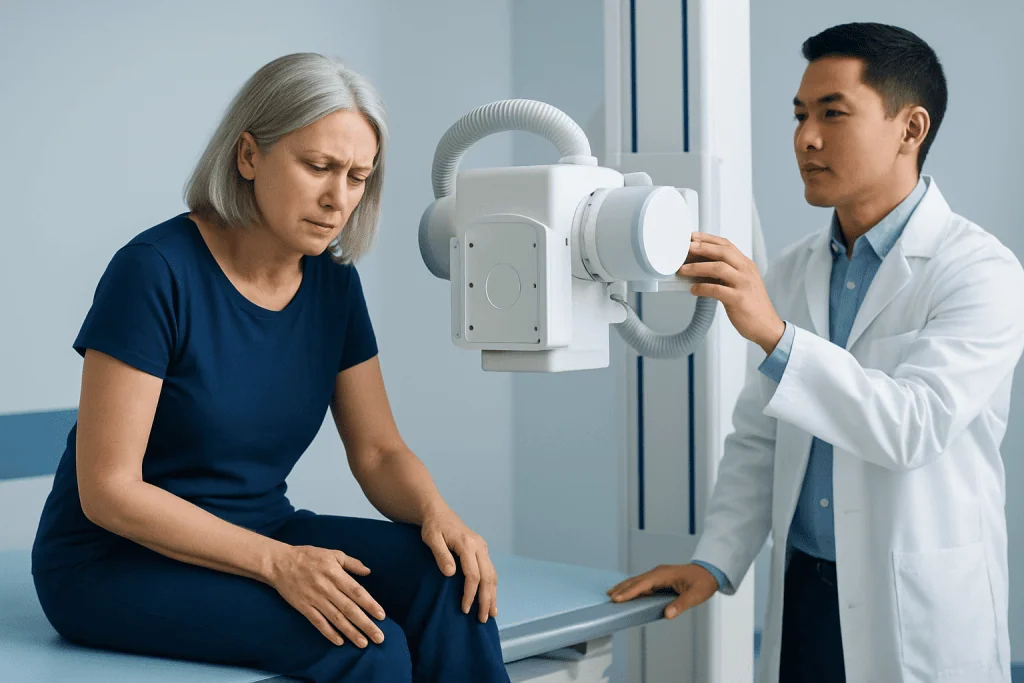
Risk factors vary by condition, but common ones include older age, family history of arthritis, prior joint trauma, certain metabolic disorders, and prolonged repetitive motion. A doctor may also consider whether pain started after a new medication, a recent illness, or a change in physical activity. When structural damage is suspected, X-ray is often used as a first-line imaging test to look for bone changes, alignment issues, or arthritis-related wear.
Diagnosis
Diagnosis begins with a careful history and physical examination. A doctor will ask when the pain began, which joints are involved, what makes it better or worse, and whether there are symptoms such as swelling, fever, stiffness, or skin changes. The exam may include checking range of motion, tenderness, stability, and signs of inflammation.
Testing depends on the suspected cause. Blood tests may look for inflammation, infection, autoimmune disease, or metabolic problems such as uric acid abnormalities. If there is significant swelling, a doctor may remove a small amount of joint fluid to check for crystals, blood, or infection. This can be especially helpful when gout or septic arthritis is being considered.
Imaging studies such as X-ray, ultrasound, MRI, or occasionally CT scan can help evaluate fractures, cartilage loss, tendon injury, or deeper joint problems. In some cases, a doctor may refer the patient to an orthopedist, rheumatologist, or another specialist for a more detailed assessment. The goal is not only to name the condition, but also to identify whether the pain is mechanical, inflammatory, infectious, or related to another body system.
Treatment Options
Treatment is based on the cause, the joint involved, and the severity of symptoms. Many people improve with rest, temporary activity modification, ice or heat, and over-the-counter pain relief recommended by a doctor. Supportive measures such as bracing, proper footwear, and gentle movement can also reduce strain on the joint.
When arthritis or inflammation is present, treatment may include physical therapy, targeted exercises, anti-inflammatory medicines, or other medications prescribed by a clinician. If the pain is caused by an infection, treatment may require urgent medical care and specific medicines or procedures. For some injuries or structural problems, a procedure or surgery may be needed to restore stability or function.
Some patients benefit from guided rehabilitation, which helps maintain flexibility, muscle strength, and healthy movement patterns while the joint heals. When a more detailed evaluation is needed, specialists may use arthroscopy to look inside a joint and treat certain conditions, or joint replacement when severe joint damage has limited daily function and other options are no longer effective. A doctor will explain the risks and benefits of any procedure in plain language.
Prevention and Self-care
Not every cause of joint pain can be prevented, but healthy habits may lower the risk of strain and support long-term joint health. Maintaining a healthy weight reduces stress on weight-bearing joints. Regular low-impact exercise, such as walking, swimming, or cycling, can help keep joints flexible and muscles supportive.
Good posture, proper lifting techniques, and balanced training can reduce unnecessary stress on the knees, hips, shoulders, and back. Warm-ups before exercise and gradual increases in activity are especially helpful for people returning to sport or recovering from an earlier injury. Adequate rest also matters, because overuse can worsen pain and prolong recovery.
At home, it is reasonable to pace activities, avoid movements that clearly worsen pain, and use cold packs for recent swelling or heat for stiffness if advised by a clinician. People with known arthritis may find that stretching, joint-friendly exercise, and consistent follow-up help them stay active with less discomfort. If pain keeps returning, it is better to reassess the cause than to simply push through it.
When to See a Doctor
Medical evaluation is important if joint pain lasts more than a short time, keeps returning, or interferes with daily activities such as walking, dressing, or using the hands. A doctor should also be seen if the pain follows an injury, especially if there is visible deformity, significant swelling, or difficulty bearing weight.
Prompt attention is recommended when joint pain is accompanied by fever, redness, warmth, severe swelling, or sudden loss of movement. These symptoms can suggest infection or a rapidly progressing inflammatory problem. Pain with numbness, weakness, or pain that spreads from the neck or back into a limb also deserves assessment.
Anyone with known arthritis should seek review if symptoms are changing, a new joint is involved, or everyday function is declining. For international patients who need coordinated care, Acibadem International’s multidisciplinary specialists and JCI-accredited hospitals diagnose and treat joint conditions with a patient-centered approach.
Living Well With Joint Pain
Living well with joint pain often means combining treatment with practical daily adjustments. Simple changes such as using assistive devices when needed, breaking tasks into smaller steps, and choosing joint-friendly exercise can reduce strain without stopping activity altogether.
It can also help to keep track of symptoms, including which joints hurt, how long stiffness lasts, and what activities trigger flare-ups. This information gives doctors a clearer picture and may make it easier to adjust the treatment plan over time. People with chronic joint pain often do best when they stay engaged in follow-up care rather than waiting until symptoms become severe.
With the right evaluation and support, many causes of joint pain can be managed effectively. The key is to identify the source, protect joint function, and seek medical advice when symptoms do not improve as expected.
Frequently asked questions
What is the most common cause of joint pain?
Osteoarthritis is one of the most common causes, especially in older adults, because it involves gradual wear of the joint cartilage. However, injuries, overuse, gout, and inflammatory arthritis can also cause joint pain, so the cause depends on the pattern of symptoms.
How can someone tell if joint pain is serious?
Joint pain is more concerning if it comes with fever, marked swelling, redness, warmth, deformity, or inability to use the joint. Pain that is severe, sudden, or follows a major injury should also be assessed promptly.
Does joint pain always mean arthritis?
No. Arthritis is common, but joint pain can also come from sprains, tendon inflammation, bursitis, gout, infection, or referred pain from nearby tissues. A doctor may need an exam and tests to determine the cause.
When should imaging be done for joint pain?
Imaging may be recommended when symptoms are persistent, there is a history of injury, or the doctor suspects arthritis, fracture, or internal joint damage. X-rays are often a first step, while MRI or ultrasound may be used for deeper or soft-tissue problems.
Can exercise help joint pain?
Yes, gentle and regular movement often helps, especially for arthritis and stiffness. The key is choosing low-impact activities and avoiding movements that clearly worsen symptoms, ideally with guidance from a doctor or physical therapist.
Should joint pain be treated at home first?
Mild pain from overuse or a minor strain can sometimes improve with rest and simple self-care. If pain does not improve, keeps returning, or is linked with swelling, fever, or injury, medical evaluation is the safer choice.
References
- World Health Organization
- National Institute of Arthritis and Musculoskeletal and Skin Diseases
- American College of Rheumatology
- Mayo Clinic
This article is for general information only and is not a substitute for professional medical advice. Please consult a qualified doctor about your individual situation.
Joint and spine care in Turkey — expert assessment & treatment
JCI-accredited · board-certified surgeons · reply within 24h
Add us as a Preferred Source to see more of our trusted health content across Google Search, AI Overviews and Discover.