Joint Replacement Surgery Risks: What Patients Should Know Before Treatment

Most joint replacement surgeries are successful, but every procedure has possible complications. Common risks include infection, blood clots, bleeding, stiffness, implant loosening, and anesthesia-related problems.
Key Takeaways
- Most joint replacement surgeries are successful, but every procedure has possible complications.
- Common risks include infection, blood clots, bleeding, stiffness, implant loosening, and anesthesia-related problems.
- A patient’s age, overall health, weight, smoking status, and medical conditions can affect surgical risk.
- Careful preoperative assessment, expert surgical care, and rehabilitation help lower complications.
- Early medical attention for fever, worsening pain, chest symptoms, or wound problems is important after surgery.
Joint replacement surgery can relieve pain and improve movement, but like any operation it carries potential risks. Understanding these risks, how they are reduced, and what to expect before and after treatment helps patients make informed decisions with their orthopedic team.
Overview: Understanding Joint Replacement Surgery Risks
Joint replacement surgery is a common orthopedic procedure used to treat severe joint pain and loss of function, most often in the hip or knee. During surgery, damaged joint surfaces are removed and replaced with artificial components designed to improve movement and reduce pain. For many people, this treatment can greatly improve daily life when other options such as medicines, exercise, or injections no longer help enough.
Even so, it is important to understand that joint replacement is still major surgery. “Risk” does not mean that a problem will definitely happen, but rather that certain complications are possible. Learning about these possibilities before treatment can help patients prepare, ask informed questions, and participate actively in recovery.
The level of risk is not the same for everyone. It depends on the joint involved, the reason for surgery, the patient’s general health, and how well preoperative planning and rehabilitation are carried out. An orthopedic specialist can explain which concerns are most relevant in an individual case and how they are managed.
Common Risks and Complications
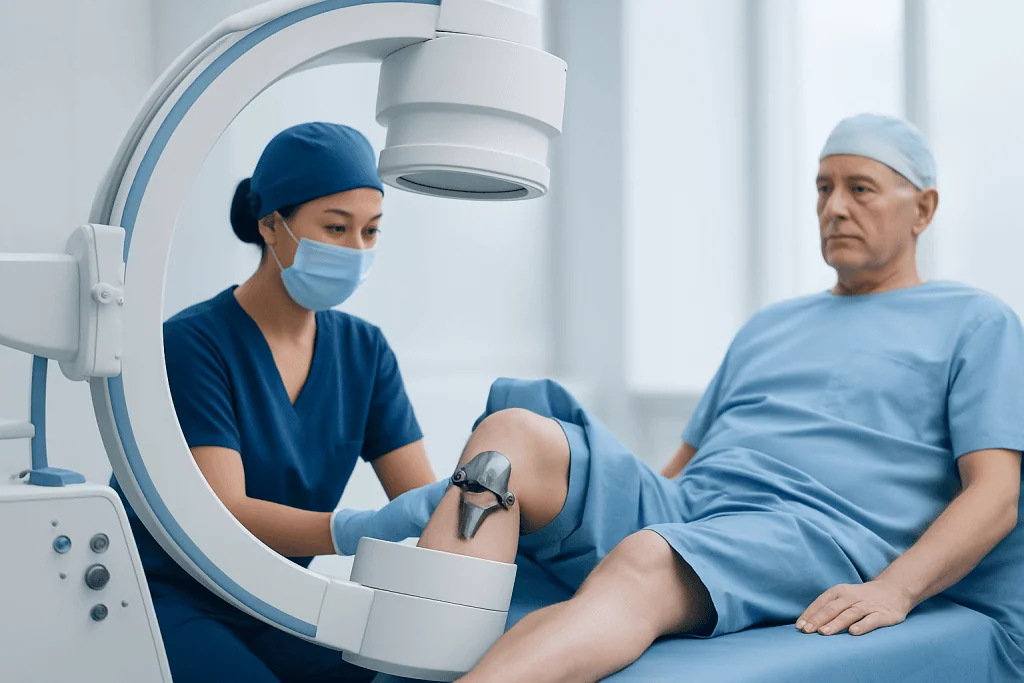
Several complications can occur after joint replacement surgery, although many are uncommon and can often be treated effectively when recognized early. Infection is one of the most important concerns. It may affect the skin incision or, more seriously, the tissues around the artificial joint. Signs can include increasing redness, swelling, drainage, fever, or pain that is worsening instead of improving.
Blood clots are another well-known risk, especially in the legs after hip or knee replacement. A clot in the leg may cause swelling, warmth, or calf pain. If part of the clot travels to the lungs, it can become a medical emergency and may cause chest pain, shortness of breath, or sudden dizziness. To reduce this risk, doctors often recommend early movement, compression devices, and blood-thinning medication when appropriate.
Other possible complications include bleeding, wound healing problems, nerve or blood vessel injury, and side effects related to anesthesia. Some patients may also experience stiffness, ongoing swelling, joint instability, a difference in leg length in some hip cases, or limited range of motion if rehabilitation is delayed.
Over time, the artificial joint itself can also create issues. The implant may wear down, loosen, dislocate, or fail mechanically, especially many years after surgery or after heavy strain. In some situations, a second operation, called revision surgery, may be needed. These risks are part of the reason surgeons discuss both the expected benefits and the long-term responsibilities of caring for a replaced joint.
Who May Have a Higher Risk?

Certain health factors can increase the chance of complications. Older age alone does not prevent surgery, but age-related conditions may influence recovery. Heart disease, lung disease, diabetes, kidney disease, immune system disorders, and poor circulation can all affect healing and the body’s response to surgery. Obesity may increase stress on the joint and raise the risk of wound problems or blood clots.
Lifestyle factors matter as well. Smoking can reduce blood flow, slow healing, and increase the risk of infection and lung complications. Heavy alcohol use may interfere with medications, nutrition, and recovery. Limited physical conditioning before surgery can also make rehabilitation harder afterward.
The reason for joint replacement is another factor. Patients having surgery for advanced osteoarthritis may have a different risk profile than those with inflammatory joint disease, prior fractures, or previous joint operations. Conditions such as osteoarthritis can gradually damage the joint over time, while earlier surgeries or significant deformity may make the procedure more complex.
Risk assessment is therefore highly individualized. Before surgery, the medical team usually reviews medical history, medications, allergies, prior surgeries, dental health, mobility, and support at home. This process helps identify ways to lower risk before the operation takes place.
How Doctors Assess Risk Before Surgery
Preoperative evaluation is an important step in making joint replacement safer. The orthopedic surgeon typically confirms that surgery is appropriate by reviewing symptoms, physical limitations, imaging results, and treatments already tried. In many cases, joint replacement is considered only after less invasive approaches have not given enough relief.
Patients often have blood tests, imaging, and a review by anesthesia or internal medicine specialists. These checks help identify anemia, infection, heart or lung concerns, blood sugar problems, or medication issues that may need attention before surgery. If a patient uses blood thinners or certain anti-inflammatory drugs, the team will explain whether they should be adjusted.
Doctors also look for possible sources of infection elsewhere in the body. Skin problems, dental infections, or urinary symptoms may need evaluation before the procedure. Optimizing diabetes control, stopping smoking, improving nutrition, and treating any active infection can all reduce postoperative complications.
In addition, the surgeon discusses expectations for pain control, mobility aids, physical therapy, and home support. This planning helps patients prepare practically and emotionally. When needed, some people may first benefit from non-surgical care such as physical therapy and rehabilitation to improve strength and movement before an operation is scheduled.
Treatment Choices and Ways to Reduce Risk
The decision to proceed with joint replacement should balance likely benefits against possible harms. Surgery may be recommended when pain is severe, daily activities are limited, sleep is affected, and imaging shows major joint damage. At the same time, some patients may prefer to delay surgery if symptoms are still manageable with conservative treatment.
Risk reduction starts before the operation and continues after it. Surgeons and hospital teams use sterile techniques, antibiotics, careful implant selection, and standardized safety protocols. Anesthesia teams monitor breathing, circulation, and pain control closely during and after the procedure. Early walking and exercise are usually encouraged because they support circulation and recovery.
Patients can also lower risk by following instructions carefully. Helpful steps may include stopping smoking, maintaining a healthy weight, managing blood sugar, reporting infections promptly, and preparing the home to reduce falls. Depending on the joint and condition, treatments such as knee replacement or hip replacement may be discussed when non-surgical options no longer provide enough function or pain relief.
Not everyone needs surgery right away. Some people continue to benefit from medicines, activity modification, assistive devices, weight management, or injections. For selected cases, joint-preserving approaches may be considered before moving to replacement, especially in younger or more active patients.
Recovery, Rehabilitation, and Long-Term Safety
Recovery after joint replacement is a major part of risk management. The operation itself is only one step; healing and rehabilitation continue for weeks to months. Patients are usually encouraged to move the joint safely, perform prescribed exercises, and attend follow-up visits so the team can monitor progress and address concerns early.
Pain, swelling, bruising, and fatigue are common at first and do not always mean that something is wrong. However, rehabilitation should lead to gradual improvement. Physical therapy helps restore strength, range of motion, balance, and confidence with walking or daily tasks. Following activity restrictions and using mobility aids correctly can help prevent falls and joint strain.
Long-term safety also depends on protecting the implant. High-impact activities may increase wear in some cases, while maintaining a healthy body weight can reduce stress on the new joint. Patients should also tell future healthcare providers that they have an artificial joint, especially before certain procedures or if they develop signs of infection elsewhere in the body.
For international patients seeking coordinated orthopedic care, Acibadem International’s multidisciplinary specialists and JCI-accredited hospitals diagnose and treat joint conditions while supporting evaluation, surgery, and rehabilitation planning.
When to See a Doctor Urgently
Patients should contact their surgical team or seek medical attention if recovery is not going as expected. Warning signs include increasing redness around the wound, pus or fluid drainage, fever, worsening pain after an initial period of improvement, or swelling that seems excessive or one-sided. These symptoms do not always mean a serious complication, but they should be assessed promptly.
Urgent evaluation is especially important for symptoms that could suggest a blood clot or lung problem. These include sudden shortness of breath, chest pain, coughing up blood, fainting, or severe leg swelling and pain. Such symptoms should never be ignored after surgery.
New numbness, weakness, inability to bear weight, or a feeling that the joint has shifted out of place also needs prompt medical review. Falls after surgery can damage the new joint or surrounding bone. Early treatment often improves outcomes and may prevent a minor issue from becoming a larger one.
Patients should feel comfortable asking questions at any stage. Open communication with the orthopedic surgeon, anesthesiologist, rehabilitation team, and primary doctor can make treatment safer and less stressful from preparation through long-term recovery.
Frequently asked questions
Is joint replacement surgery considered high risk?
Joint replacement is a major operation, but it is commonly performed and is generally considered safe when patients are carefully evaluated and monitored. The level of risk depends on the person’s age, general health, the joint involved, and whether other medical conditions are well controlled.
What is the most serious complication after joint replacement?
Infection and blood clots are among the most important complications doctors watch for after surgery. They are not the only risks, but they can become serious if not treated promptly, which is why close follow-up and early reporting of symptoms matter.
How long does it take to recover from joint replacement surgery?
Early recovery often begins within days, but full improvement may take weeks to months depending on the joint, the patient’s health, and rehabilitation progress. Many people notice gradual gains in pain relief and mobility over time rather than immediate, complete recovery.
Can a joint replacement wear out or fail?
Yes, artificial joints can loosen, wear down, or fail over time, especially after many years of use. Modern implants can last a long time, but longevity varies from person to person based on activity level, body weight, bone quality, and other factors.
How can patients lower their risk before surgery?
Patients can help reduce risk by stopping smoking, controlling diabetes, reviewing medications with their doctor, improving fitness within safe limits, and treating any active infections before the operation. Preparing the home and arranging help for recovery can also support safer rehabilitation.
What symptoms after surgery should prompt urgent medical care?
Urgent care is needed for chest pain, sudden shortness of breath, fainting, coughing up blood, or severe swelling and pain in the leg. Patients should also contact their doctor quickly for fever, increasing wound redness, drainage, worsening pain, or a new inability to move or bear weight on the joint.
References
- American Academy of Orthopaedic Surgeons
- National Institute for Health and Care Excellence
- National Institute of Arthritis and Musculoskeletal and Skin Diseases
- Centers for Disease Control and Prevention
- World Health Organization
This article is for general information only and is not a substitute for professional medical advice. Please consult a qualified doctor about your individual situation.
Joint Replacement in Turkey — costs, top hospitals & a free quote
JCI-accredited · board-certified surgeons · reply within 24h
Add us as a Preferred Source to see more of our trusted health content across Google Search, AI Overviews and Discover.

Orthopedics & Spine
Care for bones, joints and the musculoskeletal system, including joint replacement, sports injuries and trauma.
125 specialists in this unit