Jpmr Relaxation: What Patients Need to Know
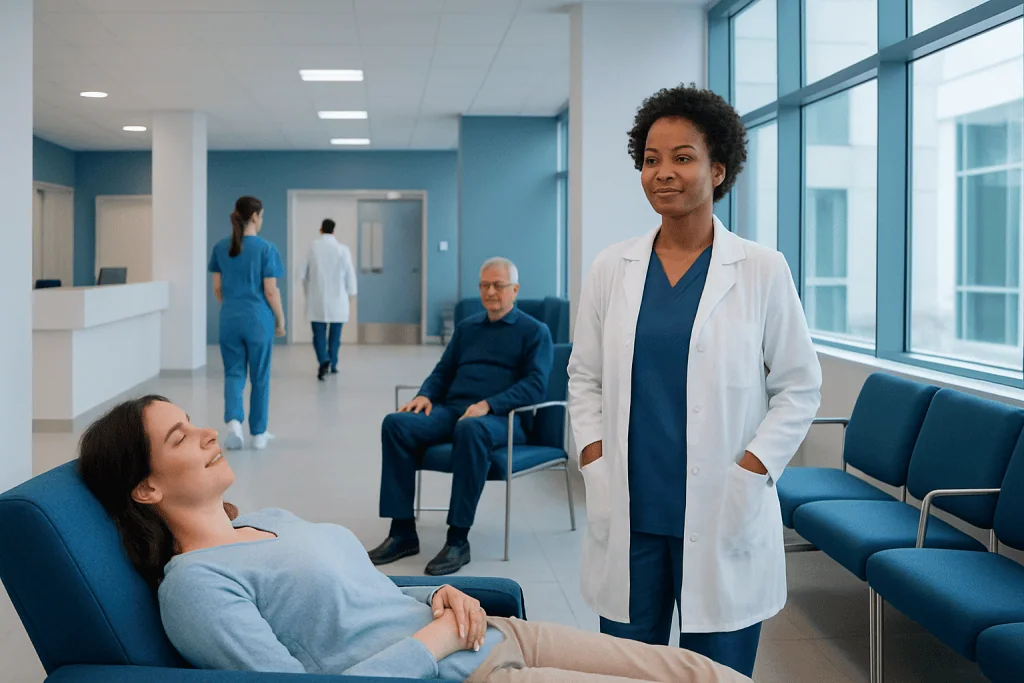
Jpmr relaxation works by helping a person notice and release muscle tension throughout the body. It is commonly used for stress, anxiety, headaches, sleep difficulty, and general physical tightness.
Key Takeaways
- Jpmr relaxation works by helping a person notice and release muscle tension throughout the body.
- It is commonly used for stress, anxiety, headaches, sleep difficulty, and general physical tightness.
- The technique is usually safe, but exercises should be adapted if a person has pain, injury, or a medical condition affecting muscles or joints.
- Regular practice often matters more than session length; even short daily sessions can be helpful.
- Jpmr relaxation is not a replacement for medical care when symptoms are severe, persistent, or unexplained.
Jpmr relaxation, also called progressive muscle relaxation, is a simple mind-body technique that involves gently tensing and then relaxing muscle groups one at a time. Many people use it to ease stress, reduce physical tension, and support sleep, often as part of a broader self-care or treatment plan.
What is jpmr relaxation?
Jpmr relaxation usually refers to Jacobson progressive muscle relaxation, a structured technique in which a person intentionally tightens and then releases different muscle groups in sequence. The method is designed to make physical tension easier to recognize and let go. Many people notice that when the body relaxes, the mind often feels calmer as well.
This technique has been used for many years in stress management, behavioral health, pain care, rehabilitation, and sleep support. It does not require special equipment, and it can be practiced at home, at work, or alongside professional care. Some people prefer an audio recording or therapist guidance at first, while others learn a simple routine and practice on their own.
Jpmr relaxation is not a cure for medical or mental health conditions, but it can be a useful supportive tool. It may be especially helpful for people who hold tension in the neck, shoulders, jaw, back, hands, or legs without realizing it. Because it builds awareness of muscle tightness, it can also help a person understand how stress affects the body.
How it works and who may benefit
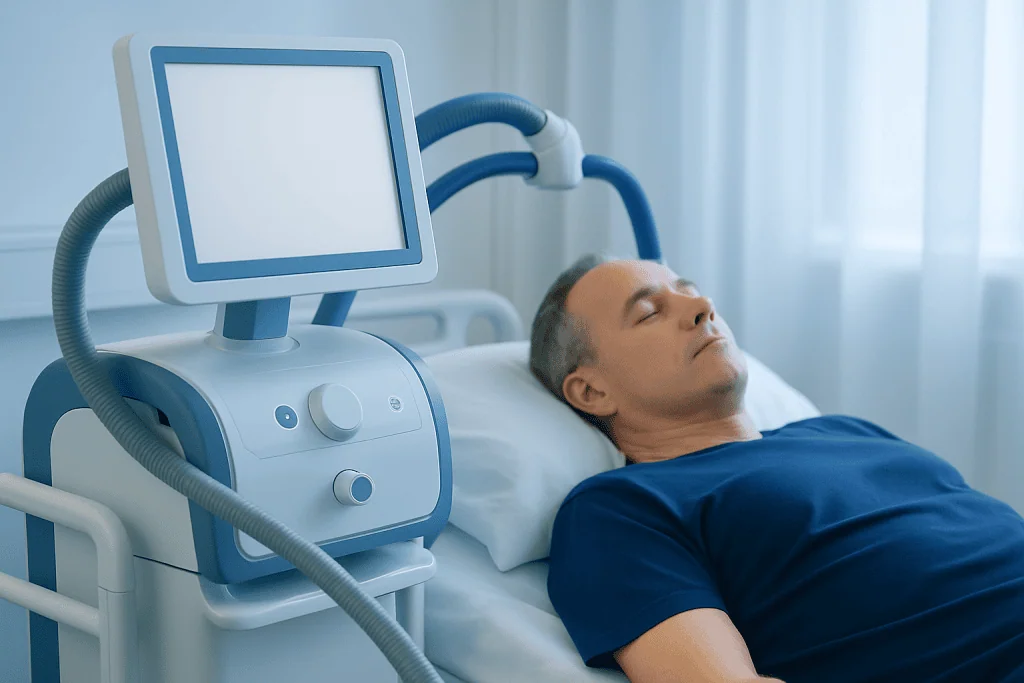
The core idea behind jpmr relaxation is that tension and relaxation feel different, and learning that difference can improve self-regulation. During a session, a person tightens one muscle group for a few seconds and then relaxes it, noticing warmth, heaviness, or ease. This repeated contrast can reduce the habit of staying physically tense during the day.
People use progressive muscle relaxation for many reasons. Common goals include lowering stress, calming the body before sleep, easing restlessness, and reducing the physical discomfort that can come with worry. It may also support people who experience recurring tension-related symptoms such as headaches, jaw clenching, or muscle tightness in the shoulders and back.
It can be helpful as part of care for stress-related and neurologic symptoms, especially when guided by a qualified clinician. In some cases, a doctor may evaluate whether muscle tension, sleep disruption, or pain is linked with another condition such as migraine or a broader concern involving the sleep-wake cycle. Progressive muscle relaxation may then be recommended alongside other treatment approaches.
Common uses and possible benefits
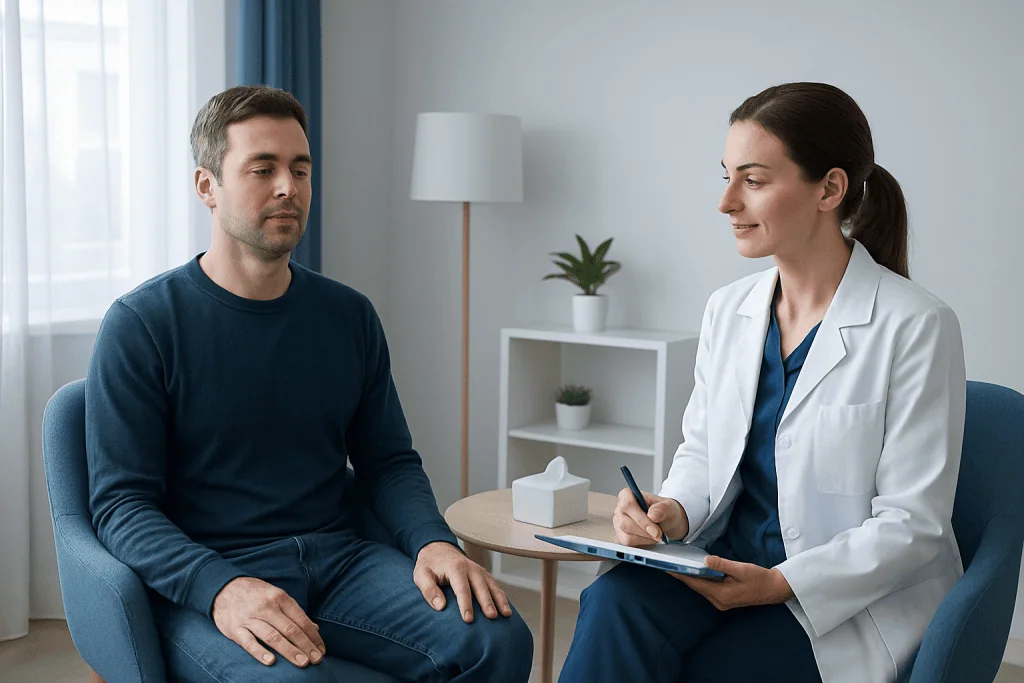
Many patients try jpmr relaxation because they want a practical technique they can use immediately. The benefits are often modest but meaningful, especially when the exercise is practiced consistently. Some people feel calmer after one session, while others notice gradual improvement over several days or weeks.
Possible benefits may include:
- Reduced sense of physical tension or tightness
- Improved awareness of stress in the body
- Easier transition into rest or sleep
- Support for coping with anxiety or overwhelm
- Less jaw, neck, shoulder, or back tension
- Better comfort during recovery, rehabilitation, or chronic symptom management
These effects vary from person to person. Jpmr relaxation tends to work best when it is part of a broader health plan that may also include good sleep habits, physical activity, breathing exercises, counseling, or treatment of underlying conditions. For people whose symptoms are tied to ongoing pain or mobility concerns, a clinician may also suggest physical therapy and rehabilitation as part of a more complete approach.
How to practice jpmr relaxation safely
A basic session usually takes 10 to 20 minutes. The person sits or lies in a comfortable position, loosens tight clothing if needed, and breathes slowly. They then move through the body in an orderly way, such as feet, calves, thighs, abdomen, hands, arms, shoulders, neck, and face. Each area is gently tightened for a short time and then fully released.
The exercise should never cause pain. A gentle contraction is enough; stronger tightening is not better. If a person has an injury, arthritis, recent surgery, severe pain, muscle spasm, or a neurological condition, they should avoid tensing the affected area and ask a clinician how to adapt the exercise. Relaxation-only versions, without active tightening, can also be used.
Helpful practice tips include:
- Choose a quiet setting with minimal interruptions.
- Breathe normally and avoid holding the breath.
- Notice the difference between tension and relaxation after each step.
- Practice once or twice daily for best consistency.
- Stop if dizziness, pain, or significant discomfort occurs.
Some people combine jpmr relaxation with guided breathing, mindfulness, or structured behavioral therapy. If stress, anxiety, or sleep problems are persistent, professional support such as psychotherapy may help address the underlying pattern as well as the physical tension.
Limits, side effects, and when it may not be enough
Jpmr relaxation is generally low risk, but it is not suitable for every symptom. It may be less helpful when distress is driven by an untreated medical disorder, significant trauma symptoms, major depression, panic attacks, severe chronic pain, or substance use. In those situations, relaxation can still be supportive, but it should not replace a proper medical evaluation.
Some people feel temporarily more aware of discomfort when they first practice. Others may become frustrated if they expect immediate results. This does not necessarily mean the technique is failing. Often, it simply takes time to learn how much tension is being carried and how to release it gently.
If a person has chest pain, fainting, new weakness, shortness of breath, major sleep disruption, persistent headaches, or unexplained muscle symptoms, a doctor should assess the cause. Depending on the situation, treatment may involve evaluation by specialists, supportive therapies, or a broader rehabilitation plan rather than relaxation exercises alone.
Using jpmr relaxation as part of a wider care plan
Progressive muscle relaxation is often most useful when it is matched to a person’s symptoms and daily routine. For example, someone with stress-related neck tension may use a short session during work breaks, while someone with difficulty falling asleep may practice it at bedtime. Keeping the technique simple can make long-term use easier.
Doctors and therapists may include this method in care plans for symptom control, behavior change, pain coping, and nervous system regulation. In some cases, clinicians combine it with breathing training, sleep hygiene, exercise, counseling, or medical treatment for an identified condition. A personalized plan is especially important when symptoms are frequent or interfere with daily life.
If symptoms are linked with pain, functional limitation, or recovery after illness, a physician may recommend supportive services such as neurological rehabilitation or other targeted rehabilitation strategies. Near the end of the care pathway, some patients also benefit from ongoing follow-up to refine how and when they use relaxation techniques. Acibadem International’s multidisciplinary specialists and JCI-accredited hospitals diagnose and treat related conditions for international patients when further assessment is needed.
When to seek medical care
Jpmr relaxation can be a helpful self-care method, but medical advice is important if symptoms are new, worsening, or difficult to explain. A healthcare professional can help determine whether muscle tension is the main issue or whether another physical or mental health condition is contributing.
A person should seek medical care if they have recurrent chest discomfort, severe anxiety, ongoing insomnia, daily headaches, jaw locking, numbness, muscle weakness, balance changes, or pain that limits normal activities. It is also wise to speak with a doctor before starting if there has been recent surgery, significant injury, or a condition affecting the muscles, joints, nerves, or breathing.
Prompt evaluation is especially important if symptoms come with fever, confusion, fainting, shortness of breath, or sudden neurological changes. In these cases, relaxation exercises should be delayed until urgent medical concerns have been assessed.
Frequently asked questions
Is jpmr relaxation the same as progressive muscle relaxation?
Yes. Jpmr relaxation usually refers to Jacobson progressive muscle relaxation, a technique based on tightening and then releasing muscle groups in sequence. The terms are often used interchangeably.
How long does a jpmr relaxation session take?
A full session often takes about 10 to 20 minutes, though shorter versions can also be useful. Many people start with a brief routine once a day and build consistency from there.
Can jpmr relaxation help with anxiety?
It may help reduce the physical tension that often comes with anxiety, such as tight shoulders, jaw clenching, or restlessness. However, it is usually best viewed as a supportive tool rather than a complete treatment for anxiety disorders.
Can progressive muscle relaxation help with sleep?
Many people use it before bedtime to help the body settle and transition into rest. It may be especially helpful when difficulty sleeping is linked with stress or physical tension.
Is jpmr relaxation safe for everyone?
It is generally safe when done gently, but people with pain, injuries, recent surgery, breathing problems, or neurological conditions may need modifications. If there is any concern, a doctor or therapist can advise how to adapt the technique safely.
What if tensing muscles makes pain worse?
The exercise should not be painful. If tightening a muscle group causes discomfort, that area should be skipped or replaced with a relaxation-only approach under professional guidance.
How often should a person practice jpmr relaxation?
Daily practice is often more helpful than occasional long sessions. Even a short routine done consistently can improve body awareness and make relaxation easier over time.
This article is for general information only and is not a substitute for professional medical advice. Please consult a qualified doctor about your individual situation.
Explore treatments in Turkey — costs, top hospitals & a free quote
JCI-accredited · board-certified surgeons · reply within 24h
Add us as a Preferred Source to see more of our trusted health content across Google Search, AI Overviews and Discover.

More from the Health Library

Torus Palatinus: An Evidence-Based Guide for Patients
Best Sweetener for Diabetics: What Patients Need to Know
Cholinergic Urticaria — Explained by Medical Evidence, Not Myths

Apple Before Bed: What Patients Need to Know

Schizoid — Explained by Medical Evidence, Not Myths