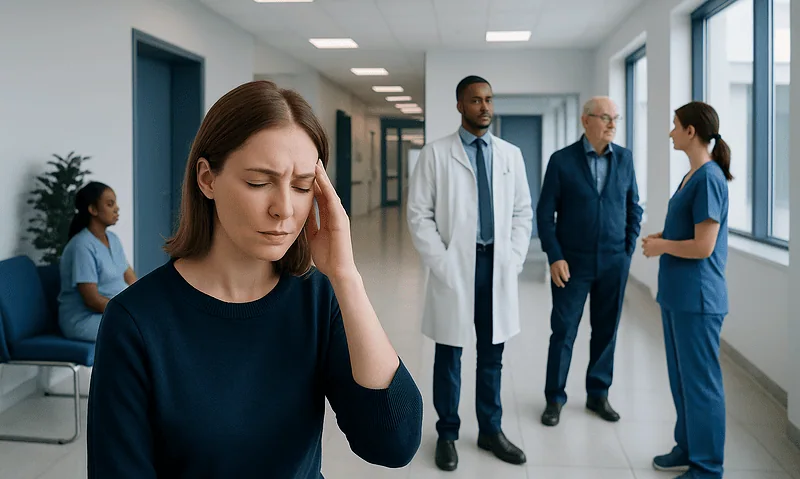
K Hole — Explained by Medical Evidence, Not Myths

A k hole usually refers to severe ketamine-induced dissociation, not a harmless or predictable experience. Symptoms can include confusion, immobility, hallucinations, panic, poor coordination, and reduced awareness of the environment.
Key Takeaways
- A k hole usually refers to severe ketamine-induced dissociation, not a harmless or predictable experience.
- Symptoms can include confusion, immobility, hallucinations, panic, poor coordination, and reduced awareness of the environment.
- The risk rises with higher doses, unknown drug purity, mixing substances, and underlying physical or mental health conditions.
- Emergency care is important if a person is hard to wake, has trouble breathing, has chest pain, seizures, severe agitation, or injuries.
- Treatment is supportive and focused on monitoring breathing, heart rate, blood pressure, temperature, hydration, and safety.
A k hole is an intense dissociative state linked to ketamine use, in which a person may feel detached from their body, surroundings, or sense of time. It is not a medical diagnosis itself, but it can become a medical emergency if breathing, consciousness, safety, or heart function are affected.
What a k hole means in medical terms
A k hole is a non-medical term people use to describe a very intense dissociative state after taking ketamine. In plain terms, the person may feel separated from their body, unable to move normally, unaware of what is happening around them, or disconnected from time and place. The experience can range from frightening confusion to near-unresponsiveness.
Ketamine is a medicine with legitimate uses in anesthesia and some carefully supervised treatments. Outside medical supervision, however, ketamine can affect the brain in unpredictable ways. A k hole is not simply “being high”; it may involve major changes in perception, memory, balance, speech, pain awareness, and judgment.
The exact experience varies by dose, route of use, body size, tolerance, and whether other substances are involved. Because people may be unable to protect themselves, a k hole can lead to falls, choking, accidental injury, aspiration, or delayed recognition of a serious overdose.
How ketamine affects the brain and body
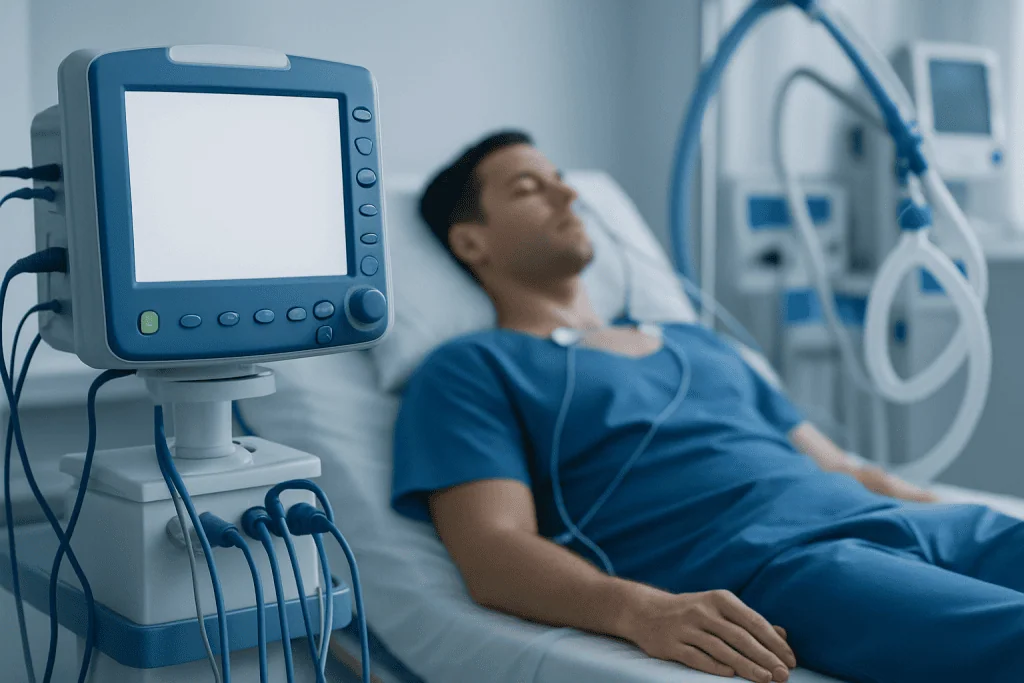
Ketamine mainly alters signaling in the brain by blocking N-methyl-D-aspartate, or NMDA, receptors. This can change how the brain processes sensation, pain, memory, and awareness. At lower doses, a person may feel detached, dream-like, or numb. At higher doses, this can become profound dissociation with marked confusion and loss of control.
These brain effects are often accompanied by physical changes. Ketamine can raise heart rate and blood pressure, impair coordination, cause nausea or vomiting, and reduce normal protective responses. Speech may become slurred, movements may look stiff or unsteady, and the person may not react appropriately to danger.
Ketamine is also linked to mental health effects such as anxiety, panic, agitation, or disturbing hallucinations. In some people, especially those with underlying psychiatric vulnerability, symptoms may resemble a psychotic episode or severe intoxication. When dissociation is extreme, specialists may evaluate for related neurological or psychiatric conditions such as delirium if the clinical picture is unclear.
Common symptoms and warning signs

People use the term k hole differently, but common features include feeling unreal, detached from the body, unable to move normally, or as if the environment is far away or distorted. Some describe intense visual or auditory changes, a sense of floating, or being unable to speak clearly. Others may seem awake but are difficult to engage and cannot respond in a meaningful way.
Warning signs can involve both mental and physical symptoms. Confusion, fear, agitation, poor balance, numbness, and unusual eye movements may occur. The person may stare, fall, vomit, or stop interacting. In more severe cases, there may be reduced consciousness, slowed breathing, blue lips, seizure-like activity, or collapse.
Not every ketamine-related emergency looks dramatic. A person who seems very still, quiet, or disconnected may still be at risk. Immediate help is especially important if symptoms develop after mixing ketamine with alcohol, opioids, benzodiazepines, stimulants, or unknown pills or powders.
- Severe confusion or inability to answer simple questions
- Extreme drowsiness or trouble waking up
- Breathing that is slow, shallow, or irregular
- Chest pain, palpitations, or fainting
- Vomiting, choking, or inability to protect the airway
- Severe agitation, panic, or behavior that creates danger
Why a k hole happens: causes and risk factors
The main cause of a k hole is taking enough ketamine to produce deep dissociation. Risk increases when the dose is high, repeated doses are taken in a short time, or the strength and contents of the drug are unknown. Illicit ketamine may be contaminated or mixed with other substances, making effects harder to predict.
How ketamine is used also matters. Intranasal, oral, smoked, or injected forms may have different onset times and intensity. Some people take more because they think the first dose is not working yet, then develop delayed but severe intoxication. Tolerance from prior use can make patterns of use more complicated and increase risky dosing behavior.
Mixing ketamine with other drugs is one of the most important risk factors for harm. Alcohol and sedatives can worsen impaired consciousness and breathing, while stimulants can add cardiovascular stress. Pre-existing heart disease, seizures, anxiety disorders, psychosis, or substance use disorder may also increase the chance of complications. Ongoing use can be associated with broader problems related to substance abuse, including injuries, mood changes, and dependence patterns.
How doctors assess and diagnose ketamine-related emergencies
There is no single test that labels someone as being in a k hole. Doctors diagnose ketamine intoxication based on symptoms, the person’s history, witness reports, physical examination, and vital signs. The first priority is always safety: checking breathing, pulse, blood pressure, temperature, oxygen level, and level of consciousness.
Because symptoms can overlap with head injury, low blood sugar, stroke, infection, or overdose from other drugs, clinicians may order additional tests. These can include blood tests, urine toxicology, electrocardiography, or brain imaging when needed. If the person has fallen, hit their head, or has focal neurological symptoms, urgent imaging may be considered, sometimes with MRI scan or other emergency imaging depending on the situation.
Assessment also looks for complications such as dehydration, aspiration, trauma, bladder symptoms, or prolonged agitation. In some cases, specialist teams in emergency medicine, intensive care, neurology, psychiatry, or addiction medicine are involved. The aim is not only to confirm ketamine exposure but also to rule out dangerous conditions that may look similar.
Treatment and recovery
There is no simple antidote specifically for ketamine intoxication in the way there is for some other substances. Treatment is usually supportive, meaning doctors protect the airway, monitor breathing and circulation, and help the body recover safely while the drug’s effects wear off. A calm, low-stimulation environment may reduce distress and agitation.
Medical care may include oxygen, intravenous fluids, cardiac monitoring, treatment for nausea, and management of injuries. If a person is severely agitated or at risk of harming themselves or others, clinicians may use medicines to settle symptoms safely. If breathing becomes compromised or consciousness drops significantly, advanced airway support and intensive monitoring may be required. In selected cases, doctors may also use intensive care if there is severe overdose, mixed-drug exposure, or unstable vital signs.
Recovery time varies. Some people improve over several hours, while others need longer observation, especially if multiple substances were taken. After the immediate event, doctors may recommend mental health or addiction follow-up. If ketamine use is becoming frequent, a structured review by psychiatry or addiction specialists can help address patterns of use, underlying distress, and relapse prevention.
Prevention, harm reduction, and longer-term health concerns
The safest way to prevent a k hole is to avoid non-medical ketamine use. For people who are at risk, it is helpful to understand that dose, purity, and timing are often uncertain, especially with drugs obtained outside regulated medical settings. Taking more because effects seem delayed is a common pathway to severe intoxication.
Repeated ketamine use may lead to problems beyond the immediate dissociative episode. These can include memory and concentration difficulties, mood symptoms, accidents, relationship strain, urinary tract symptoms, and ketamine-associated bladder damage. Chronic heavy use has also been linked to abdominal pain and broader physical and psychological harm.
People who are worried about their own use or someone else’s use should seek professional support early. Helpful steps can include an honest review of substance use, screening for anxiety, depression, or trauma, and a personalized plan for reducing harm or stopping use. Near the end of the care pathway, Acibadem International’s multidisciplinary specialists and JCI-accredited hospitals also provide assessment and treatment for international patients who need coordinated medical, neurological, or mental health evaluation.
When to seek medical care
Urgent medical care is needed if a person may be in a k hole and is difficult to wake, has breathing problems, has blue or pale skin, collapses, has a seizure, develops chest pain, or has severe agitation or confusion. Emergency help is also important if there is vomiting with reduced alertness, a head injury, signs of overdose from mixed substances, or any concern that the person is unsafe.
Even when symptoms seem less severe, medical assessment is wise if the person has ongoing confusion, hallucinations, irregular heartbeat, severe anxiety, or repeated vomiting. A doctor should also review anyone with frequent ketamine use, bladder pain, blood in the urine, memory changes, or concerns about dependence. If there are persistent neurological or mental health symptoms after intoxication, follow-up may include imaging, psychiatric review, and broader evaluation to make sure another condition is not being missed.
Frequently asked questions
Is a k hole the same as a ketamine overdose?
Not exactly. A k hole usually refers to profound dissociation from ketamine, but it can overlap with overdose or poisoning, especially when the person becomes unresponsive or has breathing or heart problems. Because the line is not always clear, severe symptoms should be treated as a medical emergency.
How long does a k hole last?
The length can vary depending on dose, route of use, body factors, and whether other substances were taken. Some people improve within a few hours, while others need longer observation because symptoms linger or complications develop. Recovery may also feel slower if there is dehydration, injury, or severe agitation.
Can someone die from a k hole?
Ketamine-related deaths are uncommon compared with some other drugs, but serious harm can occur. Risks include breathing problems, choking on vomit, dangerous behavior, falls, drowning, heart strain, or toxicity from mixed substances. Any episode with reduced consciousness or breathing difficulty needs emergency attention.
What should a bystander do if someone seems to be in a k hole?
Call emergency services if the person is hard to wake, has slow or irregular breathing, turns blue, has a seizure, collapses, or is acting in a way that puts them in danger. Keep them in a safe place, turn them onto their side if they are vomiting or very drowsy, and do not leave them alone. Avoid giving more substances, food, or drink.
Are there long-term effects from repeated ketamine use?
Yes. Repeated use may affect memory, concentration, mood, and daily functioning, and it can cause urinary tract symptoms or bladder injury over time. People with frequent use may also develop psychological dependence or use ketamine to cope with untreated mental health symptoms.
Can prescribed medical ketamine cause a k hole?
Ketamine used in medical settings is given in controlled doses with monitoring, so the context is very different from non-medical use. Even so, dissociation can occur as a known effect, which is why it is administered under professional supervision. People should never change prescribed use without consulting their treating clinician.
This article is for general information only and is not a substitute for professional medical advice. Please consult a qualified doctor about your individual situation.
Explore treatments in Turkey — costs, top hospitals & a free quote
JCI-accredited · board-certified surgeons · reply within 24h
Add us as a Preferred Source to see more of our trusted health content across Google Search, AI Overviews and Discover.
Check your numbers in seconds
BMI, calories, due date, blood pressure and 30+ more clinical calculators — free, instant, doctor-reviewed ranges.

More from the Health Library

Bacon Burger: An Evidence-Based Guide for Patients

Pepto Bismol for Stomach Virus: An Evidence-Based Guide for Patients

Giardia in Humans — Explained by Medical Evidence, Not Myths

Fluvoxamine: What Patients Need to Know

Laryngomalacia: An Evidence-Based Guide for Patients