Tingling in Head: A Complete Medical Overview

Tingling in head can come from the scalp, nerves, blood vessels, or the brain and nervous system. Common causes include anxiety, migraine, scalp inflammation, posture-related nerve irritation, and medication effects.
Key Takeaways
- Tingling in head can come from the scalp, nerves, blood vessels, or the brain and nervous system.
- Common causes include anxiety, migraine, scalp inflammation, posture-related nerve irritation, and medication effects.
- Sudden head tingling with weakness, trouble speaking, vision changes, or severe headache needs urgent medical care.
- Diagnosis depends on the full pattern of symptoms, timing, triggers, and a physical and neurological examination.
- Treatment focuses on the underlying cause and may range from self-care to specialist neurological evaluation.
Tingling in head is a symptom rather than a diagnosis. It is often related to harmless causes such as scalp irritation, stress, or headache conditions, but it can also signal nerve, circulation, or neurological problems that deserve medical assessment.
Overview: what tingling in head can mean
Tingling in head usually describes an unusual prickling, crawling, pins-and-needles, or lightly numb sensation felt on the scalp, forehead, face, or deeper inside the head. In medical terms, this type of altered sensation is often called paresthesia. It can be brief and harmless, or it can be a clue that the nerves, skin, blood flow, or central nervous system need closer attention.
Many people notice head tingling during times of stress, after sitting in one position for a long time, during a migraine, or along with scalp sensitivity. Others feel it together with neck tightness, dizziness, facial tingling, or headache. Because the symptom can have several different sources, it is more useful to look at the whole pattern than at the tingling alone.
In most cases, tingling in head is not an emergency. Still, it should not be ignored if it is new, recurring, persistent, one-sided, or accompanied by symptoms such as weakness, speech problems, trouble walking, confusion, or sudden severe pain. Those features can point to a more serious neurological or vascular cause, including stroke.
How head tingling may feel and related symptoms
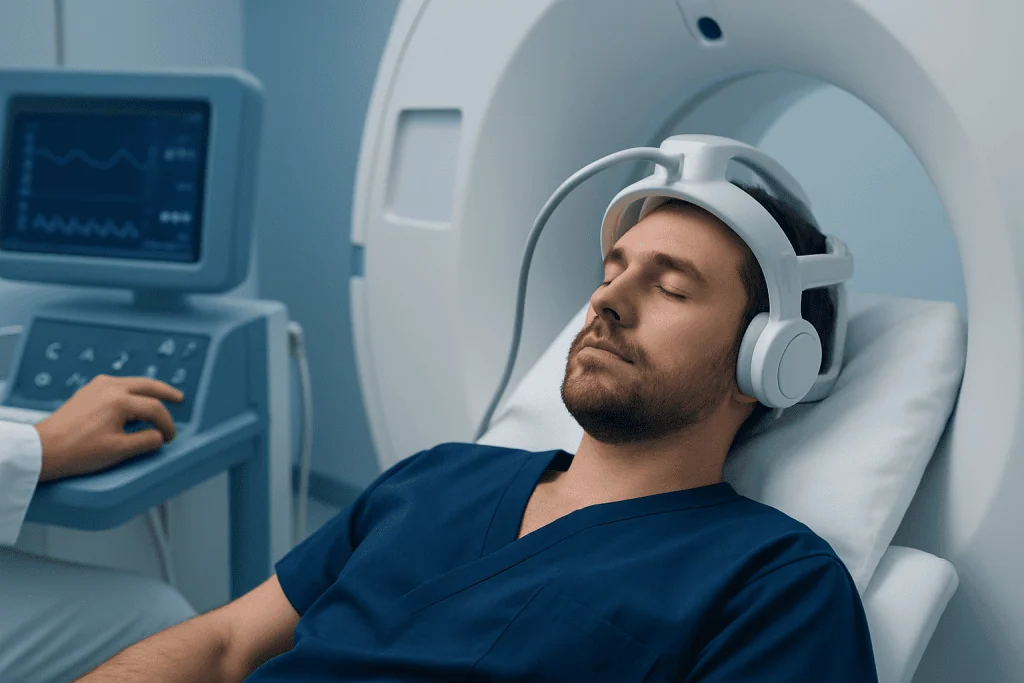
People describe tingling in head in different ways. It may feel like pins and needles on the scalp, light buzzing, burning, crawling, pressure with tingling, or patchy numbness. Some notice it only for a few seconds; others have symptoms that come and go over days or weeks. The location also matters: symptoms may affect the top of the head, the back of the scalp, one temple, the forehead, or spread into the face and neck.
Associated symptoms often help narrow the cause. Tingling linked to migraine may occur with visual changes, nausea, light sensitivity, or one-sided head pain. Tingling related to anxiety can appear with rapid breathing, a racing heart, chest tightness, and a sense of panic. Scalp conditions may cause itching, tenderness, flaking, or pain to touch.
Symptoms that deserve particular attention include facial drooping, arm or leg weakness, difficulty speaking, imbalance, fainting, double vision, seizures, or a severe “worst headache” sensation. Tingling that is clearly limited to one side of the face or scalp can also suggest a nerve problem, migraine aura, or a neurological condition rather than simple scalp sensitivity.
Common causes and risk factors

One practical way to understand tingling in head is to group causes into skin and scalp conditions, nerve-related causes, headache disorders, and systemic or neurological illnesses. A dry or irritated scalp, allergic reactions to hair products, tight hairstyles, sunburn, or inflammation can stimulate the small sensory nerves in the skin and create tingling or burning sensations. Neck muscle tension and poor posture may also irritate nerves that supply the scalp, especially at the back of the head.
Migraine is another well-recognized cause. Some people develop sensory aura before or during a migraine, including tingling in the scalp, face, or one side of the body. Occipital neuralgia can cause sharp, electric, or tingling pain that starts in the upper neck and travels over the scalp. Anxiety and hyperventilation may also produce tingling sensations, partly because changes in breathing can affect nerve excitability and body chemistry.
Less common but important causes include vitamin deficiencies, especially low vitamin B12; medication side effects; infections affecting nerves; metabolic problems such as diabetes; and neurological diseases including multiple sclerosis. In some cases, doctors may also consider transient ischemic attack or stroke if symptoms begin suddenly or occur with weakness, confusion, or visual loss. When headache is a major accompanying symptom, further evaluation for conditions such as migraine may be helpful.
- Scalp irritation, dermatitis, or tight hairstyles
- Muscle tension or nerve compression from the neck
- Migraine with or without sensory aura
- Anxiety, stress, or hyperventilation
- Vitamin deficiencies or medication effects
- Neurological or vascular disorders
How doctors evaluate tingling in head
Diagnosis starts with a detailed history. A doctor will usually ask when the tingling began, whether it comes and goes or stays constant, where it is felt, and what other symptoms occur with it. They may ask about headaches, recent infections, stress, neck pain, injuries, new cosmetic or hair products, medications, sleep patterns, and any personal or family history of migraine or neurological disease.
The physical examination often includes both a general and neurological assessment. This may involve checking scalp tenderness, skin changes, reflexes, strength, facial movement, sensation, balance, coordination, and vision. If neck tension or nerve irritation is suspected, the doctor may also examine posture and range of motion in the cervical spine.
Testing is not necessary for everyone. Depending on the findings, a clinician may recommend blood tests to look for vitamin deficiencies, thyroid problems, inflammation, or blood sugar abnormalities. Brain imaging or nerve-related tests may be considered when symptoms are sudden, focal, progressive, or otherwise unexplained. In some cases, MRI is used to look for structural or neurological causes, and neurology evaluation may help when symptoms are recurrent or difficult to explain.
Treatment depends on the underlying cause
There is no single treatment for tingling in head because the symptom can arise from many different conditions. Care is directed at the cause. If scalp irritation is responsible, avoiding triggers, treating inflammation, and adjusting hair or skin products may be enough. If neck strain contributes to symptoms, posture improvement, stretching, and treatment of muscle tension can reduce nerve irritation.
When migraine is the source, treatment may include identifying triggers, improving sleep and hydration, and using medications recommended by a doctor for acute attacks or prevention. If symptoms suggest nerve pain, targeted therapies may be considered based on the exact diagnosis. Anxiety-related tingling often improves when breathing normalizes and the person uses stress-management strategies, though recurrent anxiety symptoms should still be discussed with a healthcare professional.
More serious causes require specific care. For example, neurological conditions may need ongoing specialist follow-up, and vascular causes require urgent assessment. If a doctor suspects an underlying disorder affecting the brain or nerves, referral for brain and nerve care or other specialist treatment may be appropriate. The best approach is individualized, especially when tingling is persistent, unusual, or associated with other neurological signs.
Self-care, prevention, and monitoring symptoms
Simple measures can help when tingling in head is related to lifestyle factors, tension, or scalp sensitivity. It may help to stay well hydrated, maintain regular sleep, limit known migraine triggers, and avoid prolonged positions that strain the neck. People who work at desks or spend long periods looking down at devices may benefit from posture adjustments and frequent movement breaks.
Scalp care also matters. Gentle hair products, avoiding harsh chemicals, protecting the scalp from sun exposure, and not wearing hairstyles that pull tightly can reduce irritation. Relaxation techniques such as slow breathing, mindfulness, or light exercise may be useful when symptoms flare during stress.
Keeping a symptom diary can be very useful for recurring episodes. Recording the timing, location, duration, associated symptoms, stress level, foods, sleep, menstrual timing, and any headache can help a doctor identify patterns. Self-care is helpful, but repeated or unexplained tingling should still be reviewed medically, especially if it changes over time or starts interfering with daily life.
When to seek medical care
Medical care should be sought urgently if tingling in head starts suddenly and is accompanied by weakness, facial drooping, slurred speech, vision loss, severe dizziness, confusion, fainting, seizure, or a sudden intense headache. These symptoms can indicate a medical emergency and should be assessed without delay.
A non-urgent medical appointment is appropriate if the tingling keeps returning, lasts for days, affects one side, spreads to the face or limbs, or is linked to headaches, neck pain, numbness, or balance problems. It is also sensible to seek evaluation if there has been a recent head or neck injury, a new medication, or symptoms suggestive of infection or inflammation.
For international patients who need further assessment, Acibadem International’s multidisciplinary specialists and JCI-accredited hospitals evaluate neurological symptoms using modern diagnostic tools and coordinated care. If there is concern about persistent headaches, nerve symptoms, or brain-related causes, doctors may consider pathways that include comprehensive check-up alongside specialist review.
Frequently asked questions
Is tingling in head usually serious?
Often, no. Tingling in head is commonly related to temporary issues such as stress, migraine, scalp irritation, or neck tension. It becomes more concerning when it is sudden, one-sided, persistent, or occurs with weakness, speech trouble, or vision changes.
Can anxiety cause tingling in the head?
Yes, anxiety can contribute to tingling sensations in the head or scalp. Stress and rapid breathing can affect nerve sensitivity and lead to pins-and-needles feelings. Even so, repeated symptoms should be reviewed to make sure another cause is not being missed.
Can migraine cause a tingling sensation in the scalp or face?
Yes. Some people with migraine experience sensory aura, which may include tingling, numbness, or unusual sensations in the scalp, face, or one side of the body. These symptoms often develop gradually and may occur before or during the headache phase.
Should tingling in head be checked if there is no headache?
It can still be worth checking, especially if the symptom is new, keeps returning, or lasts longer than expected. Not all causes of head tingling involve headache. Nerve irritation, scalp disorders, anxiety, and some neurological conditions can occur without pain.
What kind of doctor evaluates tingling in head?
A primary care doctor can usually start the evaluation and decide whether specialist care is needed. Depending on the symptoms, the next step may involve a neurologist, dermatologist, or ear, nose, and throat specialist. Emergency evaluation is needed if stroke-like symptoms are present.
Can poor posture or neck problems cause head tingling?
Yes, they can. Tight neck muscles or irritation of nerves that travel from the upper neck to the scalp may create tingling, burning, or electric-like sensations. This is one reason posture, work setup, and neck movement are often discussed during assessment.
References
- National Institute of Neurological Disorders and Stroke
- American Academy of Neurology
- Mayo Clinic
- MedlinePlus
- National Health Service
This article is for general information only and is not a substitute for professional medical advice. Please consult a qualified doctor about your individual situation.
Hair transplant in Turkey — costs, graft counts & a free assessment
JCI-accredited · board-certified surgeons · reply within 24h
Add us as a Preferred Source to see more of our trusted health content across Google Search, AI Overviews and Discover.

More from the Health Library

Dislocated Wrist: An Evidence-Based Guide for Patients

C Diff: A Complete Medical Overview

Blood Alcohol Level: What Patients Need to Know

Corned Beef Is Healthy: A Complete Medical Overview

Fuchs Dystrophy: An Evidence-Based Guide for Patients