Kawasaki Disease: Early Signs, Risk Factors, and How It Is Treated

Kawasaki disease usually causes a fever lasting at least five days along with rash, red eyes, red or cracked lips, swollen hands or feet, and enlarged lymph nodes. The exact cause is unknown, but it is thought to involve an abnormal immune response in genetically susceptible children.
Key Takeaways
- Kawasaki disease usually causes a fever lasting at least five days along with rash, red eyes, red or cracked lips, swollen hands or feet, and enlarged lymph nodes.
- The exact cause is unknown, but it is thought to involve an abnormal immune response in genetically susceptible children.
- Early treatment with intravenous immunoglobulin and aspirin can lower the risk of coronary artery complications.
- Diagnosis is based on symptoms, examination, and tests to look for inflammation and heart involvement.
- Children need follow-up, especially if there are signs of coronary artery changes on echocardiography.
Kawasaki disease is an inflammatory illness that mainly affects young children and can involve the blood vessels, especially the coronary arteries that supply the heart. It is treatable, and prompt medical care in the first days of illness helps reduce the risk of heart-related complications.
Overview
Kawasaki disease is a condition that causes inflammation in medium-sized blood vessels throughout the body. It most often affects infants and young children, though older children can develop it as well. The main reason doctors treat it urgently is that the inflammation can involve the coronary arteries, the vessels that supply blood to the heart muscle.
In many children, the illness begins with a high fever that does not improve as expected. Over the next several days, additional signs may appear, such as a rash, red eyes, changes in the mouth and lips, swelling of the hands and feet, and enlarged lymph nodes in the neck. Because these symptoms can overlap with common viral illnesses, early recognition is important.
Kawasaki disease is not usually a chronic illness. Most children recover fully with proper care, especially when treatment starts early. However, some children develop heart-related complications, which is why doctors often use blood tests and heart imaging during diagnosis and follow-up.
Early signs and symptoms
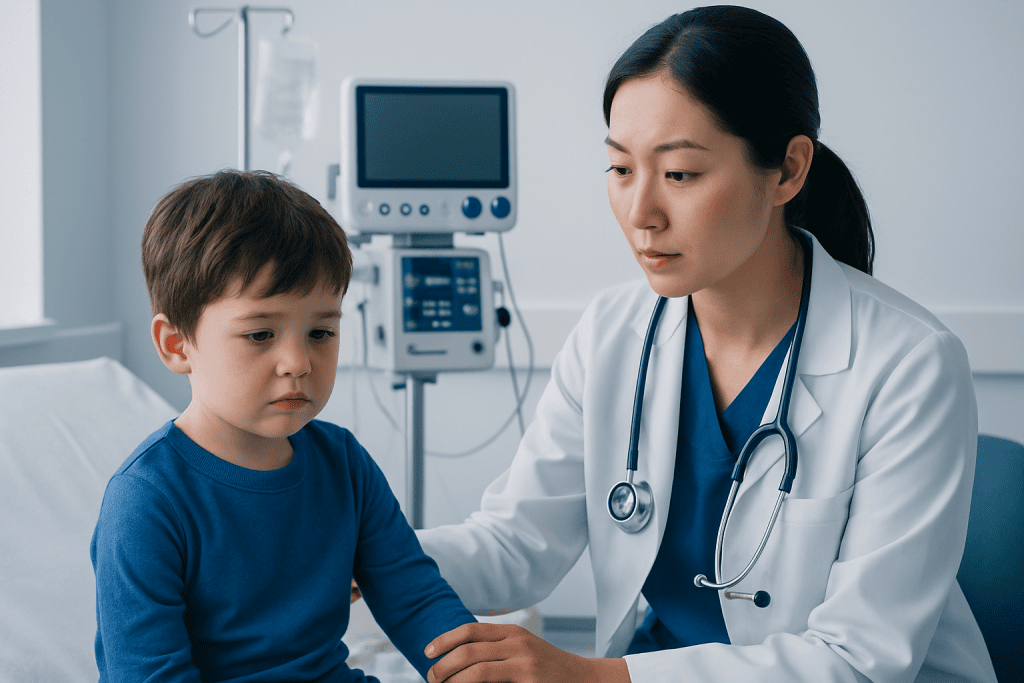
The hallmark of kawasaki disease is a fever lasting five days or longer, often with few breaks. The fever may be accompanied by irritability, tiredness, reduced appetite, and a child who seems more uncomfortable than expected for a routine infection. In younger children, irritability can be especially noticeable.
Doctors look for a pattern of physical findings that often includes both eyes becoming red without thick discharge, bright red or cracked lips, a red or swollen tongue sometimes called a “strawberry tongue,” and a widespread rash. The hands and feet may become swollen or red, and peeling around the fingers or toes can happen later as the illness evolves.
Another common sign is a swollen lymph node in the neck, usually on one side. Not every child has every symptom, and some have what is called incomplete kawasaki disease, where the fever is present but only some classic features appear. This can make diagnosis more challenging, particularly in infants, who may have a higher risk of heart complications despite less obvious symptoms.
- Fever for at least five days
- Red eyes without pus-like discharge
- Red, dry, or cracked lips and mouth changes
- Rash on the body
- Swollen or red hands and feet
- Enlarged lymph node in the neck
What causes it and who is at higher risk?
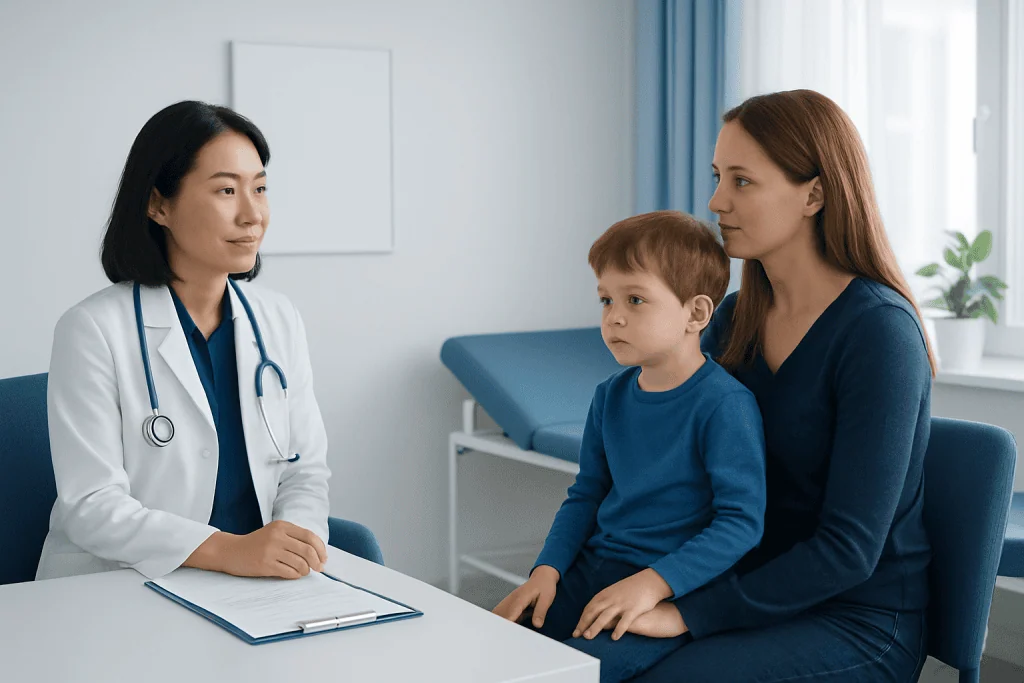
The exact cause of kawasaki disease remains unknown. Current evidence suggests it may result from an abnormal immune response triggered by an infection or environmental factor in a child who is genetically predisposed. It is important for families to know that this does not mean a parent caused the illness, and in most cases there is nothing obvious that could have prevented it.
Kawasaki disease is most common in children under 5 years of age. It can occur in any ethnic group, but it is seen more often in children of Asian ancestry, especially Japanese and Korean backgrounds. Boys are affected slightly more often than girls, and there may be seasonal patterns in some regions.
Although the disease itself is not generally considered highly contagious, the trigger may be linked to common infections that circulate among children. A family history of kawasaki disease may increase risk in some cases, but most children diagnosed with it do not have a known relative with the condition. Because symptoms can resemble other childhood illnesses, doctors may also consider alternatives such as scarlet fever, viral rashes, or measles during evaluation.
How doctors diagnose kawasaki disease
There is no single test that confirms kawasaki disease. Diagnosis is made by combining the child’s medical history, duration of fever, physical examination findings, and supportive test results. Doctors first work to rule out other conditions that can look similar, including bacterial infections, viral illnesses, and inflammatory disorders.
Blood tests commonly show signs of inflammation, such as elevated inflammatory markers, changes in blood cell counts, or abnormal liver tests. Urine testing may also be helpful. These tests do not prove kawasaki disease on their own, but they help support the diagnosis and assess how the illness is affecting the body.
A heart ultrasound called an echocardiogram is a key part of evaluation because it can show whether the coronary arteries are enlarged or if there are other cardiac changes. Depending on the child’s symptoms, doctors may also use echocardiography and other pediatric cardiology care to monitor recovery. In children with incomplete symptoms, the combination of prolonged fever, laboratory evidence of inflammation, and echocardiogram findings can guide the diagnosis.
Treatment options and why timing matters
The main treatment for kawasaki disease is intravenous immunoglobulin, often called IVIG. This is usually given in the hospital as a one-time infusion. When it is started early in the course of illness, especially within the first 10 days of fever, it significantly lowers the chance of coronary artery problems.
Aspirin is also commonly used, first at anti-inflammatory doses during the acute phase and then at a lower dose for a period of time afterward if the doctor advises it. Because aspirin use in children requires medical supervision, families should never start it on their own. Some children with persistent fever after IVIG, or those at higher risk, may need additional therapies such as corticosteroids or other immune-modulating medicines.
If there is concern about heart involvement, follow-up with pediatric cardiology is important. Children who develop coronary artery aneurysms or other complications may need longer-term monitoring and specialized treatment plans. At centers such as Acibadem International, multidisciplinary specialists in pediatrics, cardiology, and imaging evaluate and treat children with kawasaki disease in JCI-accredited hospitals for international patients.
Recovery, follow-up, and possible complications
Most children begin to improve after treatment, with fever settling and irritability easing over the following days. Even when symptoms improve quickly, follow-up remains important because heart changes may not be obvious right away. Doctors usually repeat echocardiograms after diagnosis and again during recovery, based on the child’s age, symptoms, and initial findings.
The main complication doctors watch for is inflammation or enlargement of the coronary arteries. In some children, this can lead to aneurysms, which are weakened and widened areas in the blood vessel wall. Less commonly, the disease can affect the heart muscle, heart valves, or the lining around the heart.
Children without coronary artery changes often recover completely and go on to live normal lives. Those with heart involvement may need longer observation, activity guidance, or blood-thinning medication depending on the severity. Families may also hear doctors mention conditions with related blood vessel inflammation, such as vasculitis, although kawasaki disease has its own specific clinical pattern and management approach.
When to seek medical care
Parents and caregivers should seek medical care promptly if a child has a fever lasting five days or more, especially if it is accompanied by red eyes, a rash, red or cracked lips, swelling of the hands or feet, or a swollen neck gland. It is also sensible to contact a doctor earlier if the child seems unusually irritable, is drinking poorly, or symptoms are worsening.
Urgent assessment is especially important in infants, who may show fewer classic signs yet still be at risk of heart complications. Immediate medical attention is needed if a child has trouble breathing, signs of dehydration, severe lethargy, chest pain, fainting, or symptoms that rapidly worsen.
Families should not try to diagnose or treat kawasaki disease at home. Because other infections and inflammatory conditions can look similar, a qualified doctor needs to examine the child, arrange appropriate tests, and decide whether hospital treatment is needed.
Frequently asked questions
Is kawasaki disease contagious?
Kawasaki disease itself is not thought to spread directly from one child to another in the way a cold or flu does. Researchers believe it may be triggered by an infection or environmental exposure in children who are genetically susceptible, but the exact cause is still unknown.
What is usually the first sign of kawasaki disease?
The first clear sign is usually a fever that lasts at least five days and does not improve as expected. Other symptoms, such as red eyes, rash, mouth changes, or swelling of the hands and feet, often appear over the next several days.
Can a child have kawasaki disease without all the classic symptoms?
Yes. Some children have incomplete kawasaki disease, meaning they have prolonged fever and only some of the typical features. This is one reason doctors may order blood tests and an echocardiogram even if the full classic picture is not present.
Why is early treatment so important?
Early treatment helps reduce inflammation and lowers the risk of coronary artery complications. The best outcomes are generally seen when treatment starts within the first 10 days of illness, although treatment may still be helpful later depending on the situation.
Will my child need long-term follow-up after kawasaki disease?
Many children need follow-up visits for repeat heart imaging, even after they begin feeling better. If the coronary arteries remain normal, long-term care may be limited, but children with heart involvement often need ongoing cardiology follow-up.
Can adults get kawasaki disease?
Kawasaki disease mainly affects young children, especially those under 5 years old. It is rare in adults, and when similar symptoms occur in older patients, doctors carefully consider other conditions as well.
References
- American Heart Association
- Centers for Disease Control and Prevention
- National Heart, Lung, and Blood Institute
- National Institute of Arthritis and Musculoskeletal and Skin Diseases
- World Health Organization
This article is for general information only and is not a substitute for professional medical advice. Please consult a qualified doctor about your individual situation.
Kawasaki Disease in Turkey — costs, top hospitals & a free quote
JCI-accredited · board-certified surgeons · reply within 24h
Add us as a Preferred Source to see more of our trusted health content across Google Search, AI Overviews and Discover.

More from the Health Library



Related Specialists
Prof. Dr. Zeynep Güven
Physical Medicine & Rehabilitation
Dr. Abulfaz Abbasli
Andrology
Dt. Tuğçe Atçakan
Dentistry
Dr. Ezgi Darıcı
Gynecology & Obstetrics