Kawasaki Disease Treatment: How It Works, Results and What to Expect
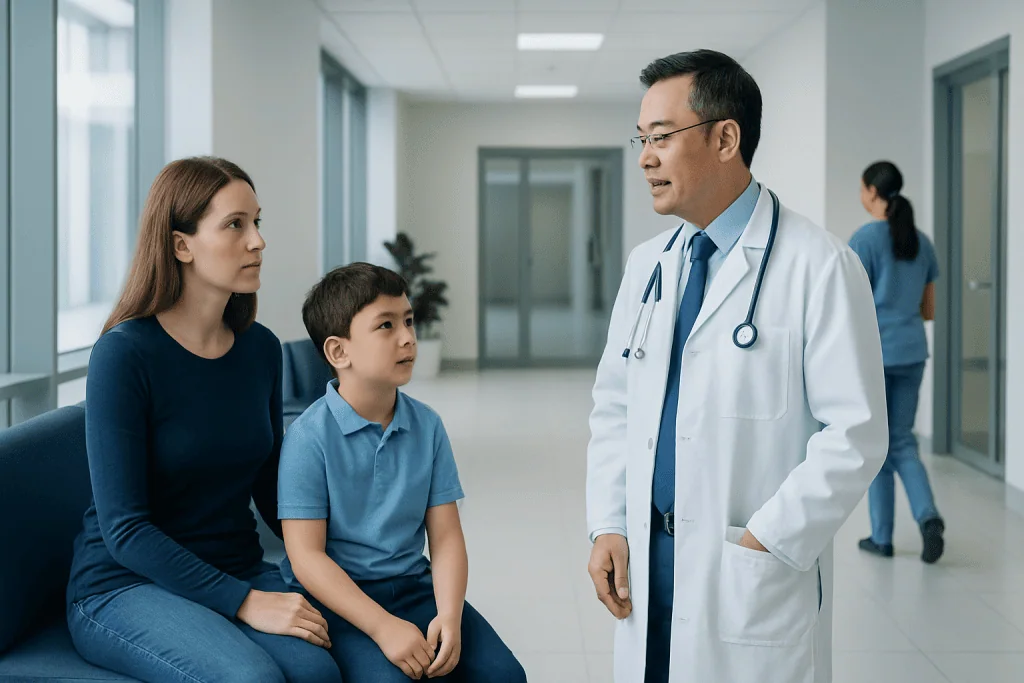
Kawasaki disease is an inflammatory illness that most often affects children under 5 years old. Intravenous immunoglobulin (IVIG) is the main early treatment and is usually combined with aspirin under specialist guidance.
Key Takeaways
- Kawasaki disease is an inflammatory illness that most often affects children under 5 years old.
- Intravenous immunoglobulin (IVIG) is the main early treatment and is usually combined with aspirin under specialist guidance.
- An echocardiogram helps doctors assess and monitor the coronary arteries.
- Prompt treatment can substantially reduce the risk of coronary artery complications.
- Recovery varies, and follow-up with a pediatric cardiologist may be needed for weeks, months, or longer.
Kawasaki disease treatment is designed to quickly reduce inflammation and lower the risk of damage to the coronary arteries, the blood vessels that supply the heart. Most children respond well when treatment begins early, followed by careful cardiac monitoring during recovery.
Kawasaki Disease Treatment: How It Works
Kawasaki disease treatment aims to control inflammation as early as possible and protect the heart, particularly the coronary arteries. It is a condition that causes inflammation in blood vessels throughout the body and usually develops in young children. Although its exact cause is not fully understood, it is not considered contagious.
The main treatment is intravenous immunoglobulin, commonly called IVIG. This infusion contains purified antibodies from donated plasma and helps calm the abnormal immune response driving the inflammation. When given early in the illness, IVIG lowers the chance of coronary artery changes such as enlargement or aneurysms.
Doctors also commonly use aspirin in carefully selected doses to reduce inflammation initially and later reduce the tendency for blood clots to form if coronary arteries are affected. Aspirin should only be given to a child with Kawasaki disease under the direction of the treating medical team, as its use in children requires specific monitoring and safety advice.
Who Needs Kawasaki Disease Treatment?
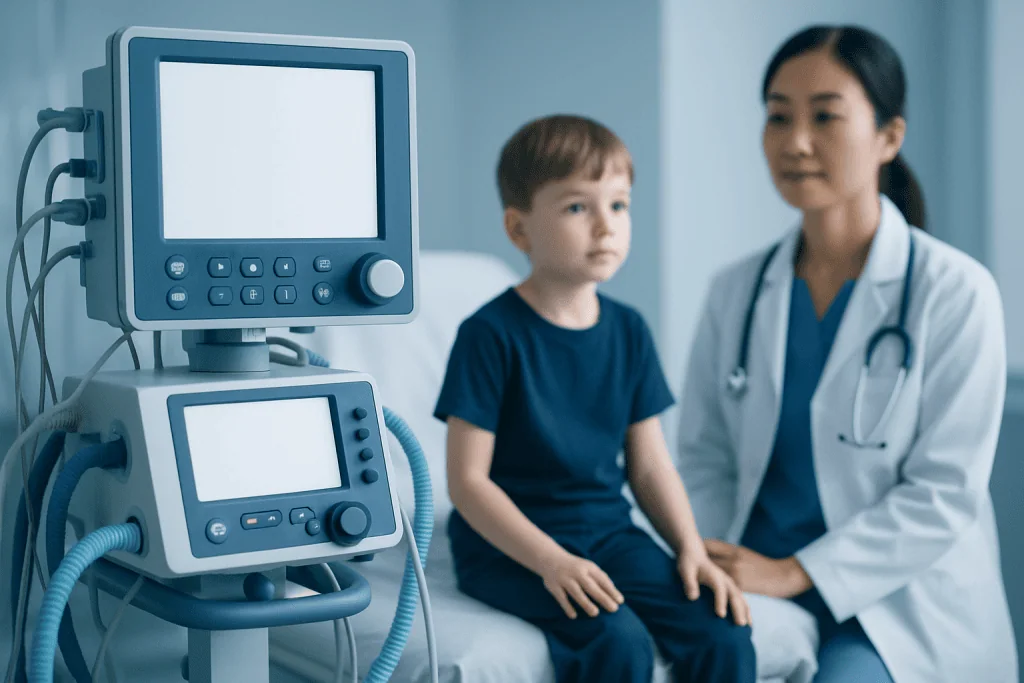
Any child suspected of having Kawasaki disease needs urgent assessment by a pediatric clinician. Treatment is generally recommended when the diagnosis is confirmed or strongly suspected, particularly during the first 10 days after fever begins. Doctors may still recommend treatment after this period if there is ongoing inflammation or evidence of coronary artery involvement.
Diagnosis is based on the child’s symptoms, medical history, physical examination, blood tests and heart imaging. There is no single test that confirms Kawasaki disease. Clinicians also consider and rule out other illnesses that may cause fever, rash, swollen lymph nodes, red eyes or mouth changes.
A pediatric cardiologist is often involved because heart complications may occur even when a child appears to be improving. Evaluation may include an electrocardiogram and an echocardiogram, an ultrasound scan that shows how the heart is functioning and whether the coronary arteries look widened or abnormal.
Kawasaki Disease Treatment Step by Step
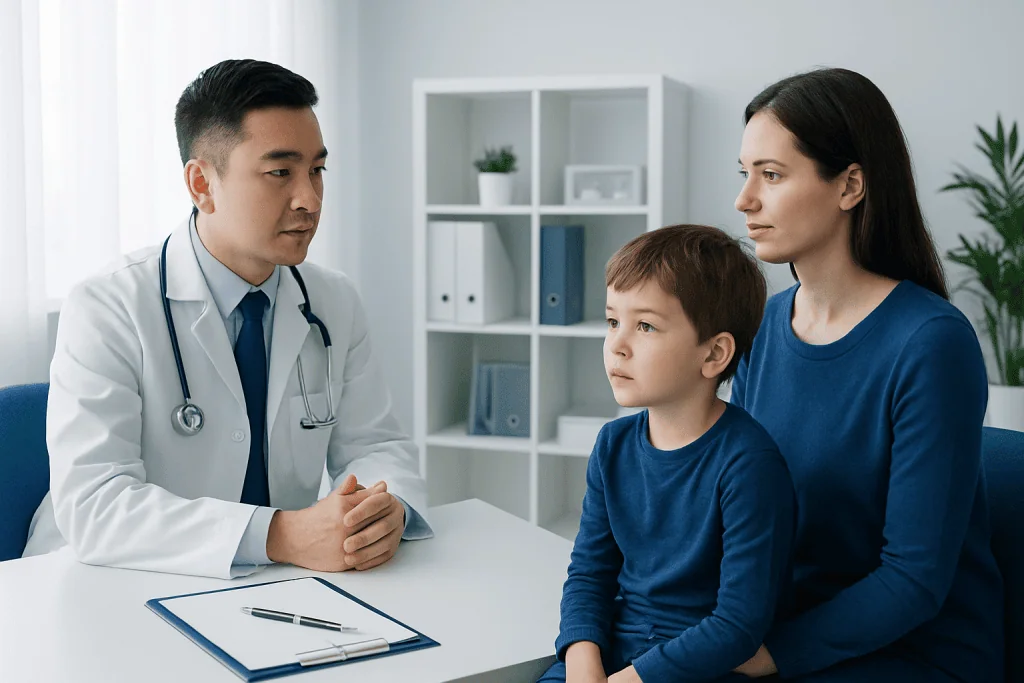
Children with suspected Kawasaki disease are often assessed in hospital, especially while they have persistent fever or signs of significant inflammation. The care team checks vital signs, examines the skin, eyes, mouth, hands and feet, and orders blood tests that can show inflammation, anemia, platelet changes or effects on the liver.
An echocardiogram is usually performed near diagnosis to establish a baseline for the coronary arteries. If Kawasaki disease is diagnosed or strongly suspected, IVIG is given through a vein over several hours. The child is monitored during the infusion for uncommon reactions such as chills, rash, headache, changes in blood pressure or breathing symptoms.
Aspirin is prescribed according to the child’s clinical situation. After fever and inflammation improve, the dose may be adjusted for a period of antiplatelet treatment. Families should tell the medical team about all medicines, allergies and recent vaccinations, as IVIG can affect the timing of some live vaccines.
If fever persists or returns after IVIG, this may indicate treatment-resistant Kawasaki disease. Specialists may recommend a second IVIG infusion or other anti-inflammatory treatment, such as corticosteroids or targeted immune medicines, depending on the child’s heart findings and overall risk profile.
Benefits, Risks and Heart Monitoring
The key benefit of early Kawasaki disease treatment is a lower likelihood of serious coronary artery complications. Most children’s fever and discomfort improve after IVIG, although the pace of recovery differs. Treatment also provides an opportunity to identify children who need closer cardiac follow-up.
IVIG is generally well tolerated, but side effects can occur. These may include headache, nausea, fever, rash or temporary changes in blood pressure during or shortly after the infusion. Serious reactions are uncommon, and hospital teams monitor children carefully while treatment is being given.
Aspirin can cause stomach upset, bruising or bleeding, and it requires individualized advice. Parents and caregivers should contact the clinician promptly if a child taking aspirin develops unusual bleeding, black stools, repeated vomiting, severe abdominal pain or marked drowsiness. The care team may also discuss influenza and chickenpox exposure because of the rare risk of Reye syndrome in children receiving aspirin.
Repeat echocardiograms are an important part of care. The schedule depends on the initial results and the child’s clinical course, but scans are often repeated in the weeks after diagnosis. Children with persistent coronary artery changes may need long-term care with pediatric cardiology and, in some cases, blood-thinning or other heart-focused treatment.
How Long Does It Typically Take to Recover From Kawasaki Disease?
Fever often settles within one to two days after successful IVIG treatment, but full recovery takes longer. Tiredness, irritability, reduced appetite and peeling of the skin on the fingers or toes may continue for several weeks. Blood test changes may also take time to normalize.
Many children return gradually to their usual routines over several weeks once their energy improves and their medical team agrees. Follow-up heart scans may continue for several months even in children who feel well, because coronary artery changes are not always noticeable from symptoms alone.
Recovery may take longer when fever continues after initial treatment or when coronary artery abnormalities are found. The child’s pediatrician and cardiologist can give the most appropriate timeline based on imaging results, medications and daily functioning.
Does Kawasaki Disease Cause Permanent Damage?
Most children who receive timely treatment recover without permanent problems. However, Kawasaki disease can cause lasting damage when inflammation leads to coronary artery aneurysms, narrowing or clot formation. The likelihood and long-term implications depend on the size, location and persistence of any artery changes.
Children whose echocardiograms remain normal through recommended follow-up usually have an excellent outlook. Those with coronary artery involvement may need ongoing cardiology surveillance, guidance about physical activity and medicines that reduce clotting risk. Long-term plans are individualized rather than based on symptoms alone.
Regular follow-up is important because it allows clinicians to track whether artery changes resolve, remain stable or require further assessment. Families should keep copies of cardiac reports and make sure future healthcare providers know about a history of Kawasaki disease.
What Are 5 Signs of Kawasaki Disease?
Kawasaki disease commonly causes a fever lasting at least five days along with several characteristic features. Not every child develops every sign at the same time, and infants may have fewer obvious symptoms. A child with prolonged fever should be assessed by a clinician even if the full pattern is not present.
- Fever that persists for five days or longer.
- Red eyes without thick discharge or crusting.
- Red, cracked lips; a very red mouth or throat; or a red, bumpy “strawberry” tongue.
- A widespread rash, which may look different from one child to another.
- Redness or swelling of the hands and feet, followed later by peeling skin.
Other possible findings include a swollen lymph node in the neck, joint pain, stomach symptoms, irritability and tiredness. These symptoms overlap with other childhood illnesses, so prompt medical evaluation is the safest way to determine the cause.
Can Kawasaki Disease Get Better on Its Own?
The fever and visible symptoms of Kawasaki disease can eventually improve without treatment, but this is not considered a safe reason to wait. Inflammation may continue to affect the coronary arteries even as a child appears to be getting better. Early IVIG treatment is recommended because it reduces the risk of heart complications.
Parents and caregivers should not try to manage a prolonged fever at home with over-the-counter medicines alone. A clinician should assess any child with fever lasting five days, especially if it is accompanied by rash, red eyes, mouth changes or swollen hands and feet.
At Acibadem International, multidisciplinary pediatric and cardiology specialists in JCI-accredited hospitals assess and treat Kawasaki disease for international patients, with care plans guided by the child’s symptoms and cardiac findings.
When to Seek Medical Care
Medical care should be sought urgently for a child with a fever lasting five days or longer, or sooner if fever is accompanied by red eyes, rash, red or cracked lips, a swollen tongue, enlarged neck lymph nodes, or swelling and redness of the hands or feet. Early assessment is particularly important in infants, who may have less typical symptoms.
Emergency care is needed if a child has trouble breathing, severe lethargy, fainting, bluish lips, persistent chest pain, signs of dehydration such as very little urine, or is difficult to wake. These signs do not always mean Kawasaki disease, but they require immediate evaluation.
After diagnosis, families should follow the hospital’s medication and appointment plan closely. They should contact the care team if fever returns after IVIG, if new symptoms appear, or if there are possible medication side effects. Ongoing heart monitoring is a central part of safe Kawasaki disease treatment.
Frequently asked questions
What is the first-line treatment for Kawasaki disease?
The usual first-line treatment is intravenous immunoglobulin, or IVIG, given in hospital. Aspirin is also commonly used under specialist supervision. The goal is to reduce inflammation and protect the coronary arteries.
How quickly does IVIG work for Kawasaki disease?
Many children have improvement in fever within 24 to 48 hours after IVIG. Some children may remain febrile or develop fever again and need additional assessment or treatment. Heart monitoring remains necessary even when the fever resolves quickly.
Will my child need to stay in hospital for Kawasaki disease treatment?
Hospital admission is common during diagnosis and IVIG treatment because the child needs observation, blood tests and heart imaging. The length of stay depends on fever response, general condition and cardiac findings. Some children can go home after treatment with planned outpatient follow-up.
Why are echocardiograms needed after Kawasaki disease?
Echocardiograms allow doctors to examine the heart and coronary arteries without radiation. They can identify artery enlargement or other changes that may not cause noticeable symptoms. Repeat scans help guide the duration of follow-up and medication.
Can a child with Kawasaki disease return to school or daycare?
A child can usually return gradually once fever has resolved, energy is returning and the treating clinician agrees. The timing depends on overall recovery and any heart-related findings. Kawasaki disease itself is not considered contagious.
Can Kawasaki disease come back?
Recurrence is uncommon, but it can happen. A child who develops another prolonged fever with symptoms resembling Kawasaki disease should be assessed promptly. Families should tell the evaluating clinician about the child’s previous diagnosis and heart test results.
References
- American Heart Association
- American Academy of Pediatrics
- Centers for Disease Control and Prevention
- National Heart, Lung, and Blood Institute
- Mayo Clinic
This article is for general information only and is not a substitute for professional medical advice. Please consult a qualified doctor about your individual situation.
Kawasaki Disease in Turkey — costs, top hospitals & a free quote
JCI-accredited · board-certified surgeons · reply within 24h
Add us as a Preferred Source to see more of our trusted health content across Google Search, AI Overviews and Discover.
Check your numbers in seconds
BMI, calories, due date, blood pressure and 30+ more clinical calculators — free, instant, doctor-reviewed ranges.