Kegel Exercises: A Complete Medical Overview

Kegel exercises target the pelvic floor muscles that support the bladder, bowel, and reproductive organs. They may help reduce urinary leakage, improve pelvic support, and support sexual function.
Key Takeaways
- Kegel exercises target the pelvic floor muscles that support the bladder, bowel, and reproductive organs.
- They may help reduce urinary leakage, improve pelvic support, and support sexual function.
- Correct technique matters; tightening the abdomen, buttocks, or thighs instead of the pelvic floor can limit benefit.
- Results usually take time and depend on regular practice and an individualized program.
- Medical assessment is important if symptoms are new, severe, painful, or not improving.
Kegel exercises are pelvic floor muscle contractions used to improve support for the bladder, bowel, and reproductive organs. When performed correctly, they can help with urinary leakage, recovery after childbirth or surgery, and pelvic floor function in both women and men.
Overview: What Kegel Exercises Are and Why They Matter
Kegel exercises are repeated contractions and relaxations of the pelvic floor muscles. These muscles form a supportive sling at the base of the pelvis and help control urination and bowel movements while also supporting the pelvic organs. In everyday terms, Kegels are a structured way to train muscles that often become weak, overworked, or poorly coordinated.
People may hear about Kegels in connection with pregnancy, urinary leakage, or prostate surgery, but pelvic floor training is broader than that. It can be useful for women and men, younger adults and older adults, and people recovering from childbirth or pelvic procedures. In some cases, the goal is strength; in others, it is better coordination, endurance, or the ability to relax the muscles properly.
Kegel exercises are often recommended as a first-line, noninvasive option for mild to moderate pelvic floor symptoms. However, they are not the right solution for every problem. Some people actually have overly tight pelvic floor muscles rather than weak ones, so medical guidance can help ensure the exercises match the underlying issue.
How the Pelvic Floor Works
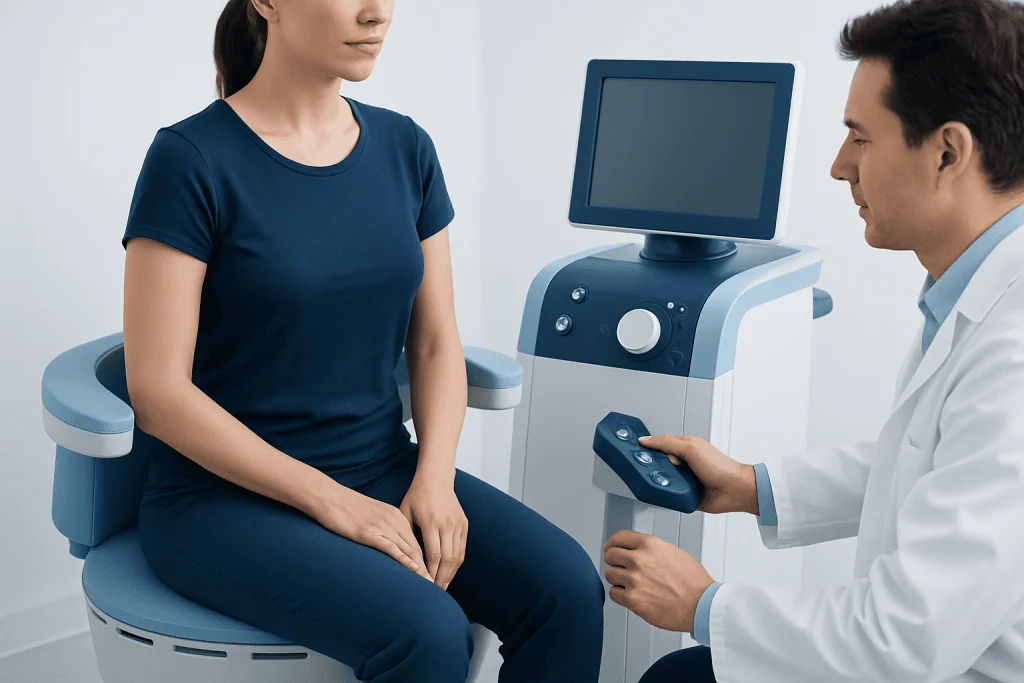
The pelvic floor is a group of muscles and connective tissues that stretches from the pubic bone to the tailbone. It supports the bladder and bowel in everyone, and in women it also supports the uterus and vagina. These muscles work together with the diaphragm, abdominal muscles, and deep back muscles to help manage pressure inside the abdomen during coughing, lifting, exercise, and bowel movements.
When the pelvic floor contracts at the right time, it helps close the urethra and anus and supports the pelvic organs. When it relaxes, it allows urination, bowel movements, and comfortable sexual activity. Problems can develop if the muscles are weak, fatigued, stretched, injured, poorly coordinated, or constantly tense.
Pelvic floor problems may show up in different ways, including urine leakage when coughing or exercising, urgency, difficulty fully emptying the bladder, a feeling of pelvic heaviness, or discomfort during sex. Some symptoms may overlap with conditions such as urinary incontinence or pelvic organ support problems, which is why evaluation can be helpful before starting a self-guided program.
Who May Benefit From Kegel Exercises

Kegel exercises are most commonly used for stress urinary incontinence, which means urine leakage with coughing, sneezing, laughing, or physical activity. They may also be part of treatment for urgency symptoms, mixed incontinence, mild pelvic organ prolapse, recovery after childbirth, and rehabilitation after certain prostate procedures. In many cases, they are combined with bladder training, lifestyle changes, and guided physical therapy.
Pregnancy and vaginal birth can stretch the pelvic floor, while aging, menopause, chronic coughing, constipation, obesity, and heavy lifting can add strain over time. In men, pelvic floor training may help improve bladder control after prostate surgery and can support pelvic muscle awareness and function.
Not everyone with pelvic symptoms should begin unsupervised Kegels. People with pelvic pain, pain during intercourse, difficulty starting urination, or a sensation of constant pelvic tightness may have muscles that are not weak but overactive. For them, treatment may focus more on relaxation, breathing, and guided pelvic floor therapy than on repeated squeezing.
- Possible benefits include better bladder control
- Improved support for pelvic organs
- Better awareness and coordination of pelvic muscles
- Support during postpartum or postsurgical recovery
How to Do Kegel Exercises Correctly
The first step is identifying the right muscles. A common way to recognize them is to imagine stopping the flow of urine or preventing gas from passing, but this should be used only as a way to locate the muscles, not as a regular exercise routine during urination. The goal is a gentle lift and squeeze inside the pelvis without clenching the buttocks, thighs, or abdomen and without holding the breath.
Many people find it easiest to begin lying down with the knees bent. After breathing in normally, they gently tighten the pelvic floor, hold briefly if comfortable, and then fully relax. Over time, they can progress to sitting and standing, because the muscles need to work during daily activities such as walking, lifting, and coughing.
Quality matters more than force. Over-squeezing can lead to fatigue or poor technique, and incomplete relaxation between repetitions may worsen tension in some people. If someone is unsure whether they are using the correct muscles, an examination by a clinician or a session with a pelvic floor physical therapist can be very helpful. In selected cases, pelvic floor rehabilitation may include supervised physical therapy and rehabilitation or biofeedback techniques to improve muscle awareness.
A practical routine often includes a small number of well-performed contractions repeated consistently over weeks to months. Improvement is usually gradual rather than immediate. The exact program should be tailored to the person’s symptoms, muscle strength, comfort, and any pregnancy, postpartum, or postsurgical considerations.
Common Mistakes, Limits, and Safety Considerations
A frequent mistake is using the wrong muscles. If the abdomen hardens, the buttocks grip, or the thighs squeeze together, the pelvic floor may not be doing the intended work. Another common issue is holding the breath, which increases pressure in the abdomen and may make the exercise less effective.
Doing too many contractions or pushing through discomfort is another problem. Kegels should not cause pain in the pelvis, abdomen, or back. If pain develops, it is best to stop and seek professional guidance. Similarly, if symptoms worsen, a different diagnosis or a more individualized treatment plan may be needed.
Kegels also have limits. They may help some forms of incontinence, but they do not treat every urinary or pelvic condition. Blood in the urine, recurrent urinary tract infections, new severe urgency, pelvic bulging, nerve symptoms, or significant prolapse need medical assessment. For structural problems, care may involve additional testing or treatments beyond exercise alone, including evaluation in urology or women’s pelvic health services.
Diagnosis and Medical Assessment
When pelvic floor symptoms are persistent or bothersome, clinicians start with a history and physical examination. They ask about urine leakage, urgency, bowel habits, childbirth history, surgeries, medications, coughing, exercise habits, and pelvic pain. This helps distinguish between stress incontinence, urgency-related symptoms, prolapse, muscle overactivity, and other causes.
An examination may include checking pelvic floor strength, coordination, and tenderness. In some cases, urine tests are used to look for infection or blood, and bladder diaries help track fluid intake, frequency, and leakage patterns. Depending on the symptoms, clinicians may also recommend imaging or specialized tests to assess bladder function.
Assessment is especially important when symptoms do not fit a simple pattern. For example, leakage may occur together with pelvic pressure, constipation, or a visible bulge, suggesting a broader pelvic floor problem. In that situation, a clinician may evaluate for pelvic organ prolapse or other conditions that need a more complete treatment plan rather than exercises alone.
Treatment Options Beyond Kegels
Kegel exercises are often only one part of care. Depending on the diagnosis, treatment may also include bladder training, scheduled voiding, weight management, treatment of constipation, reducing bladder irritants, cough control, and pelvic floor physical therapy. Relaxation training and breathing exercises may be more appropriate than strengthening when the pelvic floor is tense or painful.
For some people, devices or procedures are considered if symptoms are moderate to severe or do not improve with conservative care. Options vary by condition and may include pessaries, medications for urgency symptoms, or surgery for selected cases of prolapse or incontinence. The right choice depends on age, symptom burden, overall health, and personal goals.
Men recovering from prostate treatment may be advised to begin pelvic floor training at a specific time under medical guidance. Women after childbirth may benefit from gradual rehabilitation rather than intensive early squeezing. If treatment is complex, a multidisciplinary team can coordinate care. Near the end of the care pathway, some international patients choose centers such as Acibadem International, where multidisciplinary specialists in JCI-accredited hospitals evaluate and treat pelvic floor and urinary conditions.
Prevention, Self-Care, and When to Seek Medical Care
Healthy pelvic floor habits can reduce strain over time. These include avoiding chronic constipation, using proper lifting technique, managing chronic cough, maintaining a healthy weight, and not routinely straining during bowel movements. During exercise, learning how to breathe and engage the core without excessive pressure can also help protect the pelvic floor.
Self-care works best when it is realistic and consistent. A person may set a regular time for exercises, focus on gentle breathing, and avoid checking the muscles by stopping urine flow repeatedly. Improvement often takes several weeks, so patience is important. If there is uncertainty about technique, early coaching can prevent frustration and help avoid reinforcing poor habits.
Medical care should be sought if there is pelvic pain, pain during sex, a new bulge or heavy pressure in the pelvis, blood in the urine, recurrent urinary infections, difficulty emptying the bladder, or sudden worsening leakage. Evaluation is also important if symptoms continue despite a well-followed exercise program or if there are neurologic symptoms such as leg weakness or numbness. Timely assessment helps identify whether the problem is muscle weakness, overactivity, prolapse, nerve-related dysfunction, or another condition requiring different treatment.
Frequently asked questions
What are kegel exercises used for?
Kegel exercises are used to train the pelvic floor muscles that support the bladder, bowel, and reproductive organs. They are commonly recommended to help with urinary leakage, pelvic support, and recovery after childbirth or some pelvic surgeries.
How long does it take for kegel exercises to work?
Results are usually gradual and depend on correct technique, regular practice, and the underlying condition. Some people notice improvement within several weeks, while others need a few months of guided training.
Can men do kegel exercises?
Yes. Men also have pelvic floor muscles, and training them may help with bladder control, especially after prostate procedures, and with pelvic muscle coordination. A clinician can advise whether Kegels are appropriate for a man’s specific symptoms.
Can kegel exercises make symptoms worse?
They can if the wrong muscles are used, the exercises are overdone, or the pelvic floor is already too tight or painful. If symptoms worsen, or if pain develops, it is best to stop and seek medical guidance.
Is it okay to practice Kegels while urinating?
Regularly stopping urine flow to practice is generally not recommended. It may interfere with normal bladder emptying and is better used only briefly, if at all, to help identify the correct muscles.
Do kegel exercises help pelvic organ prolapse?
They may help some people with mild prolapse by improving support and reducing symptoms. However, they do not reverse every structural problem, so medical evaluation is important if there is a noticeable bulge, pelvic heaviness, or worsening symptoms.
This article is for general information only and is not a substitute for professional medical advice. Please consult a qualified doctor about your individual situation.
Persistent digestive symptoms? Get evaluated in Turkey
JCI-accredited · board-certified surgeons · reply within 24h
Add us as a Preferred Source to see more of our trusted health content across Google Search, AI Overviews and Discover.

More from the Health Library

Mirtazapine: What Patients Need to Know

Structured Water: A Complete Medical Overview

Cat Allergies: An Evidence-Based Guide for Patients

Dont Semen Inside: What Patients Need to Know

Prozac Overdose: What Patients Need to Know