Keratin Rich Foods: Evidence-Based Benefits, Risks, and Practical Guidance

The body makes keratin from amino acids and other nutrients; eating keratin itself is not known to rebuild hair, skin, or nails. Protein-rich foods, along with iron, zinc, vitamin B12, folate, and vitamins A, C, D, and E, contribute to normal keratin-containing tissues.
Key Takeaways
- The body makes keratin from amino acids and other nutrients; eating keratin itself is not known to rebuild hair, skin, or nails.
- Protein-rich foods, along with iron, zinc, vitamin B12, folate, and vitamins A, C, D, and E, contribute to normal keratin-containing tissues.
- Dietary changes are most likely to help when hair or nail changes are related to inadequate nutrition or an underlying medical condition.
- Very restrictive diets, unnecessary high-dose supplements, and excess vitamin A or selenium may worsen hair shedding or cause other health problems.
- Persistent hair loss, brittle nails, rash, fatigue, or unintentional weight change should be assessed by a qualified clinician.
Keratin rich foods are commonly described as foods that supply the nutrients the body needs to make keratin, rather than foods that meaningfully deliver usable keratin itself. A balanced diet with adequate protein, iron, zinc, and key vitamins can support normal hair, skin, and nail structure, especially when a nutrient deficiency is present.
What are keratin rich foods?
Keratin rich foods are not a formal medical category. The term usually refers to foods that provide protein and micronutrients involved in the body’s production of keratin, a tough structural protein found in hair, nails, and the outer layer of skin. The body makes its own keratin; it does not rely on dietary keratin being absorbed and placed directly into hair or nails.
Keratin is built largely from amino acids, the components of protein. Several nutrients also support normal cell growth, tissue repair, oxygen delivery, and enzyme activity. For this reason, eating a varied diet with sufficient energy and protein is generally more useful than looking for one “keratin food.”
Claims that a particular food can rapidly thicken hair, stop hair loss, or repair damaged nails should be viewed carefully. Hair and nails grow slowly, and their appearance can be affected by genetics, age, hormones, illnesses, medicines, grooming practices, and nutritional status. Food may support normal growth, but it cannot reliably reverse every cause of hair or nail change.
How keratin is made and why nutrition matters

Hair shafts and nails are made mainly of hardened keratin produced by specialized cells. Once the visible hair shaft or nail plate has formed, it is not living tissue. Nutrition affects the growing cells beneath the skin and nail base, so changes in diet are unlikely to alter existing damage immediately.
Protein provides amino acids needed for many body structures, including keratin. Sulfur-containing amino acids such as cysteine and methionine are part of keratin’s structure, but there is no strong evidence that isolated amino acid products improve hair or nails in people who already consume adequate protein.
Iron helps carry oxygen to tissues, zinc supports cell division and immune function, and vitamin C helps the body absorb non-heme iron from plant foods. Vitamin B12 and folate support red blood cell formation, while vitamin D may have roles in hair follicle biology. Deficiencies in some of these nutrients can contribute to diffuse hair shedding, fragile nails, or skin changes, although symptoms are not specific and require proper assessment.
Foods that support normal keratin production
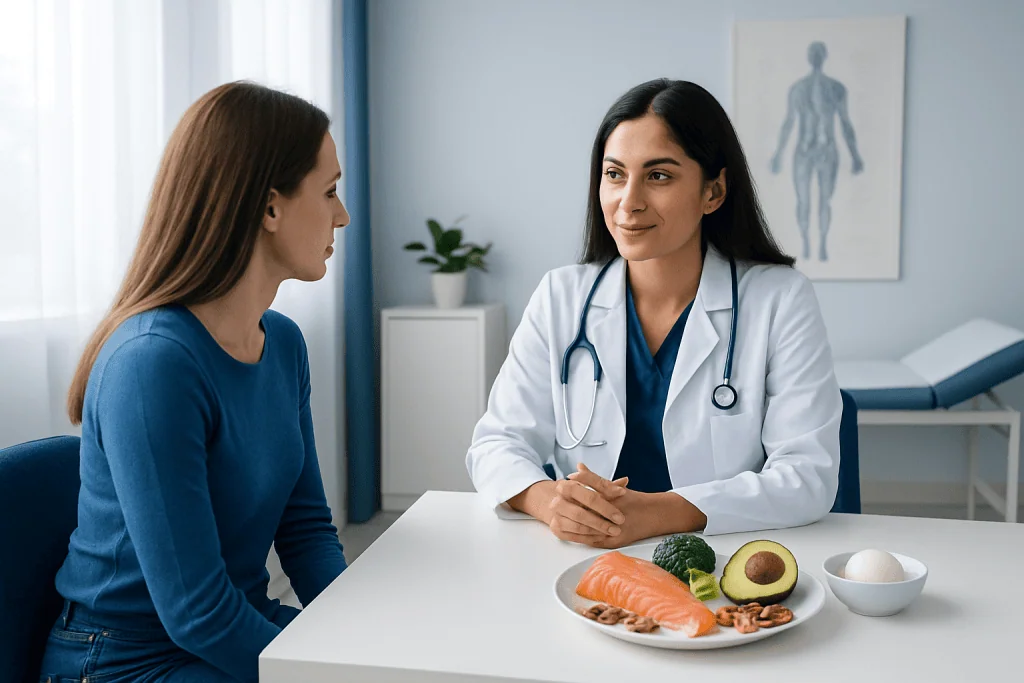
A practical approach is to include reliable protein sources across meals and choose a variety of minimally processed foods. Animal-based proteins such as eggs, fish, poultry, lean meat, milk, yogurt, and cheese provide complete protein. They may also provide iron, zinc, vitamin B12, or vitamin D, depending on the food.
Plant-based eating can also provide adequate protein and keratin-supporting nutrients when it is planned well. Beans, lentils, chickpeas, soy foods, peas, whole grains, nuts, seeds, and nut butters contribute protein and minerals. People following vegan diets need dependable sources of vitamin B12, usually fortified foods or a clinician-recommended supplement.
- Protein: eggs, fish, poultry, dairy foods, tofu, tempeh, lentils, beans, and Greek-style yogurt.
- Iron: lean red meat, seafood, poultry, lentils, beans, spinach, fortified cereals, and tofu. Pair plant iron sources with vitamin C-rich foods.
- Zinc: meat, shellfish, dairy, beans, nuts, seeds, and whole grains.
- Vitamin C: citrus fruits, berries, kiwi, peppers, tomatoes, broccoli, and cabbage.
- Healthy fats and vitamin E: nuts, seeds, avocado, olive oil, and oily fish.
No single food needs to be eaten in large quantities. For most people, a pattern that includes protein, vegetables and fruits, whole grains or other fiber-rich carbohydrates, and healthy fats is sufficient to support general nutritional needs.
What the clinical evidence supports—and does not support
Clinical evidence supports correcting confirmed nutrient deficiencies. For example, iron deficiency, inadequate protein intake, and deficiencies of zinc or certain vitamins can affect hair, skin, and nails. When a clinician identifies a deficiency and its cause, dietary treatment and, when appropriate, supervised supplementation may help restore normal growth over time.
Evidence does not support the idea that everyone benefits from additional “keratin boosting” foods or supplements. In people with an adequate diet and no deficiency, taking extra biotin, collagen, amino acids, zinc, or multivitamins has limited and inconsistent evidence for improving hair density, hair loss, or nail strength.
Hair loss has many causes, including hereditary pattern hair loss, thyroid disorders, autoimmune conditions, recent illness, childbirth, substantial weight loss, and certain medicines. Dietary adjustment alone may not address these causes. A clinician may consider blood tests or other evaluation based on the person’s symptoms, health history, and examination.
For concerns about thinning, shedding, or scalp disease, it can be helpful to understand that some conditions need specific evaluation and treatment, including hair loss. Early assessment is particularly important when hair loss is sudden, patchy, painful, or associated with scalp inflammation.
Consumption context, safety, and supplement interactions
Foods that support keratin production are ordinary nutritious foods and are safe for most people when included as part of a balanced diet. The main consideration is personal medical context. For example, people with kidney disease may need individualized advice about protein, potassium, phosphorus, or fluid intake, and people with food allergies should avoid triggering foods.
Supplements deserve more caution than foods. High doses of vitamin A, selenium, zinc, and other nutrients can be harmful and may paradoxically contribute to hair loss, digestive symptoms, nerve problems, or changes in blood counts. Biotin can interfere with certain laboratory tests, including some tests used to assess heart conditions and thyroid function, so clinicians and laboratories should be told about biotin use.
Iron supplements should not be started solely because of hair shedding without medical advice. Excess iron can be dangerous, and low iron may result from causes such as menstrual blood loss, gastrointestinal bleeding, malabsorption, or dietary insufficiency. Calcium supplements, acid-reducing medicines, and some antibiotics can also affect iron absorption or require spacing from iron products.
People who are pregnant, breastfeeding, managing chronic disease, taking multiple medicines, or following a restrictive diet should discuss supplements with a doctor, pharmacist, or registered dietitian. Food-first nutrition is generally preferred unless testing or a clinician identifies a specific need.
Who may need extra dietary attention
People at higher risk of inadequate intake include those with very low-calorie diets, eating disorders, recent bariatric surgery, digestive disorders that affect absorption, heavy menstrual bleeding, chronic kidney or liver disease, and diets that exclude several food groups. Older adults and people with reduced appetite may also find it difficult to obtain enough protein and micronutrients.
Vegetarians and vegans can support healthy hair, skin, and nails with well-planned meals, but should pay particular attention to protein quality, iron, zinc, iodine, omega-3 fats, vitamin D, and vitamin B12. Plant iron is absorbed less efficiently than iron from meat, so combining beans, lentils, or fortified grains with vitamin C-rich produce can be useful.
Individuals with gastrointestinal symptoms, unexplained anemia, or ongoing weight loss should not assume that food choices are the only explanation. Conditions affecting digestion or nutrient absorption may need medical investigation. Likewise, changes in the skin, hair, or nails can sometimes be clues to thyroid, hormonal, inflammatory, or autoimmune conditions.
When to seek medical care
Medical assessment is advisable for sudden or patchy hair loss, scalp pain, redness, scaling, pus, or scarring; these features can indicate conditions that need timely treatment. A doctor should also assess hair changes accompanied by fatigue, dizziness, pallor, shortness of breath, cold intolerance, menstrual changes, unintended weight change, or persistent digestive symptoms.
Seek care if nails become markedly discolored, painful, thickened, detached, or persistently brittle, particularly if there is diabetes, reduced immunity, or poor circulation. Nail changes may result from infection, injury, skin disease, or other health conditions rather than a lack of keratin-supporting foods.
A clinician can review diet, medicines, medical history, and possible nutrient deficiencies before recommending testing or treatment. Acibadem International’s multidisciplinary specialists and JCI-accredited hospitals can assess hair, skin, nail, and nutritional concerns for international patients when clinically appropriate.
Frequently asked questions
Do keratin rich foods make hair grow faster?
No food has been proven to make hair grow rapidly in everyone. Adequate protein and essential nutrients support normal hair production, especially if a person has an underlying dietary deficiency. Hair growth also depends on genetics, hormones, health conditions, and the normal hair-growth cycle.
Which foods are best for keratin production?
A varied diet containing protein-rich foods, iron sources, zinc-containing foods, and fruits and vegetables is most useful. Eggs, fish, dairy foods, beans, lentils, tofu, nuts, seeds, leafy greens, and vitamin C-rich produce can all contribute. The best choice depends on dietary preferences, allergies, and health needs.
Can eating eggs increase keratin?
Eggs provide protein and several nutrients involved in normal tissue function, so they can be part of a balanced diet. However, there is no evidence that eggs alone increase keratin in a way that reliably treats hair loss or brittle nails. A person does not need to eat eggs if other suitable protein sources are available.
Are keratin supplements safe?
Safety depends on the product and its ingredients, but supplements are not automatically necessary or effective. Some products contain high doses of vitamins or minerals that can cause adverse effects or interact with medicines and laboratory tests. It is best to discuss supplements with a healthcare professional, especially when symptoms are persistent.
Can a lack of protein cause hair loss?
Severe or prolonged inadequate protein intake can contribute to hair thinning or shedding because hair production requires amino acids. However, hair loss is common and has many possible causes, so it should not be attributed to protein intake alone. A clinician can help identify whether nutrition, illness, medication, or another factor is involved.
How long does diet take to affect hair and nails?
Visible changes usually take weeks to months because hair and nails grow gradually. If a deficiency is corrected, improvement may be slow and depends on the cause and severity of the problem. New or worsening symptoms should be reviewed rather than managed only with dietary changes.
References
- National Institutes of Health Office of Dietary Supplements
- American Academy of Dermatology Association
- Harvard T.H. Chan School of Public Health
- British Association of Dermatologists
- World Health Organization
This article is for general information only and is not a substitute for professional medical advice. Please consult a qualified doctor about your individual situation.
Hair transplant in Turkey — costs, graft counts & a free assessment
JCI-accredited · board-certified surgeons · reply within 24h
Add us as a Preferred Source to see more of our trusted health content across Google Search, AI Overviews and Discover.
Check your numbers in seconds
BMI, calories, due date, blood pressure and 30+ more clinical calculators — free, instant, doctor-reviewed ranges.