Keratin Treatment: Symptoms, Causes, and Treatment Options

Keratin treatment is a temporary cosmetic hair-smoothing procedure, not a treatment for disease. Some formulas may release formaldehyde or similar chemicals when heated, which can irritate the eyes, skin, and airways.
Key Takeaways
- Keratin treatment is a temporary cosmetic hair-smoothing procedure, not a treatment for disease.
- Some formulas may release formaldehyde or similar chemicals when heated, which can irritate the eyes, skin, and airways.
- People with scalp sensitivity, asthma, allergies, or damaged hair may need extra caution before having a keratin treatment.
- A dermatologist can help assess hair loss, scalp irritation, or allergic reactions that appear after hair treatments.
- Safer use depends on product ingredients, ventilation, professional application, and careful aftercare.
Keratin treatment is a hair-smoothing procedure that can reduce frizz and make hair easier to manage for a limited time. It is a cosmetic treatment rather than a medical necessity, and understanding its ingredients, possible side effects, and safer alternatives can help people make informed choices.
Overview: what keratin treatment is
Keratin treatment is a salon-based hair-smoothing procedure designed to reduce frizz, add shine, and make hair easier to style. The treatment usually works by coating the hair shaft with conditioning ingredients and then sealing them in with heat, often from a blow dryer and flat iron. Results are temporary and commonly last for several weeks to a few months, depending on the product used, hair type, and aftercare routine.
Although the name suggests a restorative medical effect, keratin treatment is primarily cosmetic. Hair is naturally made of keratin protein, but salon keratin treatments do not simply replace lost keratin in a lasting way. Instead, they temporarily change how the hair surface behaves, helping it lie flatter and look smoother.
Different brands and formulas vary significantly. Some are marketed as “formaldehyde-free,” yet they may still contain ingredients that release formaldehyde or similar fumes when heated. Because of this, the exact safety profile depends less on the name of the service and more on the chemical ingredients, method of application, and ventilation in the treatment setting.
What benefits and results to expect
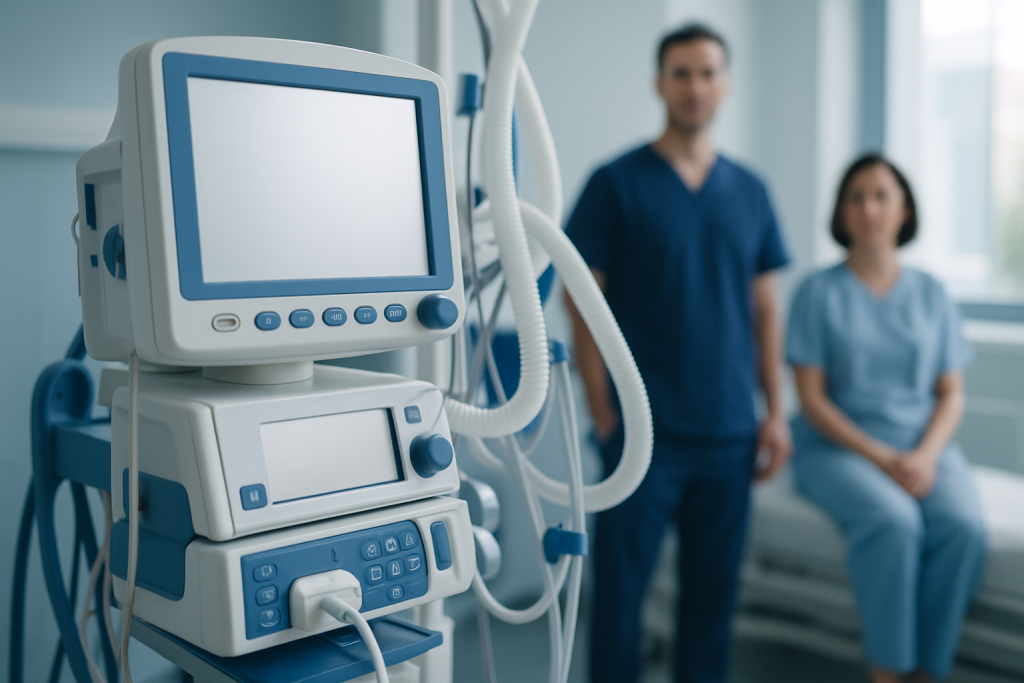
The main reason people choose a keratin treatment is to improve manageability. Hair may feel softer, appear shinier, and take less time to blow-dry or style. In humid climates, the treatment can also help limit frizz and make curls or waves appear looser for a period of time.
Results are not permanent, and the degree of straightening differs from person to person. Some people notice only smoother texture, while others see a more dramatic reduction in curl pattern. The outcome depends on the hair’s natural structure, previous bleaching or coloring, the skill of the stylist, and how often the hair is washed afterward.
It is also important to keep expectations realistic. Keratin treatment does not treat hair loss, scalp disease, or breakage caused by medical conditions. If someone is concerned about persistent shedding, patchy loss, itching, or scaling, an evaluation for hair loss or a scalp disorder may be more appropriate than another cosmetic service.
Possible symptoms and side effects
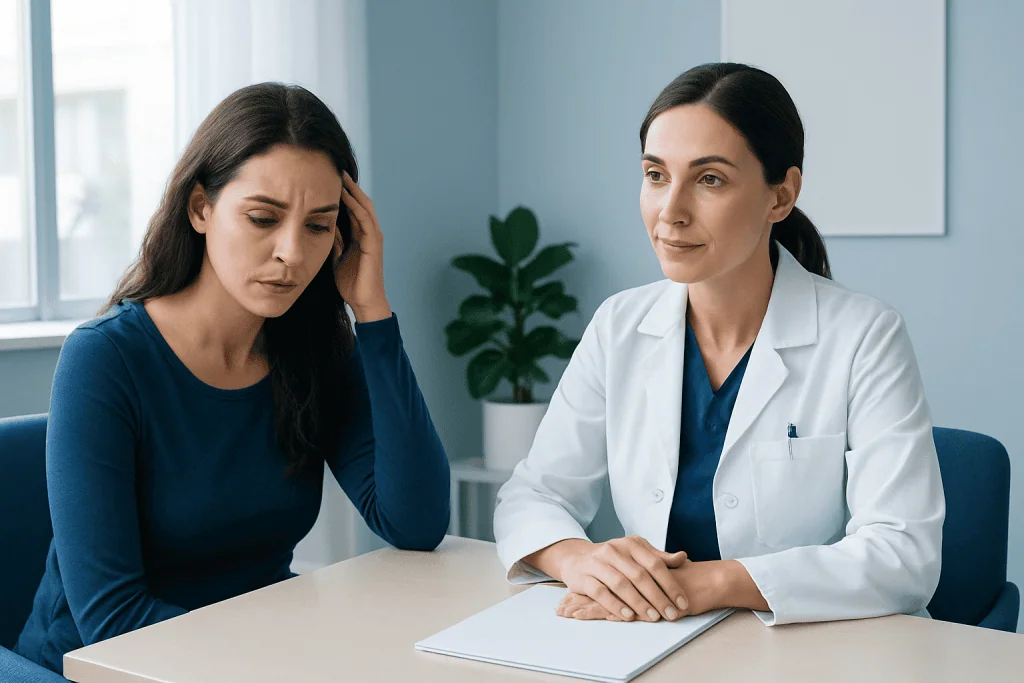
Most side effects related to keratin treatment involve the scalp, eyes, skin, or breathing passages rather than the hair itself. During or soon after application, some people develop eye watering, throat irritation, coughing, headache, dizziness, or a burning sensation in the nose. These symptoms are more likely when products release fumes during heat sealing.
Skin reactions can also occur. A person may notice scalp redness, itching, rash around the hairline, or irritation on the ears, neck, or hands. In sensitive individuals, this can represent irritant contact dermatitis or an allergic reaction. Hair itself may become dry, brittle, or more prone to breakage if repeated heat styling is used aggressively or if the hair was already damaged.
Symptoms worth paying attention to include:
- Persistent cough or wheezing during the treatment
- Burning eyes or blurred vision from fumes
- Itchy scalp, rash, or swelling after the procedure
- Unexpected hair breakage or increased shedding
- Scalp tenderness, flaking, or sores
If scalp inflammation continues or hair starts thinning after chemical services, a dermatologist may assess whether there is irritation, allergy, traction, or another condition such as alopecia areata.
Causes of problems and who may be at higher risk
Problems linked to keratin treatment are usually caused by chemical exposure, heat exposure, or a combination of both. Some formulas contain formaldehyde, methylene glycol, or other preservatives that can release irritating vapors when heated. Even low-level exposure may bother people with sensitive eyes, skin, or airways, especially in enclosed or poorly ventilated spaces.
Heat is another factor. Flat ironing at high temperatures can weaken the hair cuticle and worsen dryness, especially in hair that has already been bleached, relaxed, or repeatedly colored. When chemical processing and high heat are layered together, the result can be split ends, rough texture, or breakage rather than the smooth finish a person hoped for.
Certain people may need extra caution before choosing keratin treatment:
- People with asthma or chronic respiratory symptoms
- Those with eczema, contact allergies, or sensitive scalp skin
- People with heavily bleached, fragile, or overprocessed hair
- Pregnant individuals who prefer to limit chemical fume exposure
- Anyone with active scalp infection, sores, or significant hair shedding
If a person already has scalp disease, it may be wise to treat that first. For example, irritation can worsen when chemical products are applied over inflamed skin affected by seborrheic dermatitis.
How doctors evaluate reactions after a keratin treatment
Keratin treatment itself does not usually require medical testing. However, if symptoms develop after the procedure, a doctor may examine the scalp, skin, and hair to find the cause. The consultation often includes questions about the exact product used, timing of symptoms, prior allergies, hair coloring or bleaching history, and whether eye or breathing irritation happened during heat application.
A physical examination can help distinguish between dryness, chemical irritation, allergic dermatitis, hair shaft breakage, and true hair loss from the root. In some cases, patch testing by a dermatologist may be helpful if an allergic contact reaction is suspected. If there is significant coughing or wheezing, the clinician may also consider respiratory irritation from fumes.
When hair breakage or scalp inflammation is severe, doctors may recommend stopping all harsh salon treatments temporarily. Depending on the symptoms, evaluation may also include trichoscopic scalp assessment or laboratory tests if an unrelated cause of shedding is suspected. If hair or scalp concerns continue, specialist assessment in dermatology care can help guide treatment and prevention.
Treatment options for side effects and hair damage
Treatment depends on the problem that occurred. For mild irritation, the first step is usually to avoid the triggering product and allow the scalp and hair time to recover. Gentle cleansing, fragrance-free scalp care, reduced heat styling, and a pause from coloring or bleaching may be enough for mild cases.
If there is a rash, significant itching, or inflammation, a doctor may recommend medical treatment to calm the skin. This can include evaluation for contact dermatitis and advice on safe hair products going forward. Persistent breakage may improve with trimming damaged ends, using conditioning products, and avoiding repeated thermal styling until the hair shaft becomes stronger.
For people whose main goal is smoother or healthier-looking hair, alternatives may be worth discussing with a hair professional and, when needed, a dermatologist. In some cases, treatment focuses less on straightening and more on repairing underlying scalp health. If concerns relate to chronic scalp symptoms rather than style, support through hair restoration assessment or broader medical dermatology review may be more useful than repeating chemical smoothing procedures.
Acibadem International’s multidisciplinary specialists and JCI-accredited hospitals evaluate hair and scalp concerns for international patients, especially when cosmetic treatments may be masking an underlying dermatologic problem.
Prevention and self-care before and after treatment
People considering a keratin treatment can reduce risk by asking detailed questions before booking. It is reasonable to ask for the product name, ingredient list, whether fumes are released with heat, and what ventilation measures are used in the salon. A patch test or strand test may be helpful for those with sensitive skin or prior reactions to hair products.
Before treatment, it may be best to postpone if the scalp is sunburned, irritated, infected, or actively flaking. Hair that is severely bleached or breaking may also benefit from a recovery period rather than another chemical service. Choosing an experienced professional who follows manufacturer instructions carefully is important.
After treatment, supportive care can help maintain results while limiting damage:
- Use mild shampoos and conditioners suited to the hair type
- Limit frequent flat ironing or high-heat styling
- Avoid overlapping multiple chemical services too close together
- Watch for itching, rash, cough, or unusual shedding
- Seek professional advice if symptoms persist instead of repeating the treatment
People who prefer lower-exposure options may choose non-chemical smoothing approaches, styling creams, conditioning masks, or haircut strategies that reduce frizz without intensive heat sealing.
When to seek medical care
Medical care is advisable if symptoms are more than mild or do not settle quickly after a keratin treatment. Examples include persistent scalp redness, severe itching, facial swelling, a widespread rash, ongoing cough, wheezing, shortness of breath, or strong eye irritation. These symptoms may point to a significant irritant or allergic reaction and deserve prompt assessment.
A doctor should also evaluate new hair thinning, bald patches, or marked breakage that continues for weeks. While cosmetic damage is common, ongoing shedding can sometimes reveal an unrelated scalp or systemic issue. Early assessment is especially helpful if a person has a history of eczema, asthma, allergies, or previous reactions to salon chemicals.
In general, keratin treatment should not be used to cover up recurring scalp discomfort. If someone regularly experiences flaking, tenderness, sores, or hair loss, a medical evaluation is more useful than repeated cosmetic procedures. A qualified clinician can help decide whether the problem is simple irritation, a chronic skin condition, or another treatable cause.
Frequently asked questions
Is keratin treatment safe?
Keratin treatment can be safe for some people when used carefully, but safety depends on the ingredients, heat used, and ventilation during application. Some products may release irritating chemicals, so people with asthma, allergies, or sensitive skin should be especially cautious.
Does keratin treatment damage hair?
It can, especially if the hair is already bleached, fragile, or repeatedly exposed to high heat. While some people notice smoother hair at first, repeated treatments or aggressive flat ironing may lead to dryness and breakage over time.
Can keratin treatment cause hair loss?
Keratin treatment does not usually cause true hair loss from the root, but it can contribute to hair breakage that makes the hair look thinner. If shedding, bald patches, or scalp inflammation occur, a doctor should assess whether another hair or scalp condition is present.
What are the symptoms of a reaction to keratin treatment?
Symptoms may include burning eyes, coughing, throat irritation, headache, scalp itching, rash, or redness around the hairline. In more serious cases, wheezing, facial swelling, or persistent dermatitis can develop and need medical attention.
How long does a keratin treatment last?
Results usually last for several weeks to a few months. The exact duration depends on the formula used, the person’s hair type, washing frequency, and whether heat styling or other chemical services are used afterward.
Are formaldehyde-free keratin treatments always risk-free?
No. Some products labeled formaldehyde-free may contain ingredients that release similar fumes when heated. Reading ingredient information carefully and asking about salon ventilation are important steps before treatment.
References
- American Academy of Dermatology
- U.S. Food and Drug Administration
- Occupational Safety and Health Administration
- National Institute for Occupational Safety and Health
- American College of Allergy, Asthma & Immunology
This article is for general information only and is not a substitute for professional medical advice. Please consult a qualified doctor about your individual situation.
Hair transplant in Turkey — costs, graft counts & a free assessment
JCI-accredited · board-certified surgeons · reply within 24h
Add us as a Preferred Source to see more of our trusted health content across Google Search, AI Overviews and Discover.