Keratitis Treatment Eye Drops: How It Works, Results and What to Expect
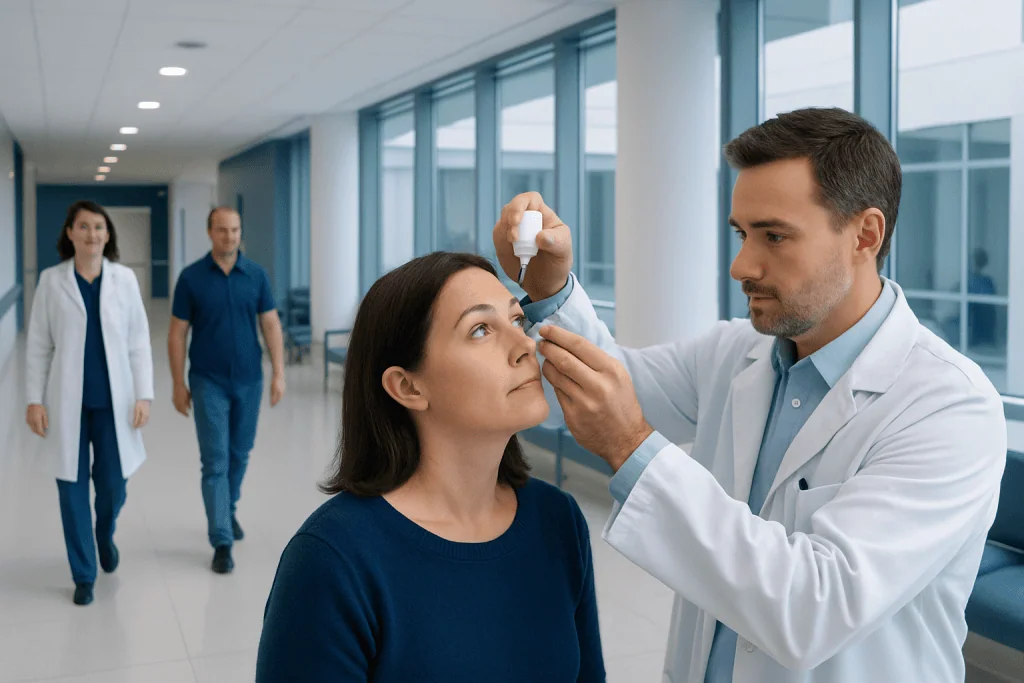
Keratitis is inflammation of the cornea and may be infectious or noninfectious. Prescription eye drops are selected according to the underlying cause, such as bacteria, viruses, fungi, parasites, allergy, or dry eye.
Key Takeaways
- Keratitis is inflammation of the cornea and may be infectious or noninfectious.
- Prescription eye drops are selected according to the underlying cause, such as bacteria, viruses, fungi, parasites, allergy, or dry eye.
- Contact lens wearers with a painful red eye should remove lenses and seek same-day medical assessment.
- Improvement may begin within days, but complete healing can take longer and depends on the cause and severity.
- Steroid eye drops are not suitable for every type of keratitis and should only be used under ophthalmologist guidance.
- Untreated infectious keratitis can threaten vision, making early diagnosis and follow-up essential.
Keratitis treatment eye drops can control inflammation or treat an infection affecting the cornea, the clear front surface of the eye. The right drops depend on the cause, so prompt assessment by an eye specialist is important, particularly when pain, light sensitivity, redness, or vision changes occur.
Overview: How keratitis treatment eye drops work
Keratitis treatment eye drops work by addressing the reason the cornea has become inflamed. The cornea is the transparent outer layer at the front of the eye. Because it helps focus light, inflammation, infection, or scarring in this tissue can cause discomfort and affect vision.
Some cases are caused by infection, including bacterial, viral, fungal, or parasitic infection. Other cases are linked to dry eye, injury, allergy, eyelid problems, or prolonged contact lens wear. An ophthalmologist chooses drops after examining the eye and, when needed, taking a small sample from the cornea for laboratory testing.
Antibiotic drops are commonly used for bacterial keratitis. Antiviral treatment may be needed for herpes simplex keratitis, while fungal or parasitic infections require different, often more intensive medicines. Lubricating drops may support healing in noninfectious irritation. Anti-inflammatory drops, including corticosteroids, can be helpful in selected situations but may worsen certain infections if used at the wrong time.
What are the first signs of keratitis?
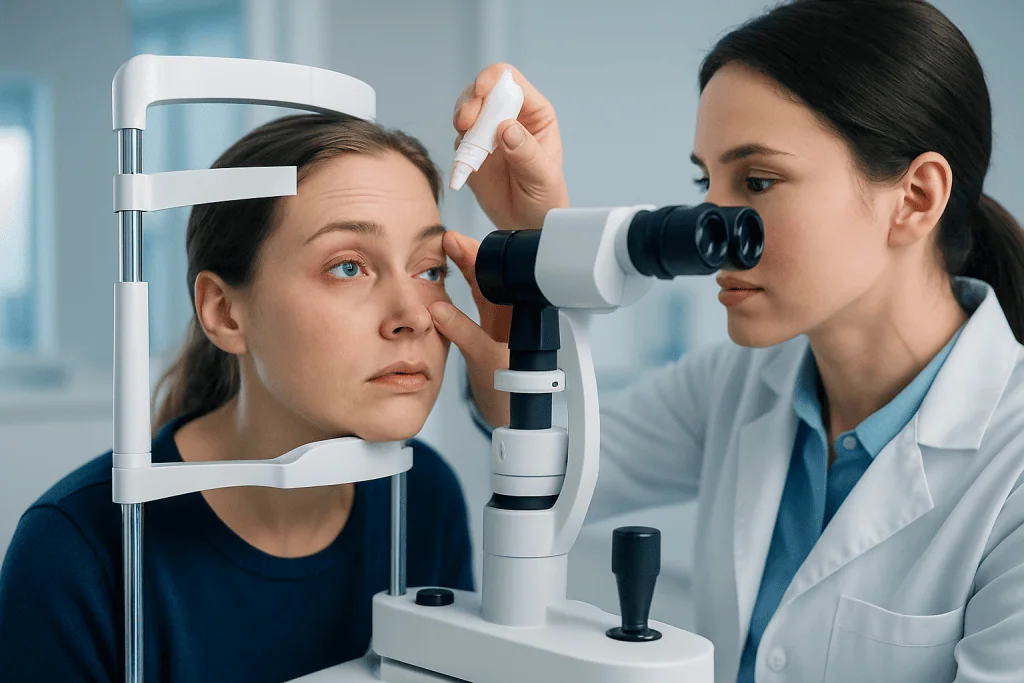
The first signs of keratitis often include a red eye, pain or a gritty sensation, tearing, sensitivity to light, and blurred vision. Some people notice discharge, swollen eyelids, or a white or gray spot on the cornea. Symptoms can develop quickly, especially when an infection is present.
Contact lens wearers should take new redness, pain, light sensitivity, or reduced vision seriously. Wearing lenses while sleeping, swimming, showering, or during an eye infection can increase the risk of corneal infection. Lenses should be removed promptly if symptoms occur and should not be worn again unless a clinician confirms it is safe.
Similar symptoms can occur with conjunctivitis, dry eye, or a scratched cornea, but it is not possible to reliably distinguish these conditions at home. Painful red eye symptoms, particularly with vision changes, deserve timely eye assessment.
Who may need prescription eye drops and how diagnosis guides care

Anyone with suspected keratitis may need prescription eye drops, but the best treatment depends on the cause. People at higher risk include contact lens users, people with a recent eye injury, those who have had eye surgery, and people with reduced immunity. Existing eye surface conditions, severe dry eye, or eyelid disease can also make corneal inflammation more likely.
During the assessment, an ophthalmologist asks about symptoms, contact lens habits, recent injury, travel, water exposure, and previous eye conditions. The eye is examined with magnification, often after fluorescein dye is placed in the eye. This dye can highlight defects on the corneal surface.
If an ulcer, severe inflammation, or unusual infection is suspected, the specialist may collect corneal scrapings for testing. Results can help target treatment, particularly if first-line drops are not working. Other eye conditions, including dry eye syndrome, may also be assessed when they contribute to repeated surface irritation.
Step by step: starting and using keratitis treatment eye drops
After diagnosis, the ophthalmologist prescribes treatment tailored to the suspected or confirmed cause. For a significant bacterial infection, antibiotic drops may initially be needed very frequently, including at night in some cases. Viral, fungal, and parasitic keratitis have different treatment plans and may need both drops and oral medicines.
Before applying drops, hands should be washed carefully. The bottle tip should not touch the eye, eyelashes, fingers, or any surface, because contamination can introduce germs. One drop is usually enough; gently closing the eye afterward and pressing lightly at the inner corner can reduce drainage into the nose.
When more than one medication is prescribed, patients should usually wait several minutes between products so that one does not wash out the other. Ointments are generally used after drops. A clinician or pharmacist can explain the exact schedule, storage instructions, and whether contact lenses must be avoided.
Follow-up appointments are an important part of treatment. The eye specialist checks that the cornea is healing, adjusts medicines where needed, and looks for complications such as thinning or scarring. Patients should not stop drops early, share them, or use leftover eye medicines without medical advice.
How long does it take to get rid of keratitis?
How long keratitis lasts depends on its cause, how quickly treatment starts, and whether the cornea has developed an ulcer or scar. Mild noninfectious irritation may settle over several days once the trigger is managed. Bacterial keratitis often begins improving within a few days of appropriate treatment, although the full course and corneal recovery may take longer.
Viral keratitis can recur and may require longer-term monitoring. Fungal and parasitic keratitis often take weeks or longer to resolve because they can be more difficult to treat. Vision may remain blurry during healing, especially if swelling or a corneal opacity is present.
Healing is not measured only by how the eye feels. Pain and redness may improve before the cornea has fully recovered. Keeping scheduled reviews helps the ophthalmologist determine when treatment can be reduced and when it is safe to return to contact lens use, if appropriate.
What is the fastest way to cure keratitis?
The fastest safe approach is prompt examination by an eye professional and treatment matched to the cause. There is no single eye drop that cures every type of keratitis. Using the wrong medication, especially steroid drops without supervision, can delay healing or make some infections worse.
Until medical advice is received, patients should remove contact lenses, avoid rubbing the eye, avoid eye makeup, and avoid using someone else’s drops. They should not patch the eye unless advised by a clinician. Preservative-free artificial tears may be appropriate for some people with surface discomfort, but they do not replace treatment for an infection.
For people whose symptoms are related to an eye-surface problem rather than infection, treatment may include dry eye treatment alongside avoidance of triggering factors. The safest route to a quicker recovery is following the prescribed schedule closely and attending recommended follow-up visits.
Benefits, risks, recovery, and prevention
The main benefit of correctly selected keratitis treatment eye drops is control of the underlying inflammation or infection while protecting the cornea and vision. Many people experience less pain, redness, tearing, and light sensitivity as treatment takes effect. Early care can also reduce the chance of permanent scarring.
Eye drops can cause temporary stinging, burning, blurred vision, redness, or allergy in some people. Certain medicines require close monitoring because they can affect the cornea or eye pressure. Corticosteroid drops can be valuable in carefully chosen cases, but they must be prescribed and monitored by an ophthalmologist because they may aggravate untreated infection.
Recovery includes protecting the eye while it heals. Patients should follow contact lens instructions carefully, replace old lens cases, use fresh disinfecting solution, and never rinse lenses with tap water. Avoiding overnight lens wear unless specifically approved can lower the risk of future infection.
- Wash and dry hands before handling lenses or applying eye drops.
- Do not wear contact lenses during active keratitis unless an ophthalmologist advises otherwise.
- Use medication exactly as directed and do not save prescription drops for later use.
- Wear protective eyewear during work or activities with a risk of eye injury.
Is keratitis a serious condition? When to seek medical care
Keratitis can be serious because the cornea is essential for clear vision. Some mild, noninfectious cases improve with appropriate care, but infectious keratitis can progress rapidly and may lead to corneal scarring, thinning, or vision loss if not treated promptly. The outlook is generally better when the cause is identified early and treatment is started without delay.
Same-day urgent eye care is appropriate for eye pain, marked redness, sensitivity to light, reduced or cloudy vision, discharge, a visible spot on the cornea, or symptoms in a contact lens wearer. Immediate assessment is also important after an eye injury, chemical exposure, or if symptoms worsen despite prescribed treatment.
Acibadem International’s multidisciplinary specialists and JCI-accredited hospitals assess and treat eye conditions for international patients, including corneal disorders requiring coordinated ophthalmic care. A qualified eye specialist can explain whether medical treatment, monitoring, or additional care is needed for an individual situation.
Frequently asked questions
What eye drops are used for keratitis?
The drops used depend on the cause. Antibiotic drops may treat bacterial keratitis, while antiviral, antifungal, or antiparasitic treatment may be needed for other infections. Lubricants and carefully supervised anti-inflammatory drops may be used in selected noninfectious cases.
Can keratitis go away on its own?
Some mild irritation-related corneal inflammation may improve when the trigger is removed and the eye surface is supported. However, infectious keratitis can worsen without treatment and may threaten vision. A painful red eye or any change in vision should be assessed by an eye professional.
Should contact lenses be worn during keratitis treatment?
Contact lenses should usually be removed as soon as keratitis is suspected and not worn during treatment. Resuming lens wear should wait until the ophthalmologist confirms that the cornea has healed. The clinician may also recommend replacing lenses, the case, and possibly lens-care products.
Can steroid eye drops treat keratitis?
Steroid drops can reduce inflammation in certain forms of keratitis, but they are not appropriate for every case. They can worsen some infections or delay healing when used incorrectly. They should only be used when prescribed and monitored by an ophthalmologist.
Why is my vision still blurry after starting keratitis eye drops?
Blurred vision can persist while the cornea remains inflamed, swollen, or healing from an ulcer. Some eye drops and ointments can also temporarily blur vision. Worsening vision, severe pain, or increasing redness should be reported urgently to the treating eye specialist.
How can keratitis be prevented?
Good contact lens hygiene is one of the most important preventive measures. Wash hands before touching lenses, avoid sleeping or swimming in lenses unless specifically approved, use recommended cleaning solution, and replace lens cases regularly. Promptly treating dry eye, eyelid problems, and eye injuries may also reduce risk.
References
- American Academy of Ophthalmology
- National Eye Institute
- Centers for Disease Control and Prevention
- Mayo Clinic
- Merck Manual Consumer Version
This article is for general information only and is not a substitute for professional medical advice. Please consult a qualified doctor about your individual situation.
Explore treatments in Turkey — costs, top hospitals & a free quote
JCI-accredited · board-certified surgeons · reply within 24h
Add us as a Preferred Source to see more of our trusted health content across Google Search, AI Overviews and Discover.