Ketamine Therapy: Early Signs, Risk Factors, and How It Is Treated

Ketamine therapy is used mainly for severe depression that has not improved with standard treatment and sometimes for complex pain conditions. It should be given in a medical setting with screening, monitoring, and follow-up rather than used without supervision.
Key Takeaways
- Ketamine therapy is used mainly for severe depression that has not improved with standard treatment and sometimes for complex pain conditions.
- It should be given in a medical setting with screening, monitoring, and follow-up rather than used without supervision.
- Early effects may include rapid mood improvement, but side effects such as dizziness, nausea, dissociation, and blood pressure changes can occur.
- Not everyone is a good candidate; medical history, mental health history, and current medications matter.
- Ongoing treatment usually involves a broader care plan that may include psychotherapy, psychiatric follow-up, and other therapies.
Ketamine therapy is a supervised medical treatment most often used for treatment-resistant depression and, in some cases, certain pain conditions. It can act more quickly than standard medications for some people, but it also has risks, side effects, and clear limits, so careful evaluation and follow-up are essential.
Overview: What ketamine therapy is and when it is used
Ketamine therapy is a medical treatment that uses ketamine, a medication originally developed as an anesthetic, in carefully controlled doses for specific health conditions. Today, its best-known use is in people with severe depression, especially when symptoms have not improved enough with standard antidepressants. Some specialists also use it for selected chronic pain conditions.
What makes ketamine therapy different is how quickly it may work in some patients. While many standard antidepressants take weeks to show full effect, ketamine can sometimes reduce depressive symptoms within hours or days. This does not mean it is a first-line option for everyone. Instead, it is usually considered when symptoms are severe, persistent, or urgent and when expert assessment supports its use.
Ketamine therapy is not a single, one-size-fits-all treatment. It may be delivered by intravenous infusion, and in some cases a related medicine may be used in a closely supervised psychiatric setting. The treatment plan depends on the patient’s diagnosis, symptom pattern, physical health, and response over time. It is generally part of a broader mental health or pain management plan rather than a stand-alone solution.
Early signs that ketamine therapy may be considered
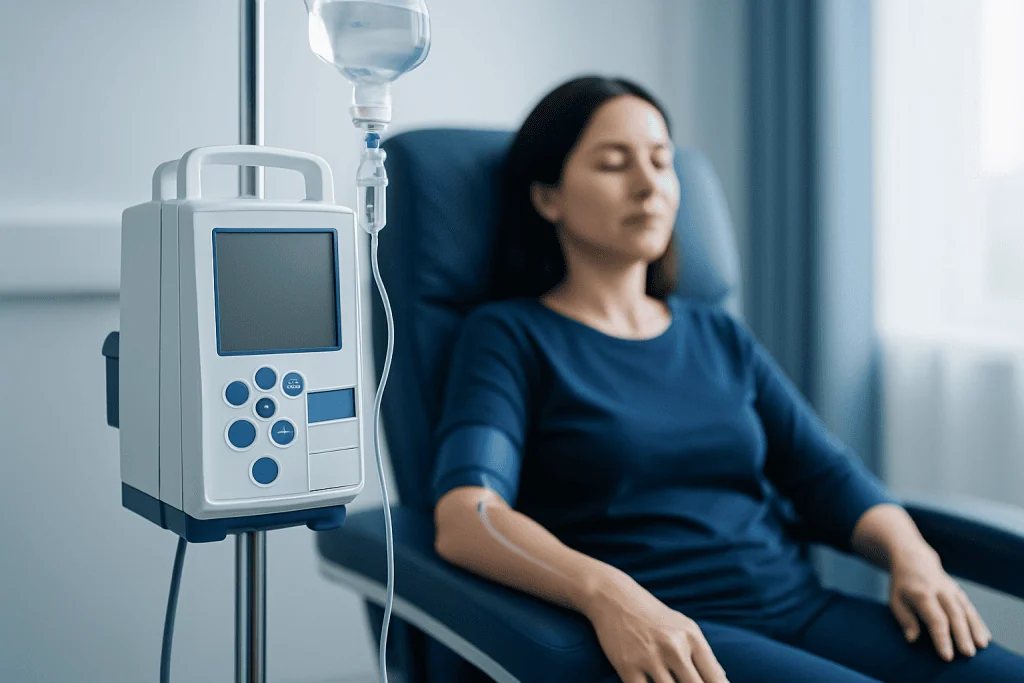
People often ask about the “early signs” related to ketamine therapy. In practice, this usually means the clinical situations in which a doctor may begin discussing it. One common sign is depression that remains significant despite appropriate trials of standard treatments. This may include persistent low mood, loss of interest, sleep disturbance, poor concentration, and feelings of hopelessness that continue even with regular care.
Another important situation is when symptoms need a faster response than usual. For example, a patient with severe depression, marked functional decline, or worsening distress may need urgent specialist evaluation to see whether rapid-acting treatment is appropriate. In these cases, ketamine therapy may be discussed alongside other evidence-based options such as medication adjustment, psychotherapy, or advanced psychiatric care.
In pain medicine, ketamine therapy may be considered in selected cases of hard-to-manage neuropathic or centralized pain, especially when standard approaches have not provided enough relief. However, suitability must be assessed carefully because symptom improvement, side effects, and long-term benefit can vary from person to person.
It is also helpful to recognize early treatment effects after a supervised session. Some patients report reduced emotional heaviness, less intense suicidal thinking, or improved ability to engage with daily activities. Others may not notice early improvement, and that does not always mean treatment will fail. Follow-up over time is important to judge whether the therapy is helping in a meaningful and safe way.
Who may benefit and what risk factors matter

Ketamine therapy is most often considered for adults with treatment-resistant depression, severe depressive episodes, or certain other carefully evaluated psychiatric conditions. In some centers, it may also be used for selected pain disorders. A specialist usually reviews the person’s diagnosis, prior treatments, symptom severity, daily functioning, and safety concerns before recommending it.
Several factors affect whether ketamine therapy is appropriate. A history of uncontrolled high blood pressure, serious heart disease, active psychosis, or certain substance use problems may increase risk or make treatment unsuitable. Past episodes of mania or bipolar disorder also require close psychiatric review because mood symptoms can be complex and treatment choices need to be individualized.
Medication review is another key part of screening. Doctors consider prescription medicines, over-the-counter products, and alcohol or recreational drug use because interactions or overlapping side effects may change the treatment plan. Pregnancy, breastfeeding, liver problems, and urinary symptoms may also influence whether ketamine is advised.
Risk factors do not automatically rule out treatment, but they do change how carefully it should be assessed and monitored. For some patients, a doctor may recommend alternatives first, such as depression treatment through medication optimization, psychotherapy, or other structured psychiatric approaches. If anxiety symptoms are also a major part of the picture, evaluation may overlap with care for anxiety disorders.
How ketamine therapy is evaluated and monitored
Before treatment begins, the care team usually performs a full assessment rather than relying on symptoms alone. This often includes a psychiatric evaluation, a review of previous treatments, medical history, blood pressure and heart rate checks, and discussion of expectations, possible benefits, and possible adverse effects. In some cases, laboratory tests or additional medical review may be needed.
The diagnosis being treated also matters. Ketamine therapy is not used simply for general stress or temporary sadness. It is considered in defined clinical settings, often involving severe mood symptoms or difficult pain conditions. A clinician may also assess whether other diagnoses, such as bipolar disorder, psychosis, substance misuse, or untreated sleep problems, could be contributing to the patient’s symptoms.
During treatment, patients are monitored for both physical and psychological effects. Temporary changes in perception, dizziness, nausea, drowsiness, increases in blood pressure, or feelings of detachment can occur. Because of this, sessions are typically done in a supervised medical setting, and patients are observed afterward until they are stable.
Follow-up is just as important as the treatment session itself. Doctors look at whether mood, function, sleep, and safety have improved, how long the benefit lasts, and whether side effects are manageable. In some people, ketamine therapy becomes one part of an integrated plan that may include psychiatric follow-up, counseling, and, when needed, psychiatric care.
Benefits, side effects, and treatment options
The main potential benefit of ketamine therapy is rapid symptom relief in selected patients, especially those with severe depression that has not responded to other treatments. For some, this can create a valuable window in which they are better able to sleep, think clearly, participate in therapy, and reconnect with daily life. However, the response is not universal, and benefit may be temporary without a longer-term plan.
Side effects are usually short-lived but should be taken seriously. Common effects can include nausea, dizziness, blurred vision, headache, a floating or disconnected feeling, and short-term increases in blood pressure or heart rate. Some people feel anxious or emotionally unsettled during treatment. Because ketamine can affect perception and judgment for a period of time, supervised recovery after the session is important.
Longer-term concerns include the possibility of misuse, psychological dependence in vulnerable individuals, and, with repeated exposure outside proper medical supervision, bladder or urinary problems. These issues are one reason ketamine therapy should not be viewed as a casual wellness treatment. It is a medical intervention that requires appropriate patient selection and follow-up.
Treatment options around ketamine therapy vary by diagnosis. For depression, care may include medication review, psychotherapy, safety planning, and sometimes advanced interventions such as transcranial magnetic stimulation. In severe or complex presentations, clinicians may also compare ketamine with other evidence-based approaches used in the treatment of depression.
Self-care, safety, and what supports the best results
Ketamine therapy tends to work best when it is part of a structured care plan. Patients are usually advised to continue regular appointments with their psychiatrist, psychologist, pain specialist, or primary doctor rather than relying on treatment sessions alone. Ongoing care helps the team track symptom change, maintain safety, and decide whether treatment should continue, pause, or change.
Simple self-care steps can support recovery between sessions. These may include keeping a regular sleep schedule, limiting alcohol and recreational drug use, eating regularly, staying hydrated, and arranging practical support for the day of treatment. Because temporary drowsiness or altered perception can occur, patients generally need someone to help with transportation after a session if advised by their care team.
Emotional support matters as well. Some people find it helpful to keep a symptom diary, note any mood changes, and identify warning signs such as worsening hopelessness, agitation, or self-harm thoughts. Psychotherapy can also help patients make use of periods of improved mood and build longer-term coping strategies.
Centers with multidisciplinary mental health and medical teams can help coordinate this process. Near the end of care planning, some international patients may seek consultation at centers such as Acibadem International, where multidisciplinary specialists in JCI-accredited hospitals evaluate and treat complex psychiatric and neurological conditions in a structured setting.
When to seek medical care
Medical advice should be sought promptly if depression symptoms are worsening, if daily functioning is declining, or if previous treatments are not helping enough. A qualified clinician can assess whether ketamine therapy is appropriate or whether another treatment would be safer or more effective.
Urgent care is needed if a person has thoughts of self-harm or suicide, severe agitation, confusion, chest pain, trouble breathing, or a marked reaction during or after treatment. These symptoms should never be managed alone. Immediate emergency services or crisis support should be contacted according to local guidance.
After ketamine therapy, patients should also contact their care team if side effects last longer than expected, if urinary symptoms appear, if blood pressure concerns develop, or if mood swings become more intense. Early communication allows treatment to be adjusted before small concerns become larger problems.
Frequently asked questions
What is ketamine therapy mainly used for?
Ketamine therapy is mainly used for severe depression that has not improved with standard treatment. In some settings, it may also be used for selected chronic pain conditions under specialist supervision.
How quickly does ketamine therapy work?
Some people notice improvement within hours or days, especially in mood symptoms. However, the response varies, and some patients need repeated assessment before doctors can tell whether it is helping.
Is ketamine therapy the same as taking a regular antidepressant?
No. Ketamine works differently from standard antidepressants and is usually given in a supervised medical setting rather than taken routinely at home in the same way. It is generally used when symptoms are severe or resistant to usual treatment.
What are the most common side effects of ketamine therapy?
Common side effects include dizziness, nausea, sleepiness, headache, blurred vision, and temporary feelings of detachment or altered perception. Blood pressure and heart rate can also rise for a short time, which is why monitoring is important.
Who should avoid ketamine therapy or be assessed very carefully first?
People with certain heart conditions, uncontrolled high blood pressure, active psychosis, or some substance use problems may need a different treatment approach or closer review. A doctor also considers pregnancy, medication interactions, and past mental health history before recommending it.
Can ketamine therapy cure depression?
Ketamine therapy is not considered a cure. It may reduce symptoms and create an opportunity for recovery, but most patients still need ongoing mental health care such as psychotherapy, medication review, and regular follow-up.
References
- National Institute of Mental Health
- American Psychiatric Association
- U.S. Food and Drug Administration
- National Institute for Health and Care Excellence
- World Health Organization
This article is for general information only and is not a substitute for professional medical advice. Please consult a qualified doctor about your individual situation.
Explore treatments in Turkey — costs, top hospitals & a free quote
JCI-accredited · board-certified surgeons · reply within 24h
Add us as a Preferred Source to see more of our trusted health content across Google Search, AI Overviews and Discover.
Check your numbers in seconds
BMI, calories, due date, blood pressure and 30+ more clinical calculators — free, instant, doctor-reviewed ranges.