

Kidney Stones: How to Prevent Them and Lower Recurrence Risk

Kidney stones often recur, so prevention matters after a first episode. Drinking enough fluids is one of the most effective ways to reduce risk.
Key Takeaways
- Kidney stones often recur, so prevention matters after a first episode.
- Drinking enough fluids is one of the most effective ways to reduce risk.
- Prevention depends partly on the type of stone and a person’s medical history.
- Dietary changes may include moderating salt, maintaining normal calcium intake, and limiting excess animal protein.
- A doctor may recommend urine, blood, or stone analysis to guide a personalized prevention plan.
Kidney stones are common and can return, but many people can lower their risk with the right prevention plan. Good hydration, targeted dietary changes, and medical follow-up are the main steps to help prevent future stones.
Overview
Kidney stones are hard deposits made from minerals and salts that form in the urinary tract. They can develop when urine becomes too concentrated, allowing certain substances such as calcium, oxalate, or uric acid to crystallize and stick together. Some stones stay in the kidney without causing symptoms, while others move into the ureter and cause significant pain.
Although kidney stones can affect anyone, they are especially important from a prevention perspective because they often come back. After one stone episode, a person may have a higher chance of forming another in the future. This is why doctors often focus not only on treatment of the current stone, but also on identifying ways to lower recurrence risk over time.
Prevention is not exactly the same for everyone. The best strategy depends on factors such as the stone’s composition, fluid intake, eating habits, medications, family history, and certain health conditions. In many cases, simple daily habits can make a meaningful difference, especially when guided by a healthcare professional.
Symptoms and When Stones Cause Problems
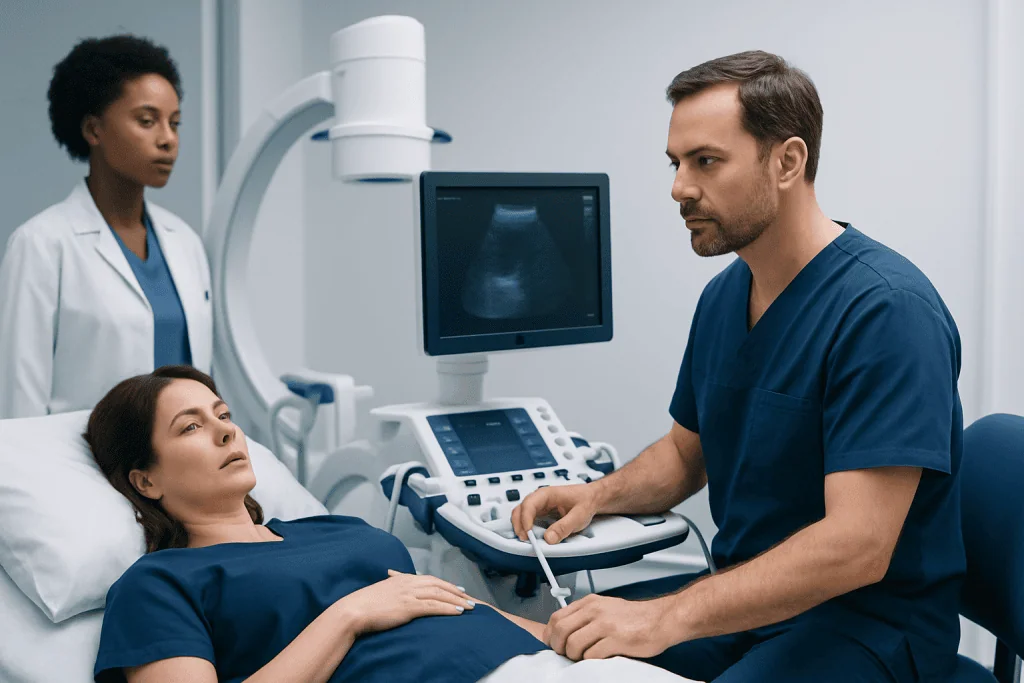
Kidney stones do not always cause symptoms right away. A small stone that remains in the kidney may be found incidentally during imaging for another reason. Symptoms usually appear when a stone begins to move or blocks the flow of urine.
Common symptoms can include severe pain in the back, side, lower abdomen, or groin, pain that comes in waves, nausea, vomiting, and blood in the urine. Some people also notice frequent urination, burning with urination, or cloudy or foul-smelling urine. The intensity of symptoms often depends on where the stone is located and whether it is causing obstruction.
A stone can become more urgent if it is associated with infection or inability to pass urine. Warning signs include fever, chills, worsening pain, vomiting that prevents fluid intake, or very little urine output. In these situations, prompt medical evaluation is important.
- Sudden side or back pain may suggest a stone moving through the urinary tract.
- Blood in the urine can be visible or found only on testing.
- Fever or chills with stone symptoms may indicate infection and needs urgent care.
What Causes Kidney Stones and Who Is at Risk?

Kidney stones form for several reasons, and often more than one factor is involved. Dehydration is a major contributor because low urine volume allows minerals to become more concentrated. Diet can also play a role, especially high sodium intake, excess animal protein, and in some people, high intake of foods rich in oxalate. Certain medications and supplements may increase risk as well.
There are different stone types, and each has its own pattern of risk. Calcium oxalate stones are the most common. Uric acid stones may be more likely in people with high uric acid levels, gout, or persistently acidic urine. Struvite stones can develop with some urinary tract infections, while cystine stones are linked to a rare inherited condition.
Other risk factors include a personal or family history of stones, obesity, low physical activity, digestive disorders that affect absorption, repeated urinary infections, and some endocrine or metabolic conditions. People who have had conditions such as gout or chronic bowel disease may need more tailored prevention advice. Understanding these factors helps clinicians create a plan that is practical and specific rather than one-size-fits-all.
How Doctors Diagnose Kidney Stones and Assess Recurrence Risk
Diagnosis usually starts with a review of symptoms, medical history, and physical examination. Urine tests may check for blood, signs of infection, crystal patterns, and urine acidity. Blood tests can help assess kidney function and measure substances such as calcium or uric acid that may contribute to stone formation.
Imaging is often used to confirm the presence, size, and location of a stone. Depending on the situation, doctors may use ultrasound or computed tomography. Imaging also helps determine whether the stone is likely to pass on its own or whether further treatment is needed.
For prevention, the evaluation may go further than confirming the stone itself. If a stone is passed or removed, laboratory analysis can identify its composition. Some people also benefit from a 24-hour urine collection to measure urine volume and levels of calcium, oxalate, citrate, sodium, uric acid, and other factors. This kind of work-up is especially helpful in people with recurrent stones, early-age stones, bilateral stones, or strong family history.
Because stone disease is closely connected to urinary tract health, some patients may be referred for specialist care in urology evaluation to look for underlying contributors and prevention options.
Treatment Options for a Current Stone
Treatment depends on the stone’s size, location, symptoms, and whether there is obstruction or infection. Small stones may pass with time, fluids, pain relief, and close follow-up. A doctor may also use medications that help relax the ureter in selected cases, although this approach is not suitable for everyone.
Larger stones, severe symptoms, persistent blockage, or infection may require a procedure. Common options include shock wave treatment to break the stone, endoscopic procedures through the urinary tract, or other minimally invasive approaches. The right choice depends on the stone and the patient’s overall condition.
If a stone is not passing or causes repeated problems, a specialist may discuss procedures such as kidney stone treatment or, in selected cases, ureteroscopy to remove or break the stone safely. The treatment of the current episode is only one part of care; prevention after recovery is just as important.
When there is fever, suspected infection, or worsening kidney function, urgent treatment may be needed to relieve obstruction and protect the kidney. This is why people with severe symptoms should not delay medical attention.
How to Prevent Kidney Stones and Lower Recurrence Risk
The most widely recommended prevention step is to increase fluid intake so the body produces more urine throughout the day. For many people, this means drinking enough water and other appropriate fluids to keep urine pale yellow most of the time, unless a doctor has advised fluid restriction for another condition. Spreading fluid intake from morning to evening, and increasing it in hot weather or during exercise, can help maintain a good urine volume.
Dietary prevention should be balanced rather than extreme. Sodium reduction is often important because too much salt can increase calcium in the urine. Maintaining a normal dietary calcium intake is also important; cutting calcium too low may actually raise the risk of some stones. Many patients are also advised to avoid excessive animal protein and to be mindful of high-oxalate foods if they have calcium oxalate stones. Pairing oxalate-containing foods with calcium-containing foods at meals may help in some cases.
Weight management, regular physical activity, and good control of other health conditions may also support prevention. People with uric acid stones may benefit from steps to reduce urine acidity, while those with recurrent infection-related stones may need treatment and prevention of urinary infections. This is why knowing the stone type can be so helpful.
Some patients need medication in addition to lifestyle changes. Depending on the cause, a doctor may prescribe medicines that lower urine calcium, increase citrate, or reduce uric acid. These treatments should be individualized and monitored with follow-up testing. In complex or recurrent cases, care may involve both nephrology and urology specialists.
- Drink fluids regularly across the day.
- Limit excess salt in processed and restaurant foods.
- Do not restrict calcium unless a doctor advises it.
- Moderate animal protein intake.
- Follow a stone-specific plan if stone analysis is available.
Self-care, Follow-up, and When to See a Doctor
Self-care after a stone episode usually includes staying well hydrated, taking prescribed medicines as directed, and attending follow-up appointments. If asked, patients may strain their urine to collect a passed stone for analysis. Keeping a record of fluid intake, symptoms, and possible triggers can also help guide prevention discussions.
Follow-up matters because recurrence can happen silently before symptoms begin. A doctor may repeat urine tests, blood tests, or imaging to check that the urinary tract is clear and to see whether prevention steps are working. People with repeated stones may need longer-term monitoring and adjustments to their plan over time.
Medical advice should be sought promptly for severe pain, fever, chills, vomiting, blood in the urine, or difficulty passing urine. People with one kidney, known kidney disease, pregnancy, or a history of complicated stones should be especially careful about new symptoms.
For patients who need coordinated care, Acibadem International’s multidisciplinary specialists and JCI-accredited hospitals diagnose and treat kidney stones for international patients, with prevention planning based on the individual’s stone type and overall health.
Frequently asked questions
Can kidney stones be prevented completely?
Not always, but the risk can often be reduced substantially. Prevention works best when it is based on personal factors such as stone type, fluid intake, diet, and any underlying medical conditions.
What is the best drink to help prevent kidney stones?
Water is usually the best choice for most people. The main goal is enough total fluid to produce diluted urine throughout the day, though a doctor may suggest specific adjustments based on the type of stone.
Should a person stop eating calcium to prevent kidney stones?
Usually no. Normal dietary calcium is important, and reducing it too much may increase the risk of certain stones, especially calcium oxalate stones. Calcium supplements, however, should be discussed with a doctor.
Are kidney stones likely to come back?
They can be. People who have had one kidney stone may develop another later, which is why prevention and follow-up are important even after symptoms improve.
Do all kidney stones need surgery?
No. Many small stones pass on their own with time, fluids, pain management, and monitoring. Procedures are more likely to be needed for larger stones, severe symptoms, blockage, infection, or stones that do not pass.
When should someone seek urgent care for kidney stone symptoms?
Urgent care is important if symptoms include fever, chills, uncontrolled pain, repeated vomiting, difficulty passing urine, or very little urine output. These signs can suggest a blocked urinary tract or infection and need prompt medical assessment.
References
- National Institute of Diabetes and Digestive and Kidney Diseases
- European Association of Urology
- American Urological Association
- National Kidney Foundation
- Mayo Clinic
This article is for general information only and is not a substitute for professional medical advice. Please consult a qualified doctor about your individual situation.
Explore treatments in Turkey — costs, top hospitals & a free quote
JCI-accredited · board-certified surgeons · reply within 24h
Add us as a Preferred Source to see more of our trusted health content across Google Search, AI Overviews and Discover.

More from the Health Library



Related Specialists

Dr. Süheyla Yeldan Vatansever
Pediatrics
Prof. Dr. Zeynep Güven
Physical Medicine & Rehabilitation
Dr. Necip Tuğrul
Pediatrics
Assoc. Prof. Dr. M. Murat Sezer
Pulmonology