

Kidney Stones Treatment: Passing Stones, Procedures, and Recovery

Small kidney stones often pass on their own with hydration, pain control, and medical guidance. Treatment choice depends on stone size, location, symptoms, infection risk, and how well the kidney is draining.
Key Takeaways
- Small kidney stones often pass on their own with hydration, pain control, and medical guidance.
- Treatment choice depends on stone size, location, symptoms, infection risk, and how well the kidney is draining.
- Procedures such as shock wave therapy, ureteroscopy, or surgery may be needed for larger or blocked stones.
- Recovery is usually manageable, but follow-up is important to confirm the stone has passed or been cleared.
- Preventing future stones often includes fluids, diet changes, and sometimes medicines based on the stone type.
Kidney stones treatment depends on the stone’s size, location, and whether it is causing pain, blockage, or infection. Many small stones pass with time and supportive care, while larger or more problematic stones may need a procedure to break them up or remove them safely.
Overview of Kidney Stones Treatment
Kidney stones are hard mineral deposits that form in the kidneys and may stay there or move into the urinary tract. Treatment is not the same for every person. Doctors consider the stone’s size, where it is located, how severe the pain is, whether urine flow is blocked, and whether there are signs of infection or kidney strain.
For many people, especially those with smaller stones, treatment begins with supportive care. This usually means drinking enough fluids, using pain relief as advised by a doctor, and waiting to see if the stone passes naturally. A doctor may also suggest straining the urine to catch the stone, which can later be analyzed to help prevent future stones.
When a stone is too large to pass easily, causes repeated severe pain, blocks urine flow, or is linked to infection, a procedure may be needed. The main goals are to relieve symptoms, protect kidney function, clear the stone, and reduce the risk of new stones developing later.
Passing a Kidney Stone: What to Expect
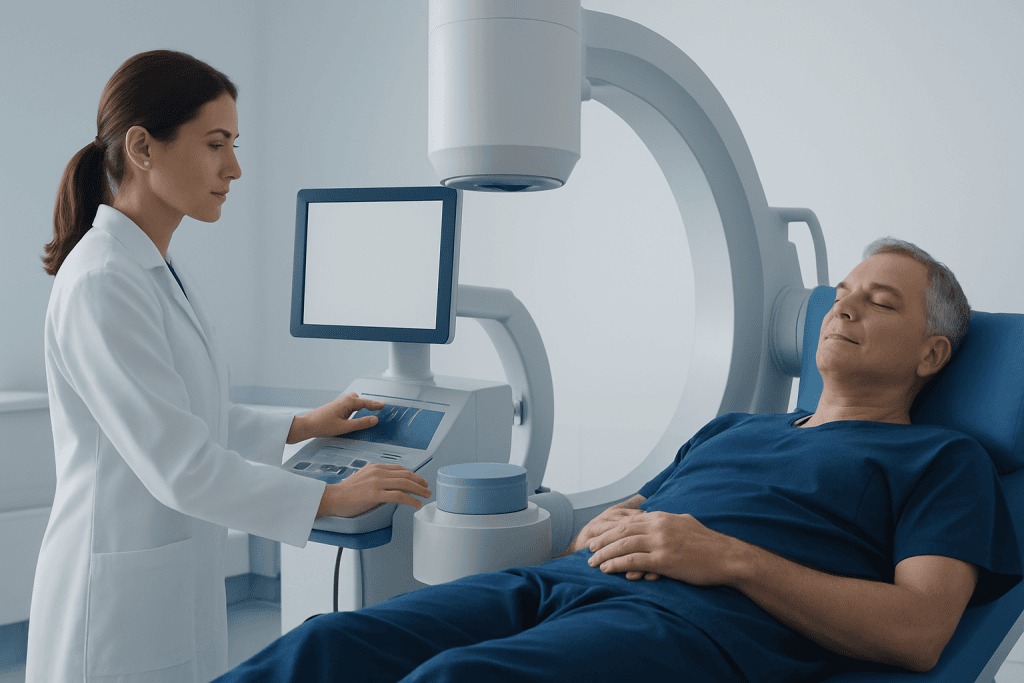
Many kidney stones, particularly smaller ones, can pass without surgery. As the stone moves from the kidney into the ureter and then out through the bladder, it may cause waves of pain, nausea, urinary urgency, burning with urination, or blood in the urine. Symptoms can come and go as the stone shifts.
Doctors often recommend drinking fluids regularly unless there is a medical reason to limit fluid intake. Pain management is an important part of care because discomfort can be intense even when the stone is small. In some cases, a doctor may prescribe medication to help relax the ureter so the stone can pass more easily.
The time needed to pass a stone varies. Some stones pass within days, while others take several weeks. During this period, medical follow-up may include imaging to check whether the stone is moving and whether the kidney is draining properly.
- Small stones are more likely to pass naturally.
- Stones lower in the urinary tract often pass more easily than those higher up.
- Persistent vomiting, fever, or inability to urinate needs urgent medical attention.
When Procedures Are Needed

A procedure may be recommended if the stone is unlikely to pass on its own or if waiting could cause harm. Common reasons include a large stone, ongoing severe pain despite treatment, obstruction of urine flow, repeated emergency visits, worsening kidney function, or signs of urinary infection. Infection together with blockage can be especially serious because it may put pressure on the kidney and allow bacteria to spread.
Doctors also look at where the stone is located. A small stone in the lower ureter may pass more readily than a stone of the same size in the kidney. Some stones are smooth and mobile, while others are irregular or lodged in a way that makes natural passage less likely.
The plan may also depend on a person’s overall health, pregnancy status, anatomy of the urinary tract, and whether stones have happened before. If the condition is part of a broader kidney stone disease pattern, long-term prevention becomes just as important as immediate treatment.
Diagnosis and Treatment Planning
Diagnosis usually starts with a medical history, physical examination, urine testing, and blood tests. Urine tests can show blood, infection, or crystals. Blood tests may help assess kidney function and measure substances linked with stone formation, such as calcium or uric acid.
Imaging is used to confirm the presence of a stone and guide treatment. Ultrasound is often used because it avoids radiation and can detect blockage. CT scanning can provide more detail about stone size, number, and exact location, which helps doctors choose the most suitable approach. In some situations, X-rays may also be used to follow certain types of stones over time.
If the stone is passed or removed, analysis of its composition can be very helpful. Common types include calcium oxalate, uric acid, struvite, and cystine stones. Knowing the type supports more personalized advice on hydration, diet, and medication. Some people also need a metabolic evaluation, especially if stones are recurrent, occur at a young age, or are linked with family history.
Treatment Options for Kidney Stones
Supportive treatment is appropriate for many smaller stones. This may include fluids, medicines for pain and nausea, and sometimes medication that helps the stone pass. If symptoms remain controlled and the kidney is not blocked dangerously, this approach can be safe and effective under medical supervision.
When an active procedure is needed, one option is shock wave treatment, which uses sound waves from outside the body to break the stone into smaller pieces that can pass in the urine. This approach may be suitable for selected stones in the kidney or upper ureter and is commonly referred to as shock wave lithotripsy. Whether it is appropriate depends on the stone’s size, hardness, and exact position.
Another common treatment is ureteroscopy, in which a thin instrument is passed through the urinary tract to locate the stone. The stone may be removed directly or broken into smaller fragments using a laser. For larger or more complex stones, doctors may recommend percutaneous nephrolithotomy, a procedure that removes stones through a small incision in the back. Temporary drainage with a stent or nephrostomy tube may also be needed if there is blockage or infection.
The best treatment is the one that clears the stone safely while minimizing risk. A urologist explains expected benefits, possible discomforts, and recovery needs so the person can make an informed decision.
Recovery After Kidney Stone Treatment
Recovery depends on whether the stone passed naturally or was treated with a procedure. After passing a small stone, many people improve quickly, though mild burning with urination, urinary frequency, or fatigue can continue for a short time. Drinking fluids and resting as needed are often part of recovery.
After a procedure, temporary symptoms may include blood in the urine, mild flank discomfort, burning with urination, or the sensation of needing to urinate more often. If a ureteral stent has been placed, it can cause pressure, urinary urgency, or discomfort until it is removed. These effects are common, but they should be discussed with the care team if they become severe or prolonged.
Follow-up is important even when symptoms improve. Imaging or urine checks may be used to confirm that no significant stone fragments remain and that the kidney is draining well. The doctor may also review stone analysis results and discuss steps to lower the risk of recurrence.
At centers such as Acibadem International, multidisciplinary specialists in JCI-accredited hospitals evaluate kidney stones and provide treatment plans for international patients, including follow-up after procedures when needed.
Prevention and Self-Care
Kidney stones often come back, so prevention is an important part of treatment. For most people, drinking enough water through the day is one of the most effective steps. The goal is usually to keep urine pale and well diluted, though fluid targets should be personalized for people with heart, kidney, or other medical conditions.
Diet can also matter. Depending on the stone type, a doctor may advise limiting excess salt, avoiding very high intake of animal protein, or reducing foods high in oxalate. At the same time, normal dietary calcium is often encouraged rather than avoided, because too little calcium in the diet can sometimes increase the risk of certain stones.
Some people need medication to help prevent new stones, especially if stones recur or if blood and urine tests show an underlying imbalance. Medicines may be used to lower urinary calcium, reduce uric acid, or make the urine less acidic. Prevention works best when it is based on the person’s stone type, lab results, and overall health.
- Drink fluids regularly unless a doctor has advised fluid restriction.
- Do not ignore repeated urinary symptoms or recurrent flank pain.
- Bring any passed stone to the doctor if possible for analysis.
- Attend follow-up visits, especially after a procedure or recurrent stones.
When to See a Doctor
Medical review is important for anyone with suspected kidney stones, especially if the pain is severe, keeps coming back, or is not clearly explained. A doctor can confirm whether a stone is present and determine if it is safe to wait for natural passage or whether active treatment is needed.
Urgent care is needed if there is fever, chills, vomiting that prevents drinking, very little urine, inability to urinate, severe weakness, or worsening pain. These symptoms can suggest infection, dehydration, or significant blockage, all of which need prompt assessment.
People should also seek medical advice if they have only one kidney, are pregnant, have known kidney disease, or have repeated stones. Early evaluation can help protect kidney function and guide safer, more effective treatment.
Frequently asked questions
Can kidney stones go away without treatment?
Many small kidney stones can pass on their own with fluids, pain management, and medical follow-up. Even so, a doctor should assess the stone because some cause blockage, infection, or ongoing pain that needs active treatment.
How long does it take to pass a kidney stone?
It can take anywhere from a few days to several weeks, depending on the stone’s size and location. Stones that are smaller and lower in the urinary tract usually pass more easily than larger stones higher up.
What size kidney stone usually needs a procedure?
There is no single size rule for every case, but larger stones are less likely to pass naturally. Doctors also consider symptoms, blockage, infection, and kidney function when deciding whether a procedure is needed.
Is kidney stone treatment painful?
Passing a stone can be very painful, but treatment is aimed at controlling discomfort and safely clearing the stone. Procedures are planned with appropriate anesthesia or pain relief, and recovery symptoms are usually temporary.
What happens if a kidney stone blocks urine flow?
A blocked stone can raise pressure in the kidney and may damage kidney function if it is not relieved. If blockage is combined with infection, it becomes urgent and may require immediate drainage and further treatment.
Can kidney stones come back after treatment?
Yes, kidney stones can recur, especially if the underlying cause is not addressed. Drinking enough fluids, reviewing the stone type, and following a personalized prevention plan can lower the chance of future stones.
References
- National Institute of Diabetes and Digestive and Kidney Diseases
- European Association of Urology
- American Urological Association
- National Kidney Foundation
This article is for general information only and is not a substitute for professional medical advice. Please consult a qualified doctor about your individual situation.
Explore treatments in Turkey — costs, top hospitals & a free quote
JCI-accredited · board-certified surgeons · reply within 24h
Add us as a Preferred Source to see more of our trusted health content across Google Search, AI Overviews and Discover.

More from the Health Library



Related Specialists

Dr. İlke Karagöz
Aesthetic Plastic & Reconstructive Surgery
Assoc. Prof. Dr. Sevgi Topal
Pediatric Intensive Care Unit
Prof. Dr. Hakan Cincik
Otorhinolaryngology
Dr. Gül Sema Can
Gynecology & Obstetrics