Knee Replacement Risks: How Complications Are Prevented and Managed

Most people recover well after knee replacement, and serious complications are uncommon. Potential risks include infection, blood clots, stiffness, bleeding, nerve or blood vessel injury, and implant-related problems.
Key Takeaways
- Most people recover well after knee replacement, and serious complications are uncommon.
- Potential risks include infection, blood clots, stiffness, bleeding, nerve or blood vessel injury, and implant-related problems.
- Pre-surgery assessment, modern surgical techniques, early movement, and rehabilitation all help reduce risk.
- Prompt medical attention for warning signs such as fever, increasing pain, wound drainage, or calf swelling is important.
- Long-term outcomes often depend on rehabilitation, weight management, and protecting the new joint from excessive strain.
Knee replacement surgery is a common and often successful treatment for severe knee pain and joint damage. Like any major operation, it carries risks, but many complications can be reduced through careful preparation, skilled surgical care, and close follow-up after surgery.
Overview of Knee Replacement Risks
Knee replacement surgery, also called knee arthroplasty, is performed when the knee joint is badly damaged and symptoms no longer improve enough with non-surgical care. It may be recommended for advanced arthritis, severe pain, reduced mobility, and difficulty with daily activities. For many people, the procedure can improve function and quality of life.
Even though knee replacement is widely performed and generally safe, it is still major surgery. This means there are possible risks during the operation, in the early recovery period, and over the long term. Understanding these risks can help patients prepare realistically and take an active role in recovery.
It is also important to remember that risk does not mean a complication will definitely happen. Surgeons, anesthesiologists, nurses, and rehabilitation teams use many steps to lower the chance of problems before, during, and after surgery. When complications do occur, early recognition and timely treatment often improve the outcome.
Possible Complications After Knee Replacement

The most discussed knee replacement risks include infection, blood clots, bleeding, pain that lasts longer than expected, joint stiffness, and problems related to anesthesia. Some people may also experience delayed wound healing, temporary numbness around the incision, or swelling that gradually improves over time.
Less common but important complications include injury to nearby nerves or blood vessels, fracture around the implant, instability of the new joint, and implant loosening or wear over the years. In some cases, the kneecap may not track smoothly, or scar tissue may limit movement. A small number of patients may need another procedure if the joint remains painful or does not function as expected.
Complications can appear at different times. Some happen in the first days or weeks after surgery, such as infection or a blood clot. Others may develop months or years later, such as implant wear, loosening, or continued stiffness. This is why follow-up remains important long after the initial recovery period.
- Early risks: infection, blood clots, bleeding, wound problems, stiffness
- Later risks: implant loosening, wear, instability, chronic pain, revision surgery
- General surgical risks: anesthesia reactions, heart or lung complications in selected patients
Who May Have a Higher Risk of Complications?
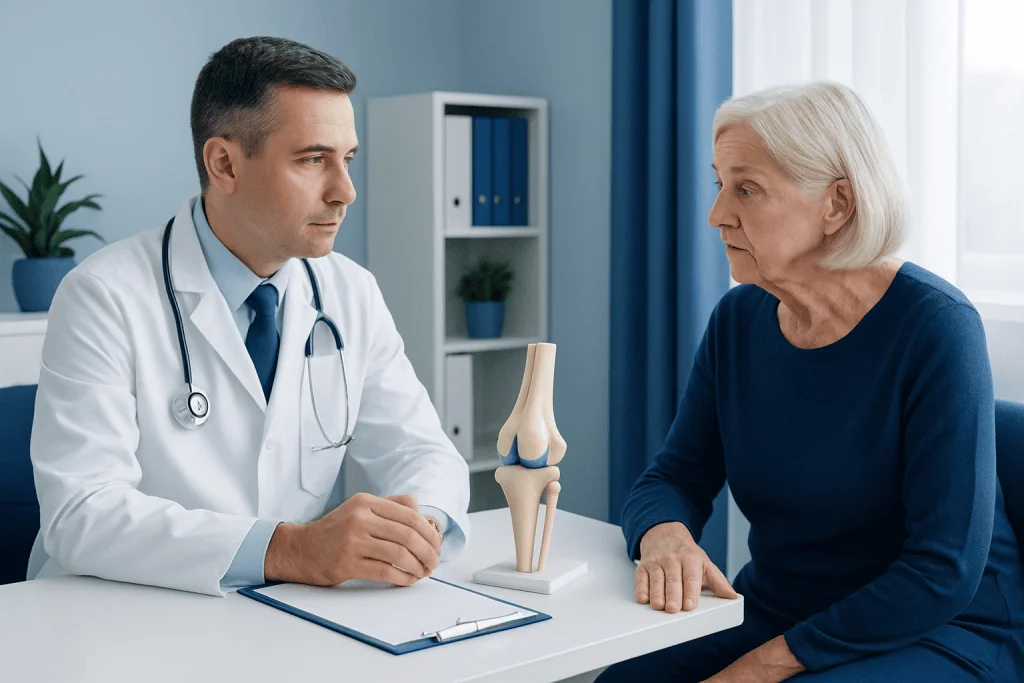
Every patient is different, and the chance of complications depends on overall health as well as the condition of the knee. Older age alone does not automatically mean surgery is unsafe, but certain health conditions can increase risk. These include diabetes, obesity, smoking, poor circulation, heart disease, lung disease, kidney disease, and immune system problems.
Previous knee surgery, severe joint deformity, weak muscles, poor bone quality, or a history of infection can also make the procedure more complex. In some people, limited movement before surgery may make rehabilitation slower afterward. For this reason, surgeons review the patient’s full medical history and often work with other specialists when planning treatment.
Medications matter as well. Blood thinners, steroids, and some immune-suppressing drugs may affect bleeding, healing, or infection risk. A careful preoperative review helps the care team adjust treatment safely. The goal is not to exclude people from surgery unnecessarily, but to identify concerns early and reduce avoidable risks.
How Complications Are Prevented
Prevention begins before the operation. Patients usually undergo a detailed assessment that may include blood tests, heart evaluation, medication review, and screening for active infection. If possible, chronic conditions such as diabetes or high blood pressure are brought under better control before surgery. Stopping smoking, improving nutrition, and preparing the home for recovery can also support better healing.
During surgery, the orthopedic team uses sterile technique, careful planning, and methods that reduce blood loss and protect surrounding tissues. Antibiotics are commonly given around the time of surgery to lower infection risk. The choice of implant, surgical approach, and anesthesia plan is individualized to the patient’s needs and anatomy.
After surgery, prevention continues with early mobilization, pain control, and physical therapy. Many patients are encouraged to stand and begin walking with support soon after the operation. Measures to help prevent blood clots may include leg exercises, compression devices, early walking, and blood-thinning medication when appropriate. These steps work together to support a safer recovery after knee replacement surgery.
Education is another key part of prevention. Patients and families are usually taught how to care for the wound, take medicines safely, recognize warning signs, and follow rehabilitation instructions. This shared approach often helps problems get noticed and treated sooner.
How Common Risks Are Managed
If a complication develops, treatment depends on the type and timing of the problem. Mild swelling and discomfort are often managed with rest, ice, elevation, pain relief, and continued guided movement. However, increasing redness, drainage, fever, or severe pain may suggest infection and need urgent medical review. Treatment can range from antibiotics to additional procedures in more serious cases.
Blood clots are a known concern after joint surgery because movement is reduced during the early recovery period. Symptoms may include calf pain, swelling, warmth, or shortness of breath if a clot travels to the lungs. Quick diagnosis and treatment are essential. Doctors may use imaging tests and prescribe anticoagulant treatment if a clot is confirmed.
Joint stiffness is another issue that can affect recovery. This is usually addressed with early physical therapy, home exercises, and good pain control so that movement is possible. In selected cases, if the knee remains very stiff despite rehabilitation, doctors may consider additional procedures to improve movement.
When implant-related problems occur later, management may involve imaging, medication changes, rehabilitation, or revision surgery if the artificial joint has loosened, become unstable, or worn out. For patients with advanced joint degeneration before surgery, discussions may begin with options for osteoarthritis treatment and when surgery becomes the most suitable next step.
Recovery, Rehabilitation, and Long-Term Self-Care
Recovery is an important part of lowering knee replacement risks. Rehabilitation helps restore movement, strength, balance, and confidence with walking. Most patients follow a structured plan that includes supervised physical therapy and exercises at home. Progress can vary, so recovery should not be compared too closely with another person’s experience.
Protecting the new joint in the long term also matters. Maintaining a healthy weight can reduce stress on the implant. Regular low-impact activity, such as walking, cycling, or swimming, may help support joint function and general health. High-impact activities or sudden twisting movements may be discouraged depending on the surgeon’s advice.
Patients should continue follow-up visits even if they feel well. These appointments help the surgical team monitor healing, alignment, range of motion, and implant function. If needed, additional support such as physical therapy and rehabilitation can improve mobility and help manage ongoing stiffness or weakness.
Some patients require long-term planning for the opposite knee or other joints if arthritis affects more than one area. In selected cases, orthopedic specialists may evaluate whether other procedures, including robotic knee replacement, are appropriate based on anatomy, joint damage, and surgeon experience.
When to See a Doctor
Patients should contact their doctor if recovery does not seem to be progressing as expected or if new symptoms appear. Warning signs include fever, worsening redness around the wound, discharge from the incision, increasing pain rather than gradual improvement, or swelling that becomes more pronounced instead of settling.
Immediate medical attention is important for symptoms that may suggest a blood clot or lung complication, such as calf tenderness, one-sided leg swelling, chest pain, or sudden shortness of breath. These symptoms need urgent evaluation and should not be ignored.
It is also wise to seek review for persistent stiffness, repeated giving way of the knee, clicking with pain, or difficulty putting weight on the leg. Ongoing discomfort does not always mean a major complication, but it deserves assessment. Early communication with the care team often leads to faster reassurance or treatment.
For people seeking care across borders, Acibadem International’s multidisciplinary specialists and JCI-accredited hospitals diagnose and treat knee conditions for international patients, including evaluation before and after joint replacement.
Frequently asked questions
Is knee replacement a high-risk surgery?
Knee replacement is a major operation, but it is commonly performed and is generally considered safe when patients are carefully selected and prepared. The level of risk depends on overall health, age, other medical conditions, and how well recovery instructions are followed.
What is the most serious complication after knee replacement?
Infection and blood clots are among the most serious complications because they may need urgent treatment. Although they are not common, they are monitored closely because early diagnosis can make treatment more effective and protect the new joint.
How can patients reduce knee replacement risks before surgery?
Patients can help reduce risk by stopping smoking, improving blood sugar control if they have diabetes, managing weight when possible, and treating any active infections before surgery. Following medication instructions and attending all preoperative assessments are also important.
How long should swelling and pain last after knee replacement?
Some swelling, soreness, and stiffness are expected during the first weeks and can improve gradually over several months. However, pain or swelling that suddenly worsens, especially with fever, redness, or calf pain, should be assessed by a doctor.
Can a knee replacement fail years later?
Yes, a knee implant can develop problems over time, such as wear, loosening, or instability. Regular follow-up can help identify changes early, especially if the patient develops increasing pain, reduced function, or a feeling that the joint is no longer stable.
Does physical therapy really help prevent complications?
Yes, physical therapy is a central part of recovery. It helps improve movement, strength, circulation, and walking ability, which can reduce the chance of stiffness and support safer return to daily activities.
References
- American Academy of Orthopaedic Surgeons
- National Institute for Health and Care Excellence
- Centers for Disease Control and Prevention
- National Institute of Arthritis and Musculoskeletal and Skin Diseases
- World Health Organization
This article is for general information only and is not a substitute for professional medical advice. Please consult a qualified doctor about your individual situation.
Joint and spine care in Turkey — expert assessment & treatment
JCI-accredited · board-certified surgeons · reply within 24h
Add us as a Preferred Source to see more of our trusted health content across Google Search, AI Overviews and Discover.
Check your numbers in seconds
BMI, calories, due date, blood pressure and 30+ more clinical calculators — free, instant, doctor-reviewed ranges.