L5-s1: What Patients Need to Know
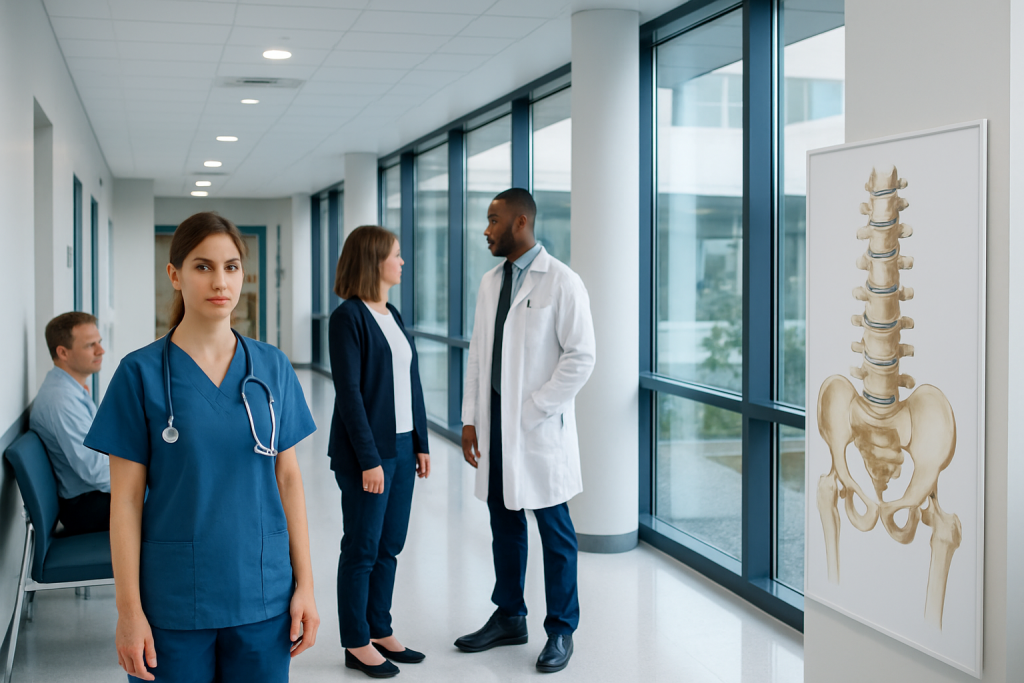
L5-S1 is the lowest part of the lumbar spine and a common site of disc and nerve-related pain. Symptoms may include low back pain, pain down one leg, tingling, numbness, or muscle weakness.
Key Takeaways
- L5-S1 is the lowest part of the lumbar spine and a common site of disc and nerve-related pain.
- Symptoms may include low back pain, pain down one leg, tingling, numbness, or muscle weakness.
- Many L5-S1 problems improve with activity modification, physical therapy, and pain management.
- Imaging is not always needed right away, but MRI can help when symptoms persist or nerve compression is suspected.
- Urgent medical assessment is important for severe weakness, loss of bladder or bowel control, or numbness around the groin.
L5-S1 is the spinal level where the fifth lumbar vertebra meets the first sacral vertebra. It carries significant body weight and movement, so problems here commonly cause low back pain, leg pain, sciatica, numbness, or weakness.
Overview: what L5-S1 means
L5-S1 refers to the junction between the fifth lumbar vertebra (L5) and the first sacral vertebra (S1). In simple terms, it is the lowest mobile segment of the lower back, just above the pelvis. Because it absorbs bending, twisting, lifting, and body weight, it is one of the most stressed areas of the spine.
Patients often hear “L5-S1” after an X-ray or MRI report. The term itself is not a diagnosis. Instead, it identifies a location where several conditions can occur, such as a disc bulge, disc herniation, age-related disc degeneration, arthritis of the small spinal joints, or narrowing that irritates nearby nerves.
This level is especially important because nerve roots passing through L5-S1 contribute to sensation and strength in the buttock, leg, foot, and toes. When inflammation or pressure affects these nerves, symptoms may travel below the back and into the leg, which is why some people notice sciatica rather than back pain alone.
Why this spinal level causes symptoms so often
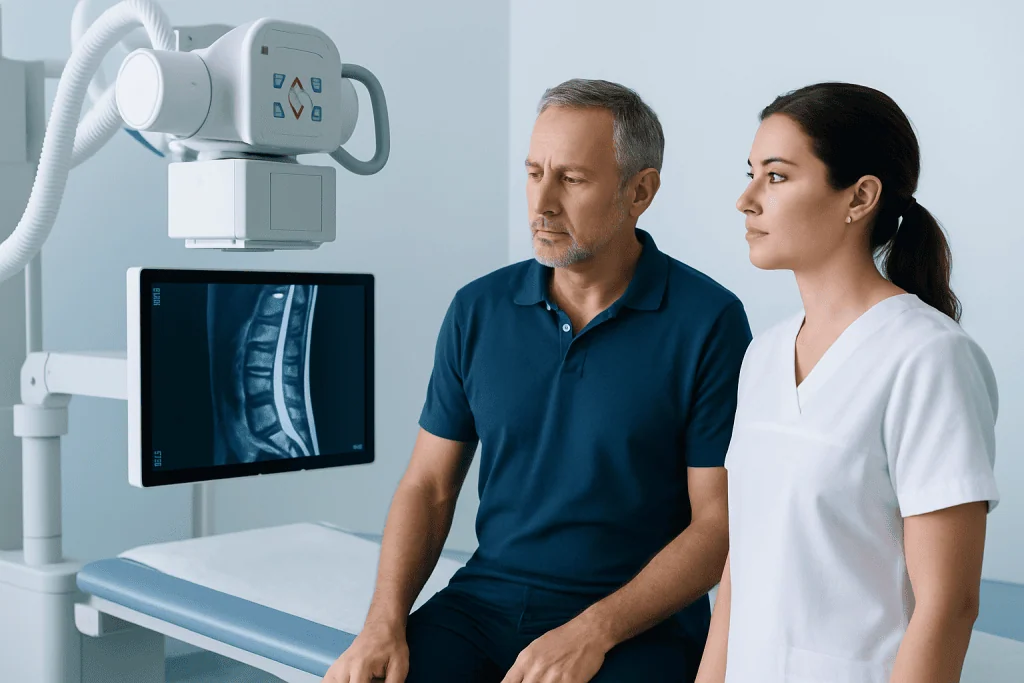
The L5-S1 segment has a demanding job. It supports the transition from the flexible lumbar spine to the more stable sacrum and pelvis. Everyday actions such as sitting, standing up, lifting, exercising, and even coughing can place force on the disc and joints at this level.
The disc between L5 and S1 acts like a cushion. Over time, this disc may lose water content and flexibility. Small tears can develop in the outer disc layer, and the inner material may bulge outward. In some cases, the disc presses on a nearby nerve root, leading to symptoms such as sciatica or pain that follows a nerve pathway down the leg.
Not every MRI change at L5-S1 causes symptoms. Some people have disc wear or a mild bulge without pain. For this reason, doctors assess both the scan and the patient’s pattern of pain, function, strength, reflexes, and sensation before deciding whether the L5-S1 finding is truly the source of symptoms.
Common symptoms of L5-S1 problems
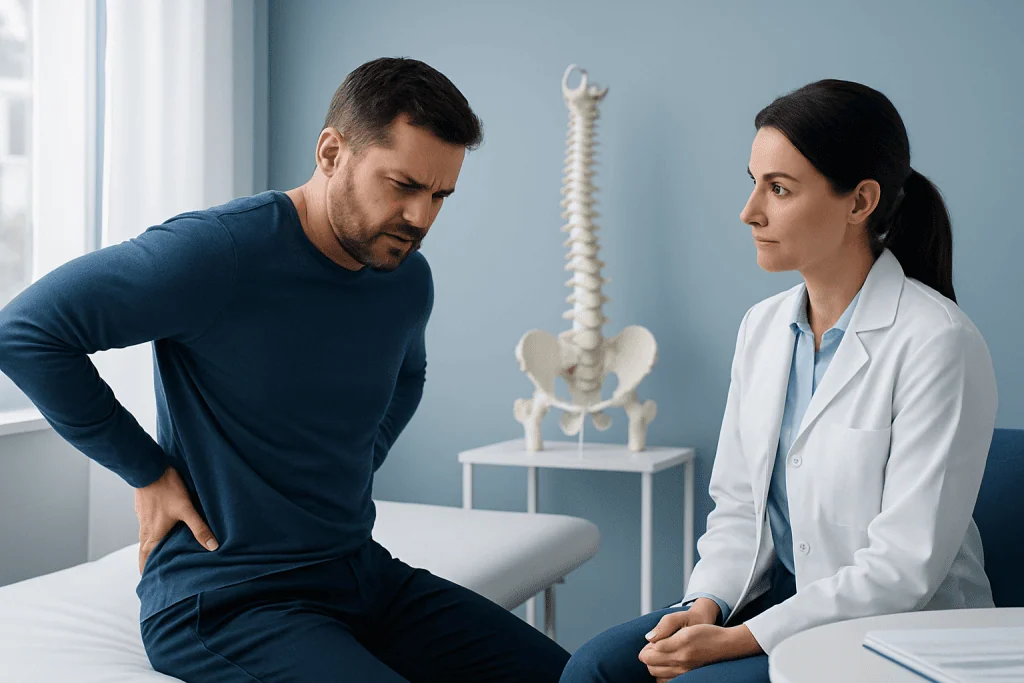
Symptoms vary depending on whether the issue is mainly mechanical, inflammatory, or nerve-related. Some people feel an ache in the center of the lower back, while others notice sharp pain in the buttock or pain that shoots down the back of the leg. Symptoms may begin after lifting, twisting, prolonged sitting, or gradually over time.
If the S1 nerve root is affected, pain may radiate through the buttock into the back of the thigh, calf, or outer foot. Tingling or numbness may appear in the foot, and some people find it harder to stand on tiptoe. If the L5 nerve root is involved, symptoms can include pain on the outer leg and weakness when lifting the foot or big toe.
Common symptoms can include:
- Low back pain or stiffness
- Pain radiating into one leg
- Tingling, pins-and-needles, or numbness
- Muscle weakness in the leg or foot
- Pain that worsens with sitting, bending, coughing, or sneezing
- Reduced walking tolerance in some cases
Symptoms can come and go. A flare-up does not always mean worsening damage, but ongoing or progressive symptoms should be assessed by a qualified doctor.
Causes and risk factors
Several conditions can affect L5-S1. A common cause is disc degeneration, a gradual age-related change in the disc. Another is a disc herniation, in which disc material protrudes far enough to irritate or compress a nerve root. Joint arthritis, ligament thickening, or spinal narrowing can also contribute. Less commonly, injury, inflammatory disease, infection, or a fracture may be involved.
Risk factors do not guarantee a problem, but they can increase strain on the lower spine. These include repetitive heavy lifting, prolonged sitting, smoking, reduced physical conditioning, obesity, and jobs or sports that involve repeated bending and twisting. Previous episodes of back pain may also raise the chance of future flare-ups.
Body mechanics matter as well. Weak core and hip muscles, tight hamstrings, poor lifting technique, and long periods of inactivity can all reduce spinal support. In some people, symptoms are related not to a single major injury, but to the cumulative effect of repeated stress over time.
How doctors diagnose an L5-S1 condition
Diagnosis begins with a medical history and physical examination. A doctor asks where the pain starts, whether it travels below the knee, what makes it better or worse, and whether there are any neurological symptoms such as numbness or weakness. The examination often includes checking posture, range of motion, muscle strength, reflexes, walking pattern, and areas of reduced sensation.
Imaging is not always needed immediately, especially for recent low back pain without warning signs. When symptoms suggest significant nerve irritation, when pain persists despite treatment, or when weakness is present, imaging may be recommended. MRI is often the most useful test for seeing discs, nerves, and soft tissues at L5-S1.
In some cases, X-rays help evaluate alignment or bony changes, while CT may be used for selected patients. Doctors may also consider other causes of pain that can mimic an L5-S1 problem, such as hip disease, sacroiliac joint pain, peripheral nerve conditions, or a herniated disc at another spinal level. The goal is to match symptoms, examination findings, and imaging rather than relying on a scan alone.
Treatment options and recovery
Most L5-S1 problems are treated without surgery at first. Early care usually focuses on reducing pain, improving movement, and helping the person return safely to daily activities. Short-term relative rest may help during a flare, but long periods of bed rest are usually discouraged because they can delay recovery.
Common non-surgical treatments include guided exercise, physical therapy, posture and movement education, and medicines recommended by a doctor for pain or inflammation. Physical therapy often targets core stability, hip mobility, and gradual strengthening. When nerve irritation is more persistent, some patients may benefit from specialist assessment and a structured physical therapy and rehabilitation program.
If symptoms do not improve, additional options may be discussed based on the exact cause. These can include image-guided pain procedures, specialist spine care, or in selected cases surgery when there is persistent nerve compression, progressive weakness, or disabling pain that does not respond to conservative treatment. For carefully chosen patients with a confirmed disc problem, options may include microdiscectomy or other spine surgery. Treatment decisions are individualized and should follow a clear clinical evaluation.
Recovery time varies. Some episodes improve within a few weeks, while nerve-related symptoms may take longer. Even when pain settles, continuing exercises and ergonomic changes can help lower the risk of recurrence.
Prevention and self-care for daily life
Self-care aims to support the lower back without promoting fear of movement. Gentle activity is usually more helpful than complete rest. Walking, changing positions regularly, and following a clinician’s exercise advice can help maintain flexibility and circulation while recovery progresses.
Helpful daily habits may include:
- Using proper lifting technique and avoiding sudden twisting under load
- Taking movement breaks during long periods of sitting
- Building core, gluteal, and hip strength gradually
- Maintaining a healthy body weight if recommended by a doctor
- Stopping smoking, which is linked to poorer disc health and slower recovery
- Adjusting workstations, car seating, and sleep positions for comfort
Heat or ice may provide short-term relief for some people, although responses differ. Over-the-counter products or supports should be used with care and preferably with professional advice, especially if symptoms include numbness, weakness, or pain radiating below the knee.
Near the end of the care pathway, some patients benefit from specialist reassessment if pain keeps returning. Multidisciplinary spine teams, including rehabilitation, pain, orthopedic, and neurosurgical specialists, can help clarify the cause and next best step.
When to seek medical care
Medical advice is appropriate if low back pain lasts more than a few weeks, keeps returning, limits work or sleep, or is accompanied by pain shooting into the leg. Assessment is also important when numbness, tingling, or weakness appears, even if the back pain itself seems mild.
Urgent medical care is needed if there is new loss of bladder or bowel control, numbness in the groin or saddle area, rapidly worsening leg weakness, fever with severe back pain, or pain after a significant fall or accident. These features can signal a more serious problem and should not be ignored.
For international patients who need evaluation, Acibadem International’s multidisciplinary specialists in JCI-accredited hospitals diagnose and treat spinal conditions, including L5-S1 disorders, using coordinated imaging, rehabilitation, and surgical care when appropriate.
Frequently asked questions
Is L5-S1 the same as a diagnosis?
No. L5-S1 is the name of a spinal level, not a disease by itself. A diagnosis describes what is happening at that level, such as disc degeneration, disc herniation, arthritis, or nerve compression.
Can an L5-S1 problem cause leg pain without much back pain?
Yes. If a nerve root is irritated or compressed, pain may travel into the buttock, thigh, calf, or foot even when back pain is mild. This is one reason why a clinical examination is important.
Does every L5-S1 disc bulge need surgery?
No. Many disc bulges improve with time, activity modification, physical therapy, and medical management. Surgery is usually considered only when symptoms are severe, persistent, or linked to significant nerve compression or progressive weakness.
How long does L5-S1 pain last?
It depends on the cause and on whether nerves are involved. Some flare-ups improve within days to weeks, while nerve-related symptoms may take longer to settle. A doctor can advise on expected recovery after examining the pattern of symptoms.
What movements usually aggravate L5-S1 symptoms?
Sitting for long periods, repeated bending, lifting, twisting, coughing, or sneezing can aggravate symptoms in some patients. Triggers vary, so treatment often includes learning which positions and activities are most irritating and how to modify them safely.
When is an MRI needed for L5-S1 pain?
An MRI may be recommended when symptoms persist despite initial treatment, when pain radiates down the leg, or when numbness or weakness is present. It is also important when there are warning signs such as severe neurological symptoms.
References
- National Institute of Neurological Disorders and Stroke
- American Academy of Orthopaedic Surgeons
- National Institute of Arthritis and Musculoskeletal and Skin Diseases
- National Health Service
- North American Spine Society
This article is for general information only and is not a substitute for professional medical advice. Please consult a qualified doctor about your individual situation.
Joint and spine care in Turkey — expert assessment & treatment
JCI-accredited · board-certified surgeons · reply within 24h
Add us as a Preferred Source to see more of our trusted health content across Google Search, AI Overviews and Discover.

More from the Health Library

Related Specialists

Assoc. Prof. Dr. Ceren Yıldız Eren
Gynecology & Obstetrics
Prof. Dr. Bülent Güçyetmez
Anesthesiology
Dr. Burak Boynuk
Orthopedic Surgery & Traumatology
Assoc. Prof. Dr. Barış Görgün
Orthopedic Surgery & Traumatology