Lacrimal: A Complete Medical Overview

The lacrimal system includes glands that make tears and ducts that drain them. Lacrimal disorders can cause watery eyes, dry eyes, swelling, pain, or discharge.
Key Takeaways
- The lacrimal system includes glands that make tears and ducts that drain them.
- Lacrimal disorders can cause watery eyes, dry eyes, swelling, pain, or discharge.
- Common causes include blockage, infection, inflammation, age-related changes, and eyelid problems.
- Diagnosis usually involves an eye exam and sometimes imaging or tear drainage tests.
- Treatment may include warm compresses, eye drops, antibiotics, or procedures to restore tear flow.
- Persistent symptoms, pain, vision changes, or swelling near the inner eye should be assessed by a doctor.
Lacrimal refers to the body’s tear-producing and tear-draining system, which keeps the eyes moist, comfortable, and protected. When this system is affected, it can lead to symptoms such as watery eyes, dryness, irritation, swelling, or infection, and treatment depends on which part of the lacrimal system is involved.
Overview: what lacrimal means
The term lacrimal refers to the structures that produce and drain tears. This system includes the lacrimal glands, which make the watery part of tears, and the small channels that carry tears from the eye into the nose. Together, these parts help keep the surface of the eye smooth, moist, and protected from dust, microbes, and irritation.
Many people search for “lacrimal” when they notice watery eyes, dryness, swelling near the inner corner of the eye, or discomfort around the eyelids. These symptoms do not point to one single disease. Instead, they may arise when tears are not produced properly, evaporate too quickly, or cannot drain in the usual way.
The lacrimal system is closely connected to overall eye health. Even mild disruption can lead to blurred vision that improves with blinking, burning, redness, or a constant need to wipe the eyes. More significant problems may involve infection, painful swelling, or blockage of the tear duct.
Because different lacrimal problems can look similar at first, a careful evaluation matters. Some conditions improve with simple self-care, while others need medications or a procedure. If eye watering or irritation continues, an eye specialist can determine whether the issue involves dry eye, tear drainage, eyelid position, or another eye condition.
How the lacrimal system works
Tears are made by the main lacrimal gland above the outer part of each eye and by smaller accessory glands in the eyelids. Every blink spreads the tear film across the eye. This tear film has several layers that help lubricate the surface, reduce evaporation, support clear vision, and protect against infection.
After tears coat the eye, they drain through tiny openings called puncta, located near the inner corners of the upper and lower eyelids. From there, tears travel through narrow channels into the lacrimal sac and then down the nasolacrimal duct into the nose. This is why crying can also make the nose run.
For the system to work well, both production and drainage must stay balanced. Too few tears can leave the eye dry and inflamed. Too much tearing can happen not only when the eye makes extra reflex tears, but also when normal tears cannot drain away efficiently.
This balance explains why watery eyes do not always mean there are “too many” tears. In some people, irritation from dryness causes the eye to overreact and produce extra tears. In others, the main issue is a narrowed or blocked tear duct, eyelid laxity, or inflammation affecting the drainage pathway.
Symptoms of lacrimal disorders

Lacrimal problems can cause a wide range of symptoms depending on whether the main issue is tear production, tear quality, or tear drainage. The most common complaints are watery eyes, dryness, burning, stinging, redness, and a gritty feeling, as though something is in the eye.
Some people notice mucus, crusting on the lashes, tenderness near the inner corner of the eye, or swelling between the eye and the nose. Infection of the lacrimal sac may cause pain, redness, and discharge. In babies, a blocked tear duct often causes persistent watering and sticky discharge without significant redness.
Visual symptoms can also occur. Tears that do not spread evenly may cause intermittent blurry vision, especially during screen use, reading, or exposure to wind and air conditioning. Symptoms may be worse later in the day or in dry environments.
- Watery eyes or tearing that runs down the cheek
- Dryness, burning, or irritation
- Redness of the eye or eyelids
- Sticky discharge or crusting
- Swelling or pain near the inner corner of the eye
- Blurred vision that improves after blinking
Although many lacrimal symptoms are not urgent, sudden severe pain, marked swelling, fever, trauma, or vision loss should not be ignored. These features may point to a more serious eye problem that needs prompt medical assessment.
Causes and risk factors
Lacrimal symptoms can result from several mechanisms. One common cause is reduced tear quality or quantity, often linked to aging, hormonal changes, certain medications, autoimmune conditions, or prolonged screen use. In these cases, the eye surface becomes irritated and may trigger reflex tearing even though the underlying problem is dryness.
Another major cause is poor tear drainage. The puncta may become narrowed, the drainage channels may scar, or the nasolacrimal duct may become blocked. Chronic inflammation of the eyelids, previous infection, facial trauma, nasal disease, and earlier surgery can increase the likelihood of blockage.
Infections and inflammatory conditions also affect the lacrimal system. The lacrimal sac can become infected, and the lacrimal gland can become inflamed due to viral illness, bacterial infection, or immune-related disease. Eyelid conditions such as blepharitis and misalignment of the eyelids can interfere with how tears spread and drain.
Risk factors vary by age group. Newborns may have congenital nasolacrimal duct obstruction. Adults may develop drainage problems with age as tissues become more lax. People with chronic eye irritation, sinus or nasal disorders, autoimmune disease, and a history of facial surgery may be more prone to lacrimal disorders. Some cases overlap with surface eye conditions such as conjunctivitis, which can increase watering and irritation.
How lacrimal problems are diagnosed
Diagnosis begins with a detailed history. A doctor may ask when symptoms started, whether one or both eyes are affected, and whether there is pain, discharge, blurred vision, recent infection, or a history of injury or surgery. Symptoms such as dryness during reading or watering outdoors can offer useful clues.
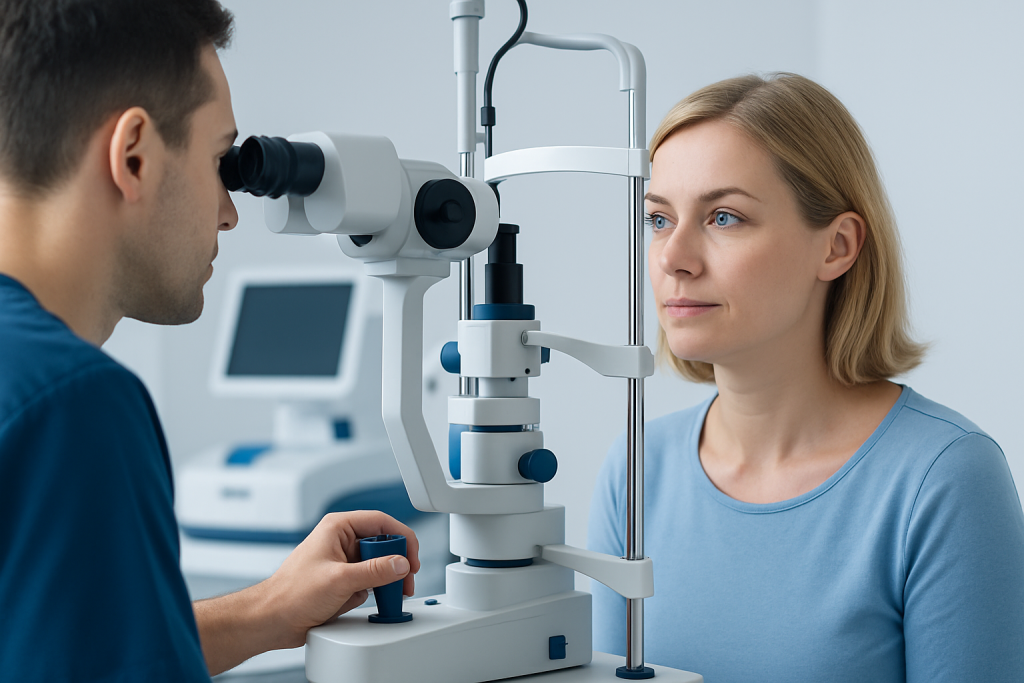
An eye examination usually includes checking the eyelids, puncta, tear film, and the area over the lacrimal sac. The doctor may gently press near the inner corner of the eye to see whether discharge appears. Vision and the front surface of the eye are also assessed to identify irritation, inflammation, or corneal involvement.
Additional tests may be used when needed. These can include tear production tests, dye tests to observe how tears drain, or irrigation of the tear duct to check for narrowing or blockage. In selected cases, nasal endoscopy or imaging may help evaluate the drainage pathway and surrounding structures.
The aim of diagnosis is not only to name the condition, but also to identify the level of the problem: tear production, eyelid function, surface inflammation, or tear drainage obstruction. This step is important because the best treatment differs significantly from one cause to another.
Treatment options for lacrimal conditions
Treatment depends on the underlying cause. If dryness or tear film instability is the main problem, care may include lubricating eye drops, treatment of eyelid inflammation, and changes to the environment or daily habits. Managing associated conditions such as blepharitis can improve both comfort and tear stability over time.
If infection is present, a doctor may recommend antibiotics and supportive care such as warm compresses. Inflammatory conditions affecting the lacrimal gland or eye surface may require anti-inflammatory treatment guided by an eye specialist. Painful swelling or recurrent infections should always be professionally assessed rather than self-treated.
When drainage is blocked, treatment may involve procedures to open or bypass the obstruction. Depending on the location and severity, options can include punctal dilation, stenting, or surgery. For selected patients with persistent blockage, doctors may consider dacryocystorhinostomy surgery to create a new drainage pathway between the lacrimal sac and the nose.
Some patients with significant dryness benefit from preserving tears on the eye surface. In appropriate cases, a specialist may discuss punctal plug treatment to reduce tear drainage. If symptoms are related to broader eye surface disease, a comprehensive eye examination can help guide treatment choices. Near the end of the care pathway, international patients may also seek assessment at Acibadem International, where multidisciplinary specialists in JCI-accredited hospitals diagnose and treat lacrimal conditions based on individual findings.
Prevention and self-care
Not every lacrimal disorder can be prevented, but simple habits can support tear health and reduce irritation. Regular blinking during screen use, taking breaks from digital tasks, and using a humidifier in dry indoor spaces can help the tear film remain more stable. Sunglasses outdoors may also reduce wind-related evaporation and discomfort.
Eyelid hygiene is often helpful, especially for people with crusting or blepharitis. Gentle cleansing of the eyelid margins and warm compresses may improve oil gland function and tear quality. Contact lens users should follow wear and cleaning guidance carefully and seek advice if lenses become uncomfortable.
Self-care should be cautious and practical. Over-the-counter lubricating drops may relieve mild dryness, but persistent symptoms should not be managed indefinitely without assessment. Redness-relieving drops are not the same as tear substitutes and may not address the real cause.
- Blink more often during screen time
- Stay hydrated and avoid overly dry air when possible
- Use lubricating eye drops if recommended
- Practice gentle eyelid hygiene when needed
- Avoid rubbing the eyes
- Arrange an eye check if symptoms continue or recur
For infants with a blocked tear duct, parents should follow pediatric or ophthalmology advice rather than trying unproven remedies. Many cases improve with time, but ongoing discharge, redness, or swelling should be reviewed by a clinician.
When to seek medical care
Medical care is appropriate when lacrimal symptoms persist, recur often, or interfere with daily life. Ongoing watering, repeated irritation, or a swelling near the inner corner of the eye may indicate a treatable blockage or inflammation. A doctor can determine whether the problem is primarily dry eye, infection, eyelid-related, or due to tear drainage obstruction.
Prompt medical assessment is especially important if there is pain, fever, thick discharge, rapidly increasing swelling, trauma, or changes in vision. These features can signal infection or another eye condition that needs timely treatment. Babies with persistent sticky tearing should also be assessed if symptoms do not improve or if redness develops.
People who have autoimmune disease, recent eye surgery, facial injury, or repeated episodes of eye infection should mention this history during evaluation. Early assessment can help prevent complications such as chronic inflammation or repeated infection of the lacrimal sac.
In general, a watery or dry eye that lasts more than a short time deserves a professional review, particularly when home care has not helped. A clear diagnosis is the best way to choose safe and effective treatment and protect long-term eye comfort.
Frequently asked questions
What does lacrimal mean in eye health?
Lacrimal refers to the parts of the body that make and drain tears. This includes the lacrimal glands, which produce tears, and the tear ducts, which carry tears away from the eye into the nose.
Why do lacrimal problems cause watery eyes?
Watery eyes can happen when tears are not draining properly through the tear ducts. They can also occur when the eye is actually too dry or irritated, causing reflex tearing as the eye tries to protect itself.
Can a lacrimal blockage go away on its own?
In infants, some tear duct blockages improve as the drainage system matures. In adults, persistent blockage is less likely to resolve fully without treatment, especially if narrowing, scarring, or infection is involved.
Is lacrimal disease the same as dry eye?
No. Dry eye is one type of problem that can affect the lacrimal system, but lacrimal disorders also include blocked tear ducts, infections, inflammation of the lacrimal gland, and abnormalities of tear drainage.
How is a lacrimal disorder diagnosed?
Diagnosis usually starts with an eye examination and a review of symptoms. Depending on the suspected cause, a doctor may assess tear production, examine the tear drainage openings, or perform tests to see whether tears are draining normally.
When is surgery needed for a lacrimal problem?
Surgery may be considered when a tear drainage blockage is significant, persistent, or causes repeated infection. The specific procedure depends on where the blockage is and how severe it is.
This article is for general information only and is not a substitute for professional medical advice. Please consult a qualified doctor about your individual situation.
Explore treatments in Turkey — costs, top hospitals & a free quote
JCI-accredited · board-certified surgeons · reply within 24h
Add us as a Preferred Source to see more of our trusted health content across Google Search, AI Overviews and Discover.

More from the Health Library

Grapefruit Seed Extract — Explained by Medical Evidence, Not Myths

Y 2.0 — Explained by Medical Evidence, Not Myths

Syringomyelia: What Patients Need to Know

Average Oxygen Blood Level: An Evidence-Based Guide for Patients

Thigh Chafing: A Complete Medical Overview