Laminectomy: How It Works, Recovery, and What to Expect

Laminectomy helps relieve pressure on spinal nerves by removing a small portion of bone and sometimes other tissue. It is usually considered when pain, numbness, weakness, or walking difficulty continue despite medicines, therapy, or injections.
Key Takeaways
- Laminectomy helps relieve pressure on spinal nerves by removing a small portion of bone and sometimes other tissue.
- It is usually considered when pain, numbness, weakness, or walking difficulty continue despite medicines, therapy, or injections.
- Recovery varies by the area treated, overall health, and whether other procedures such as spinal fusion are done at the same time.
- The main goals are symptom relief, better mobility, and improved daily function rather than a guaranteed cure for all back pain.
- Like any surgery, laminectomy has risks, but careful evaluation and follow-up help support a safer recovery.
Laminectomy is a spinal decompression surgery that removes part of the vertebral bone called the lamina to create more space for the spinal cord or nerves. It is most often used when symptoms from spinal stenosis, disc problems, or bone overgrowth do not improve enough with non-surgical treatment.
Overview: what a laminectomy does
Laminectomy is a type of spine surgery that relieves pressure on the spinal cord or spinal nerves. The surgeon removes part of the lamina, a section of bone at the back of a vertebra, to widen the spinal canal or the space around nerve roots. This is why the operation is often described as decompression surgery.
People may hear laminectomy discussed in relation to the neck, mid-back, or lower back, but it is most commonly performed in the lumbar spine. The procedure does not treat every cause of back pain. Instead, it is mainly used when symptoms are coming from nerve compression, such as pain radiating down an arm or leg, numbness, tingling, weakness, or reduced walking tolerance.
In many cases, laminectomy is recommended only after non-surgical care has been tried first. Treatment may begin with activity changes, pain-relieving medicines, physical therapy, or injections. If symptoms remain limiting or neurological problems worsen, surgery may become a reasonable next step. Patients exploring laminectomy treatment often want to know not only how the surgery is done, but also what everyday recovery feels like and what results are realistic.
Who may need a laminectomy
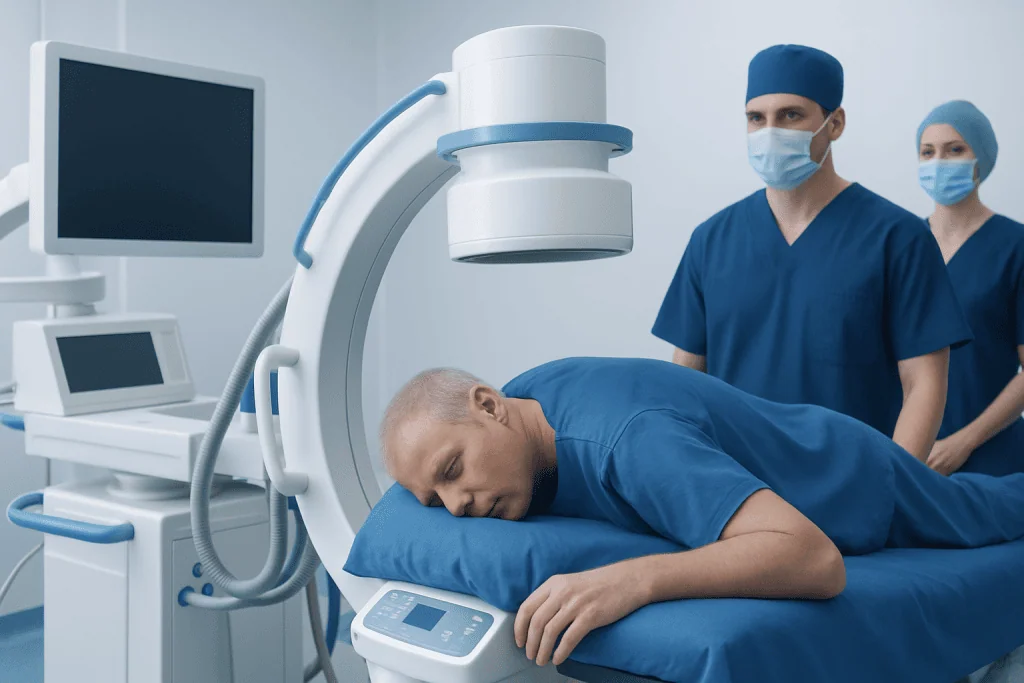
A doctor may consider laminectomy when imaging findings and symptoms strongly suggest that nerves are being compressed. One of the most common reasons is spinal stenosis, a narrowing of the spaces in the spine that can press on nerves and cause pain, heaviness, or weakness, especially during standing or walking. In these situations, surgery aims to make more room for the affected structures.
Laminectomy can also be used when bone spurs, thickened ligaments, or a herniated disc contribute to narrowing around nerves. Sometimes it is part of a broader surgical plan if more than one problem is present. For example, a patient with spinal stenosis may also have disc degeneration or spinal instability that affects treatment planning.
Common situations in which laminectomy may be discussed include:
- Persistent leg pain or arm pain caused by nerve compression
- Numbness, tingling, or weakness that affects daily activities
- Difficulty walking or standing for long periods because of spinal stenosis
- Symptoms that have not improved enough with medicines, therapy, or injections
- Progressive neurological deficits, such as worsening weakness
Not everyone with abnormal MRI or CT findings needs surgery. Doctors weigh the severity of symptoms, physical examination findings, overall health, and how much the condition is limiting day-to-day life before recommending an operation.
How the procedure works, step by step
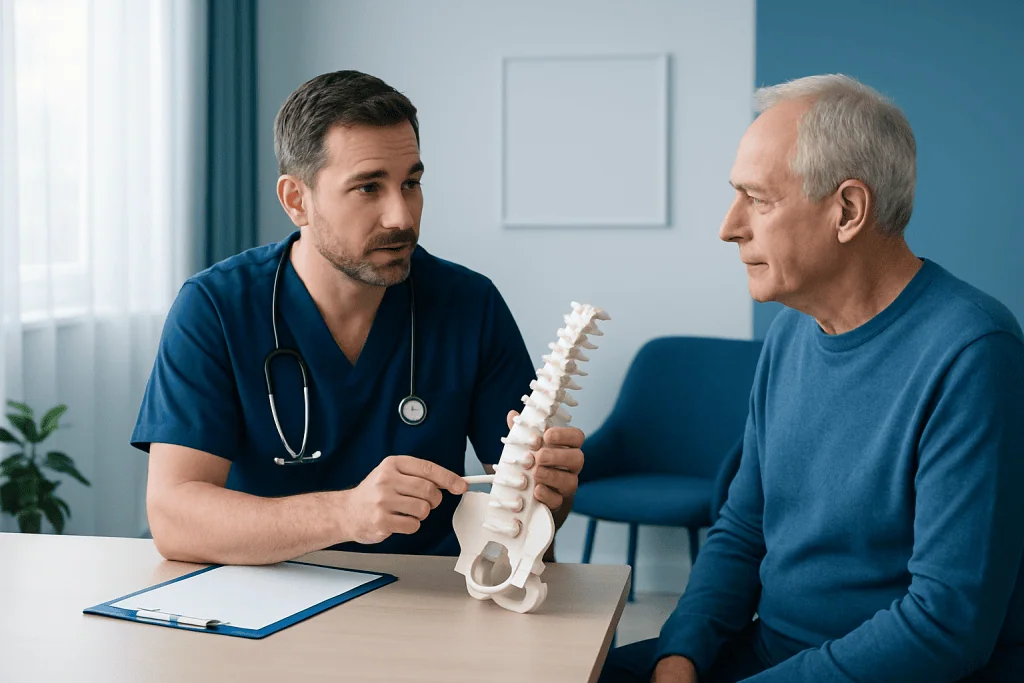
Laminectomy is usually performed in a hospital under general anesthesia. Before surgery, the team reviews imaging, medical history, medications, and any conditions that could affect anesthesia or healing. Patients are typically asked when to stop eating and drinking and whether any blood-thinning medicines need to be adjusted in advance.
During the operation, the surgeon makes an incision over the affected level of the spine and gently moves the surrounding muscles aside. A portion of the lamina is then removed to create more space. Depending on the cause of compression, the surgeon may also remove bone spurs, trim thickened ligament, or address part of a damaged disc. If a disc is contributing significantly, related care may involve herniated disc surgery as part of the decompression plan.
In some cases, a minimally invasive approach may be possible, using smaller incisions and specialized tools. In others, a traditional open approach gives the safest and clearest access. If removing bone could leave the spine unstable, the surgeon may recommend spinal fusion at the same time to stabilize the area.
The exact length of surgery varies with the number of spinal levels treated and whether additional procedures are needed. After the operation, the patient is monitored as anesthesia wears off, pain is controlled, and early movement begins as advised by the care team.
Benefits, limits, and possible risks
The main benefit of laminectomy is relief of pressure on nerves. When nerve compression is the true cause of symptoms, many patients experience less radiating pain, less numbness, and better ability to stand or walk. The operation can also help prevent further problems in selected patients who have worsening neurological deficits.
At the same time, it is important to understand the limits of the procedure. Laminectomy is not a guaranteed cure for all back or neck pain, especially if pain is caused by several factors at once. Symptom improvement may be strongest for leg symptoms from lumbar stenosis or arm symptoms from cervical nerve compression, while some stiffness or background discomfort can remain.
As with any operation, there are risks. These can include bleeding, infection, blood clots, reactions to anesthesia, nerve injury, spinal fluid leak, ongoing pain, or recurrence of symptoms over time. If fusion is added, recovery may be longer and there can be additional procedure-specific considerations.
Doctors try to reduce risk through careful patient selection, imaging review, surgical planning, and post-operative follow-up. Patients can support safer healing by sharing their full medication list, asking clear questions before surgery, and following instructions about movement, wound care, and activity restrictions afterward.
Recovery timeline and what to expect after surgery
Recovery after laminectomy is not exactly the same for everyone. Some patients go home the same day or after a short hospital stay, while others stay longer if more than one spinal level is treated, if fusion is performed, or if there are other health conditions to monitor. In the first days, it is common to have incision soreness, tiredness, and some stiffness.
Walking is often encouraged early because gentle movement supports circulation and helps restore function. The care team usually gives guidance on sitting, bending, lifting, and returning to work. Many people gradually increase activity over several weeks, but the timeline depends on the type of surgery, the body area treated, and the physical demands of daily life.
Nerve-related symptoms may improve quickly in some people, while others notice a slower change over weeks or months as irritated nerves recover. If symptoms were severe or long-lasting before surgery, full recovery may take longer and some deficits may not completely reverse. Physical therapy can be helpful for rebuilding strength, posture, flexibility, and confidence with movement.
Follow-up visits are important so the surgeon can check wound healing, review symptoms, and advise on progression of activity. In more complex cases, rehabilitation may be part of the overall plan. If a patient also has disc disease or degenerative changes, the doctor may discuss related conditions such as herniated disc to help explain lingering or overlapping symptoms.
Diagnosis and planning before surgery
Before recommending laminectomy, doctors aim to confirm that nerve compression seen on imaging matches the patient’s symptoms and examination findings. A careful medical history can show whether pain is mechanical, inflammatory, or nerve-related. The physical exam may assess strength, reflexes, sensation, balance, and walking ability.
MRI is often the most useful imaging test for evaluating spinal nerves, discs, and soft tissues. CT scans, X-rays, or specialized studies may also be used in some cases, especially when bone detail or spinal alignment needs closer review. If surgery is being considered, imaging helps determine the exact level and structures involved.
Non-surgical treatment is usually part of the pathway before surgery unless there is urgent neurological decline or another reason for faster intervention. These treatments may include exercise-based therapy, medications, posture changes, and pain procedures. For some people with degenerative spine problems, a team may also discuss broader approaches to spine surgery if decompression alone is unlikely to address the full problem.
Shared decision-making matters. The doctor should explain why surgery is or is not appropriate, what outcomes are realistic, and whether alternatives remain reasonable. Patients often benefit from asking how many levels are involved, whether fusion is expected, and what recovery milestones are typical in their specific case.
Self-care and when to seek medical care
Before surgery, practical self-care includes staying as active as symptoms allow, stopping smoking if possible, managing chronic conditions such as diabetes, and preparing the home for a safer recovery. After surgery, the most helpful habits are often the simplest ones: walking regularly as advised, protecting the incision, taking medications only as directed, and avoiding lifting or twisting before the surgeon says it is safe.
Patients should contact their doctor promptly if they develop fever, increasing redness or drainage at the incision, worsening pain that is not controlled as expected, new numbness or weakness, or trouble with bladder or bowel function. Sudden chest pain, shortness of breath, or severe calf swelling also need urgent medical attention.
Even before surgery is planned, medical review is important if back or neck symptoms are accompanied by progressive weakness, loss of balance, severe pain radiating into a limb, or reduced ability to walk. These signs do not always mean surgery is necessary, but they do deserve timely assessment by a qualified clinician.
For international patients seeking evaluation, Acibadem International’s multidisciplinary spine specialists in JCI-accredited hospitals diagnose and treat conditions that may require laminectomy, with treatment plans tailored to the patient’s symptoms, imaging findings, and overall health.
Frequently asked questions
Is laminectomy a major surgery?
Laminectomy is generally considered a significant spine operation, but the extent varies from person to person. A single-level decompression is different from a multilevel procedure or one combined with fusion. The surgeon explains the expected complexity based on the area of the spine and the structures involved.
How long does it take to recover from a laminectomy?
Early recovery often takes several weeks, but the full timeline depends on the surgical approach, the number of levels treated, and whether fusion was added. Some people return to light activities relatively soon, while others need a longer rehabilitation period. Nerve symptoms can improve gradually over weeks to months.
Will laminectomy cure back pain?
Laminectomy is designed mainly to relieve nerve compression, so it is often more effective for leg pain, arm pain, numbness, or walking problems than for general back pain alone. Some back discomfort may remain if other spine changes are also present. The best results usually happen when symptoms clearly match the compressed nerve seen on imaging.
What is the difference between laminectomy and discectomy?
A laminectomy removes part of the vertebral bone to create more space around the spinal cord or nerves. A discectomy removes part of a damaged disc that is pressing on a nerve. In some patients, both techniques may be used together during the same operation.
Can symptoms come back after laminectomy?
Yes, symptoms can return in some cases. This may happen because of scar tissue, new degeneration at the same or another level, or progression of underlying spine disease. Follow-up care and ongoing spine-friendly habits may help support longer-term function.
When is laminectomy usually recommended?
Doctors usually consider laminectomy when nerve-related symptoms have not improved enough with non-surgical treatment or when weakness or walking difficulty is getting worse. The decision is based on symptoms, physical examination, and imaging findings together. It is not recommended simply because an MRI shows age-related spine changes without matching symptoms.
References
- National Institute of Neurological Disorders and Stroke
- American Academy of Orthopaedic Surgeons
- National Institute of Arthritis and Musculoskeletal and Skin Diseases
- North American Spine Society
- MedlinePlus
This article is for general information only and is not a substitute for professional medical advice. Please consult a qualified doctor about your individual situation.
Joint and spine care in Turkey — expert assessment & treatment
JCI-accredited · board-certified surgeons · reply within 24h
Add us as a Preferred Source to see more of our trusted health content across Google Search, AI Overviews and Discover.

More from the Health Library



Related Specialists

Prof. Dr. Sinan Yavuz
Internal Medicine
Prof. Dr. Tevfik Fikret Çermik
Nuclear Medicine
Dr. Ümran Karabulut Doğan
Gynecology & Obstetrics
Prof. Dr. Yavuz Atar
Otorhinolaryngology