Lamps to Treat Sad: A Complete Medical Overview
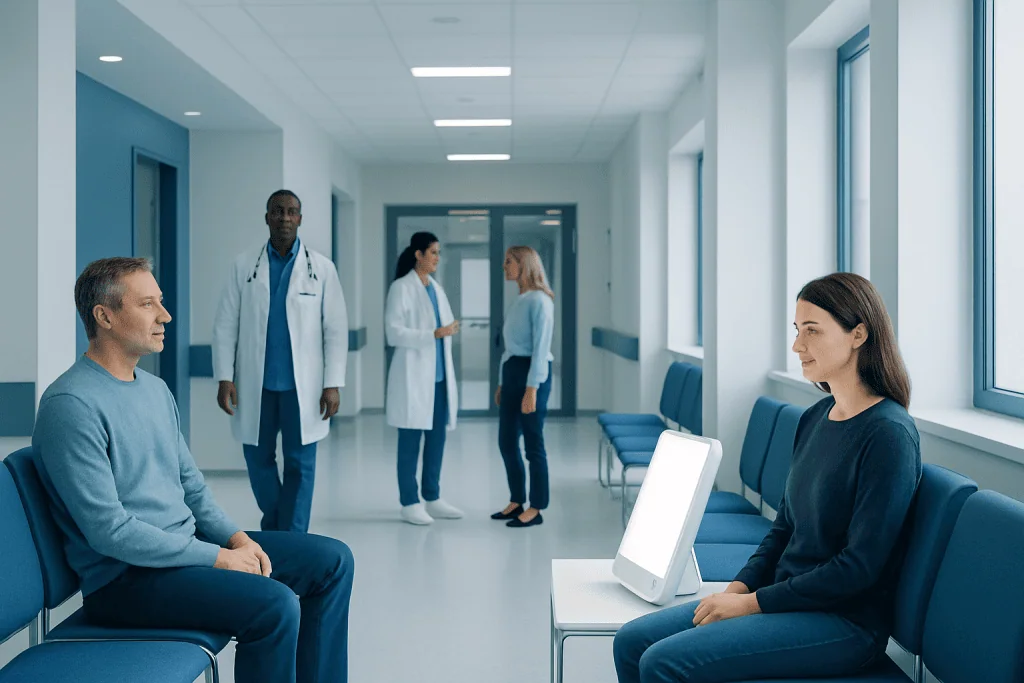
Lamps to treat SAD usually mean medical light boxes that provide bright, measured light, often 10,000 lux. Light therapy is typically used in the morning for seasonal affective disorder and may improve mood, energy, and sleep timing.
Key Takeaways
- Lamps to treat SAD usually mean medical light boxes that provide bright, measured light, often 10,000 lux.
- Light therapy is typically used in the morning for seasonal affective disorder and may improve mood, energy, and sleep timing.
- A proper diagnosis matters because low mood in winter can also be linked to other mental or physical health conditions.
- Light therapy is not the same as tanning lamps and should be used according to product and medical guidance.
- People with bipolar disorder, eye disease, or certain medication use should seek medical advice before starting light therapy.
Lamps to treat SAD are a standard non-drug option for seasonal affective disorder and can reduce symptoms when used properly. Most people who benefit use a medically designed light box, not an ordinary household lamp, and should discuss symptoms with a qualified clinician to confirm the diagnosis and rule out other causes.
Overview: Do lamps to treat SAD work?
Lamps to treat SAD can help many people with seasonal affective disorder, a form of depression that tends to appear during darker months and improve when daylight increases. The most studied option is a light box designed for light therapy, which delivers bright visible light at a specific intensity and is used at a set distance for a set amount of time, usually in the morning.
These lamps are not ordinary desk lamps, and they are not tanning devices. A therapeutic light box is made to mimic some of the effects of natural outdoor light on the body’s internal clock, sleep-wake timing, and mood regulation. When used correctly, it may ease common symptoms such as low mood, fatigue, oversleeping, and difficulty concentrating.
Still, light therapy is not a one-size-fits-all solution. People with winter low mood may have depression, another mood disorder, a sleep problem, or a medical condition that needs separate evaluation. Because of this, it is best to view light therapy as one part of a broader care plan rather than a stand-alone answer for every person.
What SAD is and why seasonal light matters
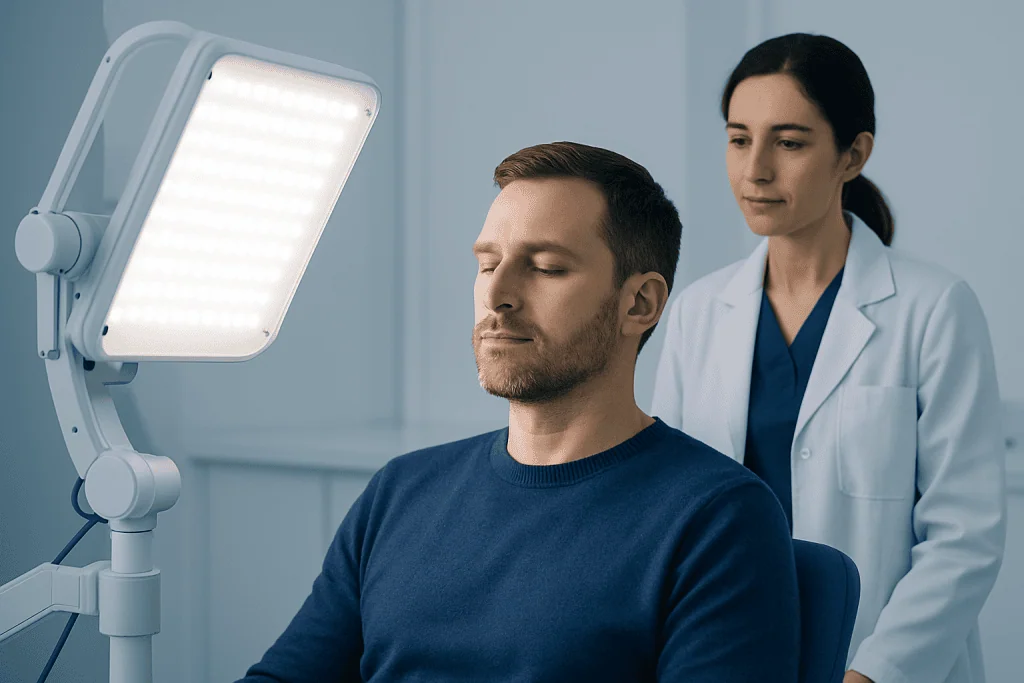
Seasonal affective disorder is a pattern of depression linked to the time of year, most often starting in fall or winter when daylight becomes shorter. Experts believe reduced light exposure can affect circadian rhythms, melatonin release, and brain chemicals involved in mood regulation. These shifts may contribute to feeling slowed down, withdrawn, or emotionally low.
Winter-pattern SAD is the most common form. People may notice sadness, reduced interest in usual activities, lower motivation, increased sleep, difficulty waking, carbohydrate cravings, and weight gain. Some also describe a heavy, tired feeling in the arms and legs or a sense that thinking feels less sharp than usual.
Not everyone who dislikes winter has SAD. Some people have milder symptoms sometimes called the “winter blues,” while others have nonseasonal depression that simply feels worse in winter. Distinguishing between these patterns helps guide whether a lamp is likely to help and whether other support, such as psychotherapy, may be useful.
How light therapy lamps work
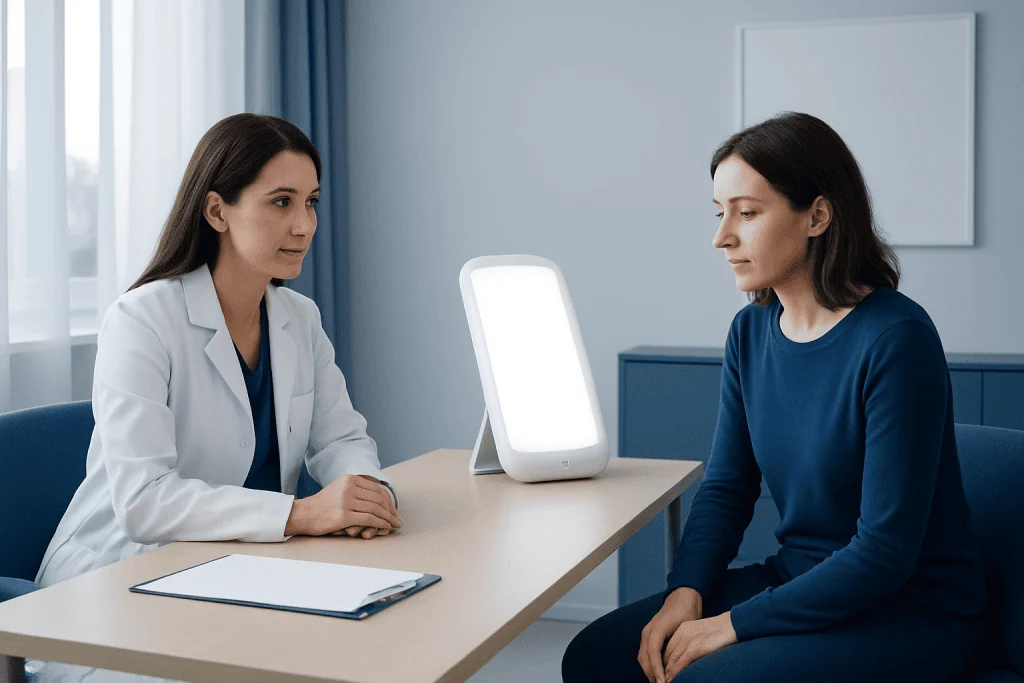
Light therapy aims to replace some of the bright light exposure that people lose during darker months. The light reaches the eyes indirectly while a person sits near the box, reads, eats breakfast, or works. It is not necessary to stare at the lamp. Instead, the eyes should remain open, with the light entering naturally from the side or front according to the manufacturer’s instructions.
Many medical sources describe a light box rated at 10,000 lux as the standard reference point for SAD treatment. Lower-intensity devices may also be used, but they often require longer sessions. The timing of light matters as much as the brightness. Morning use is commonly recommended because it may help reset delayed body rhythms associated with winter depression.
Benefits may include improved alertness, better daytime energy, easier waking, and reduced depressive symptoms. Some people notice improvement within days, while others need a few weeks of regular use. Consistency is important, and missed days can reduce the effect.
There are different device designs, including tabletop light boxes, dawn simulators, and wearable devices. However, the strongest evidence for SAD has traditionally focused on standard light boxes. A clinician can help decide which format best matches a person’s symptoms, schedule, eye health, and sleep pattern.
Who may benefit and who should be cautious
People most likely to benefit are those with a clear seasonal pattern of depressive symptoms, especially when symptoms return in fall or winter and improve in spring. Light therapy may be used alone in mild cases or combined with other treatments in more significant depression. It can also be part of a plan when symptoms affect work, school, relationships, or daily functioning.
Some people should be cautious before starting. Those with bipolar disorder may be at risk of mood switching or agitation with bright light therapy, so medical supervision is important. People with glaucoma, retinal disease, recent eye surgery, or other significant eye conditions should ask an eye specialist or physician whether a given device is appropriate.
Caution is also sensible for people taking medicines or herbal products that increase light sensitivity. Although SAD light boxes use visible light rather than ultraviolet tanning light, side effects can still occur in sensitive individuals. If symptoms are severe, unusual, or not clearly seasonal, a broader evaluation may be needed, including assessment for anxiety, thyroid problems, sleep disorders, or other health concerns.
How to use lamps to treat SAD safely
Using the lamp correctly matters. In general, people begin with the manufacturer’s guidance for distance and session length, and many devices are designed to deliver therapeutic intensity when placed a certain number of inches from the face. Morning use is often preferred, because evening light can shift the body clock later and may worsen insomnia in some people.
Most people use the light daily during the months when symptoms occur. Improvement may be gradual, so regular use for several days to a few weeks is usually needed before deciding whether it is helping. If symptoms improve, continued use through the darker season may help maintain benefits.
Common side effects can include eyestrain, headache, nausea, jitteriness, or trouble sleeping, especially if the light is too bright, sessions are too long, or use is too late in the day. These problems often improve by adjusting timing, duration, or distance. If side effects continue, the device should be stopped and a clinician consulted.
It is wise to choose a device intended for SAD treatment rather than a general lamp. Helpful features may include measured lux output, a screen that filters ultraviolet light, and clear instructions. People who are considering broader care for persistent depression may also discuss psychiatric evaluation and treatment with a qualified professional.
Diagnosis and other treatment options
A diagnosis of seasonal affective disorder is based on symptoms, timing, pattern over time, and the effect on daily life. A doctor or mental health professional may ask when symptoms began, whether they recur seasonally, how sleep and appetite have changed, and whether there is any history of mania or hypomania. They may also look for medical issues that can mimic depression, such as anemia, thyroid disease, or sleep-related conditions.
Light therapy is one evidence-based option, but it is not the only one. Talk therapy, especially structured approaches that help people identify and respond to seasonal patterns, can be beneficial. In some cases, antidepressant medication may be recommended, particularly if symptoms are moderate to severe, start before winter, or do not improve enough with light alone.
Lifestyle measures can support recovery as well. These may include spending time outdoors during daylight, increasing physical activity, keeping a regular sleep schedule, and reducing social withdrawal. For people whose symptoms are closely tied to disrupted sleep timing, clinicians may also address related sleep disorders or use other circadian-based strategies.
At the end of a full assessment, treatment is usually individualized. Some people use a lamp each winter, others combine light with therapy or medication, and some need a different diagnosis and treatment plan altogether. If specialist care is needed, Acibadem International’s multidisciplinary specialists in JCI-accredited hospitals diagnose and treat mood and sleep-related conditions for international patients.
Self-care and prevention during darker months
For people who have had seasonal symptoms before, planning ahead can help. Some clinicians recommend starting light therapy early in the season, before symptoms become strong, especially when the pattern is predictable from year to year. Keeping daily routines steady may also reduce strain on the body clock.
Simple supportive habits often make a difference:
- Get outside in natural daylight when possible, especially in the morning.
- Keep curtains open and increase exposure to daylight indoors.
- Follow a regular sleep and wake schedule, even on weekends.
- Stay physically active and include movement most days of the week.
- Maintain social contact and avoid prolonged isolation.
- Seek professional help early if mood changes begin to return.
Self-care should not replace treatment when symptoms are significant. If a person is struggling to function, losing interest in daily life, or feeling persistently depressed, prompt clinical support is more helpful than trying to manage alone. Early care often leads to a steadier, more comfortable winter season.
When to seek medical care
Medical care is appropriate if low mood lasts more than two weeks, returns each year, affects work or relationships, or comes with major changes in sleep, appetite, concentration, or motivation. An evaluation is also important if symptoms do not improve with a properly used light box or if the diagnosis is uncertain.
Urgent help is needed if there are thoughts of self-harm, hopelessness that feels overwhelming, severe agitation, or symptoms of mania such as needing little sleep, racing thoughts, unusually high energy, impulsive behavior, or grandiosity. These symptoms need prompt professional attention rather than home treatment.
People should also speak with a doctor before starting a SAD lamp if they have bipolar disorder, eye disease, migraine triggered by bright light, or use medications that increase photosensitivity. In some cases, a clinician may recommend a different device, a slower start, or a more comprehensive plan that includes medical assessment.
Frequently asked questions
What kind of lamp is used to treat SAD?
The usual device is a medical light box designed for light therapy, not a regular household lamp. Many commonly recommended products are rated at 10,000 lux and are intended to be used at a specific distance for a certain amount of time.
Can an ordinary desk lamp help with seasonal depression?
An ordinary desk lamp usually does not provide the right intensity or design for SAD treatment. A dedicated light therapy box is preferred because it is made to deliver measured bright light more safely and consistently.
How long does it take for lamps to treat SAD to work?
Some people notice benefits within several days, while others need two to four weeks of regular use. Consistent daily use, especially in the morning, is usually important before deciding whether the treatment is helping.
Are SAD lamps safe for everyone?
They are not ideal for everyone without medical advice. People with bipolar disorder, significant eye disease, or medications that increase light sensitivity should check with a clinician before starting.
Can a SAD lamp replace antidepressants or therapy?
Sometimes light therapy is enough for mild seasonal symptoms, but not always. Many people do best with a personalized plan that may also include therapy, medication, or evaluation for another condition.
Should a person stare directly into the light box?
No. The light should reach the eyes indirectly while the person sits at the recommended distance and continues normal seated activities. Staring directly into the light is unnecessary and may increase discomfort.
This article is for general information only and is not a substitute for professional medical advice. Please consult a qualified doctor about your individual situation.
Explore treatments in Turkey — costs, top hospitals & a free quote
JCI-accredited · board-certified surgeons · reply within 24h
Add us as a Preferred Source to see more of our trusted health content across Google Search, AI Overviews and Discover.

More from the Health Library

Chorionic Villus Sampling: An Evidence-Based Guide for Patients
Spinal Cord Function — Explained by Medical Evidence, Not Myths
Magnesium Glycinate Benefits — Explained by Medical Evidence, Not Myths
Peanuts: What Patients Need to Know
Stomach Low — Explained by Medical Evidence, Not Myths