Laser Face Treatment: Procedure, Recovery and Results
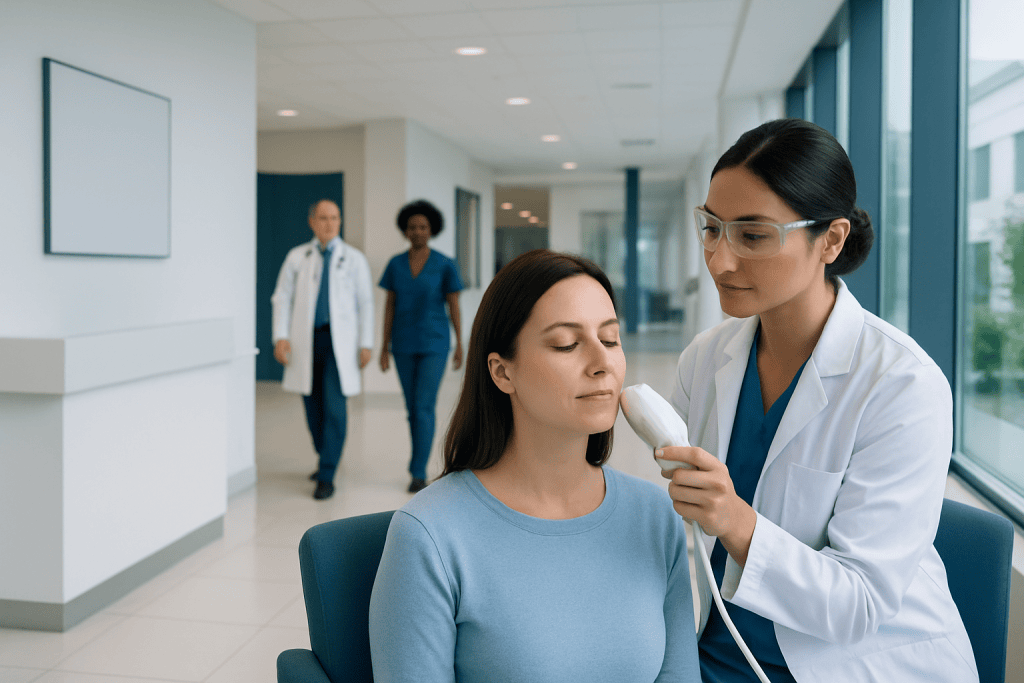
Laser face treatment can be ablative or non-ablative, with different levels of skin renewal and downtime. A clinical assessment helps select an appropriate laser and reduces the risk of pigmentation changes or scarring.
Key Takeaways
- Laser face treatment can be ablative or non-ablative, with different levels of skin renewal and downtime.
- A clinical assessment helps select an appropriate laser and reduces the risk of pigmentation changes or scarring.
- Redness, swelling and sensitivity are common during recovery, especially after ablative resurfacing.
- Sun protection and gentle aftercare are essential for healing and maintaining results.
- Results develop gradually as the skin heals and produces new collagen, and some concerns need more than one session.
Laser face treatment is a dermatologist-led procedure that uses controlled laser energy to address concerns such as uneven texture, sun damage, fine lines, pigmentation and some scars. The best approach, recovery time and expected results depend on the person’s skin type, treatment goal and the type of laser used.
What Is Laser Face Treatment?
Laser face treatment is a broad term for procedures that use concentrated light energy to renew or target specific layers of facial skin. Depending on the device and settings, treatment may improve fine lines, rough texture, enlarged pores, sun-related discoloration, certain acne scars, surgical scars and uneven skin tone. It is not a single procedure: laser treatment is selected according to the skin concern, the person’s skin characteristics and the amount of recovery time they can allow.
Some lasers remove very thin, controlled layers of skin. These are called ablative lasers and generally produce more noticeable resurfacing with a longer healing period. Other lasers heat tissue beneath the surface while leaving most of the outer skin intact. These non-ablative treatments usually involve less downtime but may require a series of sessions for the desired improvement.
A laser face treatment can refresh the appearance of the skin, but it does not stop natural ageing or replace everyday skin care and sun protection. A qualified dermatologist or plastic surgeon can explain whether laser treatment is suitable and what degree of change is realistic for an individual concern.
What Can Laser Treatment Address?
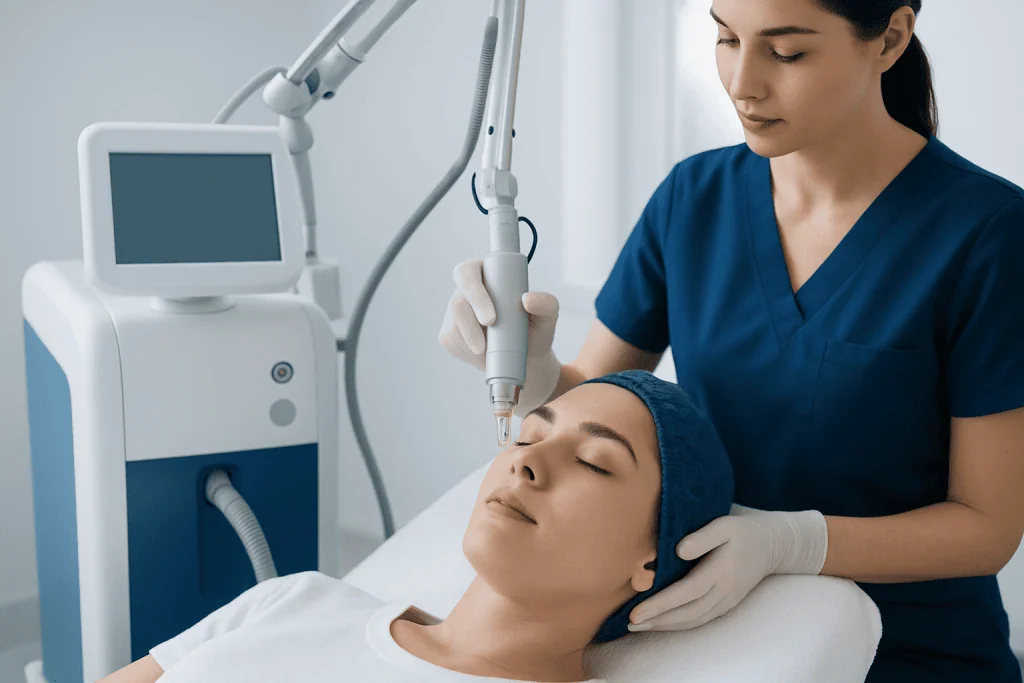
Laser procedures may be recommended for a range of cosmetic and skin-health concerns. The goal may be resurfacing, reducing visible pigment, improving vascular redness, stimulating collagen or softening the appearance of scars. The most appropriate device differs for each of these goals, so an assessment should begin with a clear discussion of what the person hopes to improve.
- Fine lines and early signs of photoageing
- Rough or uneven skin texture
- Sunspots and some forms of uneven pigmentation
- Selected acne scars and other shallow scars
- Large-appearing pores and loss of skin smoothness
- Visible facial redness or small surface blood vessels, in selected cases
Not every dark spot, red mark or scar should be treated with a laser. For example, a changing mole needs medical assessment rather than cosmetic treatment, and active inflammatory acne may need to be controlled first. People seeking care for ongoing breakouts may benefit from evaluation for acne before considering scar-focused laser procedures.
How the Procedure Is Planned and Performed
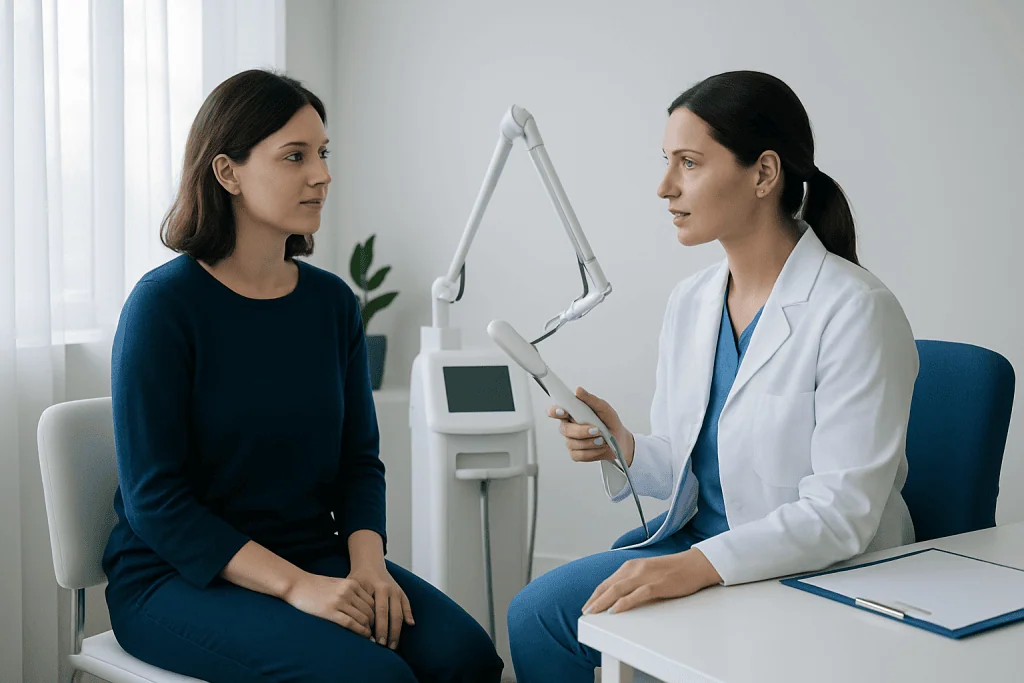
Planning is an important part of safe laser treatment. The clinician reviews medical history, current medicines, previous cosmetic procedures, tendency to develop raised scars, history of cold sores and recent tanning or sun exposure. Skin tone and the type of pigmentation concern are also considered carefully, because all skin types can be treated but may need different devices, settings and preparation.
Before treatment, the face is cleansed and photographs may be taken to document the starting point. A topical numbing cream is commonly used for many procedures. More intensive resurfacing may involve additional pain control or sedation, depending on the treatment plan and the area being treated. Protective eyewear is worn throughout the procedure.
During treatment, the clinician passes the laser handpiece over the planned areas in a controlled pattern. People may feel warmth, prickling or brief snapping sensations. The procedure length varies with the laser type and treatment area. Some laser treatments are performed in one session, while gentler or non-ablative approaches are commonly scheduled as a course of treatments separated by several weeks.
Patients should mention any use of prescription retinoids, photosensitising medicines, anticoagulants or supplements, and should not stop prescribed medicine without advice from their usual clinician. They should also follow instructions about avoiding sun exposure, tanning products, exfoliants and other potentially irritating skin products before the procedure.
Recovery: What to Expect After Laser Face Treatment
Recovery varies considerably. After a light, non-ablative treatment, the skin may be pink, mildly swollen or sensitive for hours to a few days. Dryness and fine flaking can occur. Makeup may be permitted after a short period, depending on the procedure and the clinician’s instructions.
Ablative laser resurfacing usually causes more pronounced redness, swelling, warmth and oozing during the early healing phase. The skin may crust or peel as it repairs itself. New skin often forms over several days to around two weeks, but redness can remain visible for longer and gradually fade. The exact timeline depends on how deeply the laser was used, the areas treated and the individual’s healing response.
Aftercare commonly includes gentle cleansing, a clinician-recommended healing ointment or moisturizer, and avoiding rubbing, picking or exfoliating the skin. Cool compresses may help with discomfort and swelling when advised. The treated skin should be protected from sunlight with shade, protective clothing and broad-spectrum sunscreen once the clinician confirms it is appropriate to use.
People should avoid heat exposure, such as saunas and very hot showers, as well as strenuous exercise, swimming and products containing irritating active ingredients until they have been cleared to resume them. Following the aftercare plan closely can support healing and lower the chance of complications.
When Will Results Be Visible?
Some early improvement may be visible once swelling and surface peeling settle, but the skin continues to remodel after treatment. Collagen-related changes develop gradually over weeks to months. For this reason, the final outcome of laser resurfacing is not usually judged in the first days after the procedure.
Ablative treatments may provide more substantial improvement in texture and lines after a single session, although they require more recovery. Non-ablative lasers generally offer a more gradual change and are often performed in a series. Pigment or redness treatments may also need repeat sessions, as the response depends on the underlying cause, depth and extent of the concern.
Results are influenced by age, skin biology, sun exposure, smoking, skin care routines and the type of concern being treated. Continued daily sun protection is especially important because ultraviolet exposure can contribute to recurrent pigmentation, premature ageing and uneven skin tone. A clinician can provide an individualized estimate of likely outcomes and maintenance needs.
Safety, Side Effects and Who May Need Extra Caution
When performed by an experienced, appropriately trained clinician, laser treatment is generally well tolerated. Temporary redness, swelling, warmth, dryness, peeling and sensitivity are common. More intensive procedures can have a longer period of visible healing. A history of cold sores may increase the risk of reactivation after facial laser treatment, and preventive antiviral medicine may be considered by the treating clinician.
Less common risks include infection, prolonged redness, acne-like eruptions, scarring and changes in skin color. Post-inflammatory hyperpigmentation or lightened areas of skin can occur, particularly when treatment settings are not well matched to the individual’s skin type or when aftercare and sun avoidance are not followed. This is why treatment should be planned by a qualified professional rather than selected solely from online images or advertising.
Laser treatment may need to be postponed in people with active skin infection, an open wound, significant sunburn or an active inflammatory skin flare. Pregnancy, certain medical conditions and some medicines may also affect timing or suitability. Patients with persistent redness, itching, scaling or sensitivity should first be assessed for conditions such as rosacea or dermatitis, as laser treatment is not appropriate for every active skin problem.
How to Prepare and Protect Results
Good preparation begins with a consultation that includes skin examination, a review of goals and a discussion of expected recovery. Patients should disclose previous fillers, chemical peels, radiation treatment, facial surgery and any tendency toward abnormal scarring. They should also tell the clinician about all prescribed medicines, over-the-counter products and supplements they use.
In the weeks before and after treatment, consistent sun avoidance is one of the most useful protective steps. Tanned or sunburned skin may be more likely to react unpredictably, and ultraviolet exposure after treatment can worsen pigmentation. A broad-spectrum sunscreen, protective hat and shade are practical long-term measures for maintaining healthier-looking skin.
A gentle routine is usually best during recovery. This may include a mild cleanser, bland moisturizer and only the products specifically recommended by the treating clinician. Strong acids, scrubs, retinoids and fragranced products may irritate healing skin. For people interested in broader facial rejuvenation planning, a clinician may discuss whether laser skin resurfacing is the right option or whether another approach would better match their goals.
When to Seek Medical Care
Patients should contact the treating clinic promptly if they develop increasing pain, spreading redness, worsening swelling after initial improvement, pus-like drainage, fever, blisters, a new rash or areas that appear unusually dark, pale or damaged. These symptoms do not always indicate a serious problem, but they should be assessed without delay.
Medical advice is also appropriate if redness, irritation or pigment changes persist longer than expected, or if the person is concerned about their healing progress. New, bleeding, painful or changing skin lesions should be evaluated medically rather than treated as a cosmetic concern.
Laser treatment should be delivered within a care plan that prioritizes skin safety and appropriate follow-up. Acibadem International’s multidisciplinary specialists and JCI-accredited hospitals diagnose and treat skin concerns for international patients, including evaluation of whether a laser-based procedure is suitable.
Frequently asked questions
Is laser face treatment painful?
Comfort levels depend on the laser type, treatment depth and the area being treated. Many procedures use topical numbing cream, and more intensive resurfacing may require additional pain management. Warmth, stinging or a snapping sensation can occur during treatment, followed by temporary sensitivity.
How long does laser face treatment take to heal?
Healing time ranges from a few days for many non-ablative treatments to one or two weeks of more active skin healing after ablative resurfacing. Redness can last longer than the initial healing phase, particularly after deeper treatments. The clinician can provide a more specific timeline based on the laser and settings used.
How long do laser face treatment results last?
Results can last for months or longer, but the skin continues to age and remains affected by sun exposure and lifestyle factors. Improvements in texture and collagen may develop gradually after treatment. Sun protection and a suitable skin care routine can help preserve the results.
Can laser treatment remove acne scars completely?
Laser treatment may soften the appearance of selected acne scars, especially shallow textural scars, but complete removal is not guaranteed. Different scar types respond differently, and combination treatment may be recommended. A dermatologist can determine whether laser treatment is likely to help a particular scar pattern.
Is laser face treatment safe for darker skin tones?
People with darker skin tones can have laser treatment, but device selection, settings and pre- and post-treatment care require particular attention. There can be a higher risk of post-inflammatory pigmentation changes with some treatments. Consulting a clinician experienced in treating diverse skin tones is important.
Can someone wear makeup after laser facial treatment?
This depends on the procedure and the stage of healing. After some light treatments, makeup may be allowed relatively soon, while after ablative resurfacing it should generally be avoided until the skin has healed sufficiently. Patients should follow the specific advice of their treating clinician to reduce irritation and infection risk.
This article is for general information only and is not a substitute for professional medical advice. Please consult a qualified doctor about your individual situation.
Explore treatments in Turkey — costs, top hospitals & a free quote
JCI-accredited · board-certified surgeons · reply within 24h
Add us as a Preferred Source to see more of our trusted health content across Google Search, AI Overviews and Discover.

More from the Health Library

Sour Candy: What Patients Need to Know

Rectal Tube — Explained by Medical Evidence, Not Myths

Meditation for Sleep: A Complete Medical Overview

Skin Clear Skin: A Complete Medical Overview

M.c.v. in Blood Report — Explained by Medical Evidence, Not Myths