Latent TB — Explained by Medical Evidence, Not Myths

Latent TB is not the same as active tuberculosis disease. People with latent TB usually have no symptoms and are not contagious.
Key Takeaways
- Latent TB is not the same as active tuberculosis disease.
- People with latent TB usually have no symptoms and are not contagious.
- Blood tests or a skin test can suggest latent TB, but evaluation is needed to rule out active TB.
- Treatment can greatly reduce the risk of developing active TB in the future.
- Risk is higher in people with recent exposure, weakened immunity, or certain medical conditions.
Latent TB means tuberculosis bacteria are in the body but inactive. A person with latent TB does not feel sick and cannot spread TB, but treatment is often recommended to lower the chance that inactive infection becomes active disease later.
Overview: what latent TB really means
Latent TB is an infection with Mycobacterium tuberculosis in which the bacteria stay alive in the body but remain inactive. In this state, the person has no symptoms, feels well, and cannot pass tuberculosis to others. This is why latent TB is different from active TB disease, which can cause illness and can spread through the air.
A positive TB blood test or skin test does not automatically mean someone has active tuberculosis. It often means the immune system has recognized TB bacteria at some point. The next step is to find out whether the infection is latent or active, because the treatment plan and public health advice are different.
Medical evidence supports treating latent TB in many people because it can prevent future illness. Without treatment, inactive bacteria may become active later, especially if the immune system becomes weaker. For that reason, clinicians focus not only on confirming latent infection, but also on identifying who would benefit most from preventive treatment.
Symptoms and why many people do not know they have it
Latent TB usually causes no symptoms at all. A person typically has no cough, no fever, no night sweats, and no weight loss related to the infection. Many people discover it only after routine screening for work, school, immigration, travel, or after close contact with someone who has active TB.
This symptom-free nature is one reason myths about latent TB are common. Some people worry that a positive test means they are infectious or seriously ill right away. In fact, latent TB means the bacteria are contained by the immune system and are not causing active damage or spread.
By contrast, active TB may cause a cough lasting weeks, chest pain, fever, sweating at night, fatigue, poor appetite, or unintended weight loss. If symptoms like these are present, a doctor should evaluate for active TB rather than assuming the infection is latent. This distinction is essential for safe care and for protecting people around the patient.
How latent TB happens: causes and risk factors

Latent TB develops after a person breathes in TB bacteria, usually from close exposure to someone with active TB of the lungs or airways. Not everyone exposed becomes infected, and not everyone infected becomes sick. In many cases, the immune system controls the bacteria and keeps them inactive.
Some people have a higher chance of latent infection becoming active disease later. This includes people with HIV infection, those taking medications that suppress the immune system, organ transplant recipients, and people with conditions such as diabetes or chronic kidney disease. Young children and older adults may also need closer evaluation because their immune defenses can be less robust.
Risk is also influenced by exposure history. People who live with or spend long periods near someone with infectious TB are at higher risk, as are healthcare workers and people who have lived in or traveled for extended periods in places where TB is more common. Lifestyle and social factors, such as malnutrition, smoking, crowded living conditions, or limited access to healthcare, can also affect risk.
Latent TB is different from active tuberculosis disease. Understanding that difference helps guide safe testing, treatment, and follow-up.
How doctors diagnose latent TB
Diagnosis begins with a TB test, either a blood test called an interferon-gamma release assay or a tuberculin skin test. These tests show whether the immune system has reacted to TB bacteria. They cannot by themselves confirm whether the infection is latent or active, so further assessment is always important after a positive result.
To rule out active TB, a clinician reviews symptoms, medical history, recent exposures, and risk factors. A chest X-ray is commonly used to look for signs of current or past TB in the lungs. In some cases, especially if symptoms or imaging raise concern, sputum testing may be needed to check for active infection.
Testing choices may vary from person to person. TB blood tests are often preferred in people who have received the BCG vaccine because the results are less likely to be affected by the vaccine. Skin testing can still be useful, especially where blood testing is not readily available, but results must be interpreted in the context of the whole clinical picture.
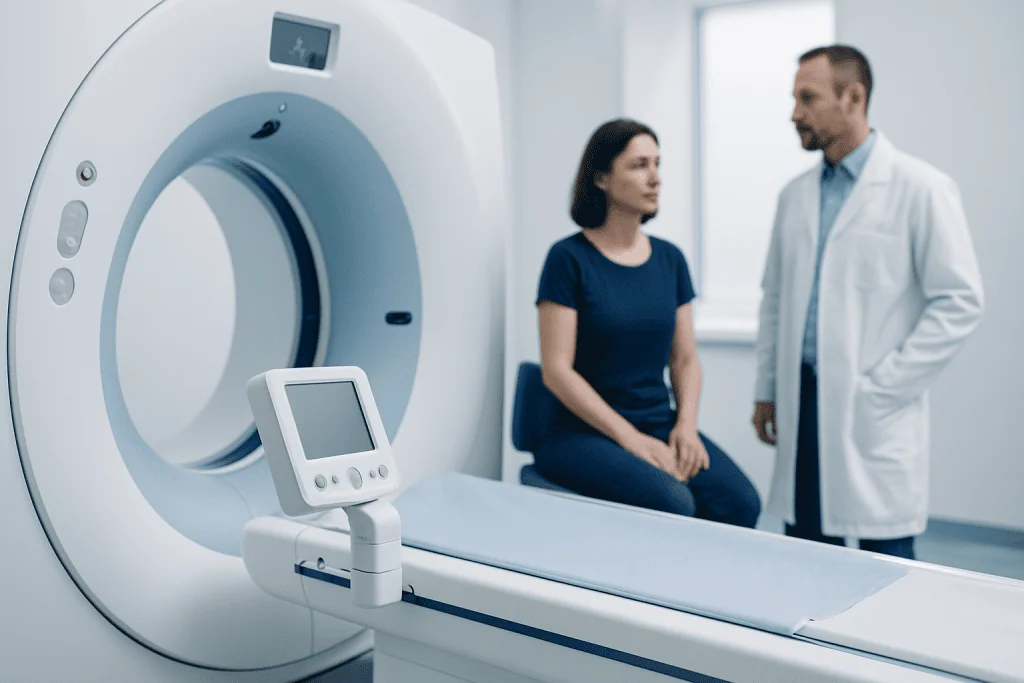
Imaging may be part of the assessment, especially when doctors need to exclude active disease before starting treatment. In that setting, diagnostic imaging can help support a clear and timely evaluation.
Treatment options and why they matter
The goal of latent TB treatment is prevention. Because latent infection causes no symptoms, treatment is not meant to relieve current illness; it is intended to lower the risk that the bacteria will wake up and cause active TB later. This benefit is especially important in people with recent exposure or conditions that weaken immune defenses.
Several evidence-based treatment regimens are used for latent TB. These usually involve one or more antibiotics taken for a defined period, and the best option depends on age, medical history, pregnancy status, liver health, other medications, and the likelihood of completing treatment. Shorter regimens are often favored when appropriate because they may be easier to finish, but the decision should be individualized.
Doctors generally review potential side effects, possible drug interactions, and the importance of follow-up during treatment. Monitoring may include checking for symptoms such as nausea, abdominal pain, unusual fatigue, dark urine, or jaundice, especially in people at higher risk of liver problems. Patients should not stop or change treatment on their own without medical advice.
If active TB has not been fully excluded, preventive treatment should not be started until the evaluation is complete. In some cases, consultation in infectious diseases helps tailor care for patients with complex risk factors, immune suppression, or unclear test results.
Self-care, prevention, and living with a latent TB diagnosis
For most people, living with latent TB does not require isolation, work restrictions, or changes in ordinary day-to-day contact with family and friends, because latent infection is not contagious. What matters most is completing the recommended medical evaluation and, if advised, finishing treatment as prescribed.
Self-care during treatment includes taking medications consistently, attending follow-up visits, and promptly reporting side effects. It also helps to keep an up-to-date list of all medicines and supplements, since some TB drugs can interact with other treatments. People with underlying health conditions should continue routine care because overall health can affect TB risk over time.
Prevention at the community level includes testing close contacts of infectious TB cases and treating latent infection when appropriate. Smoking cessation, good nutrition, and management of chronic illnesses can support immune health, although they do not replace medical treatment. If someone develops symptoms concerning for TB later, they should be reassessed rather than assuming the infection is still latent.
For international patients who need coordinated evaluation, Acibadem International’s multidisciplinary specialists at JCI-accredited hospitals diagnose and treat TB-related conditions with individualized planning, including support from chest diseases and related specialties when needed.
When to seek medical care
Medical care is important after a positive TB blood test or skin test, even if the person feels completely well. A doctor should determine whether the infection is latent or active and whether treatment is recommended based on the person’s age, health, and exposure history.
Prompt medical attention is especially important if symptoms suggest active TB, such as a cough lasting more than a few weeks, fever, night sweats, chest pain, coughing up blood, unusual tiredness, or unintended weight loss. Care should also be sought sooner for people with HIV, those using immune-suppressing medicines, transplant recipients, or anyone recently exposed to a known TB case.
People already taking latent TB treatment should contact their doctor if they develop concerning side effects, including severe nausea, vomiting, yellowing of the eyes or skin, dark urine, rash, or persistent abdominal pain. Early review can help keep treatment safe and effective.
Frequently asked questions
Is latent TB contagious?
No. Latent TB is not contagious because the bacteria are inactive and the person does not spread them through the air. Only active TB of the lungs or airways can usually infect others.
Can latent TB turn into active TB later?
Yes, it can. The risk is higher in people with weakened immune systems, recent infection, or certain medical conditions, which is why preventive treatment is often recommended.
Will a person with latent TB feel sick?
Usually not. Most people with latent TB have no symptoms and feel completely normal, which is why screening tests are often how it is found.
How is latent TB different from a positive TB test?
A positive TB test shows the immune system has reacted to TB bacteria. Latent TB is the diagnosis made when that test is positive but the person has no evidence of active disease after proper medical evaluation.
Does everyone with latent TB need treatment?
Not everyone needs the same approach, but many people are advised to have treatment because it lowers the chance of future active TB. The decision depends on age, exposure history, medical conditions, medications, and the balance of benefits and risks.
Can someone have latent TB after the BCG vaccine?
Yes. The BCG vaccine does not fully prevent TB infection, and it does not rule out latent TB. In people who have had BCG, a TB blood test is often preferred because it is less likely to be influenced by the vaccine.
This article is for general information only and is not a substitute for professional medical advice. Please consult a qualified doctor about your individual situation.
Explore treatments in Turkey — costs, top hospitals & a free quote
JCI-accredited · board-certified surgeons · reply within 24h
Add us as a Preferred Source to see more of our trusted health content across Google Search, AI Overviews and Discover.

More from the Health Library

Coconut Allergy: An Evidence-Based Guide for Patients

Hunza — Explained by Medical Evidence, Not Myths

Intermediate Fasting: A Complete Medical Overview

Blood urea nitrogen to urea: Symptoms, Causes, and Treatment — Complete Patient Guide

Egg dietary info: Symptoms, Causes, and Treatment — Complete Patient Guide