Lean Muscle: An Evidence-Based Guide for Patients

Lean muscle refers to muscle tissue with minimal fat around it, not a separate kind of muscle. Resistance training, adequate protein, sleep, and recovery are the main foundations for building lean muscle.
Key Takeaways
- Lean muscle refers to muscle tissue with minimal fat around it, not a separate kind of muscle.
- Resistance training, adequate protein, sleep, and recovery are the main foundations for building lean muscle.
- Age, hormones, illness, inactivity, and poor nutrition can all reduce muscle mass over time.
- Progress is usually gradual and safest when exercise and nutrition plans are realistic and individualized.
- Unexplained muscle loss, weakness, pain, or fatigue should be assessed by a qualified doctor.
Lean muscle is the body’s functional muscle tissue, and building it usually depends on regular resistance exercise, enough protein, recovery, and overall health. For most people, the goal is not to become bulky, but to improve strength, mobility, metabolism, and long-term well-being.
What lean muscle means and why it matters
Lean muscle generally means muscle tissue that is present without a large amount of body fat around it. In everyday health discussions, the term is often used to describe a body composition with more muscle and less fat. It does not refer to a different type of muscle; rather, it describes healthy muscle mass that supports movement, posture, strength, and daily function.
Lean muscle is important well beyond appearance. It helps the body perform common tasks such as climbing stairs, carrying groceries, standing from a chair, and maintaining balance. Muscle tissue also plays a role in glucose handling, energy use, and joint support, which is why preserving muscle is important across the lifespan.
For many patients, the most helpful goal is not “getting toned” in a vague sense, but improving body composition and physical function in a measurable, sustainable way. That usually means combining progressive exercise, balanced nutrition, and adequate recovery. It can also mean identifying health issues that make it harder to gain or maintain muscle.
How the body builds and maintains muscle
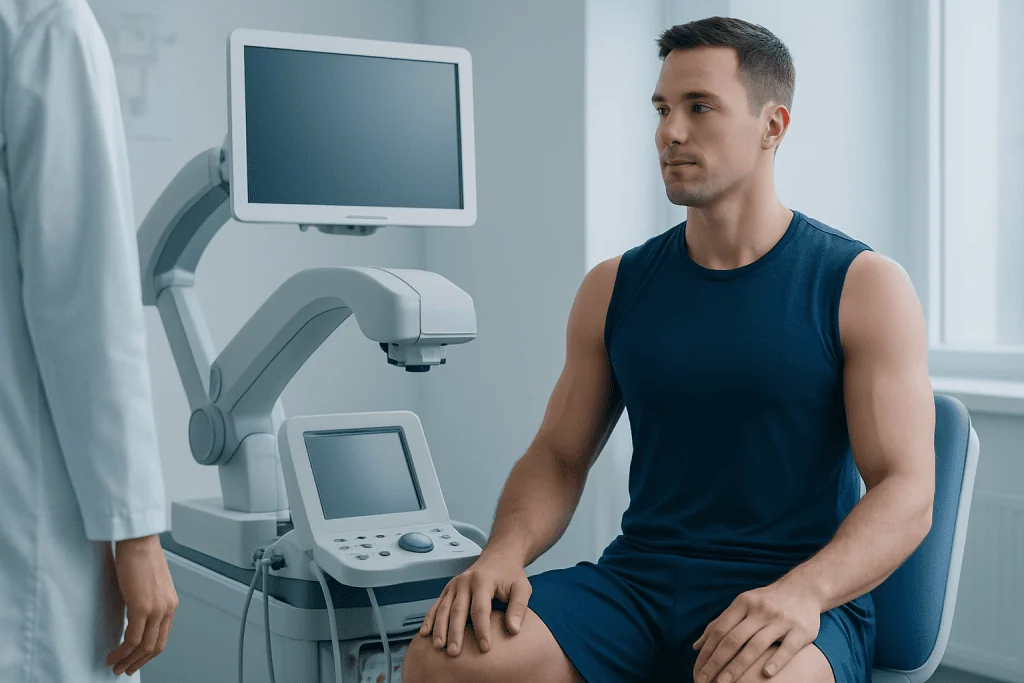
Muscle is dynamic tissue that responds to use. When a person performs resistance exercise such as lifting weights, using resistance bands, or doing bodyweight movements, the muscle fibers experience stress. During recovery, the body repairs and adapts to that stress, which can gradually increase strength and muscle size when training is consistent.
Protein is a key part of this process because it supplies amino acids, the building blocks needed for repair and growth. Carbohydrates also matter because they help fuel exercise, and overall calorie intake influences whether the body has enough energy to support training adaptation. Extremely restrictive diets can make muscle gain difficult, even in highly motivated people.
Hormones, sleep, age, and medical conditions also affect muscle health. Growth hormone, testosterone, insulin, and other signals help regulate muscle metabolism. Poor sleep, chronic stress, long periods of inactivity, and some illnesses can interrupt normal muscle maintenance, making progress slower or causing muscle loss.
Benefits of lean muscle for health and daily life
Building lean muscle can improve more than strength. Better muscle mass often supports joint stability, posture, mobility, and endurance in everyday life. People with stronger muscles may find routine activities easier and may feel more confident with movement, especially as they age.
Lean muscle also contributes to metabolic health. Muscle tissue uses energy and helps the body respond to insulin, which is one reason why strength training is often recommended as part of a healthy lifestyle. For people who are also working on weight management, preserving muscle while reducing excess fat is usually more beneficial than focusing only on the number on the scale.
Another important benefit is resilience during illness or recovery. Muscle serves as a functional reserve, helping the body cope with periods of stress, reduced activity, or medical treatment. In rehabilitation settings, rebuilding strength can be an essential part of restoring independence and quality of life.
Patients with obesity or metabolic concerns may hear about body composition during care planning. In some cases, physicians may discuss broader weight-management strategies, including obesity treatment options, alongside nutrition and activity programs, with the aim of protecting muscle while improving overall health.
What helps build lean muscle safely
The most evidence-based way to build lean muscle is regular resistance training. This includes exercises that challenge major muscle groups, such as squats, rows, presses, lunges, and core work. The body adapts best when the training load gradually increases over time, a principle often called progressive overload.
Nutrition is equally important. Many people benefit from spreading protein intake across the day and including a source of protein with meals. A balanced eating pattern that includes vegetables, fruits, whole grains, healthy fats, and enough total calories helps support exercise recovery and overall health. Hydration also matters, especially for active individuals.
Rest should not be overlooked. Muscles do not grow during the workout itself; adaptation happens between sessions. Sleep, rest days, and alternating hard and easy training days help reduce the risk of overuse and allow the body to recover effectively.
A practical plan often includes:
- Resistance training two or more times per week
- Enough protein from food or, when appropriate, supplements recommended by a clinician
- Regular meals that provide sufficient energy
- Sleep habits that support recovery
- Gradual progression rather than rapid increases in training intensity
Why some people lose muscle or struggle to gain it
Difficulty building lean muscle is not always caused by poor effort. Aging naturally affects muscle mass and strength, and long periods of inactivity can lead to noticeable decline. Recovery after surgery, hospitalization, or injury may also reduce muscle due to lower activity and increased metabolic stress.
Some medical conditions can contribute to muscle loss or weakness. These include hormonal disorders, chronic inflammation, diabetes, malabsorption, kidney or liver disease, and neurological conditions that affect movement. In some people, obesity can coexist with low muscle mass, creating a body composition pattern that is easy to miss without proper assessment. Conditions related to weight and metabolism, such as obesity, may influence exercise tolerance and muscle quality.
Nutrition-related factors also matter. Low protein intake, very low-calorie diets, eating disorders, heavy alcohol use, and vitamin or mineral deficiencies can impair muscle maintenance. Certain medicines, including long-term corticosteroids, may contribute to muscle breakdown or weakness in some patients.
If a person notices progressive weakness, fatigue, difficulty climbing stairs, repeated falls, or unintentional weight loss, medical evaluation is important. These symptoms may point to something more than normal deconditioning and should not be ignored.
How doctors assess muscle health
Muscle health is assessed through a combination of medical history, physical examination, and functional testing. A doctor may ask about exercise habits, diet, recent illness, weight changes, medications, sleep, and symptoms such as weakness, pain, or shortness of breath. Questions about falls, daily activities, and endurance can be especially useful in older adults.
Physical assessment may include measuring weight, waist circumference, grip strength, walking speed, balance, and overall mobility. In some cases, body composition tests may help estimate muscle mass and fat mass. Blood tests may be ordered if there is concern about hormonal imbalance, inflammation, nutritional deficiency, or another underlying condition.
When symptoms suggest a related medical issue, further evaluation may be recommended. For example, people with major weight changes or endocrine concerns may need a broader metabolic assessment. Depending on the situation, physicians may also evaluate conditions such as diabetes because blood sugar regulation and muscle health are closely connected.
Practical treatment and self-care strategies
For most healthy adults, improving lean muscle does not require extreme routines. The most effective approach is usually a structured, sustainable plan that combines resistance training, aerobic activity, and a realistic eating pattern. A doctor, physiotherapist, or dietitian can help tailor the plan to age, goals, current fitness, and medical history.
People recovering from illness, surgery, or long periods of inactivity may benefit from supervised rehabilitation. In these cases, rebuilding muscle often starts with basic functional movements and gradually progresses. If joint pain limits activity, clinicians may recommend lower-impact options and targeted therapy to improve safety and adherence.
Nutrition support can be especially helpful for older adults, people with reduced appetite, or those who have lost weight unintentionally. When there is severe obesity or obesity-related illness, some patients may be assessed for bariatric surgery, with careful planning to preserve muscle through protein intake, follow-up, and physical activity.
For international patients who need coordinated assessment, Acibadem International’s multidisciplinary specialists in JCI-accredited hospitals evaluate muscle health, nutrition, mobility, and related medical conditions as part of individualized care.
When to seek medical care
Medical advice is recommended if a person has unexplained muscle loss, ongoing weakness, severe fatigue, frequent falls, or trouble performing usual daily tasks. These symptoms can have many causes, including nutritional problems, endocrine disorders, nerve conditions, or chronic illness, and they deserve proper evaluation.
It is also sensible to seek care before starting an intense muscle-building program if there is heart disease, lung disease, diabetes, significant obesity, joint disease, or a history of injury. Professional guidance can help make exercise safer and more effective. Early support is especially valuable for older adults and for anyone recovering from hospitalization or surgery.
Urgent medical attention is needed if weakness comes on suddenly, affects one side of the body, is accompanied by chest pain, severe shortness of breath, confusion, or inability to walk. Those symptoms are not typical of simple deconditioning and should be treated promptly.
Frequently asked questions
Is lean muscle different from regular muscle?
Lean muscle is not a separate type of muscle. The term usually refers to muscle tissue in a body with relatively lower fat mass, or to the goal of increasing muscle while limiting excess fat gain.
Can a person build lean muscle without going to a gym?
Yes. Bodyweight exercises, resistance bands, stairs, and household items can all be used for effective strength training. The key is using enough resistance and increasing the challenge gradually over time.
How long does it take to build lean muscle?
Muscle gain is usually gradual and varies from person to person. Age, training experience, sleep, nutrition, medical conditions, and consistency all affect the timeline, so progress is best measured over weeks to months rather than days.
Does building lean muscle always mean gaining body weight?
Not necessarily. Some people gain weight as muscle increases, while others improve body composition with little change on the scale. Measurements such as strength, mobility, clothing fit, and body composition can be more informative than weight alone.
What foods help support lean muscle?
A balanced eating pattern with adequate protein is the main nutritional foundation. Helpful choices often include dairy products, eggs, fish, poultry, legumes, soy foods, nuts, seeds, whole grains, fruits, and vegetables.
When is muscle loss a medical concern?
Muscle loss should be assessed if it is unexplained, rapid, or associated with weakness, falls, fatigue, poor appetite, or unintentional weight loss. A doctor can check for underlying causes such as illness, hormonal imbalance, nutritional deficiency, or medication effects.
This article is for general information only and is not a substitute for professional medical advice. Please consult a qualified doctor about your individual situation.
Medical weight-loss options in Turkey — costs & eligibility
JCI-accredited · board-certified surgeons · reply within 24h
Add us as a Preferred Source to see more of our trusted health content across Google Search, AI Overviews and Discover.
Check your numbers in seconds
BMI, calories, due date, blood pressure and 30+ more clinical calculators — free, instant, doctor-reviewed ranges.

More from the Health Library

Lice Life Cycle: An Evidence-Based Guide for Patients

Esophageal Peptic Ulcer: An Evidence-Based Guide for Patients

Sunscreen Is Best: What Patients Need to Know

Trail Mix: A Complete Medical Overview

Neurons: An Evidence-Based Guide for Patients

Metamucil Fiber: A Complete Medical Overview
Orthopedic Surgery & Traumatology Specialists at Acibadem

Dr. Aynur Göksel
Physical Medicine & Rehabilitation
Dr. Ayşe Esra Sırmagül
Physical Medicine & Rehabilitation
Prof. Dr. Aziz Kaya Alturfan
Orthopedic Surgery & Traumatology
Dr. Baran Şen
Orthopedic Surgery & Traumatology