Leg Cramps — Explained by Medical Evidence, Not Myths

Leg cramps are brief, painful muscle spasms, most often affecting the calf and often happening at night. Occasional leg cramps are common and usually improve with stretching, gentle movement, and hydration.
Key Takeaways
- Leg cramps are brief, painful muscle spasms, most often affecting the calf and often happening at night.
- Occasional leg cramps are common and usually improve with stretching, gentle movement, and hydration.
- Frequent cramps can be linked to exercise strain, pregnancy, dehydration, medications, circulation problems, or nerve conditions.
- Diagnosis focuses on symptom pattern, medicines, lifestyle factors, and sometimes blood tests or vascular or nerve assessment.
- Medical advice is important if cramps are recurrent, severe, one-sided with swelling, or linked to weakness, numbness, or color changes.
Leg cramps are sudden, involuntary muscle contractions, often in the calf, that usually settle within minutes and are commonly linked to muscle fatigue, dehydration, or prolonged sitting or standing. Most are not dangerous, but repeated or severe cramps may need medical assessment to look for nerve, circulation, medication-related, or metabolic causes.
Overview: what leg cramps really mean
Leg cramps are sudden, painful tightening of a muscle, usually in the calf but sometimes in the foot or thigh. They can last a few seconds or several minutes and may leave the muscle sore afterward. In many people, they happen at night and wake them from sleep, which is why they are often called night leg cramps.
Medical evidence shows that most leg cramps are not caused by a serious disease. They are often related to muscle fatigue, prolonged sitting or standing, exercise strain, dehydration, pregnancy, or no clear trigger at all. The pain can feel intense, but the event itself is usually temporary.
At the same time, it is helpful not to dismiss every cramp as “just normal.” Recurrent cramps can sometimes be associated with poor circulation, nerve irritation, mineral imbalance, or the effects of certain medicines. A careful history matters more than myths such as “all cramps mean low potassium” or “everyone needs supplements.”
Common symptoms and how cramps feel
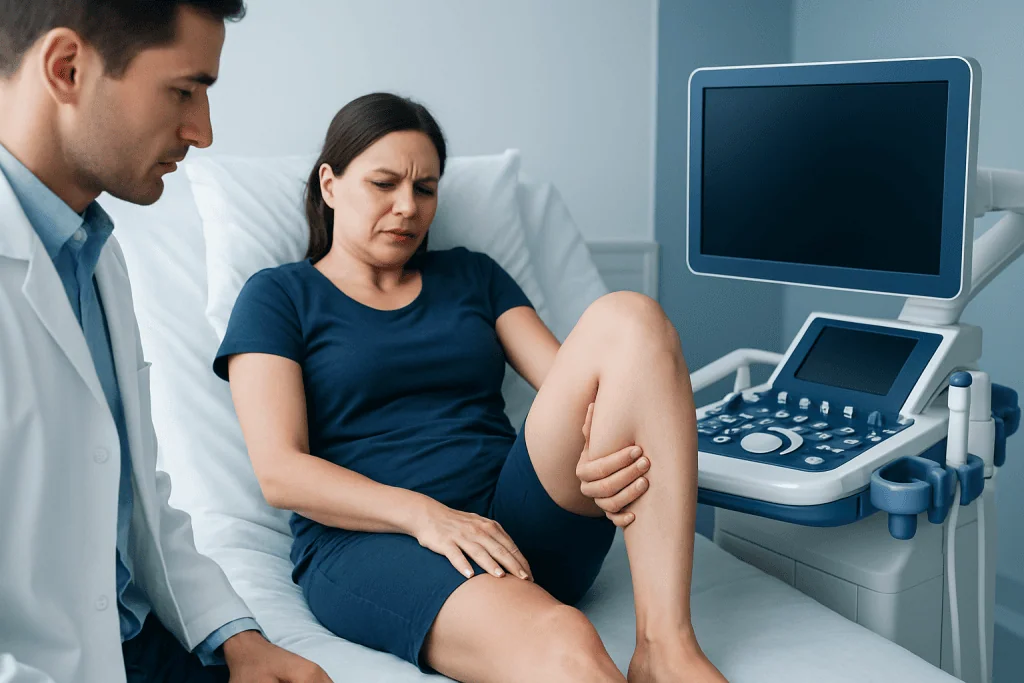
The classic symptom is a sudden, involuntary muscle spasm that feels hard, tight, and very painful. Many people can actually feel or see the affected muscle bunch up under the skin. The calf is the most common site, but cramps may also affect the arch of the foot, toes, hamstrings, or quadriceps.
Leg cramps often happen during rest, especially at night, but they can also appear during or after exercise. After the cramp eases, the muscle may remain tender or tired for hours. This is different from a muscle strain, which is usually related to an injury and tends to cause more lasting pain with movement.
Symptoms that suggest a different problem include swelling, skin redness, unusual warmth, persistent numbness, weakness, or leg pain that appears mainly when walking and improves with rest. Those features may point away from simple cramping and toward another condition such as peripheral artery disease or a nerve-related issue.
Causes and risk factors: beyond common myths

In many cases, no single cause is found. This is especially true for night leg cramps in otherwise healthy adults. Still, several factors can make cramps more likely. These include overuse of muscles, suddenly increasing exercise, standing for long periods, sitting with the legs in one position, dehydration, and tight calf muscles.
Age is an important risk factor. Older adults tend to develop cramps more often, partly because muscle mass changes over time and tendons naturally become less flexible. Pregnancy can also increase the chance of leg cramps, particularly later in pregnancy, likely because of circulation changes, pressure on nerves, and muscle fatigue.
Some medical conditions are linked with recurrent leg cramps. These can include diabetes, thyroid disease, kidney disease, liver disease, nerve disorders, and circulation problems. In some people, cramps occur along with other symptoms of varicose veins or chronic venous insufficiency, although veins are not the cause of every cramp.
Medicines may also play a role. Diuretics, some cholesterol-lowering medicines, and certain other prescription drugs have been associated with muscle cramping in some patients. Low fluid intake, heavy sweating, and shifts in electrolytes such as sodium, magnesium, or potassium may contribute, but routine supplementation is not appropriate for everyone and should be guided by a doctor when symptoms are frequent.
How doctors diagnose frequent leg cramps
Diagnosis begins with the pattern of symptoms. A doctor will usually ask when the cramps occur, how long they last, which muscles are involved, whether they happen during exercise or rest, and what helps them improve. They will also review current medicines, hydration, exercise habits, and any medical history involving the kidneys, nerves, blood vessels, or hormones.
A physical examination may check muscle tone, strength, reflexes, pulses, and signs of swelling or skin changes. This helps separate simple cramps from conditions involving circulation or the nervous system. If pain, coldness, color change, or exercise-related leg discomfort is present, further circulation assessment may be appropriate.
Tests are not always needed for occasional cramps. However, blood tests may be considered if there is concern about electrolyte imbalance, kidney function, thyroid disease, or other metabolic causes. If symptoms suggest a vascular problem, doctors may request Doppler ultrasound to assess blood flow. When weakness, numbness, or persistent nerve symptoms are present, a neurological evaluation may be advised.
Treatment and practical relief options
The best treatment depends on the cause. For most sudden cramps, immediate relief comes from gently stretching the muscle and moving the foot and ankle. For a calf cramp, pulling the toes upward toward the shin can help lengthen the muscle. Standing and placing weight on the leg, if safe, may also reduce the spasm. Gentle massage and a warm shower or heating pad can relax the muscle afterward.
When cramps happen often, treatment focuses on the trigger rather than on the cramp alone. This may mean adjusting exercise routines, improving hydration, reviewing medicines with a clinician, or addressing an underlying condition such as diabetes, thyroid disease, venous disease, or reduced circulation. If circulation concerns are found, doctors may investigate further and in selected cases discuss options such as peripheral artery disease treatment.
Medicines are not routinely used for occasional leg cramps. Historically, some treatments were tried for repeated night cramps, but not all have a favorable safety profile, so self-medicating is not recommended. A doctor may suggest targeted therapy only after considering the likely cause and balancing risks and benefits.
If enlarged veins, heaviness, and swelling accompany cramps, treatment may include compression strategies, lifestyle measures, and evaluation for varicose veins treatment where appropriate. The main goal is always to treat the underlying problem, not just suppress the symptom.
Prevention and self-care that may help
Although cramps cannot always be prevented, several habits may reduce how often they occur. Regular stretching of the calf and hamstring muscles, especially before bed or after exercise, can be helpful for some people. Building activity gradually rather than suddenly increasing exercise intensity also lowers muscle strain.
Hydration matters, especially in hot weather, during illness, or with heavy sweating. Drinking enough fluids across the day is generally more useful than reacting only after a cramp starts. People who exercise intensely should discuss individual hydration needs with a clinician if cramps are frequent.
Simple lifestyle steps may also help:
- Change leg position often during long periods of sitting or standing.
- Warm up before exercise and cool down afterward.
- Wear supportive footwear suited to daily activity.
- Keep bedding loose if pointed toes at night seem to trigger calf cramps.
- Review medicines with a doctor if cramps began after a new prescription.
It is best not to rely on unproven remedies or large doses of supplements without medical advice. Not every cramp is caused by vitamin or mineral deficiency, and unnecessary supplements can sometimes cause side effects or interact with medicines.
When to seek medical care
Medical advice is reasonable if leg cramps are frequent, severe, disturb sleep regularly, or do not improve with simple stretching and self-care. A doctor should also assess cramps that begin after starting a new medicine or that happen together with muscle weakness, numbness, tingling, or reduced ability to walk normally.
Urgent care is important if a leg becomes swollen, red, hot, pale, or unusually cold, or if pain is persistent rather than coming and going as a cramp. These features can suggest a blood clot, circulation problem, or another condition that needs prompt attention rather than home treatment.
Persistent exertional leg pain, cramping that appears predictably with walking, or skin changes in the feet and legs may require vascular assessment and sometimes cardiovascular check-up. For international patients who need evaluation, Acibadem International’s multidisciplinary specialists and JCI-accredited hospitals assess leg cramps by looking for muscle, nerve, metabolic, and vascular causes in a coordinated way.
Frequently asked questions
Are leg cramps dangerous?
Most leg cramps are not dangerous and settle on their own within minutes. However, frequent, severe, or unusual cramps can sometimes be linked to medication effects, circulation problems, nerve conditions, or metabolic disorders, so they should be assessed if they keep returning.
Why do leg cramps happen at night?
Night leg cramps often occur during rest when the calf and foot are in a shortened position. Muscle fatigue, reduced flexibility, dehydration, prolonged sitting, pregnancy, and aging may all contribute, although in many people no single cause is found.
What is the fastest way to stop a leg cramp?
Gently stretching the affected muscle is usually the quickest relief. For a calf cramp, pulling the toes upward toward the shin and slowly straightening the leg can help, followed by light massage or warmth once the spasm eases.
Do leg cramps mean low potassium?
Not always. While electrolyte disturbances can contribute in some cases, many leg cramps are unrelated to potassium levels and happen because of muscle fatigue, posture, dehydration, medications, or no clear cause. That is why supplements should not be started automatically.
When should someone worry about leg cramps?
Concern is higher if cramps are frequent, one-sided, associated with swelling, redness, weakness, numbness, skin color change, or pain during walking. Those signs may point to a circulation or nerve problem rather than a simple cramp.
Can dehydration cause leg cramps?
Yes, dehydration can contribute, especially during hot weather, illness, or exercise with heavy sweating. Still, hydration is only one part of the picture, and some people with good fluid intake can still experience cramps for other reasons.
References
- National Institute of Neurological Disorders and Stroke
- American Academy of Family Physicians
- National Health Service
- Mayo Clinic
- National Institute on Aging
This article is for general information only and is not a substitute for professional medical advice. Please consult a qualified doctor about your individual situation.
Explore treatments in Turkey — costs, top hospitals & a free quote
JCI-accredited · board-certified surgeons · reply within 24h
Add us as a Preferred Source to see more of our trusted health content across Google Search, AI Overviews and Discover.
Check your numbers in seconds
BMI, calories, due date, blood pressure and 30+ more clinical calculators — free, instant, doctor-reviewed ranges.

More from the Health Library

Ingrown Pubic Hair: What Patients Need to Know

Phlegmon: An Evidence-Based Guide for Patients

Hyaluronic Acid: What Patients Need to Know

Dandelion Wine: A Complete Medical Overview

Trench Foot: What Patients Need to Know