Leg Length Discrepancy after Hip Replacement: Procedure, Recovery and Results

A feeling of unequal leg length after hip replacement is not always a true bone-length difference; pelvic tilt, muscle tightness and swelling can contribute. Surgeons sometimes prioritize hip stability and prevention of dislocation, which can require a small change in leg length.
Key Takeaways
- A feeling of unequal leg length after hip replacement is not always a true bone-length difference; pelvic tilt, muscle tightness and swelling can contribute.
- Surgeons sometimes prioritize hip stability and prevention of dislocation, which can require a small change in leg length.
- Early recovery rehabilitation and time can improve many functional differences, especially during the first several months.
- A shoe lift may help selected people with a confirmed, persistent discrepancy after professional assessment.
- New severe pain, inability to bear weight, fever, wound problems or a sudden change in leg position requires prompt medical attention.
Leg length discrepancy after hip replacement means one leg feels or measures longer or shorter than the other following surgery. Small differences are relatively common and may settle as swelling decreases and walking muscles regain strength, while a persistent or substantial difference should be assessed by an orthopedic specialist.
Overview: why leg length can feel different after hip replacement
Leg length discrepancy after hip replacement can be a true difference in the measured length of the legs, or a perceived difference caused by the way the pelvis, hip muscles and lower back are positioned. It is understandable for a person to notice that one leg feels longer after total hip replacement, particularly when standing or beginning to walk again. In many cases, this sensation improves during recovery as postoperative swelling reduces and muscles regain their usual balance.
During hip replacement, the surgeon removes damaged joint surfaces and positions artificial components to restore movement, relieve pain and create a stable hip. Achieving stability is especially important because a hip that is too loose may be more likely to dislocate. Sometimes, making the joint stable can result in a small increase or decrease in leg length. The goal is to balance leg length, hip function and stability as safely as possible.
A meaningful discrepancy is best evaluated clinically rather than judged only by sensation. An orthopedic team may examine posture and walking, assess the pelvis and spine, and use imaging when appropriate. People who are considering surgery can learn more about hip replacement surgery and how individualized planning supports joint function and recovery.
How serious is leg length discrepancy?
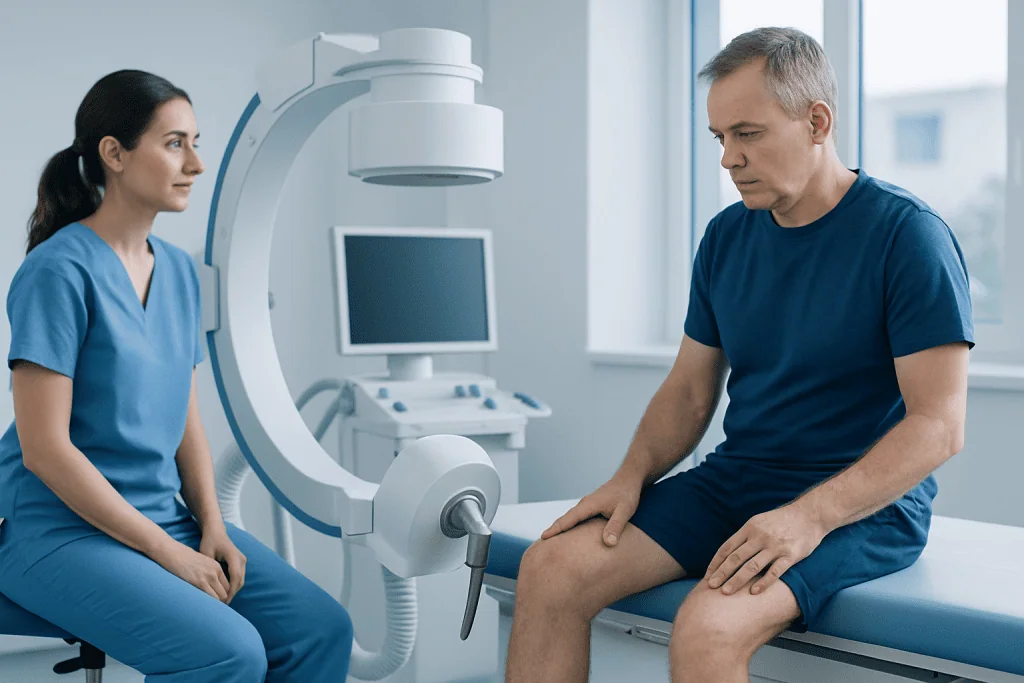
How serious leg length discrepancy after hip replacement is depends on its size, whether it is structural or functional, and the symptoms it causes. A small difference may cause no lasting problem. Some people adapt naturally as their gait normalizes, while others notice temporary limping, fatigue, tightness around the hip, lower back discomfort or uncertainty on stairs.
A larger or persistent discrepancy can place extra strain on the back, pelvis, knee, ankle or foot. It may affect balance and make walking less comfortable. However, symptoms do not always match the measured difference: a minor structural difference may feel significant when muscles are weak or the pelvis is tilted, while another person may have a measurable difference without troublesome symptoms.
Assessment is particularly important when the change is accompanied by severe pain, instability, a new limp that is worsening, numbness or weakness. These symptoms do not necessarily mean that the implant is the cause, but they warrant timely review to check the hip, surrounding tissues, spine and walking mechanics.
Why it happens: causes and risk factors

Hip arthritis, previous injury, developmental hip differences and longstanding joint damage can alter the natural shape of the hip before surgery. If the hip has collapsed, the pelvis is tilted, or the leg was already shorter before the procedure, restoring the hip can make the operated side feel noticeably different. A pre-existing curvature of the spine, contractures around the hip or weakness in the buttock muscles can also affect perceived leg length.
During surgery, the orthopedic surgeon selects implant size and position while checking tissue tension and hip stability. The anatomy of the pelvis and femur, the condition of the soft tissues, the type of implant and the need to prevent dislocation all influence this balance. Surgical teams use preoperative X-rays, templating and intraoperative measurements to reduce avoidable differences, but no method can eliminate every variation in every individual.
Not every postoperative discrepancy is structural. Functional leg length discrepancy can develop when the pelvis tilts due to pain, muscle spasm, swelling or protective movement patterns. This is one reason recovery exercises and follow-up assessments are important. Conditions affecting nearby joints, including osteoarthritis, can also influence gait and comfort during rehabilitation.
Procedure planning and how hip replacement works
Hip replacement may be considered when hip pain and reduced mobility substantially affect daily life and non-surgical treatment has not provided adequate relief. Candidacy is based on symptoms, examination findings, imaging, overall health, activity needs and the person’s goals. An orthopedic consultation also considers factors that may affect recovery, such as bone quality, medications, diabetes, heart or lung conditions, smoking and previous hip surgery.
Before the operation, the surgeon reviews X-rays and may use additional imaging to understand hip anatomy, limb alignment and any pre-existing difference in leg length. This planning helps identify appropriate implant sizes and position. The team discusses expected benefits, realistic recovery, alternatives and potential complications, including the possibility of a residual leg-length difference.
During the procedure, the damaged femoral head is removed, the hip socket is prepared and artificial components are inserted. The surgeon checks the hip’s range of movement, stability and soft-tissue tension before closing the incision. After surgery, early mobilization, pain management, blood-clot prevention and physiotherapy form key parts of care. Rehabilitation may include physical therapy and rehabilitation to rebuild strength, improve gait and support confidence with daily activities.
Does leg length discrepancy go away after hip replacement?
A feeling of leg length discrepancy often improves after hip replacement, particularly when it is related to swelling, weak muscles, hip stiffness, pelvic tilt or an altered walking pattern. The first weeks after surgery are not always the best time to judge final leg length because the body is still healing and people may naturally protect the operated side while walking.
Recovery varies, but improvement in gait and muscle control often continues over several months. Following the rehabilitation plan, using a walking aid as advised and gradually returning to activity can help the pelvis and hip muscles adjust. It is important not to add a shoe lift too early unless the treating clinician recommends it, since a temporary functional difference may still resolve.
If the leg continues to feel uneven after the early recovery period, or if it causes pain, limping or difficulty with everyday activities, the orthopedic surgeon can reassess it. The review may include a physical examination, standing measurements and X-rays. Management is then based on the likely cause rather than on appearance or sensation alone.
Can a shoe lift correct leg length discrepancy after hip replacement?
A shoe lift can help some people with a confirmed and persistent leg length discrepancy after hip replacement. It does not change the implant or permanently lengthen the leg, but it may improve pelvic balance, walking comfort and symptoms such as lower back strain. A lift is usually considered only after the early healing phase, when the clinician believes the difference is unlikely to change substantially.
The height and placement of a lift should be individualized. A healthcare professional may recommend an insert inside the shoe for a small correction or a modification to the sole for a larger one. An excessively high or poorly fitted lift can make walking less comfortable and may cause strain elsewhere in the body.
Physiotherapy remains important whether or not a lift is used. Targeted work on hip strength, flexibility, balance and gait may reduce functional asymmetry and help a person move more confidently. Persistent pain should not be managed by repeatedly changing lift height without medical advice, because another cause may need to be addressed.
Treatment, recovery timeline and expected results
Initial management usually focuses on careful observation, routine postoperative follow-up and rehabilitation. In the first days and weeks, swelling, pain control, mobility training and safe use of walking aids are common priorities. The healthcare team monitors the wound, circulation, strength and ability to move safely at home.
Over the next several weeks to months, many people progress from assisted walking to more independent mobility as strength and endurance return. The exact timeline differs according to the surgical approach, general health, preoperative function, complications and rehabilitation needs. A perceived difference may lessen as the person regains a more even walking pattern.
For persistent, symptomatic discrepancies, options may include a shoe lift, tailored physiotherapy and treatment of related back, knee or soft-tissue problems. Revision hip surgery is not routinely needed for a mild difference and is considered only in selected situations after detailed assessment of symptoms, implant position, stability and overall risks. Acibadem International’s multidisciplinary specialists and JCI-accredited hospitals can assess hip replacement concerns and provide coordinated care for international patients.
Can you sue for leg length discrepancy after hip replacement?
Legal questions about leg length discrepancy after hip replacement depend on the facts of an individual case and the laws where care was provided. A difference in leg length alone does not establish that medical care was negligent. It can be a recognized risk of hip replacement, and surgeons may need to make clinical decisions that prioritize joint stability and safe function.
People with concerns may first request a clear explanation from their surgical team, including a review of preoperative findings, operative planning, follow-up examinations and imaging. Obtaining an independent medical opinion can also help clarify whether the difference is structural, how significant it is and whether further treatment is appropriate.
For advice about legal rights, a qualified lawyer familiar with healthcare law in the relevant jurisdiction is the appropriate professional to consult. Medical information cannot determine legal responsibility, and seeking care for symptoms should remain the immediate priority.
When to seek medical care
Contact the surgical team promptly if one leg suddenly appears much shorter or longer, the hip feels unstable, there is a new inability to bear weight, or pain becomes severe or rapidly worsens. These symptoms may have different causes and need assessment rather than self-treatment. A sudden change after a fall also requires urgent clinical advice.
Urgent medical evaluation is important for fever, increasing redness or drainage from the wound, marked calf swelling, chest pain, shortness of breath, new numbness or weakness, or severe swelling that is not improving. These symptoms are not specific to leg-length difference but can indicate complications that should be checked quickly.
For non-urgent concerns, arrange a planned orthopedic review if limping, discomfort, back pain or a sense of uneven legs persists beyond expected recovery or interferes with work, sleep or daily activity. Bringing a list of symptoms, timing, walking difficulties and any footwear changes can help guide the appointment.
Frequently asked questions
Is one leg being longer after hip replacement common?
A sensation that one leg is longer can occur after hip replacement, especially early in recovery. It may be related to swelling, muscle tightness, pelvic tilt or a true difference in leg length. An orthopedic review can determine the likely cause if the symptom persists.
How is leg length measured after hip replacement?
A clinician may compare leg landmarks during an examination and observe posture and walking. Standing X-rays or other imaging may be used when a more precise assessment is needed. Measurements are interpreted alongside symptoms, pelvic position and spinal alignment.
When can I start using a shoe lift after hip replacement?
A shoe lift should be discussed with the orthopedic surgeon or physiotherapist rather than started automatically. Early perceived differences often improve as healing progresses. If a lift is appropriate, the team can advise on its timing and size.
Will physical therapy help uneven legs after hip replacement?
Physical therapy can help when the sensation of uneven leg length is related to weakness, stiffness, pelvic tilt or gait changes. Exercises and walking training are tailored to the person’s stage of recovery and clinical findings. Therapy cannot change a fixed bone-length difference, but it may improve function and comfort.
Can leg length discrepancy cause back pain after hip replacement?
It can contribute to back or pelvic discomfort by changing how the body bears weight during standing and walking. However, back pain has many possible causes, including pre-existing spinal conditions and altered movement during recovery. Persistent or worsening pain should be assessed rather than assumed to be caused by leg length alone.
Is revision surgery needed for leg length discrepancy after hip replacement?
Most mild discrepancies do not require revision surgery. Non-surgical approaches such as rehabilitation, gait assessment and a professionally prescribed shoe lift are often considered first. Revision may be discussed only when symptoms are substantial and evaluation identifies a correctable surgical issue.
References
- American Academy of Orthopaedic Surgeons
- National Institute for Health and Care Excellence
- OrthoInfo
- American Association of Hip and Knee Surgeons
This article is for general information only and is not a substitute for professional medical advice. Please consult a qualified doctor about your individual situation.
Hip Replacement in Turkey — costs, top hospitals & a free quote
JCI-accredited · board-certified surgeons · reply within 24h
Add us as a Preferred Source to see more of our trusted health content across Google Search, AI Overviews and Discover.

Orthopedics & Spine
Care for bones, joints and the musculoskeletal system, including joint replacement, sports injuries and trauma.
125 specialists in this unitMore from the Health Library



Related Specialists

Dr. Mehtap Acar
Pediatrics
Dr. Mehmet Çavuş
Orthopedic Surgery & Traumatology
Dr. Soysal Turhan
Cardiovascular Surgery
Fzt. Busenur Sezer
Physical Medicine & Rehabilitation