

Leg Muscles: An Evidence-Based Guide for Patients
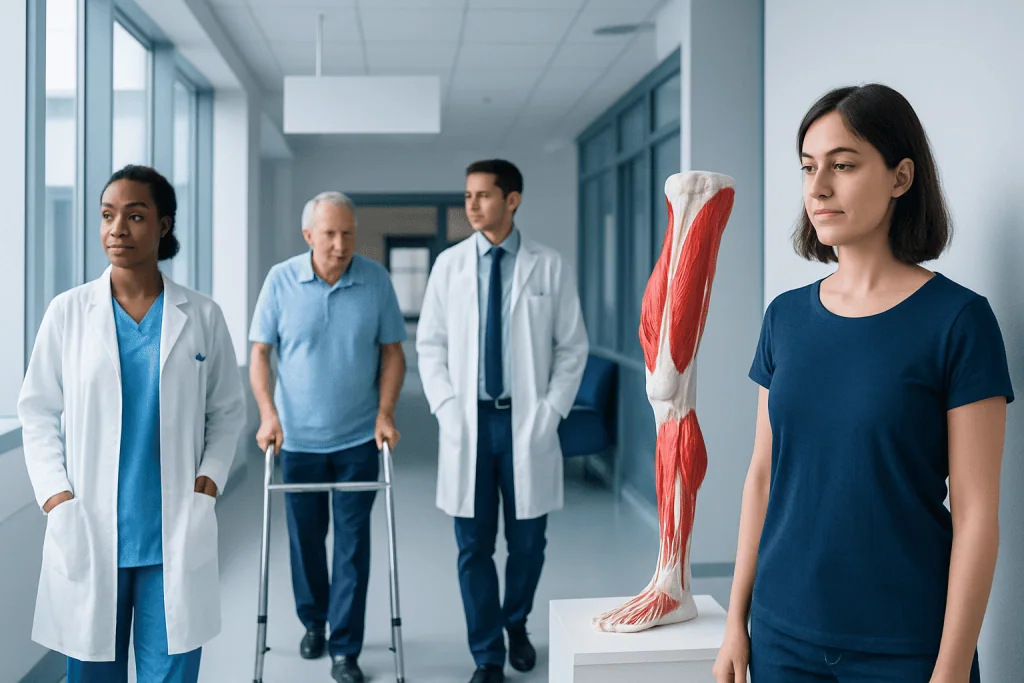
Leg muscles include the gluteal, thigh, and calf muscle groups that work together for movement and stability. Pain in leg muscles is often related to overuse, strain, cramps, or poor conditioning, but sometimes signals a more serious problem.
Key Takeaways
- Leg muscles include the gluteal, thigh, and calf muscle groups that work together for movement and stability.
- Pain in leg muscles is often related to overuse, strain, cramps, or poor conditioning, but sometimes signals a more serious problem.
- Diagnosis usually depends on symptom history, physical examination, and sometimes imaging or blood tests.
- Most mild leg muscle problems improve with rest, activity changes, stretching, and guided rehabilitation.
- Sudden swelling, weakness, numbness, severe pain, or trouble walking should be assessed by a doctor.
Leg muscles are the body’s main engines for walking, standing, balance, and everyday movement. Understanding how leg muscles work, why they hurt, and when symptoms need medical attention can help patients recover safely and protect long-term mobility.
Overview: what leg muscles do
Leg muscles are groups of skeletal muscles that help a person stand, walk, climb stairs, run, jump, and keep balance. They also support the joints of the hips, knees, and ankles, making everyday movement smoother and more efficient. When people ask about leg muscles, they are usually asking both about anatomy and about common symptoms such as pain, tightness, cramps, weakness, or injury.
The leg muscles work in coordinated chains rather than in isolation. Muscles in the hips and buttocks help control posture and power, the thigh muscles help bend and straighten the knee, and the calf muscles help push the body forward. Because these muscles carry body weight and absorb repeated stress, they are especially prone to fatigue, strain, and overuse problems.
Many leg muscle symptoms are temporary and improve with rest, gradual exercise, and good recovery habits. However, persistent pain, major weakness, or swelling can sometimes be linked to joint problems, nerve conditions, blood vessel disorders, or injuries that need medical evaluation.
Main muscle groups in the legs
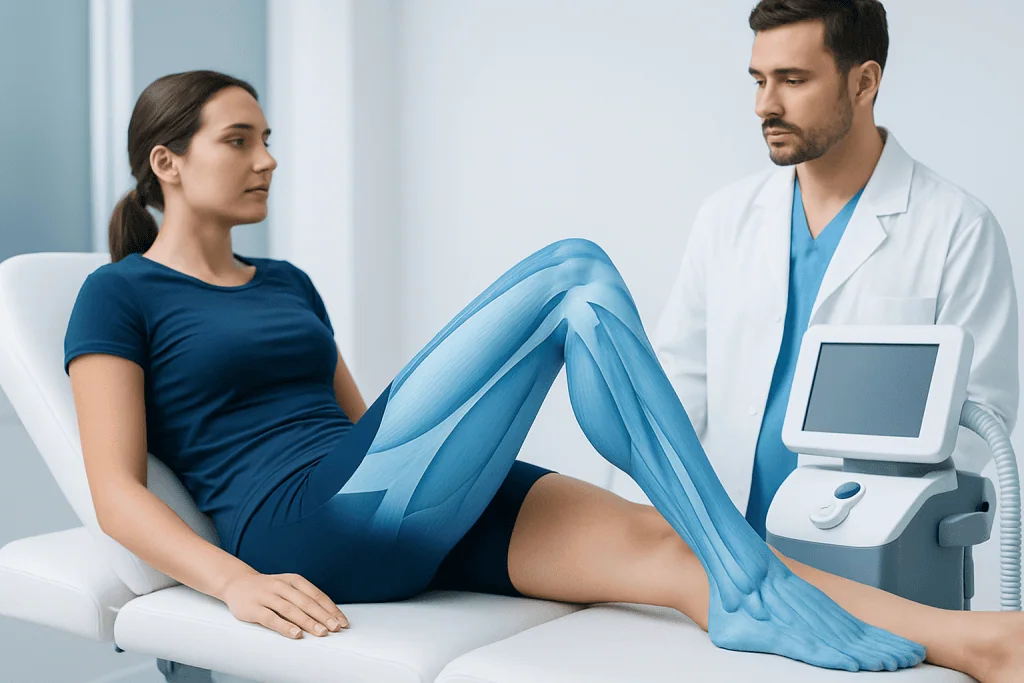
Patients often find it helpful to think of leg muscles as three large regions: the hips and buttocks, the thighs, and the lower legs. Each region has a different job, but all must work together during movement. Weakness or tightness in one area can place extra strain on another.
The major muscle groups include:
- Gluteal muscles: the gluteus maximus, medius, and minimus help with hip extension, side-to-side stability, and posture.
- Quadriceps: the large muscles at the front of the thigh straighten the knee and help with walking, standing up, and climbing.
- Hamstrings: the muscles at the back of the thigh bend the knee and assist with hip movement.
- Adductors: the inner thigh muscles draw the legs inward and help stabilize the pelvis.
- Calf muscles: mainly the gastrocnemius and soleus, which help point the foot downward and push off during walking or running.
- Shin muscles: muscles such as the tibialis anterior lift the foot and help control gait.
Because joints and muscles function together, a symptom that feels like a muscle problem may also involve surrounding tissues. For example, knee pain may alter how the quadriceps work, and hip conditions may affect walking mechanics. In some cases, evaluation for related orthopedic problems such as knee pain or hip pain helps explain ongoing leg symptoms.
Common symptoms involving leg muscles

Leg muscle symptoms can vary from mild soreness after exercise to persistent pain that interferes with daily activity. People may describe aching, cramping, tightness, burning, heaviness, twitching, or a feeling that the legs tire easily. Some symptoms appear only during activity, while others continue at rest or at night.
Muscle soreness after an unusual workout is common and often settles within a few days. A strain may cause a sharper pain, tenderness, reduced range of motion, and discomfort when using the affected muscle. Cramps tend to come on suddenly and may be linked to fatigue, dehydration, prolonged standing, or nighttime muscle irritability.
Weakness is a different symptom from pain. A person may notice difficulty climbing stairs, rising from a chair, standing on tiptoe, or keeping balance on one leg. Numbness, tingling, skin color changes, or significant swelling suggest that the issue may not be a simple muscle problem and should be assessed more carefully.
Causes and risk factors
The most common reasons for leg muscle problems are overuse, poor conditioning, sudden increases in activity, and minor strains. Starting a new exercise routine, returning to sport too quickly, or repetitive work activities can all overload muscle fibers. Limited warm-up, inadequate recovery time, and muscle imbalance can increase the risk.
Other causes include dehydration, electrolyte imbalance, poor footwear, prolonged sitting, and reduced flexibility. Age-related muscle loss, known as sarcopenia, can also affect strength and endurance over time. People with obesity, diabetes, circulation problems, or neurologic conditions may be more likely to notice fatigue, pain, or slower recovery.
Sometimes pain that seems to come from the leg muscles actually begins elsewhere. Problems in the spine can irritate nerves and cause pain, weakness, or tingling down the leg. Blood vessel conditions may also cause pain with walking or swelling. If the doctor suspects a structural injury, they may consider orthopedic assessment and treatments such as physical therapy and rehabilitation or, when joint damage is involved, procedures discussed in pages like knee replacement.
Less commonly, leg muscle symptoms are related to infections, inflammatory muscle disease, medication side effects, or systemic illness. These causes are not the most common, but they become more important when symptoms are severe, generalized, unexplained, or accompanied by fever, dark urine, or marked weakness.
How doctors diagnose leg muscle problems
Diagnosis begins with a careful history. The doctor will usually ask when the symptoms started, whether they followed exercise or injury, exactly where the pain is felt, and what makes it better or worse. Questions about weakness, numbness, swelling, back pain, recent travel, medications, and other medical conditions can help narrow the cause.
A physical examination often provides important clues. The clinician may check posture, walking pattern, tenderness, swelling, muscle strength, flexibility, and joint movement. They may also examine the hips, knees, ankles, and lower back, because pain can sometimes be referred from another area.
Additional tests are used when symptoms are ongoing, severe, or unclear. These may include blood tests to look for inflammation or muscle injury, ultrasound to assess soft tissues, or MRI for suspected tears or more complex injuries. If bone or joint problems are contributing, imaging and specialist review may be needed, sometimes alongside services such as orthopedics and traumatology.
Treatment options and recovery
Treatment depends on the cause, severity, and the patient’s activity level. For mild overuse symptoms or small strains, early care often includes temporary rest from the aggravating activity, gentle movement, and gradual return to exercise. Many patients benefit from a structured plan rather than complete inactivity, because prolonged rest can lead to stiffness and further weakness.
Physical therapy is a common and evidence-based treatment for leg muscle problems. A rehabilitation program may focus on flexibility, strength, balance, walking mechanics, and muscle coordination. Recovery is often better when exercises are progressed gradually and tailored to the specific muscle group involved.
Doctors may also recommend measures such as heat or cold, activity modification, supportive footwear, and short-term pain relief strategies when appropriate. If cramps are linked to dehydration or fatigue, improving fluid intake, sleep, and conditioning may help. For more significant tears, tendon injuries, or joint-related causes, referral to a specialist may be needed.
Recovery time varies. Mild soreness may settle in days, while more substantial strains can take weeks. Returning too quickly to sport or heavy activity can increase the chance of reinjury, so follow-up and a gradual return plan are important.
Prevention and self-care for healthy leg muscles
Healthy leg muscles depend on regular use, gradual progression, and recovery. A balanced routine usually includes strengthening, stretching, and aerobic activity such as walking, cycling, or swimming. Patients who have been inactive for some time often do best when they start slowly and increase intensity step by step.
Simple self-care habits can reduce the risk of pain and strain:
- Warm up before exercise and cool down afterward.
- Increase distance, speed, or resistance gradually.
- Wear supportive shoes that match the activity.
- Stay hydrated, especially in hot weather or during prolonged exercise.
- Include protein and overall balanced nutrition to support muscle repair.
- Allow time for sleep and recovery between demanding workouts.
People with recurring symptoms may also benefit from reviewing movement patterns, posture, and training technique. Tight hip flexors, weak gluteal muscles, or poor ankle mobility can all affect the way force travels through the legs. A clinician or physiotherapist can help identify these patterns and suggest exercises that improve long-term function.
Near the end of the care journey, some patients need coordinated input from multiple specialties. Acibadem International’s multidisciplinary specialists and JCI-accredited hospitals diagnose and treat musculoskeletal and mobility-related conditions for international patients when further evaluation is needed.
When to seek medical care
Most short-term leg muscle soreness improves with rest and time, but medical care is important when symptoms are persistent, severe, or unusual. A patient should arrange an evaluation if pain lasts more than a few days without improvement, keeps returning, limits walking, or is associated with visible swelling or bruising.
Urgent assessment is recommended for sudden severe pain, inability to bear weight, a noticeable deformity, rapid swelling, or symptoms that follow a significant injury. Immediate medical attention is also important if leg symptoms occur with chest pain, shortness of breath, fever, marked redness, numbness, or weakness.
When in doubt, it is safer to speak with a qualified doctor. Early assessment can help distinguish a simple muscle problem from a nerve, joint, tendon, or circulation-related condition and support the most appropriate treatment plan.
Frequently asked questions
What are the main leg muscles?
The main leg muscles include the gluteal muscles, quadriceps, hamstrings, adductors, calf muscles, and muscles along the shin. Together, they help with standing, walking, balance, and movement at the hip, knee, and ankle.
Why do leg muscles hurt after exercise?
Leg muscles often hurt after exercise because of temporary microscopic muscle stress, especially after a new or more intense activity. This soreness usually improves within a few days, but sharp pain or major weakness may suggest a strain or other injury.
How can someone tell if leg muscle pain is serious?
Pain may be more concerning if it is sudden, severe, associated with swelling, weakness, numbness, or trouble walking. Symptoms that do not improve, keep coming back, or occur with redness, fever, or shortness of breath should be medically assessed.
What helps leg muscles recover faster?
Recovery often improves with temporary activity modification, gentle movement, good hydration, sleep, and a gradual return to exercise. Physical therapy may be helpful when symptoms are persistent or when strength and flexibility need guided rehabilitation.
Can dehydration cause leg muscle cramps?
Yes, dehydration can contribute to leg muscle cramps, particularly during heat exposure or prolonged activity. Cramps may also be linked to fatigue, muscle overuse, poor conditioning, or individual medical factors.
Do weak leg muscles affect the knees and hips?
Yes, weak leg muscles can change how a person walks and how force is distributed across the joints. Over time, this may contribute to discomfort, reduced stability, or added strain on the knees, hips, and lower back.
References
- American Academy of Orthopaedic Surgeons
- National Institute of Arthritis and Musculoskeletal and Skin Diseases
- Cleveland Clinic
- Mayo Clinic
- MedlinePlus
This article is for general information only and is not a substitute for professional medical advice. Please consult a qualified doctor about your individual situation.
Joint and spine care in Turkey — expert assessment & treatment
JCI-accredited · board-certified surgeons · reply within 24h
Add us as a Preferred Source to see more of our trusted health content across Google Search, AI Overviews and Discover.

More from the Health Library


Related Specialists

Dr. Chasan Ismaıl Basa
Emergency Service
Dr. Tuğçe Özdemir Gültekin
Neurology
Prof. Dr. Ersin Ülkür
Aesthetic Plastic & Reconstructive Surgery
Prof. Dr. Mert Erkan
General Surgery