Leg Stretches — Explained by Medical Evidence, Not Myths
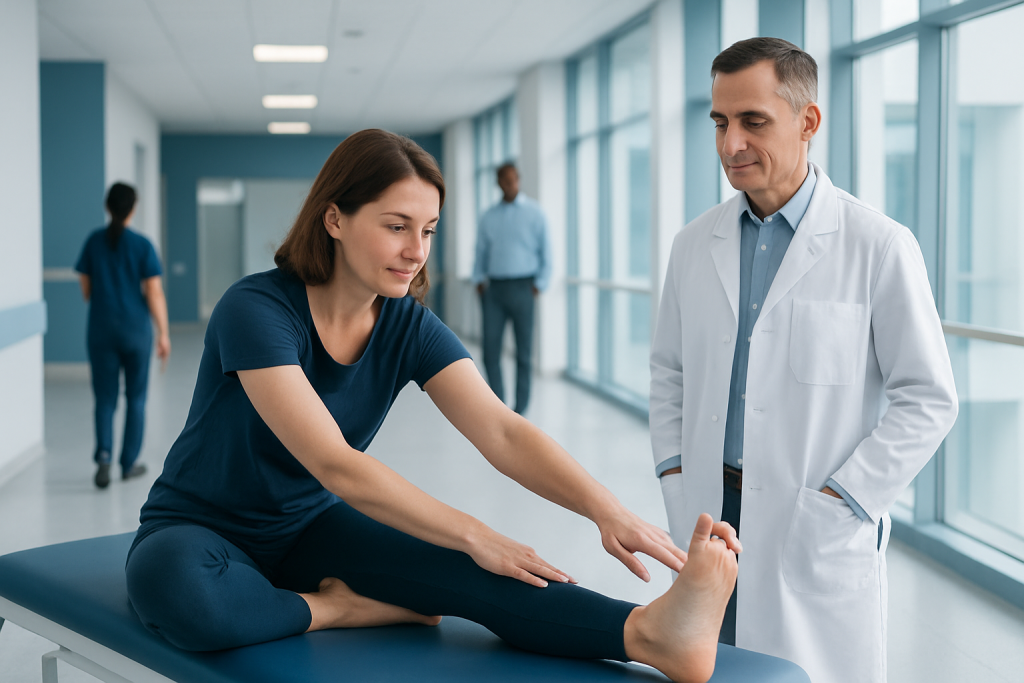
Leg stretches may improve flexibility and reduce the feeling of muscle tightness. Stretching works best when it is gentle, regular, and matched to a person’s needs and activity level.
Key Takeaways
- Leg stretches may improve flexibility and reduce the feeling of muscle tightness.
- Stretching works best when it is gentle, regular, and matched to a person’s needs and activity level.
- Pain during stretching is a warning sign; stretches should create mild tension, not sharp or worsening pain.
- Warm muscles respond better to stretching than cold muscles, so a brief warm-up is helpful.
- Persistent leg pain, swelling, weakness, or numbness should be assessed by a qualified doctor.
Leg stretches can help maintain flexibility, ease muscle tightness, and support comfortable movement when practiced correctly. Medical evidence suggests they are most useful as one part of an overall activity plan, rather than a cure-all for pain or injury prevention.
Overview: what leg stretches can and cannot do
Leg stretches are movements that lengthen muscles and soft tissues in the thighs, calves, hips, and around the knees and ankles. They can help improve flexibility, support range of motion, and reduce the sensation of stiffness after sitting, exercise, or daily activities. In most people, the main benefit is better comfort and mobility rather than dramatic medical change.
Medical evidence does not support every common claim about stretching. Leg stretches do not reliably prevent all sports injuries, remove lactic acid, or correct every cause of leg pain. However, they can be helpful for people who feel tightness in the hamstrings, quadriceps, calves, or hip muscles, especially when stretching is part of a broader routine that includes strength, balance, and regular movement.
Stretching should feel controlled and tolerable. A person may notice mild pulling or tension, but not sharp pain, sudden weakness, tingling, or joint instability. If discomfort is severe or symptoms keep returning, an underlying issue such as tendon irritation, joint disease, or nerve compression may need medical assessment, including evaluation for conditions such as a herniated disc or osteoarthritis.
How leg stretches affect the body
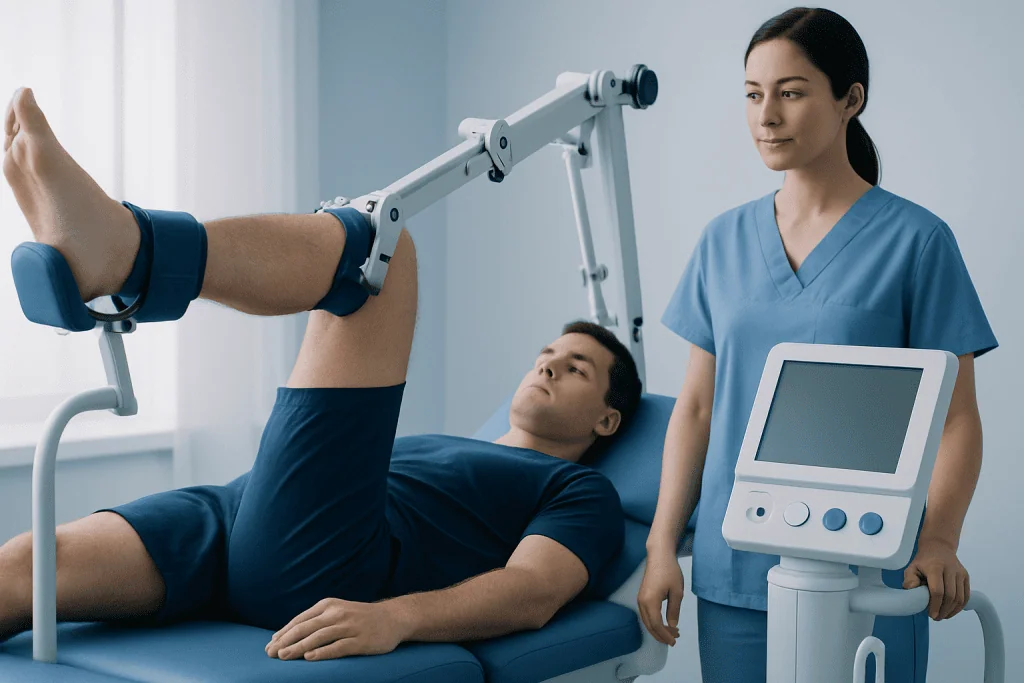
Stretching changes how muscles and connective tissues tolerate length and tension. In simple terms, it may help the nervous system accept a greater range of motion, which is why a stretch often feels easier over time. This is one reason regular practice tends to work better than occasional long sessions.
Research suggests that stretching can improve flexibility, especially when done consistently over weeks. For athletes and active adults, this may make certain movements feel smoother and less restricted. For older adults or people who sit for long periods, leg stretches may support day-to-day tasks such as walking, climbing stairs, or getting up from a chair more comfortably.
At the same time, stretching is only one tool. Tightness can be related to weakness, altered movement patterns, previous injury, arthritis, or nerve sensitivity. In those cases, stretching alone may not solve the problem. A more complete approach may include physical therapy and rehabilitation to assess flexibility, strength, posture, and movement habits together.
Common types of leg stretches
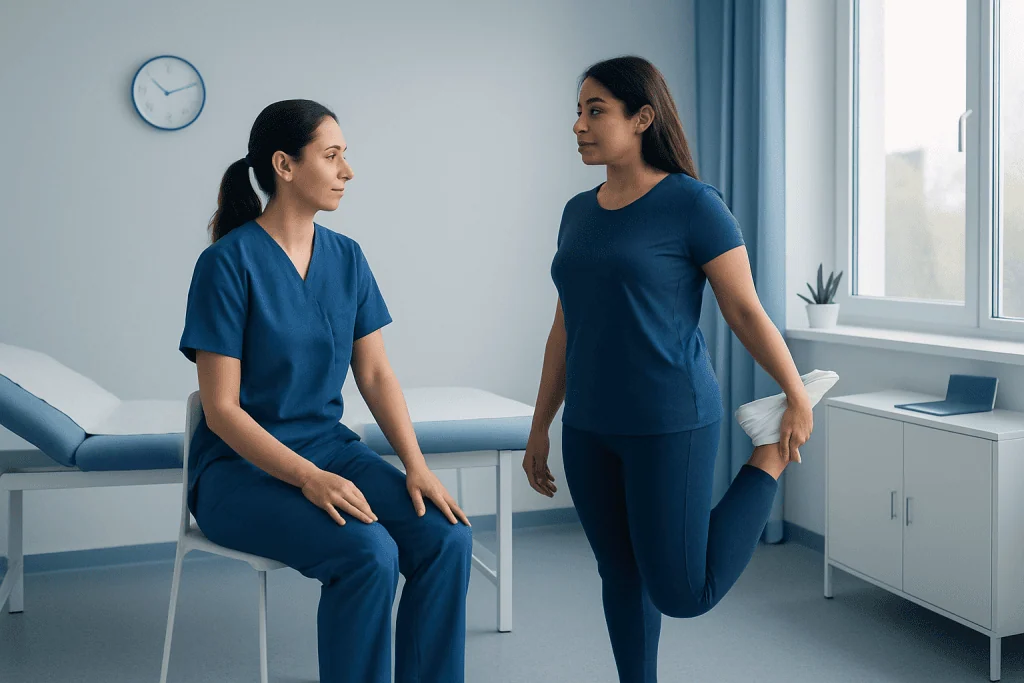
Several forms of leg stretches are commonly used. Static stretching means moving into a position and holding it for a short period. This is often used after activity or during flexibility sessions. Dynamic stretching uses controlled movement through a comfortable range and is often preferred before exercise because it helps prepare muscles without long holds.
The main muscle groups people target include the hamstrings at the back of the thigh, quadriceps at the front of the thigh, calf muscles in the lower leg, hip flexors at the front of the hip, and inner thigh muscles. Stretch selection should match the person’s symptoms and goals. Someone who feels calf tightness after walking may need a different approach from someone who sits all day and feels hamstring stiffness.
Examples of commonly used leg stretches include:
- Hamstring stretch done lying down with a strap or towel
- Standing quadriceps stretch while holding a stable support
- Calf stretch against a wall with the heel on the floor
- Hip flexor stretch in a gentle lunge position
- Seated or supine inner thigh stretch performed without forcing the knees down
Technique matters more than intensity. Smooth breathing, good balance, and a steady position are usually safer and more effective than bouncing or pushing into discomfort.
When stretching helps most
Leg stretches are often most helpful for people who feel routine muscle tightness rather than active injury. This includes stiffness after prolonged sitting, reduced flexibility related to aging, or mild post-exercise tightness. In these settings, regular stretching may improve comfort and make movement feel less restricted.
They may also support exercise programs by helping people move through tasks more comfortably. For example, a person beginning a walking plan or strength program may tolerate activity better if tight calves, hips, or hamstrings are addressed. Stretching may be especially useful when paired with strengthening of the hips, thighs, and core, because flexibility and strength often work together.
In rehabilitation, stretching can be part of recovery after some musculoskeletal problems, but it should be individualized. People with ongoing knee or spine symptoms may need a tailored plan rather than generic online routines. Depending on the cause, care may include orthopedic rehabilitation or a specialist review if there is concern about joint, tendon, or nerve involvement.
Myths, limitations, and safety points
A common myth is that more stretching is always better. In reality, excessive or aggressive stretching can irritate muscles, tendons, or joints, especially if a person is already inflamed or hypermobile. Stretching should not be used to push through pain from a suspected strain, tendon injury, or acute swelling.
Another myth is that stretching before exercise automatically prevents injury. Current evidence is mixed. A brief warm-up with light activity and dynamic movement is often more useful before sport than long static stretching alone. Static stretching may still have a place, but it should be chosen based on the activity and the person’s needs.
There are also situations where stretching should be modified or avoided until medical advice is given. These include recent trauma, sudden severe calf pain, visible swelling, redness, fever, a suspected fracture, or new numbness and weakness. People with back-related leg pain, including symptoms that may reflect sciatica, may worsen symptoms if they use the wrong stretch.
Good safety habits include warming up first, avoiding bouncing, using stable support if standing, and stopping if symptoms spread, intensify, or persist afterward. A qualified clinician can help determine whether tightness is the main issue or whether another condition needs attention.
Practical guidance for a safe leg stretching routine
A practical leg stretching routine is usually simple. A person can begin after a few minutes of walking, cycling, or other light movement so the muscles are warm. Each stretch should be done slowly until mild tension is felt, then held in a calm, controlled way without straining. Breathing steadily often helps reduce guarding.
Consistency matters more than intensity. Many people benefit from stretching several times a week rather than doing occasional very long sessions. It is reasonable to focus on the areas that actually feel tight, such as calves after running or hip flexors after desk work, instead of stretching every muscle every day. If a stretch causes joint pinching, cramping, or lingering soreness, the position may need adjustment.
A balanced routine may include:
- A short warm-up before stretching
- Gentle hamstring, quadriceps, calf, and hip stretches
- Strengthening for the glutes, thighs, and core
- Rest days or lighter days if tissues feel irritated
- Medical review if symptoms do not improve
For people recovering from injury, surgery, or chronic pain, supervised care may be safer than self-directed stretching. Near the end of a care pathway, Acibadem International’s multidisciplinary specialists in JCI-accredited hospitals can assess leg pain and mobility problems for international patients when a personalized plan is needed.
When to seek medical care
Most mild muscle tightness improves with rest, gradual stretching, and sensible activity. However, a person should seek medical advice if leg symptoms are persistent, repeatedly limit activity, or do not improve with self-care. Stretching should not replace assessment when there may be a structural or neurological cause.
Medical review is especially important if there is swelling in one leg, sudden calf pain, redness, warmth, severe tenderness, or pain after a significant injury. Numbness, tingling, weakness, loss of balance, or pain radiating from the lower back also deserve attention. In some cases, doctors may recommend imaging or other tests, and treatment may involve orthopedic care depending on the diagnosis.
Professional help is also appropriate when a person is unsure which stretches are safe. This includes older adults with balance problems, people with previous joint replacement or spinal disease, and athletes trying to return to sport after injury. A clinician can guide timing, technique, and any needed restrictions.
Frequently asked questions
Are leg stretches good for everyone?
Leg stretches are helpful for many people, especially those with mild tightness or reduced flexibility. They are not ideal in every situation, such as acute injury, severe pain, or unexplained swelling, so symptoms and medical history matter.
Should leg stretches be done before or after exercise?
It depends on the type of stretching and the activity. Gentle dynamic movements are often more suitable before exercise, while static stretching is commonly used after activity or in separate flexibility sessions.
How long should a leg stretch be held?
There is no single perfect number for every person, but stretches are usually held briefly and comfortably rather than forced. The key is to feel mild tension without pain and to repeat the routine regularly over time.
Can leg stretches prevent injury?
Stretching alone does not reliably prevent all injuries. Injury risk is influenced by many factors, including strength, workload, technique, recovery, sleep, and previous injury history.
Why do leg stretches sometimes hurt?
A stretch may hurt if it is too intense, if the tissue is irritated, or if the pain is coming from a joint, tendon, or nerve rather than a tight muscle. Sharp pain, tingling, or pain that lingers afterward is a sign to stop and seek advice if needed.
Can stretching help with sciatica or back-related leg pain?
Sometimes, but not always. Back-related leg pain can worsen with certain movements, so the best exercises depend on the exact cause and should ideally be guided by a doctor or physical therapist.
This article is for general information only and is not a substitute for professional medical advice. Please consult a qualified doctor about your individual situation.
Explore treatments in Turkey — costs, top hospitals & a free quote
JCI-accredited · board-certified surgeons · reply within 24h
Add us as a Preferred Source to see more of our trusted health content across Google Search, AI Overviews and Discover.

More from the Health Library

Visual Disturbances Floaters: What Patients Need to Know

Milk Thistle: A Complete Medical Overview

Reddish Colour Stool: An Evidence-Based Guide for Patients

Breech Baby: An Evidence-Based Guide for Patients

Symptoms of stomach bleeding: A Complete Medical Guide for Patients