Legionnaires Disease: Diagnosis, Outlook, and Modern Treatment Approaches

Legionnaires disease is a bacterial pneumonia caused by Legionella, not a viral cold or flu. Early diagnosis usually involves a clinical exam, chest imaging, and tests such as a urinary antigen test and respiratory samples.
Key Takeaways
- Legionnaires disease is a bacterial pneumonia caused by Legionella, not a viral cold or flu.
- Early diagnosis usually involves a clinical exam, chest imaging, and tests such as a urinary antigen test and respiratory samples.
- Treatment relies on antibiotics and, when needed, hospital-based supportive care such as oxygen and fluids.
- Older adults, smokers, and people with chronic lung disease or weakened immunity have a higher risk of severe illness.
- Prevention focuses on proper maintenance of water systems rather than person-to-person isolation in most cases.
Legionnaires disease is a serious form of pneumonia caused by Legionella bacteria, most often spread through inhaled water droplets from contaminated man-made water systems. With prompt diagnosis, appropriate antibiotics, and supportive care, many people recover well, although the outlook depends on age, overall health, and how severe the infection is at presentation.
Overview: what legionnaires disease is and how it is treated
Legionnaires disease is a serious lung infection caused by Legionella bacteria. It is a type of pneumonia that usually develops after a person breathes in tiny droplets of water containing the bacteria, often from contaminated plumbing, cooling towers, hot tubs, or large building water systems. It is not usually spread from one person to another.
Most people need prompt antibiotic treatment, and some also need hospital care for oxygen, fluids, or monitoring. The outlook is often good when the infection is recognized early, but recovery can take time, especially in older adults and people with other medical conditions.
Because legionnaires disease can resemble other forms of pneumonia at first, diagnosis depends on combining symptoms, imaging, and laboratory tests. Modern care aims not only to confirm the infection quickly but also to identify complications early and support breathing and hydration while antibiotics begin to work.
Symptoms and how the illness may begin
Symptoms of legionnaires disease often begin 2 to 10 days after exposure, although timing can vary. Early symptoms may feel similar to the flu or another chest infection, which is one reason some people do not seek care right away.
Common symptoms include:
- Fever and chills
- Cough, which may be dry or produce mucus
- Shortness of breath
- Chest discomfort
- Muscle aches
- Headache
- Fatigue or unusual weakness
Some people also develop symptoms outside the lungs, such as nausea, vomiting, diarrhea, confusion, or poor appetite. This combination of breathing symptoms and whole-body symptoms can be a clue that the pneumonia may be caused by Legionella rather than by some other germs.
Severity varies. A younger, otherwise healthy person may have a milder course, while an older adult or someone with underlying disease can become unwell quickly. Any pneumonia symptoms that worsen over hours to days deserve timely medical assessment.
Causes, exposure sources, and risk factors

Legionnaires disease is caused by Legionella bacteria, most commonly Legionella pneumophila. These bacteria live naturally in freshwater environments, but illness usually happens when they grow in man-made water systems where water is warm and stagnant enough to support growth.
Potential exposure sources include large plumbing systems, hotel or hospital water systems, air-conditioning cooling towers, decorative fountains, spas, hot tubs, and some respiratory therapy equipment if strict cleaning standards are not maintained. Infection occurs when contaminated water droplets are inhaled deep into the lungs. Drinking contaminated water is less commonly a cause, except in situations where it enters the airway by choking or aspiration.
Some people are more likely to become seriously ill after exposure. Risk factors include:
- Age over 50
- Current or past smoking
- Chronic lung disease such as COPD
- Weakened immune system
- Cancer treatment or immunosuppressive medicines
- Diabetes, kidney disease, or severe heart disease
- Recent hospitalization or major surgery
Legionnaires disease is different from a milder illness called Pontiac fever, which is also linked to Legionella exposure but does not cause pneumonia. In clinical practice, doctors mainly focus on identifying whether the patient has developed a true lower respiratory infection that needs antibiotic treatment and close follow-up.
How diagnosis is confirmed
Doctors diagnose legionnaires disease by looking at the whole picture: symptoms, physical examination, oxygen levels, chest imaging, and laboratory testing. Because it is a form of pneumonia, a chest X-ray or sometimes a CT scan usually shows signs of lung infection, but imaging alone cannot prove the exact cause.
A urinary antigen test is commonly used because it can provide a relatively fast clue to Legionella infection, especially for the most common strain. Respiratory samples, such as sputum, may be sent for culture or molecular testing to identify the bacteria more precisely. Blood tests may help assess inflammation, kidney function, electrolytes, and the severity of illness.
Doctors also evaluate whether the infection is causing complications, such as low oxygen levels, dehydration, confusion, or spread of inflammation beyond the lungs. This may involve pulse oximetry, arterial blood gas testing in selected cases, and repeat imaging if symptoms are severe or not improving.
Because legionnaires disease is one cause of pneumonia, clinicians often compare it with other bacterial and viral infections before confirming the diagnosis. If a person is sick enough to need admission, assessment may take place in a respiratory medicine or intensive care setting so treatment can begin without delay.
Modern treatment approaches and hospital care
The main treatment for legionnaires disease is antibiotics that are effective against Legionella bacteria. Doctors choose the antibiotic based on the person’s age, overall health, severity of infection, possible drug interactions, and whether treatment is given at home or in the hospital. It is important to start appropriate therapy promptly when the disease is suspected, even before all test results are finalized.
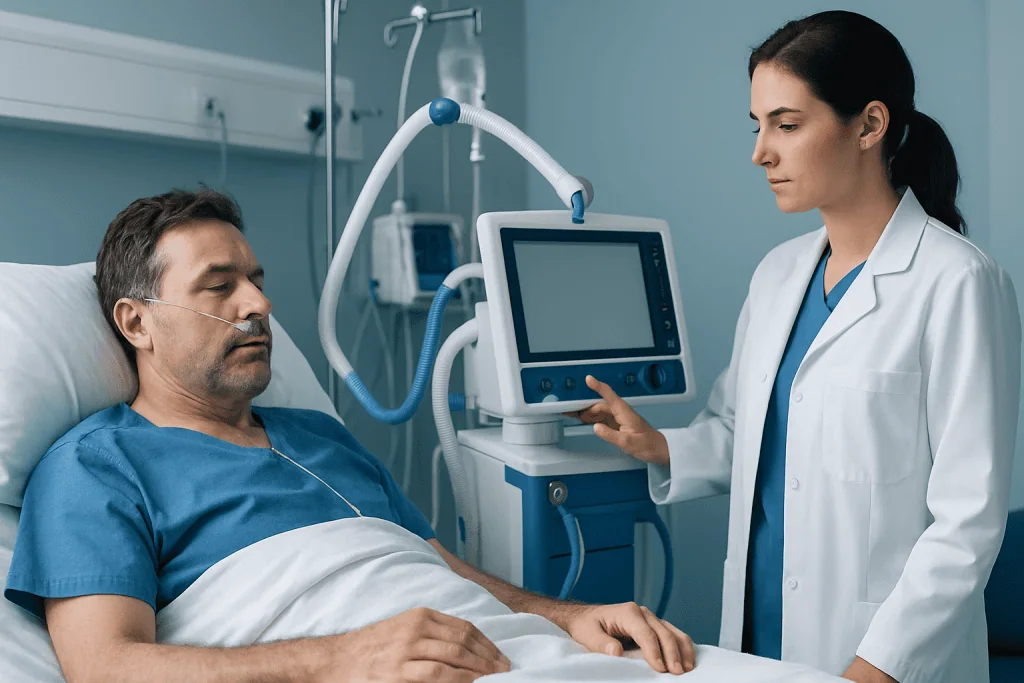
Supportive care is also a key part of modern treatment. Many patients need rest, fluids, fever control, and close monitoring. If breathing is affected, hospital care may include oxygen therapy, intravenous fluids, and observation for changes in blood pressure, kidney function, or mental status. In severe cases, advanced respiratory support may be needed, including mechanical ventilation for temporary breathing assistance.
Recovery does not always happen immediately after the fever falls. Cough, tiredness, reduced exercise tolerance, and general weakness can continue for days to weeks, and some people need a gradual return to normal activity. Follow-up may include repeat examination, assessment of lingering symptoms, and occasionally repeat chest imaging if recovery is slow.
When complications such as severe respiratory failure, sepsis, or worsening underlying lung disease are present, treatment may involve a broader team that includes pulmonology, infectious diseases, and critical care specialists. For selected patients with significant breathing problems, respiratory therapy can help support airway clearance and oxygenation as part of recovery.
Outlook, recovery, and possible complications
The outlook for legionnaires disease depends on how early treatment starts, how extensive the pneumonia is, and whether the person has major risk factors such as advanced age, smoking history, chronic illness, or a weakened immune system. Many people improve with timely care, but severe cases can become life-threatening and require intensive support.
Complications may include respiratory failure, severe dehydration, sepsis, kidney problems, or worsening of pre-existing heart and lung disease. Confusion and weakness can be especially noticeable in older adults. Even after the infection is controlled, full recovery may take longer than expected.
People often ask whether the lungs return to normal. In many cases they do, but the timeline varies. Some patients feel much better within a few weeks, while others notice lingering fatigue or cough for longer and benefit from follow-up with a respiratory specialist, especially if there is a history of COPD or another chronic lung condition.
Near the end of recovery, the focus shifts from acute infection control to rebuilding strength, hydration, sleep, and activity tolerance. At Acibadem International, multidisciplinary specialists in JCI-accredited hospitals evaluate and treat international patients with complex infections and pneumonia-related complications when specialist care is needed.
Prevention and self-care after diagnosis
Preventing legionnaires disease is mainly a matter of water system safety rather than individual hygiene. Building owners and healthcare facilities play a major role by maintaining hot and cold water systems properly, controlling water temperature, cleaning cooling towers, and reducing stagnant water where bacteria can grow.
For individuals, the most practical steps are to avoid smoking, manage chronic illnesses well, and pay attention to respiratory symptoms after travel or exposure to poorly maintained water environments. People at higher risk, such as older adults and those with weakened immunity, may benefit from being especially cautious around spas, hot tubs, or settings where water aerosol exposure seems poorly controlled.
Self-care after diagnosis should support recovery but not replace medical treatment. Helpful measures can include:
- Taking prescribed medicines exactly as directed
- Drinking enough fluids unless a doctor has advised otherwise
- Resting and returning to activity gradually
- Avoiding smoking and secondhand smoke
- Attending follow-up appointments if symptoms persist
If symptoms are not improving, or if cough, breathlessness, or fatigue remain significant, doctors may reassess for complications or for another overlapping lung problem such as bronchitis or a different pneumonia organism.
When to seek medical care
Medical care should be sought promptly for fever, cough, chest pain, or shortness of breath that seems more severe than a typical cold, especially if symptoms follow recent travel, a hotel stay, hospital exposure, or use of a hot tub or spa. This is particularly important for older adults, smokers, and anyone with chronic lung disease or a weakened immune system.
Urgent care is needed right away if a person has trouble breathing, bluish lips, confusion, severe weakness, fainting, dehydration, or symptoms that worsen rapidly. These can be signs of serious pneumonia or low oxygen levels.
Even after treatment has started, medical review is important if fever persists, breathing becomes harder, or new symptoms appear. A qualified doctor can decide whether the person needs further testing, a change in treatment, or hospital monitoring.
Frequently asked questions
Is legionnaires disease contagious?
Legionnaires disease is not usually spread from person to person. Most infections happen when someone breathes in contaminated water droplets from a building or device water system.
How is legionnaires disease different from regular pneumonia?
Legionnaires disease is a specific type of bacterial pneumonia caused by Legionella. It may look similar to other pneumonias at first, but it often includes symptoms such as diarrhea, confusion, or high fever and requires antibiotics that specifically cover this bacterium.
How long does recovery usually take?
Recovery time varies widely depending on age, overall health, and how severe the infection was. Some people improve within days after treatment begins, while tiredness, cough, and reduced stamina can last for several weeks or longer.
Can legionnaires disease be treated at home?
Milder cases may sometimes be managed at home with close medical supervision and prescribed antibiotics. However, many people need hospital care, especially if they have low oxygen levels, dehydration, confusion, or other health conditions that increase risk.
What test is most commonly used to diagnose legionnaires disease?
A urinary antigen test is commonly used because it can quickly detect a common type of Legionella infection. Doctors may also order sputum testing, blood tests, and chest imaging to confirm the diagnosis and assess severity.
Who is most at risk of severe illness?
Older adults, smokers, people with chronic lung disease, and those with weakened immune systems are at higher risk. People with diabetes, kidney disease, cancer, or recent hospitalization may also have a greater chance of severe infection.
References
- Centers for Disease Control and Prevention
- World Health Organization
- National Institute for Health and Care Excellence
- American Thoracic Society
- European Centre for Disease Prevention and Control
This article is for general information only and is not a substitute for professional medical advice. Please consult a qualified doctor about your individual situation.
Explore treatments in Turkey — costs, top hospitals & a free quote
JCI-accredited · board-certified surgeons · reply within 24h
Add us as a Preferred Source to see more of our trusted health content across Google Search, AI Overviews and Discover.