Leukemia: Early Signs, Risk Factors, and How It Is Treated
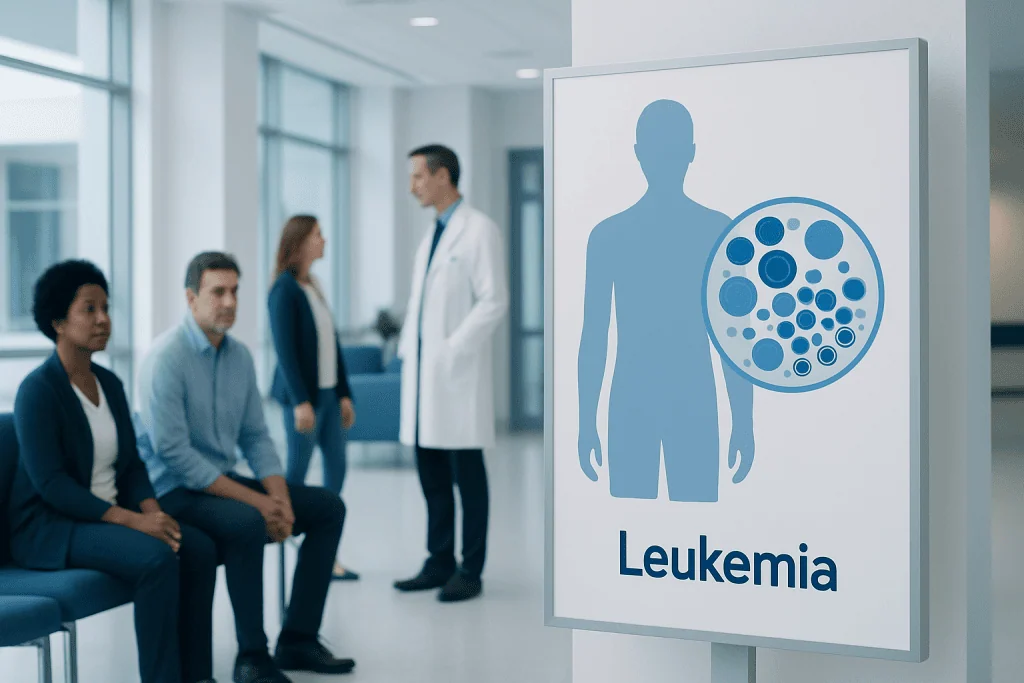
Leukemia begins in the bone marrow and affects how blood cells are made. Symptoms may include fatigue, frequent infections, easy bruising, bleeding, fever, and swollen lymph nodes.
Key Takeaways
- Leukemia begins in the bone marrow and affects how blood cells are made.
- Symptoms may include fatigue, frequent infections, easy bruising, bleeding, fever, and swollen lymph nodes.
- There are acute and chronic forms, and treatment depends on the exact leukemia subtype.
- Diagnosis usually involves blood tests, bone marrow testing, and specialized genetic studies.
- Many people need a combination of medicine-based treatment and supportive care.
- Persistent or unexplained symptoms should be assessed by a qualified doctor.
Leukemia is a cancer of the blood-forming tissues, usually beginning in the bone marrow and leading to abnormal white blood cells. Early signs can be vague, but timely diagnosis helps doctors identify the type and choose treatment such as chemotherapy, targeted therapy, immunotherapy, or stem cell transplant.
What leukemia is and why it happens
Leukemia is a cancer that affects the blood and bone marrow, the soft tissue inside bones where blood cells are made. In leukemia, the body produces abnormal white blood cells that do not work properly and can crowd out healthy blood cells. This can reduce the number of normal red blood cells, platelets, and infection-fighting cells.
The term leukemia describes a group of related diseases rather than one single illness. Doctors classify it by how quickly it develops and by which type of blood cell is affected. Acute leukemia tends to grow quickly and usually needs prompt treatment, while chronic leukemia may progress more slowly and in some cases is monitored before treatment starts.
The main types include acute lymphoblastic leukemia, acute myeloid leukemia, chronic lymphocytic leukemia, and chronic myeloid leukemia. Each behaves differently and may require a different treatment plan. This is why precise diagnosis is such an important step in care.
Early signs and symptoms of leukemia
Early signs of leukemia can be subtle and may resemble common illnesses. Many people first notice ongoing tiredness, weakness, fever, night sweats, frequent infections, or feeling short of breath more easily than usual. Because these symptoms are not specific, leukemia may not be suspected right away.
As abnormal blood cells build up, other symptoms can appear. A person may bruise easily, have nosebleeds or bleeding gums, notice tiny red spots on the skin, or feel unusually pale. Bone or joint pain can develop, especially when the bone marrow becomes crowded with leukemia cells.
Some people also develop swollen lymph nodes, abdominal fullness from an enlarged spleen or liver, or unintentional weight loss. Chronic leukemias may cause very mild symptoms at first and are sometimes found during routine blood tests. Symptoms vary by subtype, age, and overall health, so medical assessment is needed to understand the cause.
- Persistent fatigue or weakness
- Frequent or unusual infections
- Easy bruising or bleeding
- Fever or night sweats
- Bone pain or joint discomfort
- Swollen lymph nodes or abdominal fullness
Types, causes, and risk factors

Leukemia develops when genetic changes occur in blood-forming cells in the bone marrow. These changes allow abnormal cells to grow and survive when they should not. In most cases, doctors cannot point to a single cause for one individual, and having a risk factor does not mean a person will definitely develop leukemia.
Risk factors differ by leukemia type. They may include older age, certain inherited genetic syndromes, previous cancer treatment with chemotherapy or radiation, smoking, and long-term exposure to some chemicals such as benzene. A weakened immune system can also raise risk in some situations.
Family history may play a role in a small number of cases, especially with some chronic leukemias, but most people diagnosed do not have a strong family history. Certain blood disorders can increase the chance of developing leukemia over time. For related background, doctors may also consider conditions such as lymphoma or bone marrow disorders when evaluating symptoms and test results.
Leukemia is not contagious and cannot be passed from person to person. It can occur in children and adults, although the patterns differ by age. Understanding the specific subtype helps guide outlook and treatment choices much more accurately than the general term leukemia alone.
How leukemia is diagnosed
Diagnosis begins with a medical history, physical examination, and blood tests. A complete blood count can show abnormal numbers of white cells, red cells, or platelets, while a blood smear lets specialists look at the shape and maturity of the cells. These tests often provide the first clue that leukemia may be present.
To confirm the diagnosis, doctors usually perform a bone marrow aspiration and biopsy. This test examines marrow cells directly and helps identify the exact leukemia type. Additional studies such as flow cytometry, cytogenetic testing, and molecular testing can detect specific markers or genetic changes that influence prognosis and treatment decisions.
Imaging tests are not always the main tool for diagnosis, but they may help assess complications or enlarged organs. Some people also need a lumbar puncture if doctors suspect that leukemia cells have involved the nervous system. These steps allow the care team to stage the disease in a practical way and tailor treatment to the individual.
Because blood cancers can overlap in appearance, a specialized hematology and oncology evaluation is often important. In some cases, the diagnostic process also distinguishes leukemia from other serious blood conditions such as multiple myeloma.
How leukemia is treated
Leukemia treatment depends on the subtype, genetic features, age, overall health, and how advanced the disease is at diagnosis. Common treatment options include chemotherapy, targeted therapy, immunotherapy, and in selected cases radiation therapy. Some chronic leukemias can initially be monitored closely, a strategy often called active surveillance or watchful waiting.
Chemotherapy uses medicines to destroy fast-growing leukemia cells and is still a cornerstone for many acute leukemias. Targeted therapy works differently by blocking specific molecules or pathways in cancer cells. Immunotherapy helps the immune system recognize and attack leukemia cells, and some patients may benefit from newer cell-based approaches depending on the subtype and treatment setting.
For people with high-risk disease or relapse, a bone marrow transplant or stem cell transplant may be recommended. This approach replaces diseased marrow with healthy blood-forming cells after intensive treatment. Supportive care is also essential and may include blood transfusions, antibiotics, treatment for side effects, and medicines to reduce complications.
Some patients may receive treatment through a comprehensive chemotherapy program together with targeted medicines and close monitoring. Treatment often occurs in phases, especially in acute leukemia, and regular follow-up helps doctors measure response and adjust the plan over time.
Living with leukemia: monitoring, prevention, and self-care
There is no guaranteed way to prevent leukemia, and many people who develop it have no clear avoidable cause. Still, general health measures may help lower risk in some cases. Avoiding tobacco, limiting exposure to harmful chemicals when possible, and following workplace safety guidance are sensible steps.
For people diagnosed with leukemia, self-care does not replace medical treatment but can support overall well-being. Rest, balanced nutrition, staying hydrated, and infection precautions are especially important during treatment. Doctors may advise avoiding crowded settings or sick contacts when immunity is low, and patients should ask before receiving vaccines or supplements.
Emotional support also matters. A diagnosis of leukemia can affect daily routines, work, family life, and mental health. Clear communication with the care team, practical planning, and support from loved ones or counseling services can help patients cope with treatment and recovery.
Long-term monitoring is a key part of care, even after treatment ends. Follow-up visits may include blood tests, bone marrow assessment in some cases, and review of late effects or recurrence. Near the end of the care journey, some international patients choose centers such as Acibadem International, where multidisciplinary specialists in JCI-accredited hospitals diagnose and treat leukemia and related blood cancers.
When to seek medical care
A person should seek medical care if symptoms such as unexplained fatigue, fever, recurrent infections, easy bruising, persistent bleeding, or swollen lymph nodes do not improve or keep returning. While these symptoms often have causes other than leukemia, they deserve medical attention when they are persistent, worsening, or unexplained.
More urgent assessment is needed for heavy bleeding, shortness of breath, chest pain, severe weakness, confusion, or signs of serious infection such as high fever with chills. People already being treated for leukemia should follow their care team’s instructions about when to call urgently or go to emergency care.
Prompt evaluation does not always mean a serious diagnosis, but it does help identify the cause and start the right care sooner. If leukemia is suspected, referral to a hematology specialist can clarify the diagnosis and discuss treatment options in a structured, evidence-based way.
Frequently asked questions
What is the first sign of leukemia?
There is not one single first sign of leukemia for everyone. Early symptoms are often vague and may include tiredness, frequent infections, fever, easy bruising, or feeling short of breath. Because these symptoms are common in many illnesses, a doctor usually needs blood tests to investigate further.
Is leukemia curable?
Some forms of leukemia can be cured, while others can be controlled for long periods with modern treatment. The outlook depends on the exact subtype, genetic findings, age, and response to therapy. A specialist can explain what treatment goals are most realistic in an individual case.
How is leukemia different from lymphoma?
Leukemia usually starts in the bone marrow and often shows up in the blood, while lymphoma typically begins in the lymphatic system such as lymph nodes. Both are cancers of blood-forming or immune cells, but they behave differently and are treated in different ways. Accurate testing is needed to distinguish them.
Can a routine blood test detect leukemia?
A routine complete blood count may raise suspicion of leukemia by showing abnormal blood cell levels. However, it usually cannot define the exact type on its own. Confirmation often requires bone marrow testing and specialized laboratory studies.
What causes leukemia?
Leukemia develops when genetic changes occur in blood-forming cells, allowing abnormal cells to grow out of control. In most people, there is no single known cause. Risk factors can include age, smoking, certain chemical exposures, previous cancer treatment, and some inherited conditions.
Does leukemia always need treatment right away?
No. Acute leukemias often need prompt treatment, but some chronic leukemias can be monitored for a time before therapy begins. The decision depends on the type of leukemia, symptoms, blood counts, and how active the disease appears.
References
- World Health Organization
- National Cancer Institute
- American Cancer Society
- Leukemia & Lymphoma Society
- National Comprehensive Cancer Network
This article is for general information only and is not a substitute for professional medical advice. Please consult a qualified doctor about your individual situation.
Leukemia in Turkey — costs, top hospitals & a free quote
JCI-accredited · board-certified surgeons · reply within 24h
Add us as a Preferred Source to see more of our trusted health content across Google Search, AI Overviews and Discover.

Medical Oncology Department
Medical treatment of cancer with chemotherapy, immunotherapy and targeted therapies under a multidisciplinary tumor board.
60 specialists in this unit