Leukemia Treatment Options Explained: Chemotherapy, Targeted Therapy, and Transplant

Leukemia is treated based on its subtype, such as acute or chronic leukemia and the specific blood cell involved. Chemotherapy remains a major treatment, but targeted therapies and immunotherapies have expanded options for many patients.
Key Takeaways
- Leukemia is treated based on its subtype, such as acute or chronic leukemia and the specific blood cell involved.
- Chemotherapy remains a major treatment, but targeted therapies and immunotherapies have expanded options for many patients.
- Stem cell transplant may be recommended for higher-risk disease, relapse, or when a deeper long-term remission is needed.
- Treatment plans are individualized and may include supportive care to manage infections, anemia, bleeding, and side effects.
- Regular follow-up helps doctors monitor response, detect relapse early, and manage long-term health after treatment.
Leukemia treatment options vary by the exact type of leukemia, the person’s age, overall health, and how advanced the disease is. Common approaches include chemotherapy, targeted therapy, immunotherapy, radiation therapy, and stem cell transplant, often used in carefully planned combinations.
Overview of Leukemia Treatment
Leukemia is a cancer of the blood-forming tissues, including the bone marrow and blood. It develops when abnormal white blood cells grow in an uncontrolled way and interfere with the production of healthy blood cells. Because leukemia is not a single disease, treatment is never one-size-fits-all. Doctors first identify the exact type, such as acute lymphoblastic leukemia (ALL), acute myeloid leukemia (AML), chronic lymphocytic leukemia (CLL), or chronic myeloid leukemia (CML), and then build a treatment plan around that diagnosis.
Leukemia treatment options can include chemotherapy, targeted therapy, immunotherapy, radiation therapy, and stem cell transplant. Some people need treatment right away, especially with acute leukemias, which tend to progress quickly. Others, particularly some people with chronic leukemia, may not need immediate treatment and can be monitored with a strategy called active surveillance or watchful waiting.
The main goals of treatment are to destroy leukemia cells, restore healthy blood cell production, control symptoms, and reduce the risk of relapse. In many cases, treatment happens in phases. For example, acute leukemia treatment often starts with an intensive phase to induce remission, followed by additional therapy to lower the chance that the leukemia returns.
Care is usually provided by a multidisciplinary team that may include hematologists, medical oncologists, transplant specialists, nurses, pathologists, radiologists, and supportive care experts. This team approach helps patients receive treatment that addresses both the leukemia itself and the physical and emotional effects of therapy.
How Doctors Choose the Best Treatment Plan
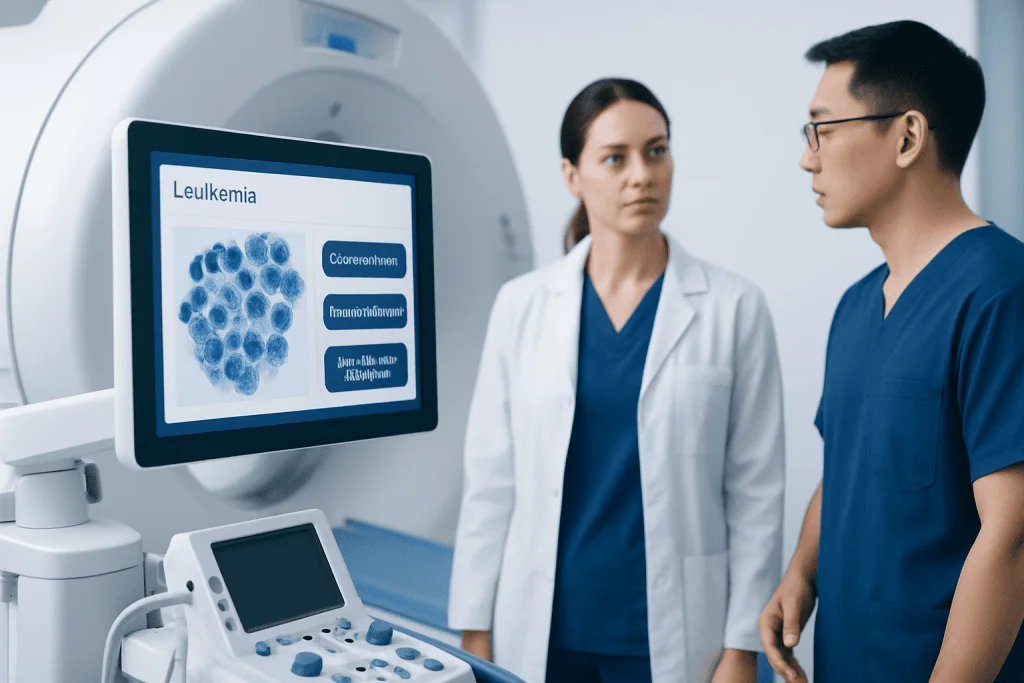
Choosing among leukemia treatment options depends on several factors. The most important is the exact subtype of leukemia. Acute leukemias generally require prompt and intensive treatment, while chronic leukemias may be managed over a longer period. Certain genetic or molecular changes in leukemia cells also play a major role, because some medicines are designed to target these changes directly.
Doctors also consider age, overall health, organ function, previous treatments, and whether the leukemia is newly diagnosed, in remission, or has relapsed. A person’s symptoms, blood counts, and how much the disease is affecting the bone marrow are also important. These details help the medical team estimate how aggressive the disease is and how likely it is to respond to different treatments.
Specialized tests on blood and bone marrow samples often guide treatment choices. These can include chromosome studies, molecular testing, and immunophenotyping. In CML, for example, identifying the BCR-ABL1 gene change is essential because it allows treatment with a targeted medicine. In AML and ALL, several gene changes can influence whether standard chemotherapy, newer targeted drugs, or stem cell transplant should be considered.
Patient preferences matter too. Some treatments require longer hospital stays, while others may be given mostly as outpatient therapy. Doctors aim to balance effectiveness with safety, quality of life, and the practical demands of treatment.
Chemotherapy for Leukemia

Chemotherapy uses medicines to kill fast-growing cancer cells. It has long been a central part of leukemia treatment, especially for acute leukemias. These medicines may be given through a vein, by mouth, or sometimes directly into the fluid around the brain and spinal cord when there is a risk of leukemia involving the central nervous system.
In acute leukemias, chemotherapy is often given in stages. The first phase, called induction therapy, aims to bring the disease into remission by reducing leukemia cells to very low or undetectable levels. This is often followed by consolidation or intensification therapy, which helps destroy remaining leukemia cells. Some patients also receive maintenance therapy, especially in ALL, to keep the leukemia under control over time.
Chemotherapy can also be used in chronic leukemias, although in some subtypes it has become less common as targeted treatments have improved. It may still play a role when the disease is progressing, when targeted medicines are not suitable, or when treatment combinations are needed. Some patients with relapsed or refractory disease receive chemotherapy again as part of salvage treatment before a transplant or another advanced therapy.
Because chemotherapy affects healthy fast-growing cells as well as leukemia cells, side effects can occur. Common effects include fatigue, nausea, mouth sores, hair loss, low blood counts, and a greater risk of infection or bleeding. Doctors monitor patients closely and provide supportive care such as antibiotics, blood transfusions, growth factors, and anti-nausea medicines to make treatment safer and more tolerable.
Targeted Therapy and Immunotherapy
Targeted therapy focuses on specific molecules or pathways that help leukemia cells grow. These medicines can be highly effective when a leukemia has a known genetic feature. For example, many people with CML and some with ALL benefit from drugs that block the abnormal protein produced by the BCR-ABL1 gene. Other targeted medicines are used for certain forms of AML or CLL when testing shows an appropriate mutation or signaling pathway.
Compared with traditional chemotherapy, targeted therapies may sometimes be more selective, but they can still cause side effects and require close follow-up. Depending on the drug, these may include swelling, diarrhea, rash, liver test changes, heart rhythm effects, or changes in blood counts. Regular blood tests and clinic visits are important to check how well treatment is working and whether it remains safe to continue.
Immunotherapy helps the body’s immune system recognize and attack leukemia cells. Different types are used in selected patients, including monoclonal antibodies, bispecific antibodies, and cellular therapies. In some situations, CAR T-cell therapy may be considered for relapsed or hard-to-treat leukemia, particularly certain forms of ALL. This treatment involves modifying a patient’s own immune cells to better target cancer cells.
Targeted and immune-based treatments have significantly changed care for many patients and may be used alone or with chemotherapy. They are often especially important when standard chemotherapy is unlikely to be enough or when a patient needs a more precise approach based on the biology of the leukemia.
Stem Cell Transplant and Other Advanced Treatments
A stem cell transplant, also called a bone marrow or hematopoietic stem cell transplant, is a treatment used in certain higher-risk leukemias. The purpose is to replace diseased bone marrow with healthy blood-forming stem cells after high-dose therapy. This can help the body make normal blood cells again and, in some cases, allow the donor immune system to attack remaining leukemia cells.
Not everyone with leukemia needs a transplant. It is more often considered for people whose disease has high-risk genetic features, does not respond well to first treatment, or comes back after remission. The decision depends on the leukemia subtype, remission status, age, overall health, and whether a suitable donor is available. Transplant can offer an important chance for long-term disease control, but it also carries serious risks, so the benefits and risks must be weighed carefully.
Before transplant, patients usually receive intensive treatment to reduce leukemia cells as much as possible. They then receive stem cells from a donor or, less commonly in leukemia, their own previously collected cells. Recovery takes time because the immune system and blood counts need to rebuild. During this period, patients are monitored closely for infection, bleeding, organ complications, and graft-versus-host disease.
Some patients may also receive radiation therapy as part of leukemia care. Radiation is not the main treatment for most leukemias, but it can be helpful in special situations, such as preparing for transplant or treating leukemia involvement in specific areas. If a person has related blood cancers or overlapping conditions, doctors may also evaluate and treat disorders such as lymphoma or multiple myeloma when clinically relevant.
Supportive Care, Side Effects, and Daily Living During Treatment
Supportive care is a vital part of leukemia treatment. Because leukemia and its treatments can reduce healthy blood cells, patients may need transfusions for anemia or low platelets, antibiotics for infection, and medicines to help prevent nausea or protect against complications. Careful management of side effects often allows treatment to continue more safely and comfortably.
Low white blood cell counts increase infection risk, so doctors may recommend hand hygiene, avoiding close contact with people who are ill, and reporting fever right away. Fatigue is also common and may improve with rest, light activity as tolerated, good nutrition, and treatment of contributing issues such as anemia. Some people notice appetite changes, taste changes, or emotional stress during therapy, and these should be discussed openly with the care team.
It can help to prepare for treatment by arranging practical support at home, understanding medication schedules, and keeping a list of symptoms or questions for appointments. Nutritionists, psychologists, social workers, and rehabilitation specialists may all be involved in care. For some patients, additional procedures such as apheresis are used in specific situations, for example to rapidly lower very high blood cell counts or collect cells for treatment.
Near the end of treatment and during follow-up, the focus shifts to recovery and monitoring. Doctors look for signs of remission, check for late effects, and help patients return to daily routines safely. At centers such as Acibadem International, multidisciplinary specialists in JCI-accredited hospitals diagnose and treat leukemia for international patients, including advanced therapies when appropriate.
Follow-Up Care and When to See a Doctor
Follow-up is an essential part of leukemia care, even after treatment is completed. Regular visits usually include physical exams, blood tests, and sometimes bone marrow evaluation. These checks help doctors confirm remission, monitor for relapse, and manage long-term effects such as fatigue, fertility concerns, bone health issues, heart effects, or ongoing immune system changes.
Patients should contact their medical team promptly if they develop fever, unusual bleeding or bruising, shortness of breath, chest pain, severe weakness, dehydration, confusion, or sudden worsening of symptoms. These can sometimes be signs of infection, low blood counts, blood clots, or treatment complications and should not be ignored. New symptoms do not always mean the leukemia has returned, but they deserve timely assessment.
Emotional recovery also matters. Anxiety about test results or recurrence is common, and many people benefit from counseling, support groups, or survivorship programs. Family members and caregivers may need guidance as well, especially after intensive treatment or transplant.
Anyone with questions about leukemia treatment options should speak with a qualified hematology or oncology specialist. Early expert evaluation can clarify the diagnosis, explain the available treatments, and help each person understand what to expect at every stage of care.
Frequently asked questions
What are the main leukemia treatment options?
The main leukemia treatment options include chemotherapy, targeted therapy, immunotherapy, radiation therapy, and stem cell transplant. The best choice depends on the leukemia subtype, genetic findings, age, overall health, and whether the disease is newly diagnosed or has returned.
Is chemotherapy always used for leukemia?
No. Chemotherapy is still very important, especially for many acute leukemias, but it is not always the only or first treatment. Some chronic leukemias are treated mainly with targeted medicines, and some patients may be monitored before treatment begins.
When is a stem cell transplant recommended for leukemia?
A stem cell transplant may be recommended when leukemia has high-risk features, does not respond well to first treatment, or comes back after remission. Doctors also consider age, general health, donor availability, and the expected benefits and risks before recommending transplant.
Can targeted therapy cure leukemia?
Targeted therapy can control leukemia very effectively and may lead to deep remissions in some patients. Whether it can cure leukemia depends on the specific subtype and the individual situation. Some people need long-term treatment, while others may also need transplant or combination therapy.
What side effects can leukemia treatment cause?
Side effects vary by treatment but may include fatigue, nausea, low blood counts, infections, bleeding, hair loss, mouth sores, or changes in appetite. Newer targeted or immune therapies can also cause specific effects that require close monitoring. The care team usually provides supportive treatments to reduce these problems.
How long does leukemia treatment last?
Treatment length depends on the type of leukemia and the therapies used. Acute leukemia treatment may involve several phases over months, while chronic leukemia treatment can continue for years. Follow-up care continues even after active treatment ends.
References
- World Health Organization
- National Cancer Institute
- American Cancer Society
- Leukemia & Lymphoma Society
- National Comprehensive Cancer Network
This article is for general information only and is not a substitute for professional medical advice. Please consult a qualified doctor about your individual situation.
Targeted Therapy in Turkey — costs, top hospitals & a free quote
JCI-accredited · board-certified surgeons · reply within 24h
Add us as a Preferred Source to see more of our trusted health content across Google Search, AI Overviews and Discover.

Medical Oncology Department
Medical treatment of cancer with chemotherapy, immunotherapy and targeted therapies under a multidisciplinary tumor board.
60 specialists in this unit