Life after Tongue Cancer Surgery: Procedure, Recovery and Results

Tongue cancer surgery may remove part or all of the tongue, sometimes with neck lymph node surgery and reconstruction. Speech, swallowing and nutrition support are central parts of recovery, not optional extras.
Key Takeaways
- Tongue cancer surgery may remove part or all of the tongue, sometimes with neck lymph node surgery and reconstruction.
- Speech, swallowing and nutrition support are central parts of recovery, not optional extras.
- Healing occurs in stages, with early wound recovery followed by months of functional rehabilitation.
- Prognosis depends mainly on cancer stage, lymph node involvement, tumor features and response to treatment.
- New or persistent symptoms after treatment should be assessed promptly by the cancer care team.
Life after tongue cancer surgery can include temporary changes in speech, swallowing, eating and appearance, but rehabilitation and regular follow-up help many people regain important daily functions. Recovery varies with the amount of tongue removed, reconstructive surgery, lymph node treatment and whether radiotherapy or chemotherapy is needed.
Overview: Life After Tongue Cancer Surgery
Life after tongue cancer surgery is different for each person, but the care plan usually focuses on three priorities: removing the cancer safely, helping the mouth and throat heal, and restoring speech and swallowing as much as possible. Some people have a small area of the tongue removed and return to many usual activities relatively quickly. Others need more extensive surgery, reconstruction and longer rehabilitation.
The tongue is important for speaking clearly, moving food in the mouth, swallowing and tasting food. Changes after surgery depend on the size and location of the tumor, how much tissue is removed, whether lymph nodes in the neck are treated, and whether radiotherapy or chemotherapy is recommended. A multidisciplinary head and neck cancer team can help people prepare for these changes before treatment begins.
Follow-up is a long-term part of care. It allows the team to check healing, manage treatment effects, support nutrition and monitor for recurrence or a new cancer. Recovery can be gradual, and the need for speech-language therapy, dietary adjustments or emotional support is common and appropriate.
How Tongue Cancer Surgery Works and Who May Need It
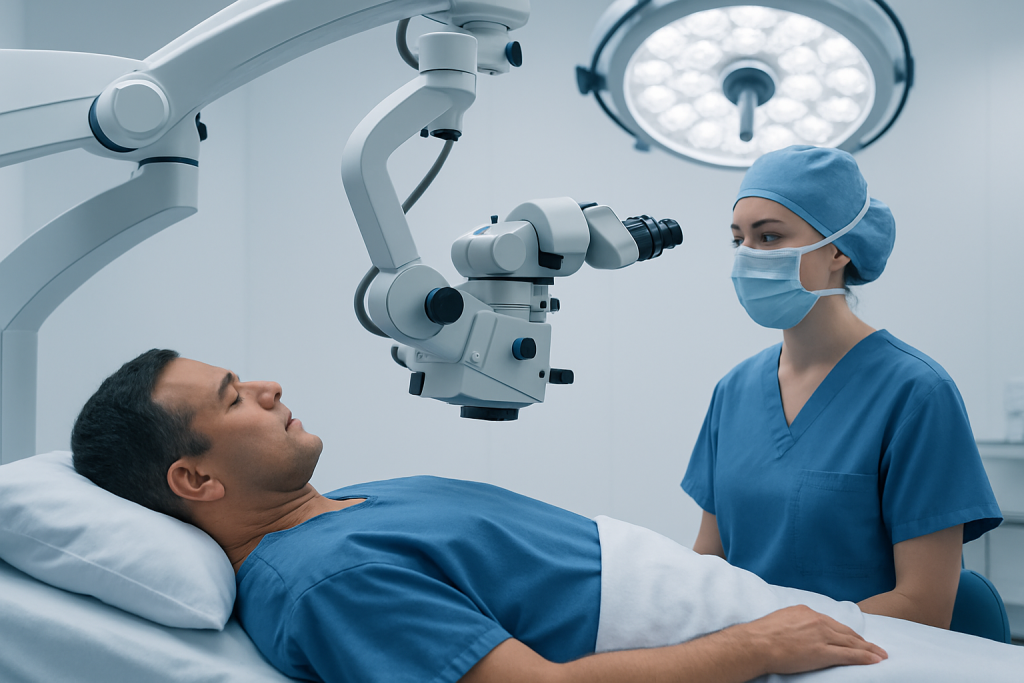
Surgery is a common treatment for cancers of the oral tongue, the part of the tongue that can be seen in the mouth. The operation is called a glossectomy. A partial glossectomy removes part of the tongue, while a larger operation may remove most or all of it. The aim is to remove the tumor with a margin of healthy-looking tissue around it, while preserving function whenever safely possible.
People may be candidates for surgery when the cancer appears removable and their general health allows an operation. Surgery may be used alone for some early cancers, or followed by radiotherapy, sometimes with chemotherapy, when pathology findings show a higher risk of recurrence. Treatment decisions are individualized after imaging, examination and discussion by specialists.
Because tongue cancers can spread to lymph nodes in the neck even when nodes do not feel enlarged, the surgeon may recommend a neck dissection or sentinel lymph node procedure. Reconstruction may also be needed after a larger resection. In reconstructive surgery, tissue from another area of the body may be used to restore shape and support speaking and swallowing.
- Small tumors may be treated with a limited tongue resection.
- Larger or deeper tumors may require wider surgery, neck treatment and reconstruction.
- Dental, nutrition, speech and swallowing assessments often take place before treatment.
Step by Step: What Happens During the Procedure

Before surgery, the team reviews scans, biopsy results, medical history, dental health and nutrition. Patients may meet an anesthesiologist, speech-language therapist, dietitian and reconstructive surgeon. These appointments help the team plan safe surgery and establish a baseline for speech, swallowing and weight.
During the operation, performed under general anesthesia, the surgeon removes the tumor and sends tissue for laboratory assessment. The pathologist examines the specimen to confirm whether the edges, called margins, are clear of cancer. If neck surgery is planned, lymph nodes and surrounding tissue are removed through an incision in the neck. The exact approach is based on the tumor’s location and stage.
When a substantial portion of the tongue is removed, reconstruction may use nearby tissue or a free flap, which is tissue transferred from another body area with its blood vessels connected under a microscope. Temporary breathing support through a tracheostomy and temporary tube feeding may be needed after some extensive procedures. These measures are planned to protect the airway and support healing, and they are not required for every patient.
After surgery, pathology results guide the next steps. Features such as close or involved margins, lymph node spread or extension beyond a lymph node may lead the team to recommend additional treatment, including radiotherapy or combined chemoradiotherapy.
Recovery Timeline, Rehabilitation and Daily Life
In the first days after surgery, care focuses on pain control, wound monitoring, hydration and breathing safety. Depending on the operation, a person may initially receive nutrition through a feeding tube while the surgical area heals. The medical team decides when it is safe to begin swallowing assessments and progress from liquids to soft foods or other textures.
During the first few weeks, swelling, fatigue, mouth discomfort, speech changes and difficulty eating are expected for many patients. Speech-language therapists teach practical exercises and compensatory techniques for articulation and swallowing. Dietitians help maintain adequate calories, protein and fluids, which are essential for wound healing and recovery.
Over subsequent months, speech clarity and swallowing may continue to improve with therapy and practice. The degree of recovery differs: people who have smaller resections often have fewer long-term functional effects, while larger resections and radiotherapy can create more persistent challenges. Dry mouth, altered taste, limited jaw opening, shoulder stiffness after neck surgery and dental concerns may need ongoing care.
Emotional recovery matters too. Changes in eating, communication, appearance or social confidence can affect mood and relationships. Support from family, cancer support services, mental health professionals and peer groups can be valuable. A structured rehabilitation plan helps address both physical function and quality of life.
Benefits, Risks and Possible Long-Term Effects
The main benefit of tongue cancer surgery is the opportunity to remove a localized cancer and obtain detailed pathology information that guides further care. For appropriately selected patients, surgery can be an important part of treatment with curative intent. Reconstruction and rehabilitation are used to maximize function after cancer removal.
All major operations have risks, including bleeding, infection, blood clots, reactions to anesthesia and wound-healing problems. Tongue surgery may also cause temporary or lasting changes in speech, swallowing, chewing, taste and sensation. Larger procedures can affect the airway and may require temporary feeding or breathing support.
Neck surgery can cause numbness, stiffness, swelling or shoulder weakness, particularly if nerves must be handled during the operation. Reconstructive procedures add risks at the donor site and, rarely, problems with blood flow to the flap. The surgical team discusses the likely benefits and risks based on the person’s anatomy, cancer extent and treatment goals.
After recovery, regular oral care is important. People should tell their dentist and cancer team about previous surgery or radiotherapy before dental procedures. Stopping tobacco use and limiting alcohol can support healing, overall health and reduction of future oral cancer risk.
What Is the Prognosis for Tongue Cancer and How Is It Treated?
Tongue cancer prognosis is influenced by the stage at diagnosis, the depth and features of the tumor, whether cancer has reached neck lymph nodes, surgical margin status and a person’s overall health. Earlier-stage cancers generally have a more favorable outlook than cancers that have spread to lymph nodes or distant organs. Individual prognosis should be discussed with the treating oncology team, which has access to the full pathology and imaging results.
Treatment commonly includes surgery, radiotherapy, chemotherapy or a combination of these approaches. Surgery is often used for resectable oral tongue cancers, while radiotherapy may be given after surgery when pathology shows a significant risk of recurrence. Chemotherapy may be combined with radiotherapy in selected situations, and systemic treatments may be considered for recurrent or metastatic disease.
Ongoing surveillance is essential after treatment because recurrence is most likely to be detected through regular examinations and symptom review. Follow-up appointments may also include imaging when clinically appropriate. People should report a new mouth sore, neck lump, unexplained pain, swallowing change or voice change rather than waiting for the next scheduled review.
What Is the Survival Rate for Patients Undergoing Partial Glossectomy?
There is no single survival rate that applies to everyone undergoing partial glossectomy. A partial glossectomy describes the operation, not the cancer stage or biology, and people having this procedure may have very different tumor sizes, lymph node findings and additional treatments. For this reason, surgical survival outcomes cannot be interpreted accurately without the pathology report and staging information.
In general, patients treated for smaller, localized tongue cancers often have better outcomes than those with more advanced disease. The absence of cancer in neck lymph nodes and clear surgical margins are usually favorable findings. Conversely, deeper invasion, positive lymph nodes and certain aggressive pathology features can increase the likelihood that radiotherapy or chemoradiotherapy will be recommended.
It is also important to distinguish cancer survival from functional recovery. Many people can regain understandable speech and oral eating after a partial glossectomy, although the level and speed of improvement vary. The surgeon, oncologist and rehabilitation team can explain what the individual findings mean for both outlook and daily function.
How Serious Is Tongue Cancer Surgery?
Tongue cancer surgery is a serious procedure because it treats cancer in an area essential for breathing, speaking and swallowing. The level of complexity ranges from a relatively limited resection for a small lesion to extensive surgery involving the tongue, neck lymph nodes and reconstructive tissue transfer. The treatment plan is designed carefully to balance complete cancer removal with preservation of function.
Hospital stay and recovery needs depend on the operation. A person having a small partial glossectomy may need a shorter recovery than someone undergoing major reconstruction and neck dissection. Before surgery, the team explains practical issues such as eating, communication, airway care, pain management and the expected need for rehabilitation.
Although the operation can feel daunting, patients are supported by several specialists throughout treatment. Surgeons, medical and radiation oncologists, anesthesiologists, nurses, dietitians, dentists and speech-language therapists each contribute to safe care and recovery. Acibadem International’s multidisciplinary specialists and JCI-accredited hospitals support diagnosis and treatment planning for international patients with tongue cancer.
What Is the Survival Rate for People With Stage 1 Oral Cancer?
Stage 1 oral cancer is generally an early, localized cancer that has not spread to nearby lymph nodes or distant organs. It is often highly treatable, and outcomes are usually more favorable than for later-stage oral cancers. However, a precise survival estimate should not be assumed from stage alone because outcome also depends on the exact tumor site, depth of invasion, pathology features, treatment and overall health.
For stage 1 cancers of the oral tongue, surgery is frequently the primary treatment, with neck evaluation considered according to the tumor’s depth and other clinical findings. Some patients do not require treatment beyond surgery, while others may need further therapy if unexpected higher-risk features are identified in the removed tissue.
Regular follow-up remains important even after successful treatment of early-stage disease. Visits allow clinicians to examine the mouth and neck, address long-term treatment effects and support healthy behaviors. Avoiding tobacco products and limiting alcohol are particularly important steps for reducing the risk of another oral cancer.
When to Seek Medical Care
After tongue cancer surgery, patients should contact their surgical team promptly for fever, increasing redness or drainage from a wound, worsening swelling, uncontrolled pain, dehydration, inability to take in enough fluids, bleeding, or problems with a feeding tube or tracheostomy if one is present. Urgent medical assessment is needed for difficulty breathing, heavy bleeding, sudden severe swelling or chest pain.
After treatment is complete, a doctor should assess a mouth ulcer, red or white patch, tongue pain, bleeding, lump in the neck, persistent hoarseness or swallowing difficulty that lasts more than two weeks. These symptoms can have non-cancerous causes, but timely evaluation is important, especially in someone with a history of oral cancer.
Keeping scheduled oncology follow-up appointments is one of the most effective ways to support long-term recovery. The care team can also arrange rehabilitation, nutritional support, dental care and symptom management when needed.
Frequently asked questions
Can a person speak after tongue cancer surgery?
Many people can speak after tongue cancer surgery, although speech may be temporarily unclear while swelling and wounds heal. The degree of long-term change depends on how much of the tongue is removed and whether reconstruction is needed. Speech-language therapy can improve clarity, communication confidence and practical speaking strategies.
How long does it take to eat normally after a partial glossectomy?
The timeline varies according to the extent of surgery, swelling, reconstruction and whether additional treatment is required. Some people begin modified oral intake within days or weeks, while others need tube feeding and swallowing rehabilitation for longer. A swallowing assessment guides when and how food textures can be advanced safely.
Will a feeding tube be needed after tongue cancer surgery?
A feeding tube is more likely after extensive tongue surgery, reconstruction, major swallowing difficulty or combined treatment with radiotherapy. It may be used temporarily to protect healing tissues and maintain nutrition. The team reviews swallowing progress regularly and removes the tube when oral intake is adequate and safe.
Can tongue cancer return after surgery?
Tongue cancer can recur after surgery, which is why regular follow-up examinations are important. The likelihood depends on the original stage, lymph node findings, margin status and other pathology features. New symptoms between appointments should be reported to the care team without delay.
Does tongue cancer surgery affect taste?
Taste can change after tongue surgery because of altered sensation, healing, changes in saliva or additional radiotherapy. Taste often improves over time, but recovery is variable. A dietitian can help people find foods, temperatures and textures that are more comfortable during recovery.
What can help recovery after tongue cancer surgery?
Following wound-care instructions, attending rehabilitation appointments, maintaining nutrition and hydration, and avoiding tobacco are key steps. Gentle prescribed mouth and jaw exercises may also help, but they should be performed only as advised by the clinical team. Emotional support and open communication about symptoms are also important parts of recovery.
References
- American Cancer Society
- National Cancer Institute
- National Comprehensive Cancer Network
- World Health Organization
- American Head and Neck Society
This article is for general information only and is not a substitute for professional medical advice. Please consult a qualified doctor about your individual situation.
Oncology care in Turkey — second opinion and treatment plan
JCI-accredited · board-certified surgeons · reply within 24h
Add us as a Preferred Source to see more of our trusted health content across Google Search, AI Overviews and Discover.