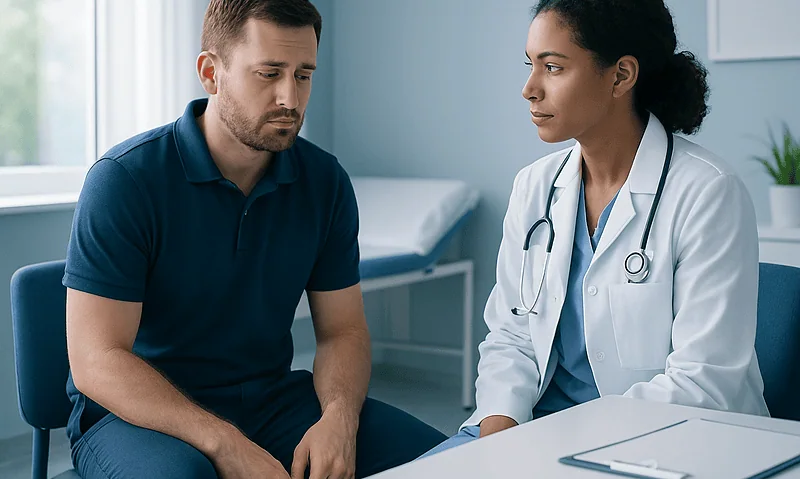
Life Alert Devices: An Evidence-Based Guide for Patients

Life alert devices can improve safety and peace of mind, but they do not replace regular medical care or supervision. Features such as fall detection, GPS, two-way voice, waterproof design, and caregiver alerts matter more than brand name alone.
Key Takeaways
- Life alert devices can improve safety and peace of mind, but they do not replace regular medical care or supervision.
- Features such as fall detection, GPS, two-way voice, waterproof design, and caregiver alerts matter more than brand name alone.
- These devices may be helpful for older adults, people with balance problems, chronic illness, seizures, or those recovering after hospitalization.
- A careful setup plan is important, including emergency contacts, medication lists, home access, and regular charging or testing.
- Anyone with chest pain, stroke symptoms, severe shortness of breath, or a serious injury should seek urgent medical care immediately.
Life alert devices are personal emergency response tools designed to help a person call for assistance quickly during a fall, sudden illness, or safety concern. The best choice depends on health needs, mobility, memory, hearing, living situation, and whether support is needed only at home or also outside.
Overview: What life alert devices do
Life alert devices are wearable or easy-to-reach emergency response tools that allow a person to call for help quickly. They are most often used by older adults, people at risk of falls, and anyone living with a medical condition that could lead to sudden weakness, confusion, or collapse. In everyday use, they can offer reassurance to both users and family members by shortening the time between an emergency and a response.
These systems are also called medical alert systems or personal emergency response systems. Depending on the model, a user may press a button on a pendant, wristband, smartwatch-style device, or home base unit. Some devices connect to a monitoring center, while others contact family, caregivers, or local emergency services directly.
Not all life alert devices work in the same way. Some function only inside the home through a base station. Others use mobile networks and GPS so they can be used outside. Many newer models also include automatic fall detection, but this feature is not perfect and can miss some falls or trigger false alarms.
For that reason, choosing a device is less about buying a single product category and more about matching the device to a person’s health, daily routine, and environment. A patient with memory concerns may need simple controls and caregiver oversight, while someone with gait instability may benefit from a waterproof wearable with automatic detection and location tracking.
Who may benefit from a life alert device
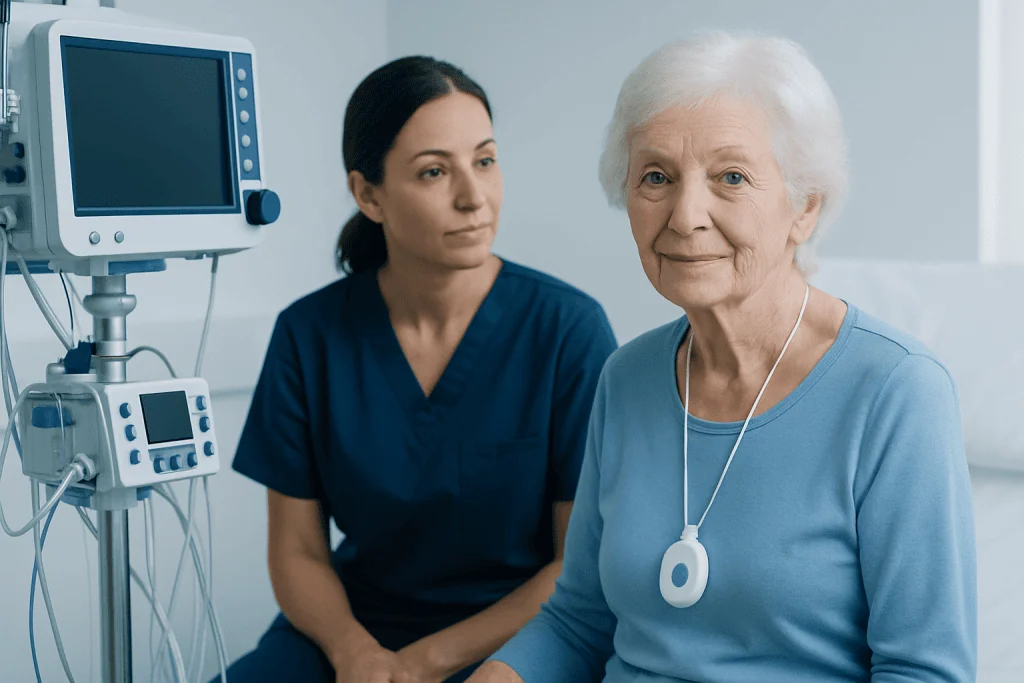
Life alert devices may help a wide range of people, not only very frail adults. They are often considered for individuals with a history of falls, dizziness, poor balance, fainting, or limited mobility. People who live alone may also benefit, especially if they have a chronic medical condition that could cause a sudden emergency.
These devices can be useful for people recovering after surgery, hospitalization, or illness when strength and confidence are still returning. They may also support those with conditions linked to fall risk or sudden neurologic symptoms, such as Parkinson’s disease, neuropathy, arthritis, or prior stroke. For some individuals, the benefit is practical safety; for others, it is the confidence to move around the home more independently.
A life alert device may be especially worth discussing if a person has had near-falls, difficulty getting up from the floor, or concerns about being unable to reach a phone in an emergency. Family caregivers sometimes notice these risks before the patient does, particularly when there are subtle changes in walking, attention, reaction time, or medication use.
Situations in which a device may be considered include:
- Living alone most or all of the time
- Previous falls or fear of falling
- Balance problems, weakness, or use of a walking aid
- Seizures, fainting episodes, or sudden drops in blood pressure
- Memory problems that increase safety concerns
- Recent hospital discharge or rehabilitation period
Main types of devices and the features that matter most
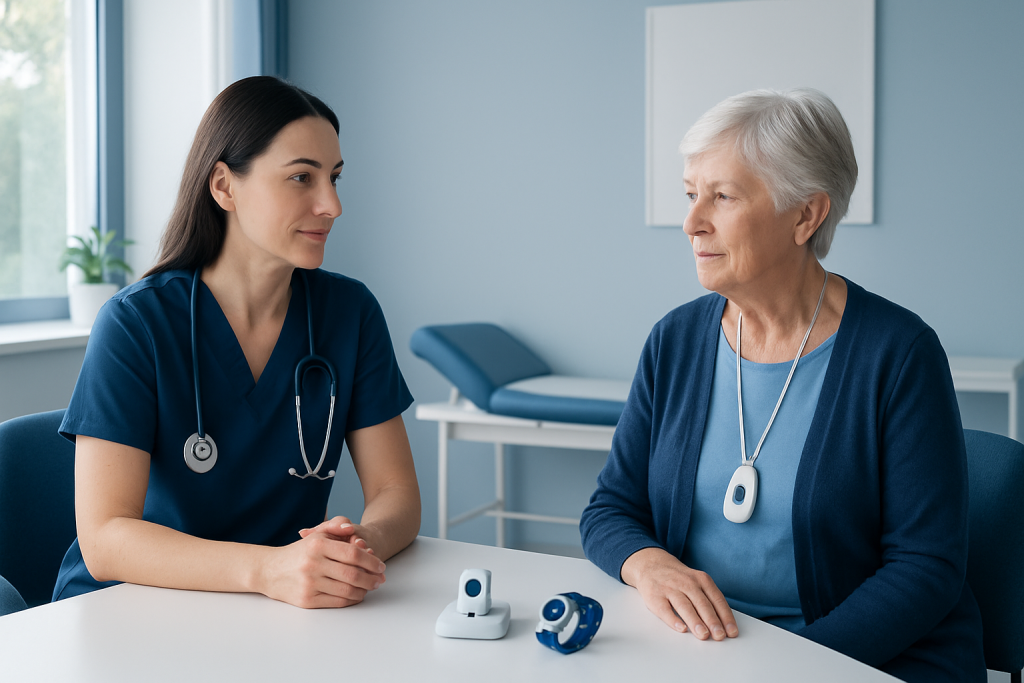
Life alert devices generally fall into two broad groups: home-based systems and mobile systems. Home-based systems usually include a wearable help button connected to a base station in the house. Mobile systems are designed for people who spend time outside the home and typically use cellular service and GPS to help locate the user if an emergency occurs away from home.
Core features often matter more than the general type of device. Two-way voice communication can allow the user to speak directly with a responder. Waterproof design may be important because many falls happen in bathrooms, where a device needs to remain on the person to be useful. Battery life, charging routine, wearing comfort, and ease of pressing the button also deserve attention.
Automatic fall detection is one of the most requested features, but patients should understand its limits. It can be helpful for people who may not be able to press a button after a fall, yet it does not detect every event. It should be seen as an added layer of support rather than a guarantee.
Helpful features to compare include:
- Button-activated emergency calling
- Automatic fall detection
- GPS location tracking for outdoor use
- Two-way speaker and microphone
- Water resistance or waterproof wearability
- Long battery life and simple charging
- Caregiver notifications or app-based updates
- Easy setup, clear audio, and accessible design for vision or hearing limitations
How to choose the right device for health needs
The most suitable life alert device depends on the person’s specific medical and functional profile. A patient with hearing loss may need louder audio or vibration features. Someone with hand arthritis or tremor may need a larger, easier-to-press button. A person with mild cognitive decline may do better with a simpler system and caregiver monitoring, rather than a feature-heavy device that is difficult to remember or maintain.
It is also important to think about where emergencies are most likely to happen. If a person rarely leaves home and mainly needs support in the bathroom, bedroom, or kitchen, a home-focused system may be enough. If falls or symptoms could happen during walks, shopping, travel, or community activities, mobile coverage and GPS become more relevant.
Medical conditions can shape the decision. People undergoing physical therapy and rehabilitation after an injury or illness may want a temporary device during recovery. Those with recurrent episodes of imbalance, dizziness, or weakness may need longer-term support while a doctor evaluates possible causes, including heart rhythm problems, medication effects, or neurologic conditions.
Before choosing a device, it can help to review:
- History of falls, fainting, or urgent symptoms
- Vision, hearing, hand strength, and memory
- Whether the person lives alone or with support
- Home layout, stairs, bathroom safety, and outdoor activity level
- Ability to remember charging, wearing, and testing the device
- Who should be contacted first in an emergency
Limits of life alert devices and common misconceptions
Life alert devices can be helpful, but they are not a substitute for diagnosing the reason a fall or medical event happened. A person who has repeated falls, blackouts, new weakness, or episodes of confusion still needs medical assessment. A device may reduce delay in calling for help, but it does not treat the underlying problem.
Another common misconception is that owning a device automatically improves safety. In practice, benefit depends on consistent use. If the device is left on a bedside table, removed for bathing, not charged, or too complicated to operate, it may not help during the moment it is needed most.
Patients should also know that automatic features are not flawless. Fall detection can miss slow slides from a chair, and vigorous movement can sometimes trigger an alert even without a fall. Reliable emergency planning still matters, including medication review, home hazard reduction, and regular health follow-up.
In some cases, a clinician may recommend broader evaluation or treatment rather than relying only on an alert system. For example, people with major balance problems may need a specialist review for neurologic or vestibular causes, and those with functional decline after a serious event may benefit from structured stroke rehabilitation or rehabilitation support tailored to mobility and safety.
Safe use at home: setup, testing, and self-care planning
A life alert device works best when it is part of a larger safety plan. The device should be set up with accurate emergency contacts, health details, and clear instructions for responders when possible. Family members or caregivers should know how the system works and what will happen if an alert is triggered.
Regular testing is important. Users should practice pressing the button, speaking through the device, and checking whether the battery is charged. Wearing comfort matters too: if the device feels bulky, irritating, or embarrassing, a person may be less likely to use it consistently. Choosing a style that fits daily habits can improve long-term adherence.
Home safety measures remain essential even when a device is in place. Removing loose rugs, improving lighting, adding grab bars, using proper footwear, and reviewing medications with a clinician can reduce risk. In many patients, the best approach combines an emergency device with prevention strategies and treatment of the medical cause.
Useful steps include:
- Keep the device on at all times recommended by the manufacturer
- Charge or test it on a routine schedule
- Update emergency contacts after any change in caregiver support
- Store a medication list and medical conditions in an easy-to-find place
- Consider a lockbox or agreed access plan for emergency responders
- Discuss repeated falls or new symptoms with a doctor rather than assuming the device alone is enough
When to seek medical care
A life alert device can help summon assistance, but it should not delay urgent care. Immediate medical attention is needed for symptoms such as chest pain, severe shortness of breath, sudden one-sided weakness, trouble speaking, new facial droop, seizure, loss of consciousness, or a serious head injury after a fall. These can signal emergencies that need rapid assessment.
Medical review is also important after any fall with pain, swelling, inability to bear weight, confusion, or persistent dizziness. Even when there is no obvious injury, repeated falls may reflect a treatable problem such as low blood pressure, medication side effects, heart rhythm changes, inner ear disorders, nerve problems, or complications related to Alzheimer’s disease or other neurologic conditions.
If a person begins to avoid walking, bathing, or leaving the home because of fear of falling, that is also worth discussing with a clinician. Reduced activity can lead to deconditioning, greater weakness, and even higher fall risk over time. Evaluation may include medication review, balance assessment, vision checks, and referral for therapy or specialist care.
Near the end of the care pathway, some patients and families seek multidisciplinary assessment to better understand mobility decline, fall risk, and recovery needs. Acibadem International’s multidisciplinary specialists in JCI-accredited hospitals diagnose and treat conditions linked to falls, functional decline, and emergency health risks for international patients.
Frequently asked questions
What are life alert devices used for?
Life alert devices are used to help a person call for assistance quickly during an emergency such as a fall, sudden weakness, or feeling unwell. They are designed to improve access to help, especially when a phone is out of reach or the person lives alone.
Do life alert devices automatically detect every fall?
No. Some models include fall detection, but this technology does not detect every fall and may occasionally send false alerts. It is best viewed as a helpful extra feature rather than a complete replacement for pressing the button when possible.
Who should consider using a life alert device?
These devices may be useful for older adults, people with prior falls, balance problems, chronic neurologic disease, fainting episodes, or limited mobility. They may also help during recovery after illness, surgery, or hospitalization when strength and confidence are reduced.
Are life alert devices only for use inside the home?
Not always. Some systems are home-based, while others are mobile and can work outside the home using cellular service and GPS. The best choice depends on whether the person mainly needs protection indoors or also during walks, errands, and travel.
Can a life alert device replace seeing a doctor for falls or dizziness?
No. A device may help in an emergency, but repeated falls, fainting, new weakness, confusion, or dizziness still need medical evaluation. These symptoms can be caused by treatable conditions that should not be ignored.
What features are most important when choosing a device?
Important features often include a simple emergency button, clear two-way voice communication, comfortable wearability, waterproof design, dependable battery life, and caregiver alerts. Fall detection and GPS may be especially helpful for people at higher risk or those who spend time outside the home.
References
- Centers for Disease Control and Prevention
- National Institute on Aging
- World Health Organization
- American Geriatrics Society
- National Institute of Neurological Disorders and Stroke
This article is for general information only and is not a substitute for professional medical advice. Please consult a qualified doctor about your individual situation.
Explore treatments in Turkey — costs, top hospitals & a free quote
JCI-accredited · board-certified surgeons · reply within 24h
Add us as a Preferred Source to see more of our trusted health content across Google Search, AI Overviews and Discover.
Check your numbers in seconds
BMI, calories, due date, blood pressure and 30+ more clinical calculators — free, instant, doctor-reviewed ranges.

More from the Health Library
Weelchair: What Patients Need to Know
Spermicide — Explained by Medical Evidence, Not Myths

Endocrinologist: An Evidence-Based Guide for Patients

Xanax — Explained by Medical Evidence, Not Myths

Carotene: A Complete Medical Overview