Lightheaded and Menopause Explained: Causes, Management, and When to See a Doctor

Hormonal fluctuations may contribute to lightheadedness indirectly through hot flashes, sleep disruption, stress, and changes in circulation. Lightheadedness differs from vertigo: lightheadedness may feel like faintness, while vertigo causes a spinning or moving sensation.
Key Takeaways
- Hormonal fluctuations may contribute to lightheadedness indirectly through hot flashes, sleep disruption, stress, and changes in circulation.
- Lightheadedness differs from vertigo: lightheadedness may feel like faintness, while vertigo causes a spinning or moving sensation.
- Low blood pressure, dehydration, low blood sugar, anemia, medication effects, and heart or inner-ear conditions can also cause symptoms.
- Regular fluids, balanced meals, gradual position changes, sleep support, and symptom tracking may help reduce episodes.
- Urgent medical assessment is needed for fainting, chest pain, shortness of breath, new weakness, speech difficulty, or a severe sudden headache.
Lightheadedness can occur during perimenopause and menopause, often alongside hot flashes, poor sleep, anxiety, dehydration, or changes in blood pressure. However, it is not a symptom to automatically attribute to menopause, especially when it is new, severe, recurrent, or accompanied by other concerning symptoms.
Lightheadedness During Menopause: What It Can Mean
Lightheadedness during menopause may feel like faintness, wooziness, unsteadiness, or a sense that a person might pass out. It can happen in perimenopause, the transition before periods stop, as well as after menopause. For some people, it occurs around hot flashes or after a poor night of sleep; for others, it may have a separate cause that deserves evaluation.
Hormonal changes can affect temperature regulation, sleep, mood, and the way blood vessels widen and narrow. These effects may make a person more vulnerable to brief episodes of lightheadedness. Still, menopause does not explain every episode. A healthcare professional can help distinguish menopausal symptoms from conditions such as low blood pressure, anemia, medication side effects, heart rhythm problems, or inner-ear disorders.
It is helpful to describe the sensation accurately. Lightheadedness is often a feeling of near-fainting. Vertigo is different: it is a false sensation of spinning, tilting, or movement. Disequilibrium refers to trouble keeping balance while walking. These distinctions can guide the assessment and treatment plan.
Why Hormonal Changes May Be Involved
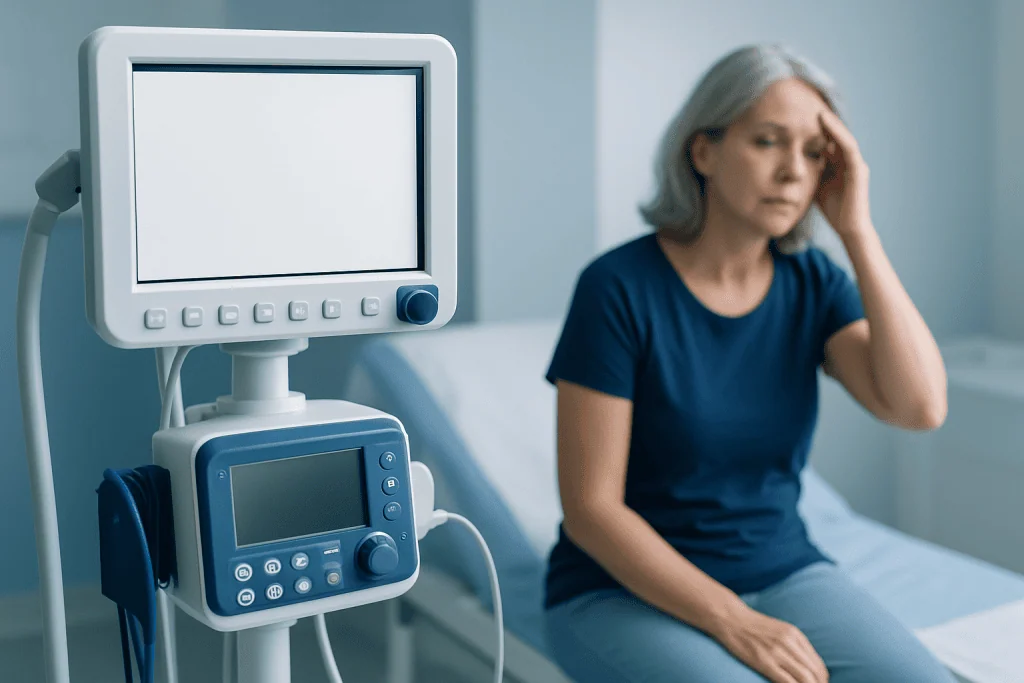
Estrogen levels can fluctuate widely during perimenopause and then remain lower after menopause. Estrogen has effects throughout the body, including on blood vessels, the nervous system, and temperature control. Although the exact relationship is not always straightforward, these changes may contribute to sensations of lightheadedness in some individuals.
Hot flashes and night sweats are a common indirect link. A hot flash can bring sudden warmth, sweating, a fast heartbeat, and a temporary feeling of weakness or dizziness. Night sweats may interrupt sleep and contribute to fatigue the next day, which can make a person feel less steady or more sensitive to physical stress.
Anxiety, palpitations, and changes in breathing can also occur during the menopausal transition. Rapid or shallow breathing during anxiety may cause tingling, chest tightness, and lightheadedness. These symptoms are real and treatable, but a clinician should first consider physical causes, particularly when symptoms are new or changing.
Other Common Causes to Consider

Dehydration is a frequent and often reversible cause of lightheadedness. Sweating during hot flashes, warm weather, exercise, vomiting, diarrhea, or simply drinking too little can reduce fluid volume in the body. Some people may also be more prone to symptoms when they stand quickly, particularly if their blood pressure drops with a change in position.
Skipping meals, eating irregularly, or having a long gap between meals can lead to low blood sugar symptoms in some people. These may include shakiness, sweating, irritability, fatigue, and lightheadedness. Alcohol can worsen dehydration, interfere with sleep, and trigger hot flashes in some people, making symptoms more noticeable.
Medical conditions can overlap with menopause. Anemia, thyroid disorders, diabetes, migraine, infections, heart rhythm disturbances, and vestibular conditions affecting the inner ear may all cause dizziness or lightheadedness. High or low blood pressure can also contribute. A previous or ongoing condition such as anemia should be appropriately assessed rather than assumed to be part of menopause.
Medicines and supplements are another important consideration. Blood pressure medicines, diuretics, sedatives, some antidepressants, diabetes treatments, and medicines used for sleep or pain may cause dizziness in some people. A person should not stop prescribed medication without medical advice, but should ask a clinician or pharmacist to review possible side effects and interactions.
Clues That Help Identify the Pattern
Keeping a simple symptom record for one to two weeks can be useful before a medical appointment. The record can note when lightheadedness occurs, how long it lasts, what the person was doing, whether it followed standing up, meals, exercise, alcohol, a hot flash, or poor sleep, and whether there were symptoms such as sweating, palpitations, headache, nausea, hearing changes, or visual disturbance.
Episodes linked to standing may suggest postural or orthostatic changes in blood pressure. Symptoms that occur with a racing heartbeat may warrant evaluation for a rhythm problem, anxiety, thyroid disease, or other causes. Spinning sensations with nausea, ear fullness, ringing in the ears, or hearing changes may indicate an inner-ear cause rather than menopause itself.
Menstrual history remains relevant during perimenopause. Heavy or prolonged bleeding can contribute to iron deficiency and anemia, which may cause fatigue, shortness of breath with activity, paleness, and lightheadedness. Bleeding after menopause should always be discussed promptly with a doctor.
How Lightheadedness Is Evaluated
A healthcare professional will usually begin by asking about the quality, timing, frequency, and triggers of symptoms. They may review menopausal symptoms, menstrual or bleeding history, sleep, diet, fluid intake, medical conditions, and all medicines, including over-the-counter products and supplements.
The examination may include blood pressure and pulse checks while sitting and standing, a heart and neurological examination, and sometimes an ear and balance assessment. Depending on the symptoms, tests may include blood tests for anemia, blood sugar, thyroid function, or other concerns, as well as an electrocardiogram to assess heart rhythm.
Testing is individualized. Not everyone with brief, occasional symptoms requires extensive investigations. However, recurrent episodes, symptoms that interfere with daily life, or symptoms with warning signs should be assessed carefully so that treatable causes are not missed.
Management and Everyday Measures
Management depends on the underlying cause. When symptoms are related to hot flashes or other bothersome menopausal changes, a clinician may discuss lifestyle strategies and, when appropriate, non-hormonal or hormone-based treatment options. Menopausal hormone therapy is not suitable for everyone, so its potential benefits and risks should be considered individually with a qualified clinician.
Practical measures can reduce the likelihood of lightheadedness for many people. Drinking fluids regularly, particularly during warm weather or sweating episodes, eating balanced meals at regular intervals, and limiting excess alcohol may be helpful. Standing up slowly from bed or a chair can reduce symptoms associated with position changes. If an episode occurs, sitting or lying down promptly can help prevent a fall.
Sleep, physical activity, and stress support are also important. Regular gentle-to-moderate exercise, when medically appropriate, can support cardiovascular health, mood, and sleep. Relaxed breathing, mindfulness, counselling, or other stress-management approaches may be useful when anxiety or poor sleep is worsening symptoms.
- Keep water accessible and increase fluids after sweating or exercise unless a clinician has advised fluid restriction.
- Avoid driving, climbing ladders, or operating machinery during an episode of lightheadedness.
- Rise slowly after lying down, and pause before walking if symptoms occur.
- Discuss any new, worsening, or persistent symptoms with a doctor rather than self-treating with supplements.
When to Seek Medical Care
Non-urgent medical advice is appropriate when lightheadedness is frequent, lasts longer than expected, disrupts work or daily activities, begins after a medicine change, or occurs with heavy periods, palpitations, hearing changes, or recurrent headaches. A clinician can review menopausal symptoms while also checking for other possible causes.
Urgent medical care is needed if lightheadedness occurs with fainting, chest pain, shortness of breath, a very fast or irregular heartbeat, severe weakness, new numbness, facial drooping, trouble speaking, new confusion, loss of vision, or a sudden severe headache. These symptoms may indicate a condition unrelated to menopause that requires prompt assessment.
For international patients who need assessment of menopausal symptoms alongside possible cardiovascular, hormonal, or neurological causes, Acibadem International’s multidisciplinary specialists and JCI-accredited hospitals provide diagnostic evaluation and treatment planning. The best next step is a medical consultation tailored to the individual’s symptoms, medical history, and current medications.
Frequently asked questions
Can menopause cause lightheadedness?
Menopause may contribute to lightheadedness, particularly through hot flashes, night sweats, poor sleep, anxiety, and changes in blood vessel regulation. However, lightheadedness has many possible causes, so it should not automatically be considered a menopausal symptom. Recurrent or worsening episodes should be discussed with a healthcare professional.
Is dizziness common during perimenopause?
Some people report dizziness or lightheadedness during perimenopause, when hormone levels can fluctuate. The feeling may occur alongside hot flashes, sleep disruption, or anxiety. A clinician can help determine whether menopause is likely contributing or whether another cause needs treatment.
What is the difference between lightheadedness and vertigo?
Lightheadedness is a feeling of faintness, weakness, or near-fainting. Vertigo is the sensation that a person or their surroundings are spinning or moving when they are not. Vertigo more often suggests an inner-ear or neurological cause and should be described clearly to a clinician.
What can help lightheadedness during menopause at home?
Regular fluids, consistent meals, adequate sleep, and standing up gradually may help reduce mild episodes. Avoiding excess alcohol and identifying personal hot-flash triggers can also be useful. If symptoms persist, become severe, or affect safety, medical advice is important.
Can low estrogen cause low blood pressure?
Hormonal changes can influence blood vessels and circulation, but low blood pressure has many potential causes and should not be attributed to estrogen alone. Dehydration, medicines, illness, anemia, and heart conditions are among the possibilities. Blood pressure measurements and a clinical review can clarify the cause.
When is lightheadedness during menopause an emergency?
Emergency assessment is needed if lightheadedness comes with fainting, chest pain, shortness of breath, severe headache, new weakness, numbness, speech difficulty, confusion, or vision loss. These symptoms may signal a serious condition and should not be treated as a routine menopausal change. If there is any uncertainty, seeking urgent medical advice is the safest option.
References
- North American Menopause Society
- American College of Obstetricians and Gynecologists
- National Institute on Aging
- National Health Service
- Mayo Clinic
This article is for general information only and is not a substitute for professional medical advice. Please consult a qualified doctor about your individual situation.
Explore treatments in Turkey — costs, top hospitals & a free quote
JCI-accredited · board-certified surgeons · reply within 24h
Add us as a Preferred Source to see more of our trusted health content across Google Search, AI Overviews and Discover.
Check your numbers in seconds
BMI, calories, due date, blood pressure and 30+ more clinical calculators — free, instant, doctor-reviewed ranges.