Lip Biting: A Complete Medical Overview
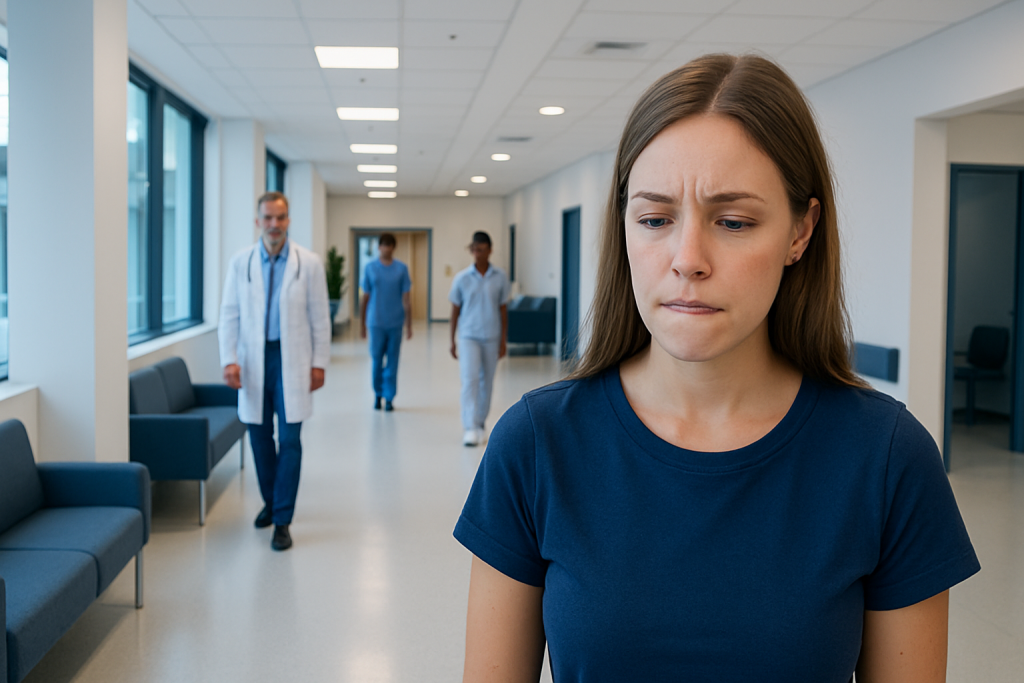
Lip biting can be occasional and harmless, but frequent biting may injure the lips and inner mouth. Common triggers include stress, anxiety, dry lips, uneven teeth, braces, and jaw alignment problems.
Key Takeaways
- Lip biting can be occasional and harmless, but frequent biting may injure the lips and inner mouth.
- Common triggers include stress, anxiety, dry lips, uneven teeth, braces, and jaw alignment problems.
- Treatment focuses on the underlying cause and may involve self-care, dental correction, mouth protection, or behavioral support.
- Persistent sores, bleeding, swelling, signs of infection, or a lump that does not heal should be assessed by a doctor or dentist.
- Prevention often includes lip hydration, trigger awareness, stress management, and addressing dental irritation.
Lip biting is usually caused by habit, stress, dry or irritated lips, or dental issues that make the lips easier to catch between the teeth. While occasional lip biting is common, repeated or painful lip biting may lead to sores, swelling, infection, or ongoing tissue damage and may benefit from medical or dental evaluation.
What Is Lip Biting?
Lip biting means repeatedly catching, chewing, or pressing the lips between the teeth. It can happen by accident while eating or talking, but for some people it becomes a repeated habit. In many cases, lip biting is linked to stress, distraction, dry lips, or irritation inside the mouth.
Most episodes are mild and settle on their own. However, frequent lip biting can damage the delicate skin and lining of the lips, leading to soreness, cracks, bleeding, ulcers, or thickened tissue. When the habit continues over time, the area may stay inflamed and become more likely to be bitten again.
Lip biting is not always just a behavioral habit. Sometimes it reflects a dental or bite problem, such as uneven teeth, poorly fitting dental work, braces, or a jaw alignment issue that makes the lip easier to trap. Less commonly, repetitive mouth biting may occur alongside body-focused repetitive behaviors or movement-related conditions, which is why persistent symptoms deserve proper assessment.
How Lip Biting Feels and What It Can Cause
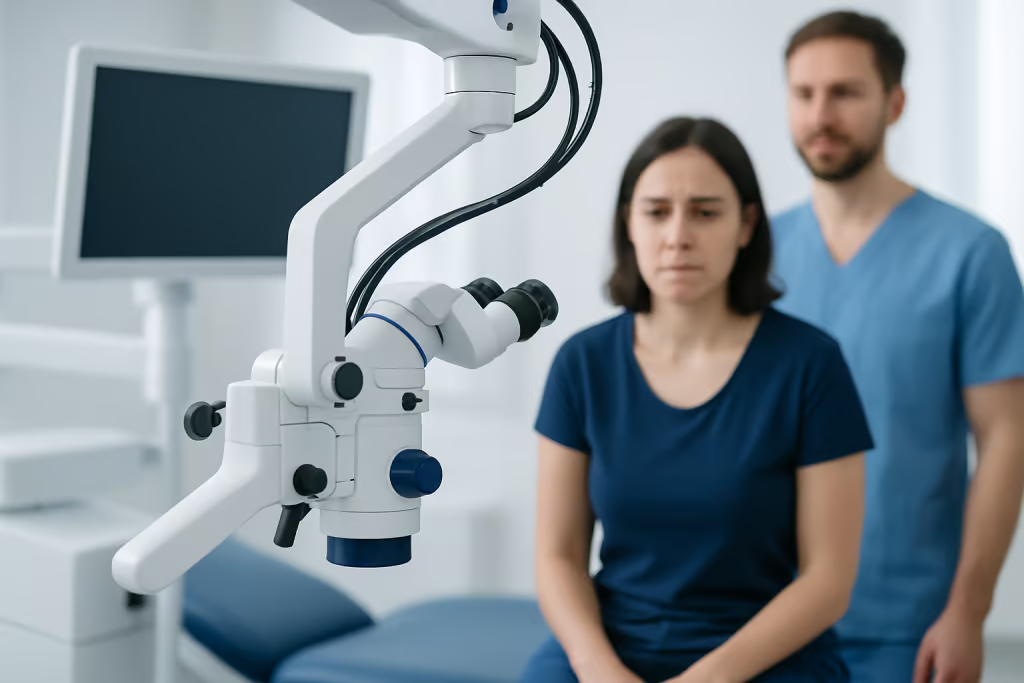
Symptoms vary depending on how often the lip is bitten and how much tissue is affected. A person may notice tenderness, swelling, a raw patch on the inner lip, small cuts, or a burning sensation when eating salty, spicy, or acidic foods. Some people realize they bite only during stressful moments, while others do it without noticing, especially during concentration or sleep.
Repeated trauma can cause more visible changes. The lip may look red, scabbed, cracked, or slightly thickened. If the inner lip is involved, a pale or rough patch may develop where the teeth repeatedly rub or bite. This can resemble other mouth problems, so lasting changes should not be ignored.
Possible effects of chronic lip biting include:
- Pain or tenderness
- Swelling of the lip
- Bleeding or scabbing
- Small ulcers or open sores
- Dryness and cracking
- Infection in broken skin
- Scar-like thickening from repeated irritation
If a person also has jaw pain, tooth sensitivity, headaches, cheek biting, or difficulty closing the mouth comfortably, a bite or dental issue may be contributing. These clues can help guide treatment.
Common Causes and Risk Factors

Lip biting often has more than one cause. Emotional triggers are common. Stress, anxiety, frustration, and intense concentration can all increase repetitive mouth habits. In some people, lip biting functions almost like nail biting or skin picking: it may briefly relieve tension but then becomes a cycle that is hard to stop.
Physical irritation is another major factor. Dry lips are easier to catch between the teeth, and inflamed lips may draw attention and lead to more biting. Chapped lips, allergies, mouth breathing, dehydration, or irritation from cosmetic or oral products can all contribute. If the lips are already damaged, the rough surface can make accidental re-biting more likely.
Dental and jaw factors also matter. Crooked teeth, sharp tooth edges, missing teeth, dentures, braces, or a misaligned bite can pull the lip into the chewing surfaces. People with teeth grinding or jaw clenching may be especially prone to soft tissue injury. In some cases, lip biting appears together with temporomandibular joint disorders, particularly when jaw movement is uncomfortable or uneven.
Less commonly, repetitive biting may be associated with neurological or psychological conditions. Body-focused repetitive behaviors, obsessive-compulsive features, certain developmental conditions, or movement disorders can play a role. This does not mean everyone who bites their lips has a mental health condition, but it does show why patterns, triggers, and associated symptoms are important to discuss with a clinician.
How Doctors and Dentists Diagnose Lip Biting
Diagnosis usually begins with a simple history and physical examination. A doctor or dentist will ask when the biting happens, how long it has been going on, whether it occurs during sleep or stress, and whether there are other symptoms such as mouth sores, jaw pain, tooth problems, or anxiety. They will also examine the lips, inside of the mouth, teeth, and bite alignment.
In many cases, no special test is needed. The pattern of repeated trauma can often be recognized from the location and appearance of the sore area. If the clinician suspects a dental cause, a detailed bite assessment may be recommended. This may include evaluation by a dentist or orthodontic specialist, especially if braces, crowns, dentures, or jaw alignment seem relevant.
Because not every lip lesion is caused by biting, persistent or unusual changes may need closer attention. A nonhealing sore, a firm lump, marked color change, or an ulcer that keeps returning should be assessed to rule out infection, cysts, inflammatory conditions, or other oral diseases. If a tissue growth or salivary gland cyst has formed from repeated trauma, treatment may overlap with care used for certain oral and dental diseases.
When stress-related habits or compulsive behaviors are suspected, the clinician may also ask about sleep, mood, daily stressors, and other repetitive habits. This can help match treatment to the true cause rather than focusing only on the injured lip.
Treatment Options for Lip Biting
The best treatment for lip biting depends on why it is happening. If the problem is occasional and mild, simple protective care may be enough while the tissue heals. This usually includes avoiding further trauma, using a bland lip moisturizer, drinking enough water, and choosing soft, non-irritating foods for a few days. Healing is often quicker when the lips are kept moist and not picked or chewed.
If stress or habit is the main cause, behavioral approaches can help. A person may benefit from learning to notice triggers, keeping the lips protected with balm, using substitute behaviors such as chewing sugar-free gum when appropriate, or practicing relaxation methods. Some people improve with habit-reversal strategies or counseling, particularly when lip biting is frequent, distressing, or linked with anxiety.
When dental structure contributes, treatment may focus on the teeth or bite. Smoothing a sharp edge, adjusting dental work, orthodontic evaluation, or a protective mouth device may reduce repeated injury. In selected cases, a clinician may recommend a custom oral appliance similar to those used in night guard care when nighttime biting, clenching, or tooth grinding is involved.
If the lips are being bitten because the teeth or jaw do not meet evenly, correcting the underlying problem may be important. Depending on the findings, this can include dental alignment care such as orthodontics or broader dental treatment plans. If repeated trauma has created a persistent cyst, fibrous lump, or damaged tissue that does not settle, a specialist may discuss minor procedural care within oral and dental surgery. Any treatment plan should be individualized and guided by a qualified doctor or dentist.
Self-Care and Prevention
Preventing lip biting usually means reducing the things that make the lips easy to bite and increasing awareness of the habit. Basic lip care is often helpful. A simple, fragrance-free lip balm can reduce dryness and roughness, making accidental biting less likely. Avoid licking the lips frequently, as this can worsen dryness once the moisture evaporates.
Stress management can also make a meaningful difference. Brief breathing exercises, regular sleep, movement, and mindful breaks during work or study may reduce tension-driven habits. Some people benefit from keeping a symptom diary to identify patterns, such as biting during meetings, driving, screen time, or emotional stress.
Helpful prevention steps include:
- Keeping lips moisturized and protected from wind or sun
- Drinking enough fluids during the day
- Avoiding very spicy or acidic foods when the lip is already sore
- Not picking at scabs or rough skin
- Scheduling dental review if teeth, braces, or dentures seem irritating
- Seeking support for anxiety, compulsive habits, or sleep-related grinding
Parents who notice a child biting their lips repeatedly can use gentle reminders rather than criticism. Children may respond well to identifying triggers and using positive alternatives. If there is significant distress, bleeding, or a possible bite problem, pediatric dental or medical review is appropriate.
When to Seek Medical Care
Occasional lip biting usually does not need urgent care, but medical or dental review is wise if symptoms keep returning or do not heal as expected. A sore caused by biting should generally improve once the irritation stops. If it does not, another cause may need to be considered.
A person should seek professional advice if there is ongoing pain, frequent bleeding, swelling that worsens, pus, fever, trouble eating, or signs of infection. Evaluation is also important for a lump, cyst-like swelling, thickened patch, or an ulcer that lasts more than a couple of weeks. These changes are often benign but should be checked.
Care is also recommended if lip biting happens during sleep, follows dental treatment, occurs along with jaw clicking or locking, or seems connected to stress, anxiety, or repetitive behaviors that are hard to control. Near the end of the care pathway, patients seeking coordinated assessment may consider multidisciplinary support; Acibadem International’s JCI-accredited hospitals evaluate and treat oral, dental, and related functional concerns for international patients.
Frequently asked questions
Is lip biting a sign of anxiety?
Lip biting can be related to anxiety, stress, or tension, but it is not always caused by a mental health condition. Some people bite their lips out of habit, distraction, or because dry or irritated lips draw attention. If it happens often or feels hard to control, a doctor, dentist, or mental health professional can help identify triggers.
Can lip biting damage the lips permanently?
Occasional lip biting usually heals without lasting effects. Repeated biting over a long time can cause thickened tissue, small scars, persistent sores, or cyst-like changes from ongoing trauma. Early treatment lowers the chance of longer-term tissue damage.
Why do I keep biting the inside of my lip by accident?
Accidental biting may happen if the lips are swollen, dry, or irritated, or if the teeth and jaws do not meet evenly. Sharp tooth edges, braces, dentures, and bite misalignment can also make the lip easier to catch. A dental exam may help if the problem happens repeatedly.
How can someone stop chronic lip biting?
The first step is identifying the main trigger, such as stress, dryness, or a dental problem. Helpful strategies may include lip balm, habit awareness, stress reduction, substitute behaviors, and dental correction when needed. Persistent cases may improve with habit-reversal therapy or counseling.
Can lip biting cause an infection?
Yes, broken skin or open sores from repeated biting can allow bacteria to enter and lead to local infection. Warning signs include increasing redness, warmth, swelling, pus, worsening pain, or fever. These symptoms should be assessed by a healthcare professional.
When should a lip sore be checked by a doctor or dentist?
A lip sore should be checked if it does not heal within about two weeks, keeps coming back, bleeds often, or forms a lump or thick patch. Medical review is also important if eating becomes painful or if there are signs of infection. Persistent mouth lesions are common reasons for a professional exam because not all are caused by biting alone.
References
- American Dental Association
- National Institute of Dental and Craniofacial Research
- Mayo Clinic
- Cleveland Clinic
- National Health Service
This article is for general information only and is not a substitute for professional medical advice. Please consult a qualified doctor about your individual situation.
Explore treatments in Turkey — costs, top hospitals & a free quote
JCI-accredited · board-certified surgeons · reply within 24h
Add us as a Preferred Source to see more of our trusted health content across Google Search, AI Overviews and Discover.