Lipo on Tummy Cost: What Patients Really Pay

Abdominal liposuction is a body-contouring procedure, not a weight-loss treatment. A complete estimate should explain what is and is not included in the treatment plan.
Key Takeaways
- Abdominal liposuction is a body-contouring procedure, not a weight-loss treatment.
- A complete estimate should explain what is and is not included in the treatment plan.
- Liposuction removes subcutaneous fat but does not tighten significant loose skin or treat visceral fat.
- Results can last for many years when weight remains relatively stable, although aging and weight changes can affect contour.
- A qualified plastic surgeon can help determine whether liposuction, a tummy tuck, or no surgery is the most suitable option.
Lipo on tummy cost does not have one fixed figure: the total is shaped by the area treated, technique and anesthesia, clinical setting, professional fees, follow-up care, and any combined procedure. A written, itemized treatment plan after an in-person assessment is the safest way to compare options.
Understanding Lipo on Tummy Cost
Lipo on tummy cost varies because abdominal liposuction is tailored to the individual rather than sold as a single standard procedure. The final plan may depend on whether the upper abdomen, lower abdomen, waist, or several connected areas need contouring; the amount and type of fat present; skin quality; and whether another procedure is being considered at the same time.
Patients should ask for a written estimate that clearly identifies the planned procedure, anesthesia, operating or treatment facility, surgeon and medical team fees, garments, medicines, planned follow-up visits, and any possible additional charges. Comparing only a headline figure can be misleading if the scope of care, safety standards, or aftercare differ. A consultation also helps clarify whether the expected change is realistically achievable with liposuction alone.
How Tummy Liposuction Works and Who May Be Suitable
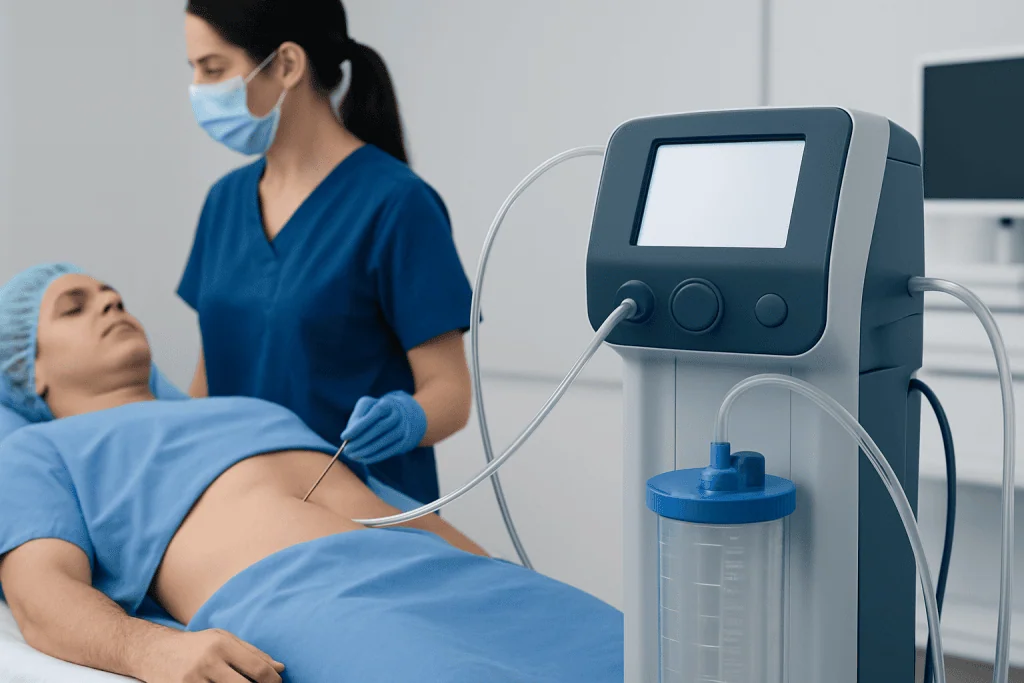
Abdominal liposuction removes deposits of subcutaneous fat, the layer located beneath the skin and above the abdominal muscles. Through very small incisions, the surgeon uses a narrow tube called a cannula to loosen and remove fat with controlled suction. Depending on the plan, the procedure may use tumescent fluid, which helps numb the area and reduce bleeding, as well as manual, power-assisted, or ultrasound-assisted techniques.
The procedure is usually intended for adults who are in generally good health, are close to a weight that is sustainable for them, and have localized fullness that has not responded as expected to lifestyle measures. Good skin elasticity can help the skin settle more smoothly after fat removal. Liposuction does not remove visceral fat around internal organs, repair separated abdominal muscles, or reliably correct substantial excess skin.
A surgeon will consider medical history, previous operations, medications and supplements, smoking or nicotine use, weight stability, and personal goals. People who are pregnant, have an uncontrolled medical condition, have an active infection, or are planning significant weight changes may be advised to postpone surgery. An honest discussion about scars, recovery, and likely contour change is an important part of deciding whether to proceed.
What Happens During the Procedure

Planning begins with a consultation and examination. The surgeon assesses the abdomen while standing and lying down, discusses areas of concern, and determines whether liposuction is appropriate or whether excess skin or weakened abdominal tissues may call for a different approach. Pre-procedure checks may include a review of health conditions, allergies, medicines, and any tests considered necessary for safe anesthesia and surgery.
On the day of treatment, the surgeon marks the planned areas while the patient is standing. The anesthesia approach may range from local anesthesia with sedation to general anesthesia, depending on the extent of treatment and individual needs. After the area is prepared, fluid may be placed under the skin, and small incisions are used to introduce the cannula and remove fat in a controlled, even manner.
At the end of the procedure, the incisions are covered and a compression garment is commonly placed to support the tissues and help manage swelling. Many abdominal liposuction procedures are performed as day surgery, but the appropriate setting depends on the planned extent of treatment and the person’s health. The surgical team provides individual instructions for transport home, wound care, activity, medicines, and follow-up appointments.
Recovery Timeline and Expected Results
During the first few days, soreness, bruising, swelling, firmness, and temporary drainage from small incision sites can occur. Gentle walking is usually encouraged when the surgeon approves it, as it supports circulation and helps prevent stiffness. Patients should arrange support at home if they have received sedation or general anesthesia and should follow their clinician’s guidance about driving, work, and lifting.
Many people can gradually return to lighter daily activities within a relatively short period, but recovery is not identical for everyone. More strenuous exercise, core training, swimming, and heavy lifting should wait until the surgical team confirms that healing is progressing well. Compression garments are often worn for a period recommended by the surgeon, and incision care should be followed exactly as instructed.
The shape of the abdomen changes gradually as swelling settles. Early contour improvements may be visible soon after surgery, but the result can take several months to mature as tissues heal. Maintaining stable weight, eating a balanced diet, staying physically active when cleared, and avoiding nicotine can support both recovery and the longevity of the contour result.
Benefits, Risks, and Safety Considerations
The main potential benefit of abdominal liposuction is improved contour in selected areas of stubborn subcutaneous fat. Some people find that clothes fit more comfortably or that the abdomen appears more proportionate to the rest of the body. However, the procedure should not be viewed as a treatment for obesity, diabetes, or other weight-related health conditions, and it cannot guarantee a particular body shape.
As with any surgical procedure, liposuction has potential risks. These include bruising, swelling, fluid collections, changes in skin sensation, uneven contour, asymmetry, scarring, infection, bleeding, delayed healing, and dissatisfaction with the cosmetic result. Anesthesia-related complications, blood clots, and problems related to fluid balance are less common but can be serious, particularly when surgery is extensive or combined with other procedures.
Safety begins with appropriate patient selection, a properly equipped and accredited clinical setting, qualified anesthesia care when needed, and clear aftercare arrangements. It is important to disclose all medicines, supplements, medical conditions, and nicotine use. Patients should also understand that a revision procedure may occasionally be discussed after healing if a contour concern remains, although it should not be assumed to be necessary or included in every plan.
Common Cost and Value Questions
Is lipo on the stomach worth it?
Whether stomach liposuction is worth it depends on the person’s goals, anatomy, tolerance for recovery, and understanding of the limits of the procedure. It may be a reasonable option for someone with localized abdominal fat and reasonably firm skin who wants contour improvement rather than weight loss. It may be less satisfying when the main concern is loose skin, stretch marks, abdominal muscle separation, or a desire for major weight reduction.
How to get lipo paid for?
Because liposuction for body contouring is usually considered cosmetic, health insurance often does not cover it. Coverage may differ when surgery is part of medically necessary reconstruction or treatment for a specific documented condition, so patients should ask their insurer directly and obtain written clarification. For self-funded care, an itemized plan, transparent payment terms, and discussion of safe financing options can help with informed decision-making.
What happens 10 years after liposuction?
Fat cells removed by liposuction do not grow back in the treated area, but remaining fat cells can enlarge with weight gain. Over a decade, normal aging, hormonal changes, pregnancy, changes in muscle tone, and shifts in weight can alter the abdominal contour. A stable lifestyle can help preserve the relative improvement, but liposuction does not stop the body from changing over time.
What is cheaper, a tummy tuck or liposuction?
Neither procedure is inherently cheaper for every patient, and an individualized written estimate is the only reliable comparison. A tummy tuck is generally more involved because it may remove excess skin and tighten abdominal tissues, while liposuction primarily targets subcutaneous fat. The final total can still differ based on the extent of surgery, anesthesia, facility, recovery needs, and whether procedures are combined.
When to Seek Medical Care
Before considering surgery, it is sensible to seek assessment from a qualified plastic surgeon if abdominal fullness is accompanied by a bulge that may suggest a hernia, pain, unexplained weight changes, or concerns about skin quality after pregnancy or major weight loss. A consultation can distinguish cosmetic contour concerns from symptoms that may need medical evaluation or another type of treatment.
After liposuction, patients should contact their surgical team promptly for worsening pain, increasing redness or drainage, fever, rapidly increasing swelling, persistent vomiting, or concerns about the incision. Sudden shortness of breath, chest pain, fainting, or one-sided leg swelling require urgent medical attention. For international patients, Acibadem International’s multidisciplinary specialists at JCI-accredited hospitals can assess suitability and coordinate treatment and follow-up planning.
Frequently asked questions
Can liposuction tighten loose stomach skin?
Liposuction primarily removes fat and has limited ability to tighten skin. Mild looseness may improve when skin elasticity is good, but significant excess skin may remain. A surgeon can explain whether a tummy tuck or a non-surgical approach is more appropriate.
Can abdominal liposuction remove visceral fat?
No. Liposuction removes subcutaneous fat located beneath the skin, not visceral fat that surrounds internal organs. Visceral fat is addressed through medical assessment, nutrition, physical activity, sleep, and treatment of related health conditions when needed.
How long does it take to see final liposuction results?
Some contour change may be noticeable early, but swelling can temporarily obscure the result. The abdomen commonly continues to settle over several months as healing progresses. The surgeon can provide a more personal timeline based on the extent of treatment.
Will weight gain affect the result after stomach liposuction?
Yes. Although removed fat cells do not return, remaining fat cells can enlarge if weight increases. Weight gain may also change untreated areas of the body. Maintaining a relatively stable weight helps preserve the treated contour.
Can liposuction and a tummy tuck be performed together?
In selected patients, these procedures may be combined to address both excess fat and loose skin or abdominal tissue laxity. Combining surgery can also increase operative and recovery considerations, so suitability should be assessed carefully. The surgeon will discuss safety, expected benefits, and alternatives.
Who should postpone abdominal liposuction?
People with an active infection, uncontrolled medical condition, unstable weight, or plans for near-term pregnancy may be advised to wait. Nicotine use can also impair healing and should be discussed honestly with the surgical team. A preoperative assessment helps identify when surgery can be considered more safely.
References
- American Society of Plastic Surgeons
- U.S. Food and Drug Administration
- National Health Service
- American Society of Anesthesiologists
This article is for general information only and is not a substitute for professional medical advice. Please consult a qualified doctor about your individual situation.
Explore treatments in Turkey — costs, top hospitals & a free quote
JCI-accredited · board-certified surgeons · reply within 24h
Add us as a Preferred Source to see more of our trusted health content across Google Search, AI Overviews and Discover.

More from the Health Library



Related Specialists
Dr. Sema Selım Kechagıa
Emergency Service
Fzt. Yusuf Mücahit Turan
Physical Medicine & Rehabilitation
Fzt. Ali Demir
Pediatric Rehabilitation
Prof. Dr. Lütfi Özkan
Radiation Oncology