Lipodystrophy Disease: Early Signs, Risk Factors, and How It Is Treated

Lipodystrophy disease changes how the body stores fat and may be inherited or acquired later in life. Common clues include unusual fat loss, prominent muscles or veins, increased appetite, insulin resistance, and high triglycerides.
Key Takeaways
- Lipodystrophy disease changes how the body stores fat and may be inherited or acquired later in life.
- Common clues include unusual fat loss, prominent muscles or veins, increased appetite, insulin resistance, and high triglycerides.
- Diagnosis usually combines a physical exam, blood tests, imaging, and assessment for related metabolic problems.
- Treatment focuses on managing complications, supporting nutrition, and addressing the underlying type of lipodystrophy when possible.
- People with suspected lipodystrophy should be evaluated by a specialist because early care can reduce long-term complications.
Lipodystrophy disease is a rare group of disorders in which the body loses fat from certain areas, stores it in unusual places, or cannot make or keep fat normally. Early diagnosis matters because the condition can affect blood sugar, cholesterol, liver health, hormones, and overall well-being as much as body shape.
Overview: what lipodystrophy disease means
Lipodystrophy disease is a group of uncommon conditions in which body fat is missing, reduced, or distributed abnormally. The change may affect the whole body or only certain regions such as the face, arms, legs, or trunk. Although many people first notice a change in appearance, the more important medical issue is that fat tissue helps regulate energy balance, hormones, and metabolism.
When the body cannot store fat in the usual way, fat may collect in organs such as the liver and muscles instead. This can lead to insulin resistance, diabetes, high triglycerides, fatty liver disease, and hormonal problems. For this reason, lipodystrophy is not simply a cosmetic concern; it is a medical condition that often needs long-term follow-up.
Doctors usually classify lipodystrophy by how much of the body is affected and by the cause. It may be generalized, meaning most body fat is lost, or partial, meaning only some areas are affected. It may also be congenital, present from birth due to genetic causes, or acquired later in life after autoimmune disease, infection, inflammation, repeated injections, or certain medications.
Early signs and symptoms to watch for
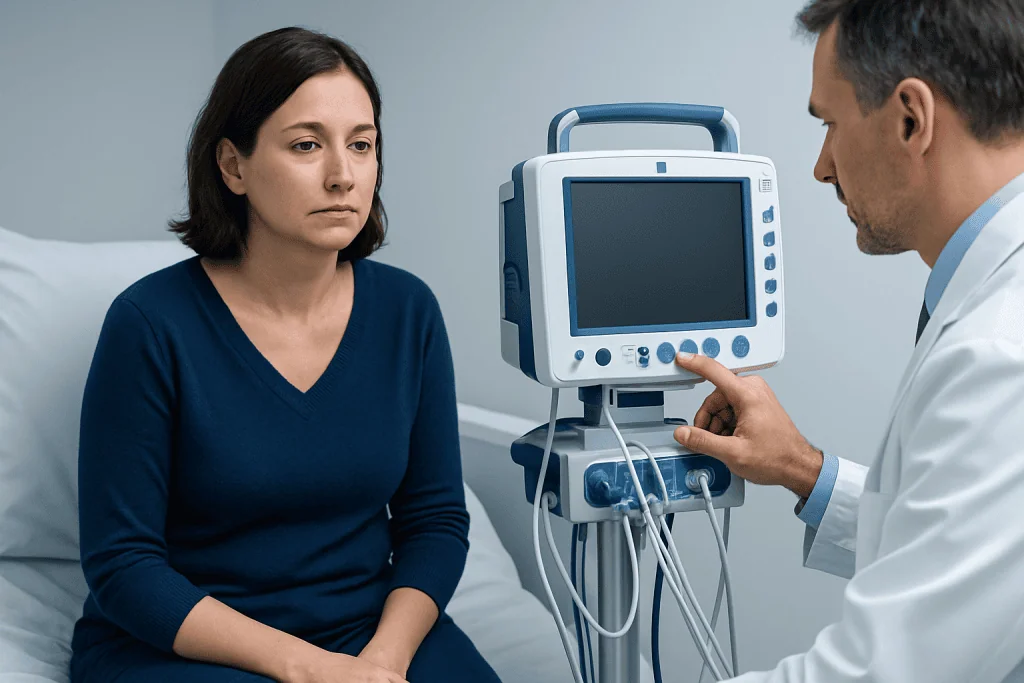
The earliest signs of lipodystrophy disease can be subtle. A person may notice that fat seems to disappear from the face, arms, buttocks, or legs, while other areas such as the neck, chin, or abdomen appear fuller. In some forms, muscles and veins become more visible because the layer of fat under the skin becomes thinner.
Metabolic symptoms may appear even before the diagnosis is clear. These can include strong hunger, rapid weight changes, dark velvety skin patches called acanthosis nigricans, fatigue, irregular periods, or signs of high blood sugar. Children may seem unusually muscular, while adults may be told they have difficult-to-control diabetes or very high triglycerides despite not fitting the usual pattern.
Symptoms vary by subtype, but common features can include:
- Loss of fat in the face, arms, legs, or entire body
- Abnormal fat buildup around the neck, face, or abdomen
- Prominent muscles or veins
- Enlarged liver or a feeling of fullness in the upper abdomen
- High blood sugar, insulin resistance, or diabetes
- High triglycerides or cholesterol abnormalities
- Hormonal changes such as polycystic ovary syndrome features or irregular menstruation
Because the condition is rare, these changes are sometimes mistaken for weight loss, athletic build, or common metabolic disease. A pattern of unusual fat loss together with blood sugar or lipid problems should prompt medical evaluation.
Types, causes, and risk factors

Lipodystrophy disease has several forms. Congenital lipodystrophy is caused by inherited gene changes that affect fat cell development or function. Acquired forms develop later and may be linked to autoimmune disease, inflammation, infections, or unknown immune-related processes. Another recognized form is localized lipodystrophy, which can occur in small areas after repeated injections or local tissue injury.
Partial lipodystrophy affects selected body regions, while generalized lipodystrophy affects most of the body. Some people lose fat gradually over time, while others are born with little body fat. Family history can be important, especially when several relatives have unusual body shape, early diabetes, high triglycerides, or fatty liver disease.
Risk factors depend on the subtype but may include:
- Inherited genetic variants
- Family history of lipodystrophy or unexplained severe metabolic disease
- Autoimmune disorders
- Certain medications, including some antiretroviral therapies in specific contexts
- Repeated injections into the same area
- Female sex in some acquired partial forms
In practice, clinicians also look for related conditions that may overlap with or resemble lipodystrophy. For example, insulin resistance and hormonal disturbances may raise concern for polycystic ovary syndrome, while liver enlargement may require assessment for fatty liver disease. Distinguishing these conditions helps guide treatment and monitoring.
How doctors diagnose lipodystrophy
Diagnosis begins with a careful history and physical examination. The doctor looks at the pattern of fat loss or abnormal fat accumulation, when it started, whether it has progressed, and whether other family members are affected. The medical team also asks about appetite, diabetes, menstrual changes, previous illnesses, medications, and injection sites.
Blood tests are usually used to look for metabolic complications. These may include fasting glucose, hemoglobin A1c, insulin levels, triglycerides, cholesterol, liver enzymes, and sometimes leptin or hormone testing. Depending on the situation, the doctor may request genetic testing to confirm an inherited form or autoimmune evaluation if an acquired cause is suspected.
Imaging and body composition assessment can also help. Ultrasound or other imaging may be used to assess the liver, while scans can help estimate body fat distribution. A liver evaluation may be particularly important in people with abnormal liver tests or suspected fat buildup. In some cases, patients may benefit from broader check-up and diagnostic services to identify related complications in a coordinated way.
Because lipodystrophy is rare and varied, diagnosis is often made by endocrinologists, metabolic specialists, pediatric specialists, dermatologists, or hepatology teams working together. The goal is not only to label the condition but also to define the subtype and detect complications early.
Treatment options and long-term management
Treatment for lipodystrophy disease is tailored to the type of lipodystrophy and the complications present. There is no single approach that suits everyone. Care usually focuses on improving metabolic health, protecting organs such as the liver and heart, and supporting quality of life.
Doctors may recommend nutrition planning, physical activity, and medicines to control blood sugar, high triglycerides, or cholesterol. Some patients need treatment for diabetes or severe insulin resistance, while others need support for hormonal issues or liver disease. In selected patients with specific forms of generalized lipodystrophy and low leptin levels, specialist teams may consider leptin replacement therapy where appropriate and available.
Treatment can involve several disciplines, especially when complications are complex. For example, difficult blood sugar control may be managed with diabetes treatment, and liver concerns may require evaluation through gastroenterology care. If there is a strong inherited pattern, counseling and family assessment can be helpful.
Regular follow-up is an essential part of treatment. Monitoring often includes blood sugar, blood lipids, liver function, blood pressure, growth in children, puberty and fertility issues, and emotional well-being. Near the end of the care pathway, some international patients may seek evaluation at centers such as Acibadem International, where multidisciplinary specialists in JCI-accredited hospitals diagnose and treat rare metabolic conditions.
Daily care, nutrition, and prevention of complications
There is no known way to prevent inherited lipodystrophy disease, but early recognition can help prevent or reduce complications. For acquired or localized forms, avoiding repeated injections in the same spot and following medical advice on medication use may lower the chance of local fat changes. A personalized care plan is often more helpful than generic diet advice.
Nutrition usually aims to support steady blood sugar and lower excess triglycerides while ensuring the body receives enough nutrients. Depending on the person’s metabolic profile, clinicians may suggest limiting added sugars, refined carbohydrates, and excess saturated fat, while emphasizing vegetables, fiber, lean protein, and healthy fats. Some patients benefit from consultation with a metabolic dietitian.
Self-care steps often include:
- Keeping regular follow-up visits and blood tests
- Taking prescribed medicines consistently
- Following a balanced eating plan suited to metabolic needs
- Staying physically active within personal ability
- Avoiding alcohol if liver disease or high triglycerides are present, unless a doctor advises otherwise
- Seeking emotional support if body image or chronic disease management becomes stressful
Because lipodystrophy can affect appearance and self-confidence, emotional care matters too. People may benefit from counseling, support groups, or specialist input if social anxiety, depression, or eating concerns develop alongside the medical condition.
When to seek medical care
Medical assessment is important if a person notices unexplained loss of body fat, unusual fat buildup in specific areas, or a very muscular appearance without a clear reason. It is especially important to seek care when these changes happen together with high blood sugar, high triglycerides, enlarged liver, severe hunger, irregular periods, or a family history of similar features.
Prompt medical attention is also needed for warning signs of complications, such as severe abdominal pain, vomiting, yellowing of the skin or eyes, symptoms of very high blood sugar, or sudden worsening fatigue. These symptoms do not always mean a serious emergency, but they do need timely evaluation.
Because diagnosis can be complex, referral to endocrinology or metabolic specialists is often useful. If symptoms overlap with broader hormone or metabolic conditions, patients may also need endocrinology evaluation to clarify the cause and build a long-term plan.
Frequently asked questions
Is lipodystrophy disease the same as obesity or ordinary weight loss?
No. Lipodystrophy disease is a disorder of fat distribution or fat loss, not simply a matter of body weight. A person may look lean or muscular and still have serious metabolic complications such as insulin resistance or fatty liver.
Can lipodystrophy disease be inherited?
Yes, some forms are genetic and may be present from birth or become clearer during childhood or adolescence. Others are acquired later in life and are not directly inherited, although family history can still provide important clues.
What doctor treats lipodystrophy?
Lipodystrophy is often managed by an endocrinologist, sometimes together with pediatricians, hepatologists, dermatologists, geneticists, or nutrition specialists. Because the condition can affect several organs, team-based care is often the most helpful approach.
Can lipodystrophy disease cause diabetes?
Yes. When the body cannot store fat normally, it may become more resistant to insulin, which can lead to high blood sugar and diabetes. This is one reason why regular monitoring and early treatment are important.
Is there a cure for lipodystrophy disease?
Treatment depends on the type and cause. Some forms cannot be cured, but many of the complications can be managed effectively with careful follow-up, nutrition planning, and treatment for blood sugar, lipids, liver disease, or hormone problems.
How is lipodystrophy confirmed?
Doctors usually confirm it through a combination of medical history, physical examination, blood tests, and sometimes imaging or genetic testing. The diagnosis is based on the pattern of fat changes as well as the presence of metabolic or hormonal complications.
References
- National Institute of Diabetes and Digestive and Kidney Diseases
- National Organization for Rare Disorders
- Genetics Home Reference at the U.S. National Library of Medicine
- Endocrine Society
- Orphanet
This article is for general information only and is not a substitute for professional medical advice. Please consult a qualified doctor about your individual situation.
Medical weight-loss options in Turkey — costs & eligibility
JCI-accredited · board-certified surgeons · reply within 24h
Add us as a Preferred Source to see more of our trusted health content across Google Search, AI Overviews and Discover.
Check your numbers in seconds
BMI, calories, due date, blood pressure and 30+ more clinical calculators — free, instant, doctor-reviewed ranges.