Listerine Foot Soak: An Evidence-Based Guide for Patients

Listerine foot soak is not a medically proven treatment for athlete’s foot, nail fungus, or cracked heels. It may help soften thick or dry skin, especially when followed by gentle moisturizing and foot care.
Key Takeaways
- Listerine foot soak is not a medically proven treatment for athlete’s foot, nail fungus, or cracked heels.
- It may help soften thick or dry skin, especially when followed by gentle moisturizing and foot care.
- People with diabetes, poor circulation, open cuts, eczema, or sensitive skin should avoid home soaks unless a clinician advises otherwise.
- Persistent itching, pain, redness, drainage, or worsening skin changes should be assessed by a doctor.
- Evidence-based care for foot problems often includes moisturizing, reducing friction, and using the right antifungal treatment when infection is present.
A Listerine foot soak may temporarily soften rough skin and make exfoliation easier, but there is limited medical evidence that it treats foot fungus, cracked heels, or other foot conditions on its own. For most people, it is best viewed as a comfort measure rather than a proven treatment, and some people may find it irritating.
What is a Listerine foot soak, and does it work?
A listerine foot soak is a home remedy in which the feet are soaked in a diluted mouthwash solution, sometimes mixed with warm water or vinegar. People often use it in hopes of helping dry skin, calluses, foot odor, or fungal problems. The main answer is that it may help some people by softening rough skin for a short time, but there is not strong clinical evidence that it reliably treats the underlying causes of common foot problems.
Mouthwash contains ingredients such as alcohol, essential oils, and antiseptic compounds. These ingredients can create a cooling or cleansing effect, which may explain why some people feel temporary relief. However, feeling fresher is not the same as treating a medical condition, especially if symptoms are caused by a fungal infection, eczema, psoriasis, or skin breakdown.
For patients deciding whether to try a listerine foot soak, it helps to understand its limits. It is better considered a cosmetic or self-care measure rather than a proven medical therapy. If symptoms are ongoing, recurrent, painful, or spreading, a clinician can help identify whether the problem is dryness, irritation, infection, or another skin condition.
How people use it and what benefits they may notice
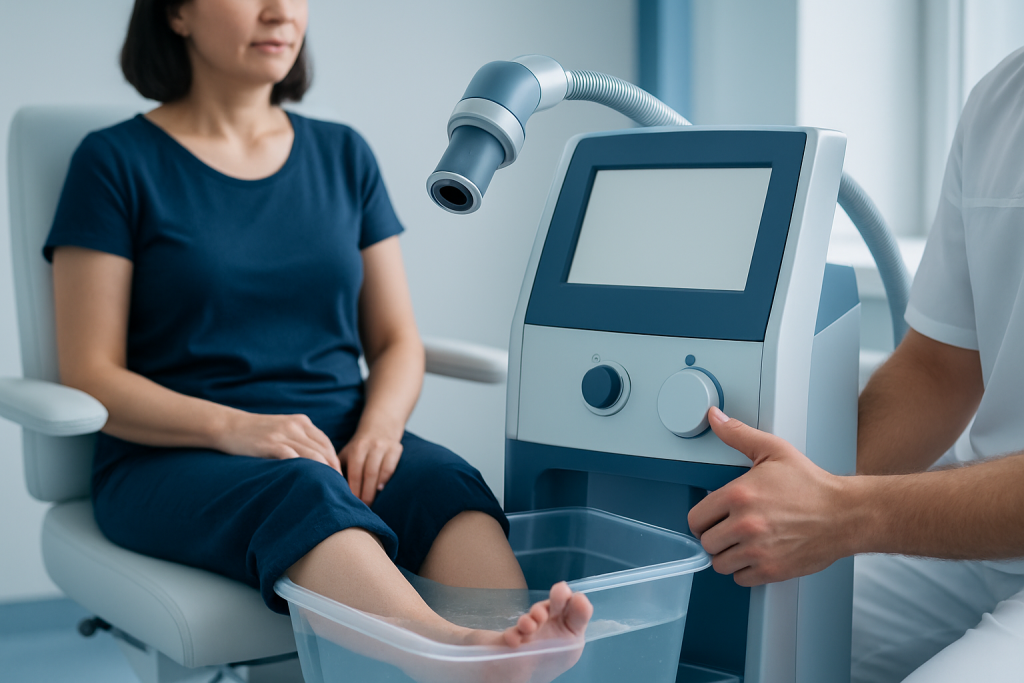
People usually try a foot soak to loosen dead skin, reduce foot odor, or make the feet feel cleaner and more comfortable. When rough skin is present, soaking may make later gentle exfoliation easier. This can be useful for mild dryness on the heels or soles when there are no cracks, wounds, or signs of infection.
Some patients also hope the soak will help with itching or scaling between the toes. While certain mouthwash ingredients have mild antiseptic properties, there is not enough good-quality evidence to recommend this method as a dependable treatment for athlete’s foot or nail fungus. Conditions such as athlete’s foot usually respond better to evidence-based antifungal treatments and practical steps such as keeping the feet dry and changing socks regularly.
Possible short-term benefits may include:
- Temporary softening of thick or dry skin
- A feeling of freshness or reduced odor
- Improved comfort before moisturizing or careful filing of callused skin
These effects are generally supportive rather than curative. If the skin is inflamed or broken, soaking may sting or worsen irritation instead of helping.
What the evidence says about fungus, cracked heels, and dry skin
The strongest point for patients to know is that home remedies often become popular online before they are well studied. At present, there is no strong medical evidence showing that a listerine foot soak is an effective standalone treatment for fungal foot infections, heel fissures, or chronic skin disease. A person may notice smoother skin after soaking, but that does not confirm that the cause of the problem has been treated.
For dry feet and calluses, the most effective routine usually focuses on regular moisturization, reducing pressure and friction, and gentle removal of thick skin when appropriate. Creams containing urea, lactic acid, or similar ingredients are commonly recommended by clinicians for rough heels. If calluses are severe or recurring, footwear and foot mechanics may need attention.
For suspected fungal infection, treatment usually depends on where the fungus is located. Skin fungus often improves with topical antifungal creams or sprays, while nail fungus may require a longer and more specific plan. Patients with thickened nails, scaling skin, or recurring infection may benefit from medical assessment and, when needed, dermatology evaluation to confirm the diagnosis.
If cracked heels are deep, painful, or bleeding, the issue is more than simple dryness. In that situation, a soothing soak is unlikely to be enough, and ongoing moisture loss or skin inflammation may need structured treatment. Persistent or severe heel fissures should not be ignored, especially in older adults and people with diabetes.
Risks, side effects, and who should avoid it
Although a listerine foot soak may seem harmless, it is not suitable for everyone. Mouthwash can irritate the skin because it may contain alcohol, flavoring agents, and essential oils. On already inflamed skin, these ingredients may cause burning, dryness, redness, or worsening irritation.
People with open cracks, cuts, blisters, ulcers, eczema, psoriasis, or recently shaved skin should be cautious and generally avoid this type of soak. Those with diabetes, nerve damage, or poor circulation should also be careful with home foot treatments because even minor skin injury can lead to complications. In these situations, medical foot care is safer than experimenting with home remedies.
It is also important not to rely on the soak if there are signs of infection. Increasing redness, warmth, swelling, tenderness, pus, bad odor, or fever need medical attention. A home remedy may delay diagnosis and allow a fungal or bacterial problem to progress.
Patients should stop using any soak if they notice stinging that does not quickly settle, increasing dryness, rash, or skin peeling beyond the original problem. A patchy reaction may reflect irritation rather than improvement.
Safer self-care options for common foot concerns
For mild dry skin, a simpler and often safer approach is daily moisturization. Thick fragrance-free creams or ointments applied after bathing can help restore the skin barrier. Wearing breathable shoes, changing socks regularly, and avoiding harsh soaps can also reduce dryness and irritation.
If rough heels are the main concern, gentle exfoliation once the skin has softened may help. This should be done carefully and never aggressively. Sharp tools should be avoided at home, and skin should not be filed if it is painful, cracked, or infected.
When itching, peeling, or scaling suggests fungus, over-the-counter antifungal products are generally a more evidence-based option than a mouthwash soak. In persistent cases, a doctor may recommend prescription therapy or evaluate for look-alike conditions such as dermatitis. Some patients may need assessment through medical dermatology if symptoms recur or do not improve as expected.
Supportive foot care can include:
- Keeping feet clean and dry, especially between the toes
- Using breathable footwear and moisture-wicking socks
- Applying moisturizer to the soles and heels, but not heavily between the toes
- Avoiding walking barefoot in communal wet areas
- Replacing worn shoes that trap moisture or cause friction
When to seek medical care
Medical care is appropriate if foot symptoms last more than a short time, keep returning, or interfere with walking and daily comfort. A doctor can help distinguish among dryness, fungal infection, eczema, pressure-related calluses, and less common causes of skin changes. This matters because treatments differ depending on the diagnosis.
Patients should seek prompt assessment if there is spreading redness, significant pain, swelling, drainage, fever, deep cracks, or a wound that is not healing. Thickened or discolored nails, especially when persistent, may need evaluation for nail fungus or another nail disorder. People with diabetes, circulation problems, or reduced feeling in the feet should contact a clinician early rather than trying repeated home remedies.
In some cases, assessment may include a skin examination, review of footwear and skin-care habits, or testing to confirm infection. If the issue is part of a broader skin condition, specialist input can be useful. Acibadem International’s multidisciplinary specialists and JCI-accredited hospitals diagnose and treat foot and skin conditions for international patients when more detailed evaluation is needed.
A practical, evidence-based approach for patients
For patients wondering whether to try a listerine foot soak, the most balanced view is that it may be reasonable as an occasional comfort measure for intact, mildly rough skin, but it should not replace diagnosis or proven treatment. It is not a cure for foot fungus, and it may irritate sensitive or damaged skin. Expectations should stay modest.
If a person chooses to use any foot soak at home, it is sensible to keep the skin under close observation and stop if irritation develops. After soaking, the best next steps are usually to dry the feet carefully, moisturize the heels and soles, and avoid overly aggressive scrubbing. If scaling, itching, odor, or nail changes continue, a clinician may recommend targeted therapy such as fungal infection treatment when appropriate.
In many cases, the simplest measures work best: consistent foot hygiene, suitable footwear, moisture control, and treatment that matches the true cause of symptoms. Home remedies can sometimes feel appealing because they are familiar and inexpensive, but evidence-based care is usually more reliable when symptoms are persistent or uncomfortable.
Frequently asked questions
Can a listerine foot soak cure athlete’s foot?
No home soak, including a listerine foot soak, is considered a proven cure for athlete’s foot. It may make the feet feel cleaner or fresher, but antifungal treatments are usually more reliable when fungus is the cause.
Is a listerine foot soak safe for cracked heels?
It depends on the condition of the skin. If the heels are only mildly dry, some people may tolerate a soak, but deep cracks, bleeding, or painful fissures can become more irritated. Moisturizing and medical advice are safer choices when the skin barrier is damaged.
Can people with diabetes use a listerine foot soak?
People with diabetes should be cautious with any home foot treatment. Because diabetes can affect circulation, healing, and nerve sensation, even minor skin irritation may become a larger problem. It is best to ask a doctor or podiatry professional before using foot soaks.
Why do some people say it helps if evidence is limited?
A soak can soften rough skin temporarily and create a cooling, clean feeling, which may seem helpful. However, symptom relief does not always mean the underlying problem has been treated. This is why clinical evidence matters, especially for infections and chronic skin conditions.
What works better for dry feet than a mouthwash soak?
Daily use of a thick, fragrance-free moisturizer is often more effective for dry feet. Gentle exfoliation, reducing friction from shoes, and protecting the skin barrier usually provide more consistent results than occasional soaking.
When should foot itching or peeling be checked by a doctor?
A doctor should assess symptoms that are persistent, recurrent, painful, spreading, or not improving with basic care. Medical evaluation is also important if there is redness, swelling, drainage, nail discoloration, or if the person has diabetes or poor circulation.
This article is for general information only and is not a substitute for professional medical advice. Please consult a qualified doctor about your individual situation.
Explore treatments in Turkey — costs, top hospitals & a free quote
JCI-accredited · board-certified surgeons · reply within 24h
Add us as a Preferred Source to see more of our trusted health content across Google Search, AI Overviews and Discover.

More from the Health Library

Myoclonic Seizure: What Patients Need to Know

A1C Chart — Explained by Medical Evidence, Not Myths

Trileptal: An Evidence-Based Guide for Patients

Wrinkled Fingertips: What Patients Need to Know

Calcification: What Patients Need to Know